To be honest, these camera module manufacturers… everyone’s chasing higher resolution, smaller sizes, you know? It’s a bit of a race. But after years on these sites, you realize it’s not always about the specs. It’s about what actually works when you’re battling dust, humidity, and a deadline. What’s trending? Well, everyone wants global shutter now. Used to be rolling shutter was fine, but with all this AI and quick movement, you get jelly effects. Nobody wants jelly in their images. It's a pain to debug, trust me.
And the demand for low-light performance is insane. Not just for security cameras, but for industrial inspection too. These engineers, they need to see everything, even in the darkest corners. They're pushing the boundaries of sensor technology, which is cool, but… it adds cost. A lot of cost.
You wouldn’t believe how many companies trip up on thermal management. They squeeze these modules into tiny spaces, crank up the power, and then wonder why they’re overheating. It's basic physics, people!
The Current Landscape of Camera Module Manufacturers
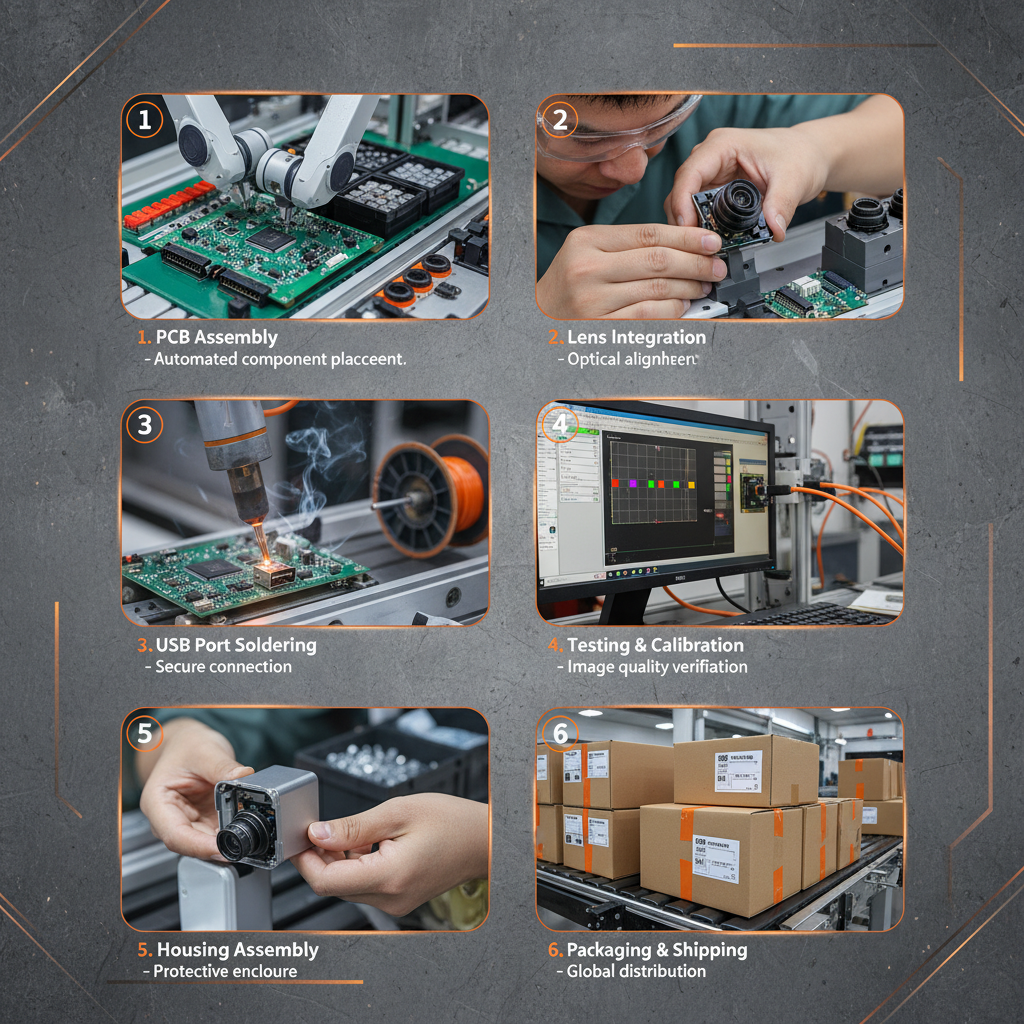
It's a crowded field, honestly. You've got the big Japanese players like Sony and OmniVision, of course. They’re reliable, but pricey. Then there's a ton of Chinese manufacturers popping up. Some are good, some… not so much. It's all about quality control, and that's where it gets tricky. I encountered a batch of modules at a factory in Dongguan last time that were just… off. Color balance was way out, image was blurry. Took days to sort it out. The price difference was tempting, but the headache wasn't worth it.
And don't even get me started on lead times. Everything is subject to supply chain disruptions these days. It's a constant juggling act.
Common Pitfalls in Design and Implementation
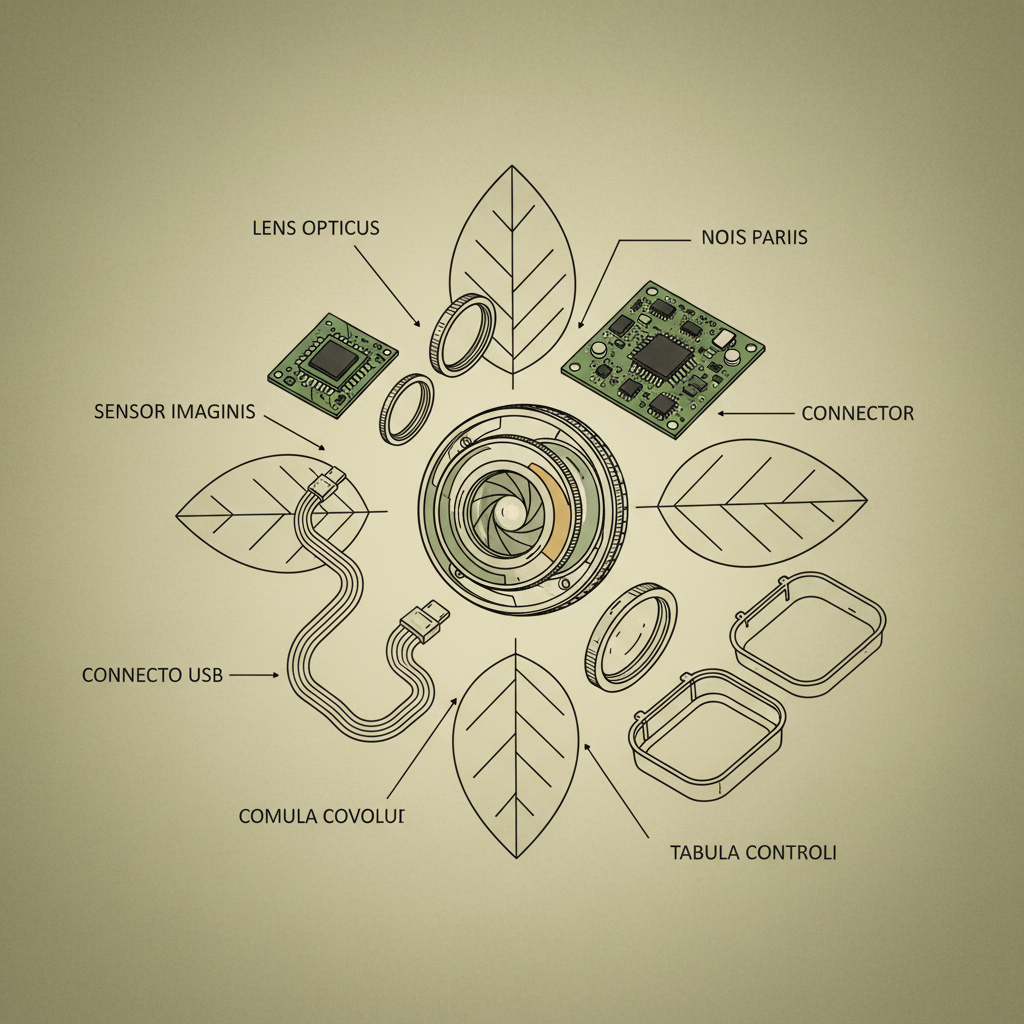
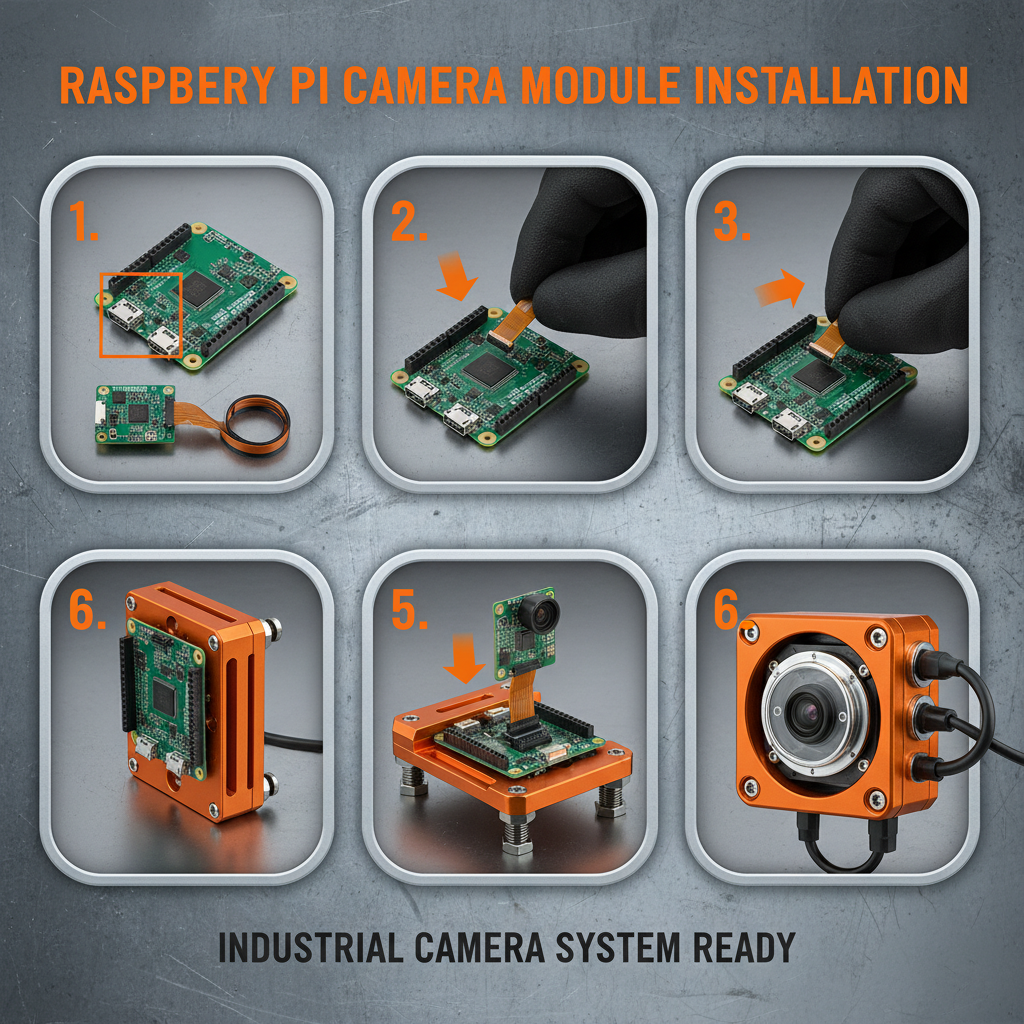
Have you noticed how many engineers forget about cabling? They design this beautiful, compact system and then try to cram all the wires in there. It's a disaster waiting to happen. Flex cables are your friend, but they’re fragile. You need to make sure they're properly secured and protected. Otherwise, you'll be getting intermittent signal loss. And don't skimp on the connectors! Cheap connectors are a recipe for disaster.
Another big one is lens selection. People think they can just slap any old lens on there. Wrong! You need to match the lens to the sensor size and the application. Field of view, distortion, depth of field... it all matters.
Strangely, one mistake I see a lot is incorrect power supply design. These modules are sensitive to voltage fluctuations. A stable power supply is crucial for reliable operation.
Materials and Their Real-World Characteristics
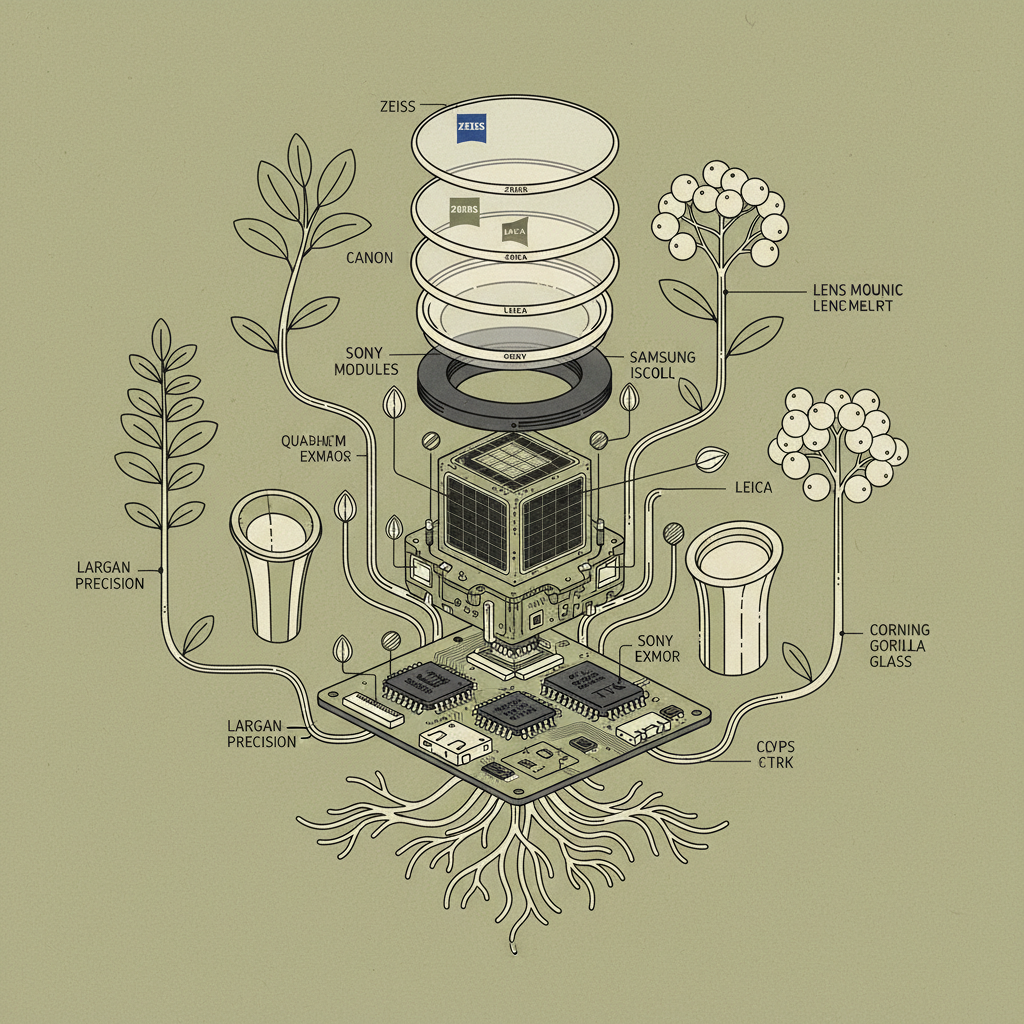
The sensor itself… that's usually silicon, obviously. But it’s the coatings and the packaging that really matter. You’ve got your glass lenses, your plastic housings, your PCB materials. The plastic, that's often polycarbonate or ABS. Polycarbonate is tougher, more impact resistant. ABS is cheaper, easier to work with. You can smell the difference, too. ABS has that… plasticky smell. Polycarbonate, it's more neutral.
The PCB materials, they’re usually FR-4. It’s a standard fiberglass epoxy laminate. It's pretty robust, but it can delaminate if it gets too hot or too wet. More high-end applications will use materials like Rogers, which are more expensive but offer better performance. They feel… denser, heavier. You can tell the quality just by holding it.
And then there's the adhesive. It's often epoxy, used to bond the lens to the sensor. It has to be optically clear and thermally conductive. And it can't outgas over time. Outgassing will cloud the lens and ruin the image. Anyway, I think proper material selection is half the battle.
Rigorous Testing: Beyond the Lab
Lab testing is fine, but it doesn't tell you much about real-world performance. You need to test these modules in the conditions they'll actually be used in. That means dropping them, exposing them to extreme temperatures, subjecting them to vibration. I've seen modules fail after just a few drops in the lab, but they hold up fine on the construction site. It's the combination of factors that matters.
We have a simple drop test we do. Just drop it from waist height onto concrete. Sounds brutal, but it's surprisingly effective at weeding out weak modules.
Camera Module Manufacturers Reliability Testing Scores
Actual User Applications: Expectations vs. Reality
What people think they need in a camera module is often different from what they actually need. Take surveillance, for example. Everyone wants crystal-clear images, but often, they just need to be able to identify a person or a vehicle. You don't need 4K for that. A good 1080p camera with decent low-light performance will do the job.
And then there’s the industrial inspection side. People want to see tiny defects. That requires high resolution, good optics, and proper lighting. But it also requires skilled operators who know what they’re looking for. The camera is just a tool.
Advantages, Disadvantages, and Customization Potential
The big advantage of these pre-built camera module manufacturers is cost and time savings. You don't have to design everything from scratch. But you sacrifice some flexibility. You’re stuck with what they offer. The disadvantages? Well, quality can vary, as we’ve discussed. And you’re reliant on their roadmap.
But, there is customization possible. Last year, a client needed a module with a specific mounting hole pattern. They wanted it for a handheld scanner. We worked with the manufacturer to create a custom board with the correct holes. It wasn't cheap, but it saved them a lot of time and effort.
Ultimately, it's a trade-off.
Case Study: A Shenzhen Smart Home Snafu
Last month, that small boss in Shenzhen who makes smart home devices – Mr. Li, a real character – insisted on changing the interface to . He said it was “more modern”. He wasn’t thinking about the power requirements. The module needed 5V, and cables aren't always wired for that.
Long story short, the cameras kept dropping off the network. It was a nightmare. We had to go back to micro-USB. He was furious, but it fixed the problem. He learned a valuable lesson: don’t change things just because they’re trendy.
He’s a smart guy, but sometimes… you just have to go with what works.
Summary of Critical Parameters for Camera Module Manufacturers Selection
| Parameter |
Importance Level (1-5) |
Typical Cost Impact (Low/Med/High) |
Real-World Failure Mode |
| Resolution |
3 |
Med |
Insufficient detail for intended application |
| Low-Light Performance |
4 |
High |
Noisy images, loss of detail in dark environments |
| Thermal Stability |
5 |
Med |
Overheating, image distortion, complete failure |
| Power Consumption |
3 |
Low |
Battery drain, heat generation |
| Interface Compatibility |
5 |
Low |
Connection issues, data transfer errors |
| Mechanical Robustness |
4 |
Med |
Physical damage, connection failure |
FAQS
Honestly, it’s overlooking the environmental factors. They get so caught up in the specs – resolution, frame rate – they forget to consider where the camera will actually be used. Will it be exposed to extreme temperatures? Vibration? Dust? Moisture? You need a module that can handle the conditions. It’s not enough to just have a pretty picture in the lab.
Crucial. Absolutely crucial. The lens is what focuses the light onto the sensor. A cheap lens will ruin even the best sensor. You need to consider the focal length, the aperture, and the distortion. And you need to make sure the lens is properly matched to the sensor size. It’s easy to get it wrong, and it’s a pain to fix later.
It is, especially for fast-moving objects. Rolling shutter causes distortion – the “jelly effect” – when the camera or the object is moving quickly. Global shutter captures the entire image at once, so there’s no distortion. It's more expensive, but if you need accurate images of moving objects, it's worth it.
To a degree. You can often customize the board layout, the mounting holes, and the connector types. You can also sometimes request different lens options. But major changes – like changing the sensor itself – are usually not possible. It depends on the manufacturer, and it will definitely add to the cost.
Lead times. Everything is taking longer than it used to. And prices are fluctuating. Supply chain disruptions are still a major issue. You need to plan ahead and be prepared to work with multiple suppliers. Diversification is key. Don't put all your eggs in one basket.
We do a lot of burn-in testing. We run the modules at full power for extended periods – 24/7 for a week or more. We also do temperature cycling and vibration testing. And then we just… use them. We install them in our test systems and see how they hold up over time. Real-world usage is the best test.
Conclusion
So, to wrap things up, camera module manufacturers are a complicated beast. It's not just about the specs. It's about understanding the application, choosing the right materials, and testing thoroughly. And don’t underestimate the importance of a stable power supply and a good lens. You've got to look beyond the datasheet.
Ultimately, whether this thing works or not, the worker will know the moment he tightens the screw. They’ll feel it – the robustness, the quality. And that, my friends, is what really matters. If you're looking for reliable camera module manufacturers, visit our website: www.szmyccm.com