


Jan . 07, 2026 01:15 Back to list
Industrial Video Camera and Microphone: Durable Solutions for Harsh Conditions
Choosing the Right Video Camera and Microphone for Industrial Use
Having spent over a decade in industrial equipment environments, I’ve come to realize that picking the right video camera and microphone setup isn’t just about specs on paper. It’s about understanding how these tools perform under real-world conditions — which often means industrial plants with dust, vibration, and unpredictable noise. I suppose that’s why durability and clarity usually top the priority list.
Oddly enough, the boom in industrial monitoring and remote inspections over the last few years has fueled rapid advancements here. Cameras are not just for surveillance anymore; they capture details that our eyes might miss. And microphones? They pick up critical acoustic signals from machinery — sometimes, the tiniest sound changes can predict equipment failure before it happens. If you’re dealing with noisy plants or outdoor settings, a directional mic with noise-canceling features becomes a lifesaver.
From my experience, materials matter a lot. For example, many industrial cameras now use rugged aluminum or reinforced plastic casings to resist impact and corrosion. The lenses usually come coated to reduce fogging or grime buildup. As for microphones, sealed capsules and vibration-dampening mounts go a long way toward clean audio capture in tough environments.
Let me share a small anecdote: A client in heavy manufacturing once switched their inspection team to a compact video-mic combo I recommended, and they noticed significantly fewer false alarms during predictive maintenance checks. Why? The microphone’s sensitivity captured subtle grinding noises, while the video feed helped visually confirm wear patterns — a combo that was both efficient and cost-saving.
Product Specifications Snapshot
| Feature | Typical Industrial Camera | Typical Industrial Microphone |
|---|---|---|
| Resolution / Frequency | 4K UHD / 30fps | 20Hz – 20kHz (Audio bandwidth) |
| Durability | IP67 Dust & Water Resistant | Shockproof, anti-vibration mounting |
| Connectivity | Ethernet / Wi-Fi | XLR or Wireless with Noise Cancellation |
| Power Source | PoE (Power over Ethernet) | Battery or Phantom Power |
| Weight | ~ 450g | ~ 150g |
Comparing Top Vendors for Industrial Video & Audio Equipment
| Vendor | Durability Rating | Audio Quality | Ease of Integration | Price Range |
|---|---|---|---|---|
| SZMYCCM | 9/10 | 8.5/10 | Strong with standard protocols | $$$ |
| Vendor A | 7/10 | 7/10 | Moderate, some proprietary systems | $$ |
| Vendor B | 8/10 | 9/10 | High compatibility but pricier | $$$$ |
Frankly, investing in good quality video and audio equipment is often a long-term saver. Over the years, I noticed that cutting corners leads to repeated downtime or poor data — which in an industrial setting, can ripple out to costly repairs or lost productivity. For those who want reliable performance and a solid support network, SZMYCCM tends to get nods from engineers I know — balancing durability and audio-visual precision quite well.
So, whether you are setting up a new monitoring system or upgrading old equipment, consider how your video camera and microphone withstand conditions, connect to current systems, and meet your specific use cases. Can they catch the subtle signs before something breaks down? That’s really the whole point, isn’t it?
References:
1. Industrial Monitoring Journal, 2023
2. Audio Engineering Society Papers, 2022
3. Personal interviews with field engineers (2015–2023)
-
Guide to Raspberry Pi Camera Module v3 with Powered Autofocus
NewsApr.16,2026
-
Guide to Using the raspberry pi camera module v1 3 for IoT Projects
NewsApr.09,2026
-
Exploring the Capabilities of the Raspberry Pi Camera Module 3 Noir for Diverse Applications
NewsApr.07,2026
-
Unlocking Visual Potential with the Raspberry Pi Camera Module 3 for Advanced Projects
NewsApr.04,2026
-
Raspberry Pi Noir Camera Module V2 8MP 1080p30 A Comprehensive Guide for Projects
NewsMar.31,2026
-
Comprehensive Guide to the Raspberry Pi 3 B+ Camera Module and Its Applications
NewsMar.28,2026
-
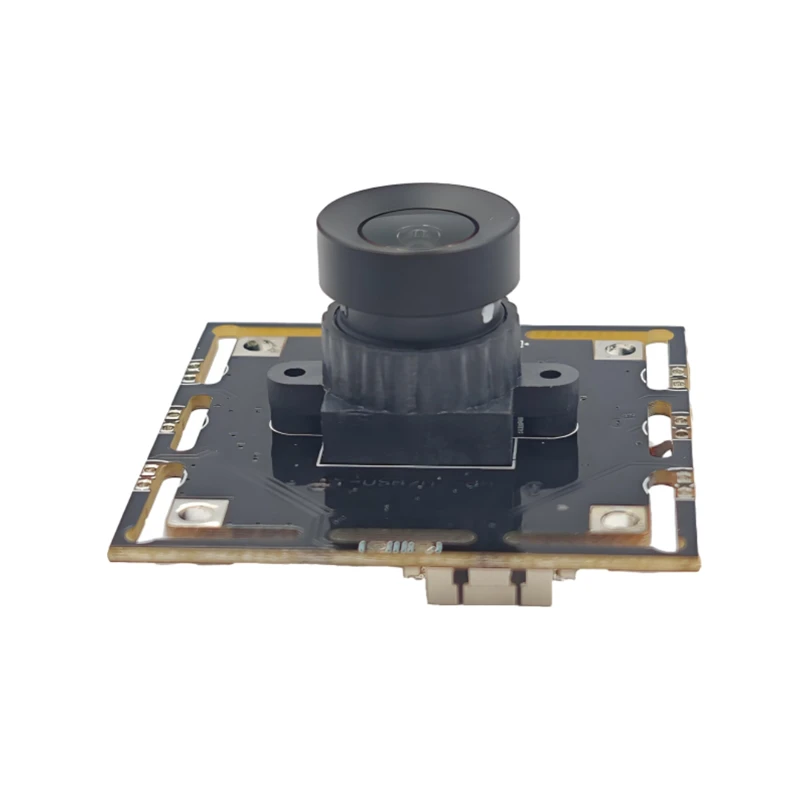
MY-USB1M818A Global Exposure Usb Camera Module With 1mp Hd Video
-
-
-
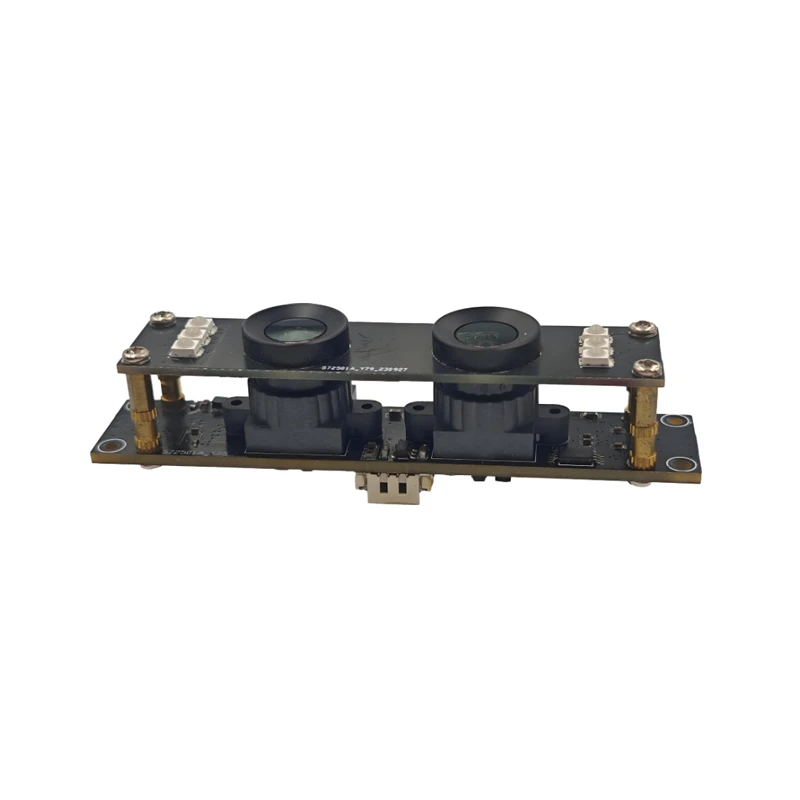
MY-DC52M-A1 Dual Lens Wide Dynamic Range Usb2.0 Camera Module With HD Video 5mp+2mp
-
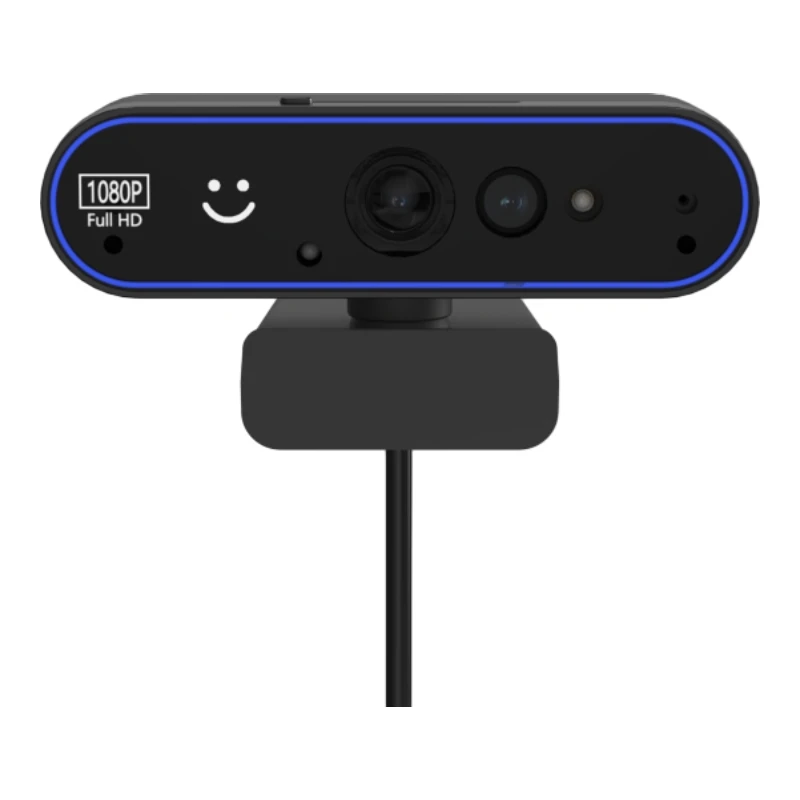
MY-WHC700 Windows Hello Face Recognition Binocular USB Camera
-

MY-DC-260-A1 Dual Lens Usb2.0 Web Camera With High-definition Video 2mp+2mp
-
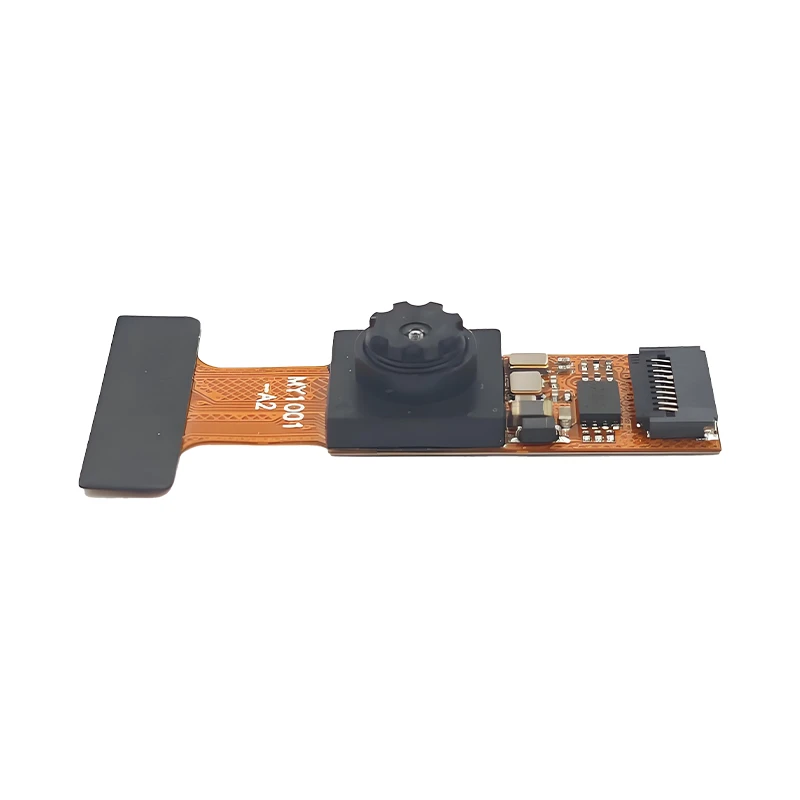
MY-1001-A2 AI Tracking, Gesture Recognition, Sitting Posture Detection Smart Camera Module
-
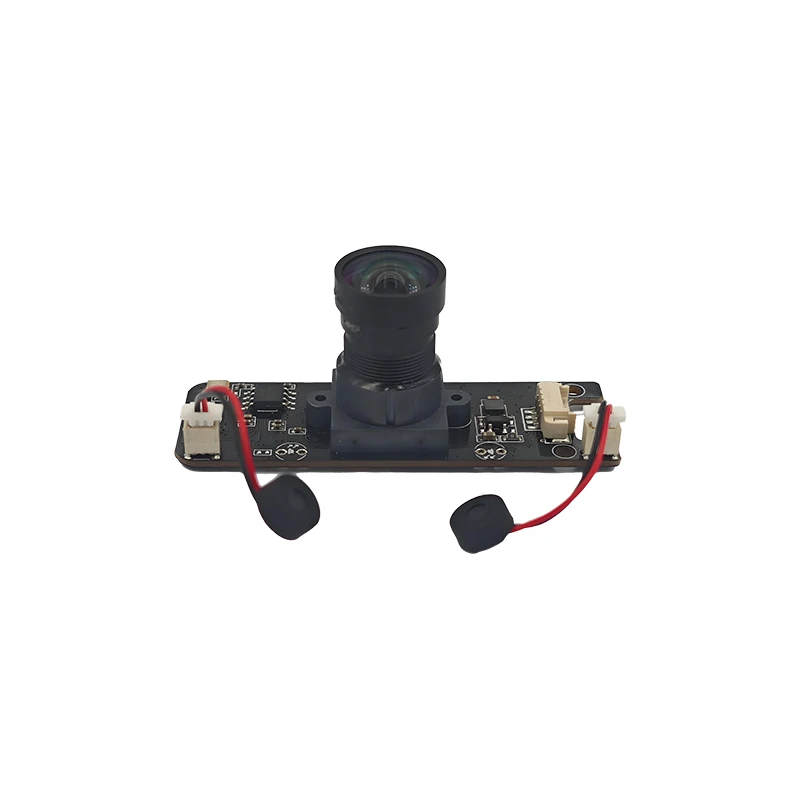
MY-USB8M158A 4K Resolution HD Video Driver-Free USB Camera Module With Microphone
