


Dec . 03, 2025 11:04 Back to list
The Importance and Benefits of High Quality Webcam and Microphone in Modern Communication
Understanding the Value of High Quality Webcam and Microphone in Today’s Digital World
In an age where remote work, virtual meetings, online education, and telehealth are no longer the exception but everyday norms, the importance of reliable, high quality webcam and microphone setups cannot be overstated. Frankly, these devices form the backbone of our virtual communication — shaping how businesses operate globally, how families stay connected, and how professionals deliver services across geographic divides.
Why does this matter on a global stage? Increasingly, organizations from multinational corporations to humanitarian efforts are relying on clear video and crystal-clear audio to bridge distances, ensure collaboration, and deliver timely information. According to a recent report by the International Telecommunication Union (ITU), over 60% of the world’s population uses internet services, and the consumption of live video and conferencing platforms has surged over 400% since 2019. High quality webcams and microphones aren't just gadgets anymore; they are essential communication tools that foster productivity and trust in virtual environments.
What Exactly Are High Quality Webcam and Microphone?
Simply put, a high quality webcam and microphone refer to audio-visual devices engineered to capture and transmit video and sound with clarity, minimal distortion, and reliable performance. They typically offer HD (720p or 1080p) video resolution, advanced autofocus, noise-cancellation for audio, and compatibility across platforms.
But beyond the technical specs, their role touches modern industries ranging from corporate offices embracing hybrid work to humanitarian agencies coordinating relief across continents. They enable precise visual cues and clear dialogue, which is vital not only in daily meetings but in scenarios that demand accuracy and speed—like remote medical consultations or virtual training.
Core Components That Define Quality
1. Video Resolution & Frame Rate
The clarity of the image starts here. Most high quality webcams offer at least 1080p resolution and 30 frames per second — which balances smoothness and bandwidth efficiency. This ensures sharp, fluid video that feels natural, even on larger screens.
2. Audio Fidelity and Noise Cancellation
High quality microphones excel by isolating voices and reducing background noise. Technologies like directional pickup patterns or AI-based noise suppression make communication clearer, especially in noisy environments.
3. Connectivity & Compatibility
USB 3.0 or USB-C connectivity is common and ensures stable data transfer. Compatibility with major conferencing apps like Zoom, Microsoft Teams, and Skype is essential to avoid frustrating technical hiccups.
4. Durability and Build Quality
For users who travel or work in varied environments, a sturdy build with good mount options is important. This prevents damage and maintains consistent performance over time.
5. Software Customization
Many high quality webcams and microphones come bundled with software to adjust exposure, focus, white balance, and audio gain. This flexibility means users can tailor the experience to unique lighting and noise conditions.
Product Specification Overview
| Feature | Specification | Benefit |
|---|---|---|
| Video Resolution | 1080p FHD at 30fps | Sharp, smooth video ensures clear visuals |
| Microphone Sensitivity | -38 dB ± 3 dB (Omnidirectional) | Accurate voice capture with noise cancellation |
| Connectivity | USB 2.0/3.0 and USB-C | Plug-and-play with broad device support |
| Field of View | 90° wide angle | Captures more background and participants |
| Software Features | Auto-focus, low light correction | Optimizes image quality in various settings |
Global Applications of High Quality Webcam and Microphone
This technology is truly everywhere now. In education, schools globally adapted rapidly during the pandemic thanks to reliable webcams and microphones enabling hybrid and remote classrooms. The United Nations’ Sustainable Development Goals emphasize quality education, and tech like this is helping make it accessible to remote regions.
In healthcare, telemedicine relies on video consultations—accurate imagery and sound can mean the difference in diagnostics. For example, NGOs operating in rural Africa use satellite internet-enabled satellite-connected webcams and microphones to connect patients with specialists thousands of miles away.
Corporate industries, from Silicon Valley startups to manufacturing plants in Europe, use these devices for seamless collaboration across continents, managing teams who never meet face-to-face yet coordinate complex projects daily.
Mini Takeaway:
High quality webcams and microphones aren’t just office accessories; they're critical enablers for education, health, and commerce worldwide.
Advantages and Long-Term Value
- Cost Efficiency: Investing in quality means fewer replacements, reduced downtime, and less troubleshooting.
- Sustainability: Robust devices with better parts last longer and reduce e-waste.
- Social Impact: Enhances accessibility for remote workers and underserved communities.
- Reliability: Clear audio and smooth video builds trust and engagement—key for effective communication.
It’s odd, but sometimes people underestimate the emotional value of seeing a colleague’s face or hearing their tone clearly—these human aspects build connection and dignity in virtual spaces.
Future Trends & Innovations
Looking forward, integration of AI technology is pushing webcams and microphones toward smart automatic framing, facial recognition for personalized lighting adjustments, and even emotion detection for enriched video conferencing experiences. Sustainability-wise, manufacturers are exploring biodegradable materials and energy-efficient designs to power devices with minimal environmental impact.
Additionally, the rise of 5G and edge computing promises ultra-low latency connections which will make real-time HD video and audio more seamless, boosting applications from virtual reality meetings to remote manufacturing supervision.
Challenges & Solutions
Of course, challenges remain. Consistency of internet connectivity can limit the effectiveness of even the best hardware—especially in rural or developing regions. But recent advances in noise suppression software and adaptive bitrate streaming have made user experiences more robust.
Moreover, privacy concerns arise with always-on microphones or cameras, leading vendors to develop more intuitive hardware-level privacy shutters and encrypted communication protocols.
Vendor Comparison: Popular Webcam and Microphone Providers
| Vendor | Video Resolution | Noise Cancellation | Software Features | Price Range |
|---|---|---|---|---|
| Logitech | Up to 4K | Advanced AI noise suppression | Auto-focus, light correction | $75–$200 |
| Razer | 1080p @ 60fps | Directional mics, noise cancelling | Customizable RGB lighting | $90–$180 |
| Microsoft | 1080p | Basic noise suppression | Integrated with Teams | $80–$150 |
| Creative Labs | 720p – 1080p | AI noise cancellation | VoiceFX voice effects | $40–$100 |
FAQ: Frequently Asked Questions About High Quality Webcam and Microphone
Q1: What features should I prioritize when buying a high quality webcam and microphone for professional use?
A1: Focus on video resolution (1080p or higher), frame rate (30fps+), microphone sensitivity, and noise-cancellation capabilities. Also consider compatibility with your voice and video conferencing software, and look for devices with customizable settings to optimize for your environment.
Q2: Can a high quality webcam and microphone improve remote learning experiences?
A2: Absolutely. Clear visuals help students stay engaged and understand non-verbal cues, while crisp audio reduces misunderstandings and the need to ask for repeats, making lessons smoother and more effective.
Q3: How do I maintain my webcam and microphone for long-term use?
A3: Keep lenses clean with microfiber cloths, avoid exposure to dust and moisture, and regularly update device drivers and software to ensure compatibility and performance. Handle cables carefully to prevent wear and tear.
Q4: Are high quality webcams and microphones suitable for noisy environments?
A4: Many models offer AI-based noise cancellation and directional microphones to minimize background sounds. It’s important to select models designed for such environments and test them in your workspace.
Q5: How integrated is the software with hardware for webcams and microphones?
A5: Most high-end devices come with companion software that grants control over video and audio settings. This integration allows users to customize features like focus, brightness, gain, and noise suppression for optimal results.
Conclusion
Ultimately, investing in a high quality webcam and microphone isn’t just about better visuals or audio—it’s about enriching communication, fostering connection, and enabling work and education to thrive no matter where people are. As remote interactions become ever more essential, choosing the right hardware is a step towards clearer conversations, enhanced trust, and sustained productivity.
If you’re interested in exploring high quality webcam and microphone options that combine reliability and cutting-edge features, do visit our website for expert advice and product selections tailored to your needs.
Mini Takeaway:
Clear sight and sound do more than just connect us—they empower us to collaborate, learn, and grow in an increasingly digital world.
References:
1. International Telecommunication Union, ICT Facts and Figures 2023
2. United Nations Sustainable Development Goals, Quality Education
3. ISO/IEC standards for audio and video equipment performance
-
Guide to Raspberry Pi Camera Module v3 with Powered Autofocus
NewsApr.16,2026
-
Guide to Using the raspberry pi camera module v1 3 for IoT Projects
NewsApr.09,2026
-
Exploring the Capabilities of the Raspberry Pi Camera Module 3 Noir for Diverse Applications
NewsApr.07,2026
-
Unlocking Visual Potential with the Raspberry Pi Camera Module 3 for Advanced Projects
NewsApr.04,2026
-
Raspberry Pi Noir Camera Module V2 8MP 1080p30 A Comprehensive Guide for Projects
NewsMar.31,2026
-
Comprehensive Guide to the Raspberry Pi 3 B+ Camera Module and Its Applications
NewsMar.28,2026
-
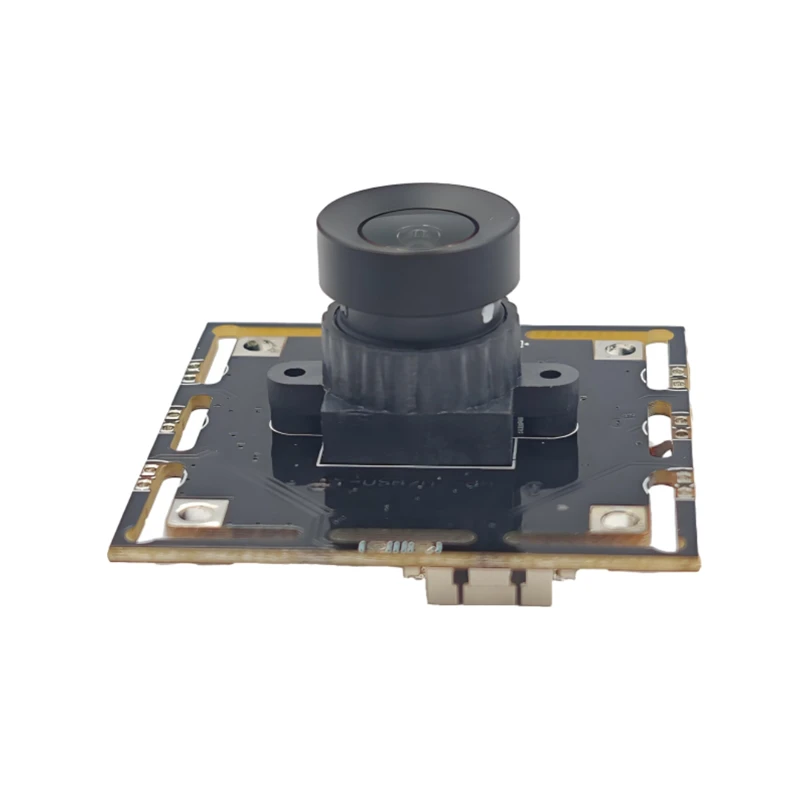
MY-USB1M818A Global Exposure Usb Camera Module With 1mp Hd Video
-
-
-
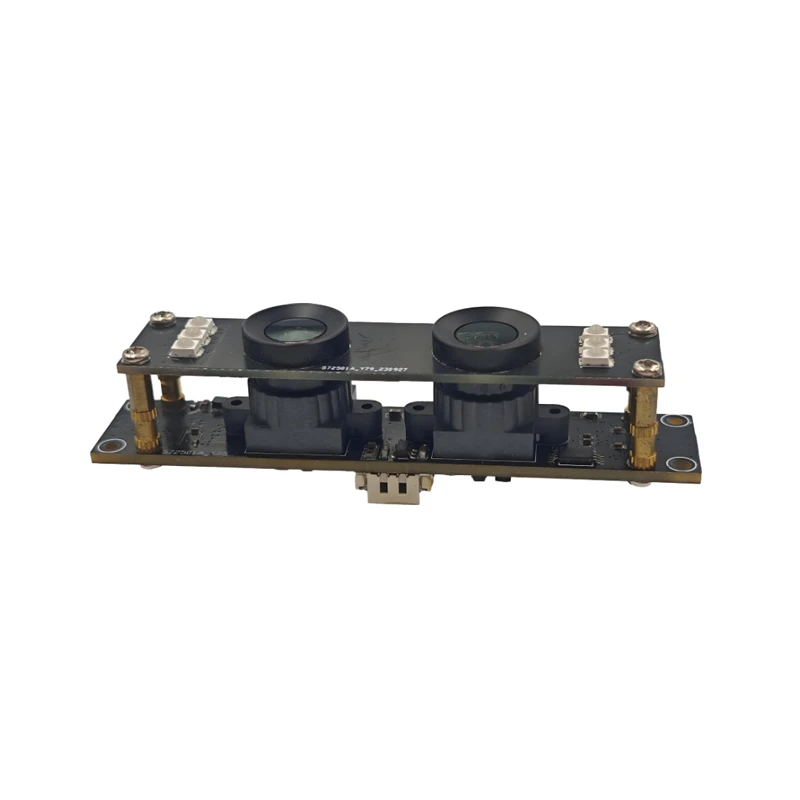
MY-DC52M-A1 Dual Lens Wide Dynamic Range Usb2.0 Camera Module With HD Video 5mp+2mp
-
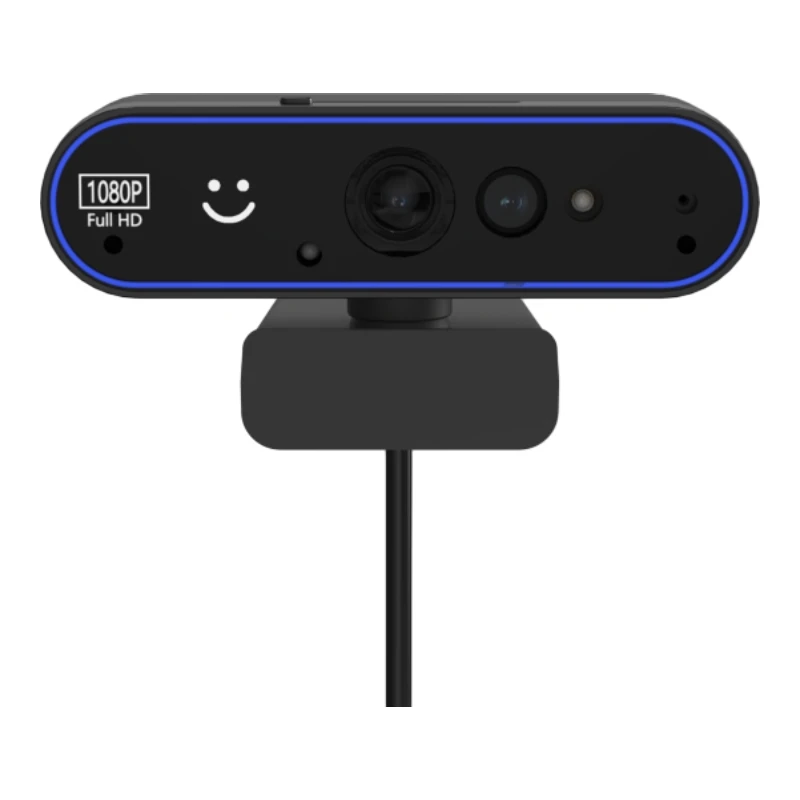
MY-WHC700 Windows Hello Face Recognition Binocular USB Camera
-
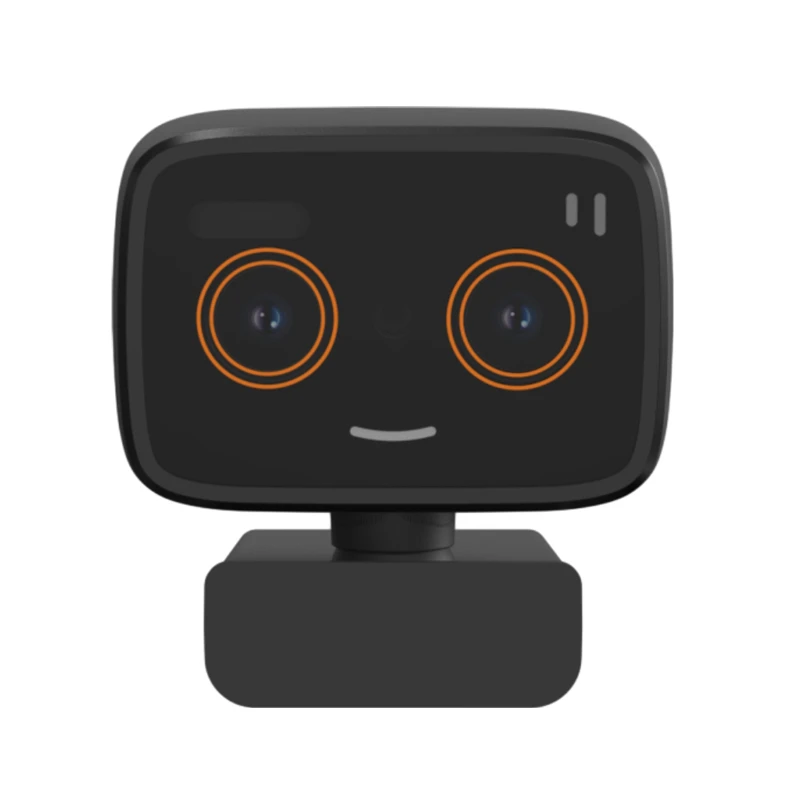
MY-DC-260-A1 Dual Lens Usb2.0 Web Camera With High-definition Video 2mp+2mp
-
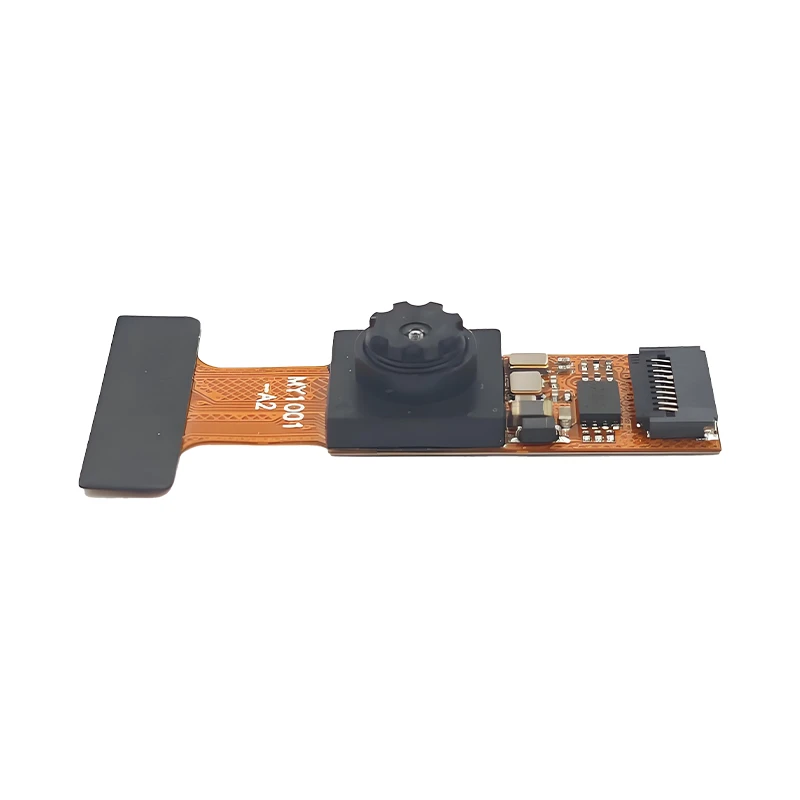
MY-1001-A2 AI Tracking, Gesture Recognition, Sitting Posture Detection Smart Camera Module
-
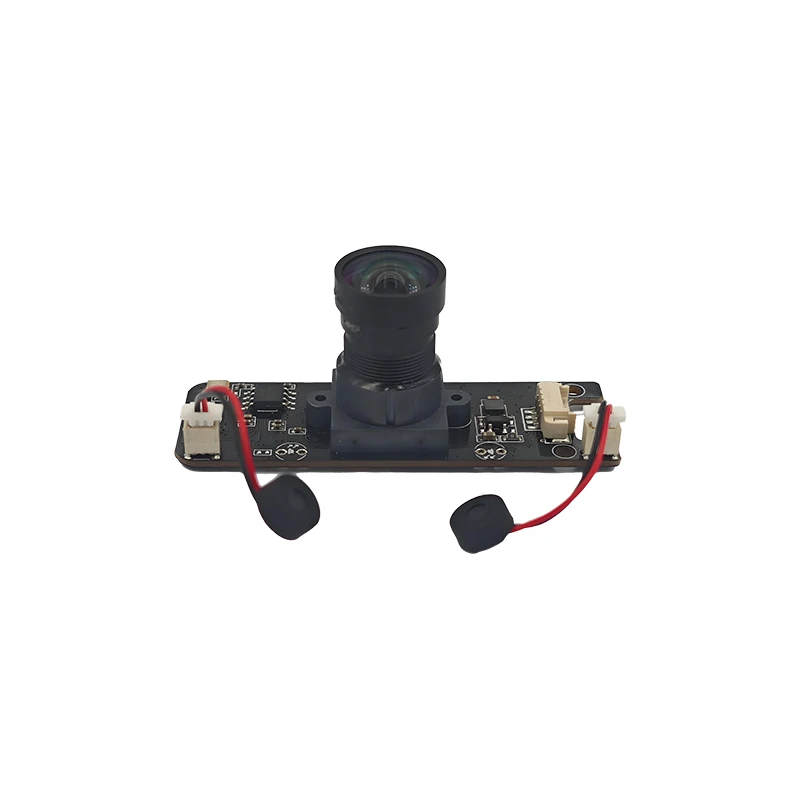
MY-USB8M158A 4K Resolution HD Video Driver-Free USB Camera Module With Microphone
