


Dec . 02, 2025 15:48 Back to list
What Is a 1080p FHD Webcam? Benefits, Uses & Future Trends
The 1080p FHD Webcam: A Clear Look Into a Vital Tech Tool
Understanding the 1080p FHD webcam isn’t just about chatting clearer on Zoom or getting better pictures for your selfies. Globally, this technology is a backbone for countless industries — from telehealth consultations in remote areas to virtual classrooms that bridge continents. Its high-definition clarity matters more than ever in a digital world craving authentic, reliable visual communication. Today, let’s explore this technology's essence, its practical uses across the globe, and why it’s a significant tool in our connected lives.
Introduction: Why the 1080p FHD Webcam Matters Worldwide
In a world leaning ever deeper into remote interactions, the demand for quality webcams has skyrocketed. According to the International Telecommunication Union (ITU), internet penetration reached nearly 65% globally by 2023, fueling the surge in virtual meetings, streaming, and online education. The 1080p FHD webcam answers the call for sharper images and smoother communication. The challenge? Ensuring people worldwide, regardless of bandwidth or hardware constraints, have access to reliable video tools that foster genuine connection.
Defining the 1080p FHD Webcam
Simply put, a 1080p FHD webcam captures and streams video at 1920 x 1080 pixel resolution — that’s “Full High Definition.” Compared to older VGA or 720p cams, it offers a crystal-clear picture, delivering much richer color depth and detail. These webcams have become crucial in industries that rely on visual accuracy — like telemedicine, online education, and business conferencing — supporting both technical precision and human empathy.
Core Components of the 1080p FHD Webcam
1. Image Sensor Quality
The heart of any webcam, the sensor, determines picture clarity. Most 1080p webcams employ CMOS sensors that balance power efficiency with crisp image capture. Superior sensors reduce noise in low light—a common annoyance.
2. Lens and Field of View
Wide-angle lenses (typically 70° to 90°) ensure more of your surroundings are visible — perfect for group calls or presentations. Meanwhile, autofocus lenses keep your image sharp even when you move around.
3. Frame Rate
Typical 1080p webcams shoot at 30 frames per second (fps), which makes motion smooth without taxing processing power. Some premium models offer 60fps for ultra-smooth streaming experiences.
4. Built-In Microphone
Good webcams integrate dual microphones, often with noise cancellation, delivering clear audio alongside crisp visuals—critical for seamless online communication.
5. Connectivity Options
USB 2.0 remains the norm for plug-and-play simplicity, but USB 3.0 and USB-C ports offer faster data transfer and future-proofing.
| Feature | Details |
|---|---|
| Resolution | 1920 x 1080 pixels (Full HD) |
| Frame Rate | 30 fps (60 fps on premium models) |
| Lens Type | Autofocus, 70°–90° field of view |
| Microphone | Dual noise-cancelling microphones |
| Connectivity | USB 2.0 / USB 3.0 / USB-C |
Global Applications: Where 1080p FHD Webcams Truly Shine
These cameras do a lot more than make your video chats look better. Consider telemedicine programs in rural Africa, where high-res visuals enable doctors to diagnose skin conditions remotely. Or think of universities in Asia expanding online curricula, relying on 1080p webcams to maintain classroom engagement.
Disaster relief agencies also deploy these webcams in temporary command centers worldwide, improving coordination with clear live feeds. Oddly enough, even creative fields like virtual art shows and live concerts put these webcams to work, breaking geographic barriers.
- Remote healthcare consultations across developing countries
- Distance learning platforms in Europe and Asia
- Business communication for multinational companies in North America
- Humanitarian coordination during global crises
Mini takeaway: The 1080p FHD webcam isn’t just consumer hardware; it’s a critical tool uniting people and professionals in diverse contexts globally.
Advantages and Long-Term Value
Why invest in 1080p FHD webcams? The benefits spread across economic, social, and emotional lines. They’re cost-effective – often affordable even for small organizations. Reliable enough to minimize technical glitches, they save time and frustration.
And sure, they promote accessibility and dignity by creating visual bridges between distant individuals — whether it's a teacher connecting with a student or a patient speaking face-to-face with a doctor. These webcams encourage innovation and trust by facilitating authentic conversations even when physical presence isn’t possible.
A Quick Vendor Comparison
| Vendor | Price Range | Special Features | Warranty |
|---|---|---|---|
| LogiTech C920 | $70–$90 | Autofocus, dual mics, wide compatibility | 2 years |
| Microsoft LifeCam HD-3000 | $40–$60 | TrueColor tech, noise-reducing mic | 1 year |
| Razer Kiyo | $90–$120 | Ring light, 60 fps, versatile use | 1 year |
Future Trends and Innovations
Looking ahead, 1080p FHD webcams stand at a crossroads of exciting progress. One trend is integration with AI-powered features — like automatic framing and enhanced low-light correction. Plus, manufacturers are pushing greener components and lower-energy consumption as part of their sustainability goals.
We might even see hybrid webcams that merge FHD with 4K in affordable models, blending ultra-HD quality with practicality. Augmented reality overlays to enrich remote collaboration and health diagnostics could become standard too, if standards bodies like ISO and IEEE finalize protocols soon.
Challenges and Effective Solutions
That said, hurdles exist. Network limitations and inconsistent lighting conditions often hamper video quality despite great webcams. Also, not every user has the technical savvy to optimize settings fully — which can tarnish seemingly stellar tech.
How do we tackle these? Developers suggest smart auto-adjust algorithms and browser-based calibration tools. Meanwhile, organizations can offer user education and invest in quality peripherals—like external lighting—to boost results. But ultimately, infrastructure improvements remain essential.
FAQ: Your 1080p FHD Webcam Questions Answered
-
Q: What are the benefits of a 1080p FHD webcam over lower resolution cameras?
A: The main advantage lies in clearer images and better detail, enhancing communication quality. This reduces eye strain and misunderstanding during calls, especially important in professional or educational settings. -
Q: Can 1080p FHD webcams work well in low-light environments?
A: While many modern webcams feature low-light correction, performance varies. Adding external lighting or choosing models with advanced sensors helps maintain good image quality in dim environments. -
Q: Are 1080p FHD webcams compatible with all video conferencing platforms?
A: Yes, most are plug-and-play with popular platforms like Zoom, Teams, and Google Meet, assuming the user’s computer meets minimal system requirements. -
Q: How long do these webcams typically last in professional use?
A: With proper care, 1080p webcams can last 3–5 years or more. Warranty periods vary, but hardware upgrades often depend on evolving software needs rather than physical lifespan.
Conclusion: Why the 1080p FHD Webcam Is Indispensable
From telemedicine desks to remote classrooms, the 1080p FHD webcam bridges gaps that geography and circumstance create. It promises clearer, more trustworthy connections, bringing people closer without the need to be physically present. Investing in this technology means embracing a future where digital interaction feels just a bit more human.
If you want to explore options or purchase, visit our website: https://www.szmyccm.com.
In summary, webcams are often an overlooked piece of tech, but when you see the ripple effect across industries and daily life, they're pretty remarkable.
References:
1. International Telecommunication Union (ITU) Data, 2023
2. ISO/IEC Standards on Video Conferencing Media
3. Wikipedia: Video Resolution - https://en.wikipedia.org/wiki/Display_resolution
-
Guide to Raspberry Pi Camera Module v3 with Powered Autofocus
NewsApr.16,2026
-
Guide to Using the raspberry pi camera module v1 3 for IoT Projects
NewsApr.09,2026
-
Exploring the Capabilities of the Raspberry Pi Camera Module 3 Noir for Diverse Applications
NewsApr.07,2026
-
Unlocking Visual Potential with the Raspberry Pi Camera Module 3 for Advanced Projects
NewsApr.04,2026
-
Raspberry Pi Noir Camera Module V2 8MP 1080p30 A Comprehensive Guide for Projects
NewsMar.31,2026
-
Comprehensive Guide to the Raspberry Pi 3 B+ Camera Module and Its Applications
NewsMar.28,2026
-
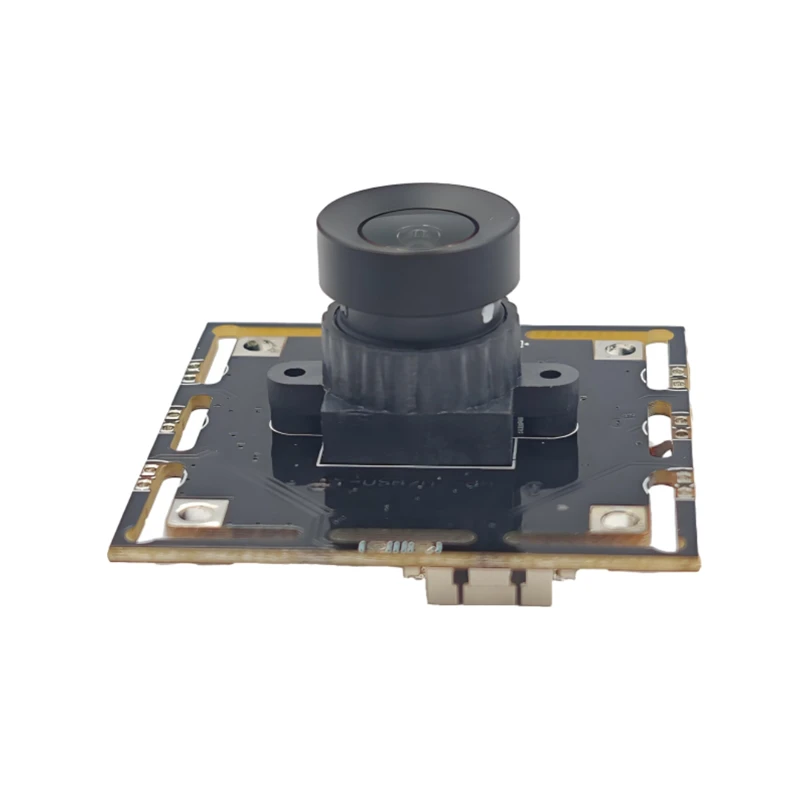
MY-USB1M818A Global Exposure Usb Camera Module With 1mp Hd Video
-
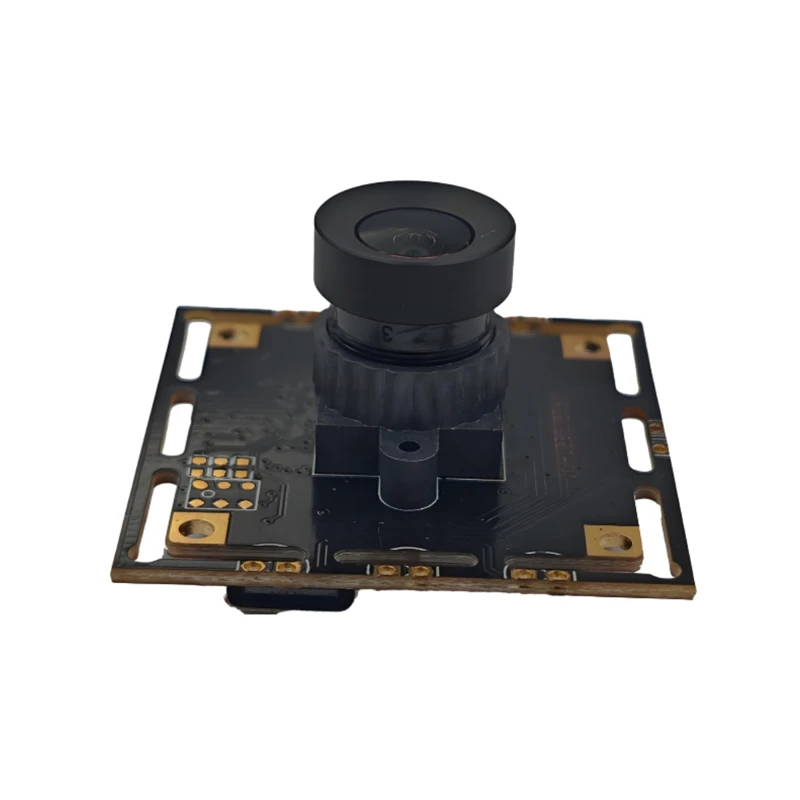
-
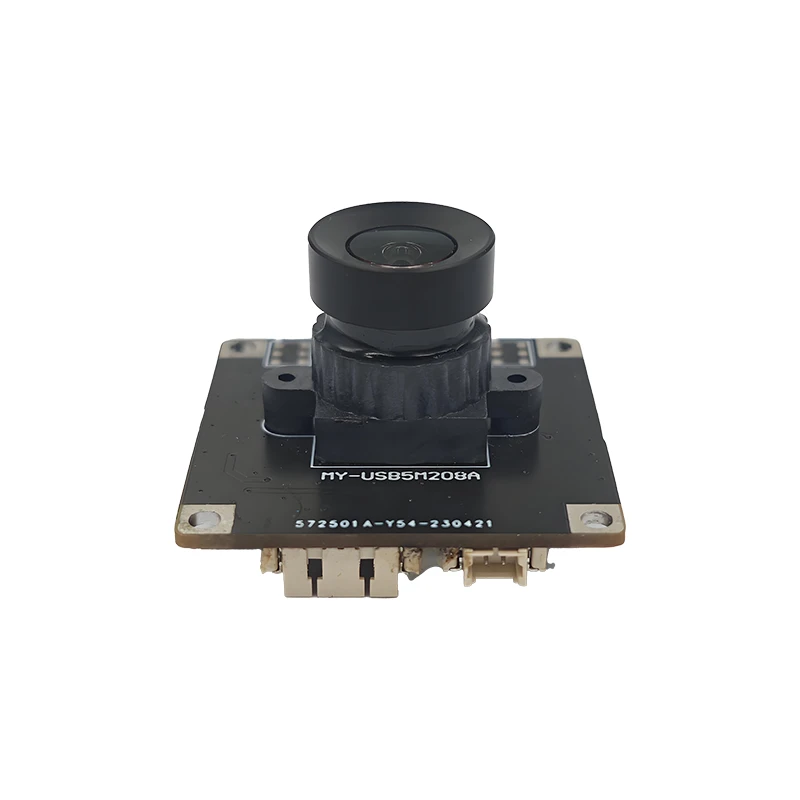
-
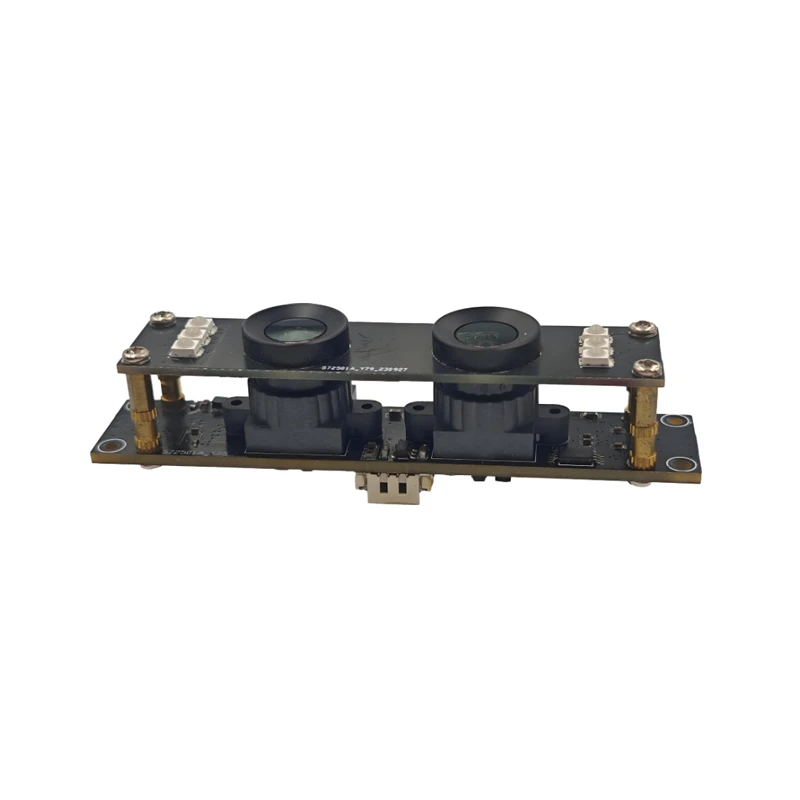
MY-DC52M-A1 Dual Lens Wide Dynamic Range Usb2.0 Camera Module With HD Video 5mp+2mp
-
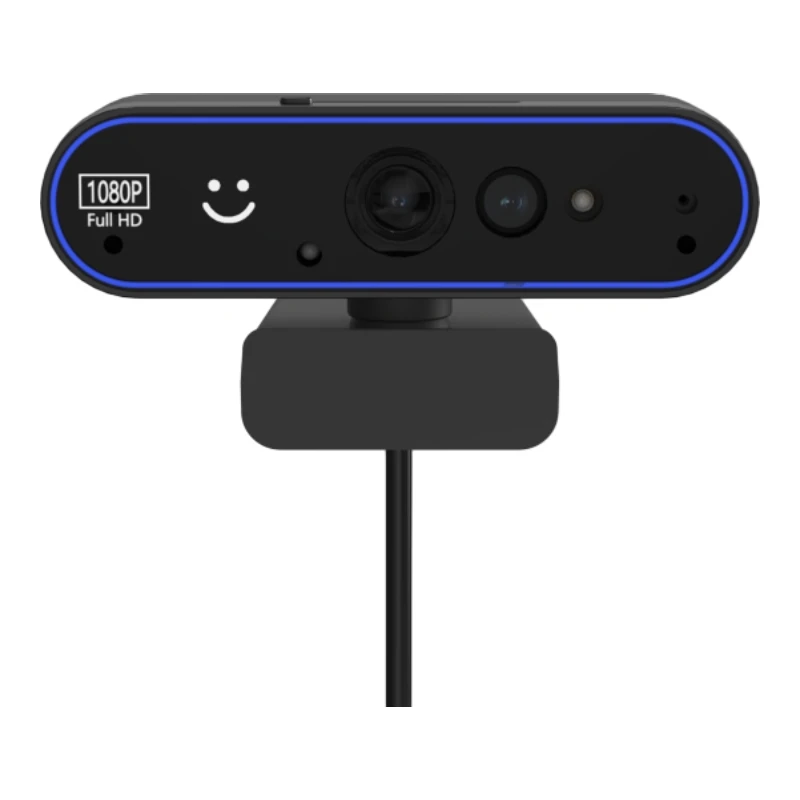
MY-WHC700 Windows Hello Face Recognition Binocular USB Camera
-

MY-DC-260-A1 Dual Lens Usb2.0 Web Camera With High-definition Video 2mp+2mp
-
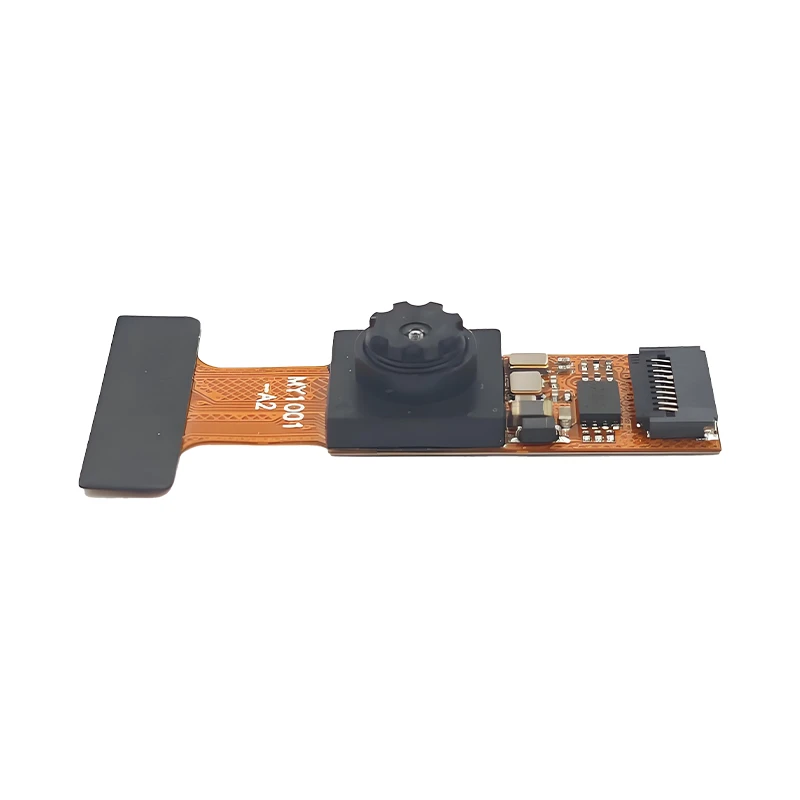
MY-1001-A2 AI Tracking, Gesture Recognition, Sitting Posture Detection Smart Camera Module
-
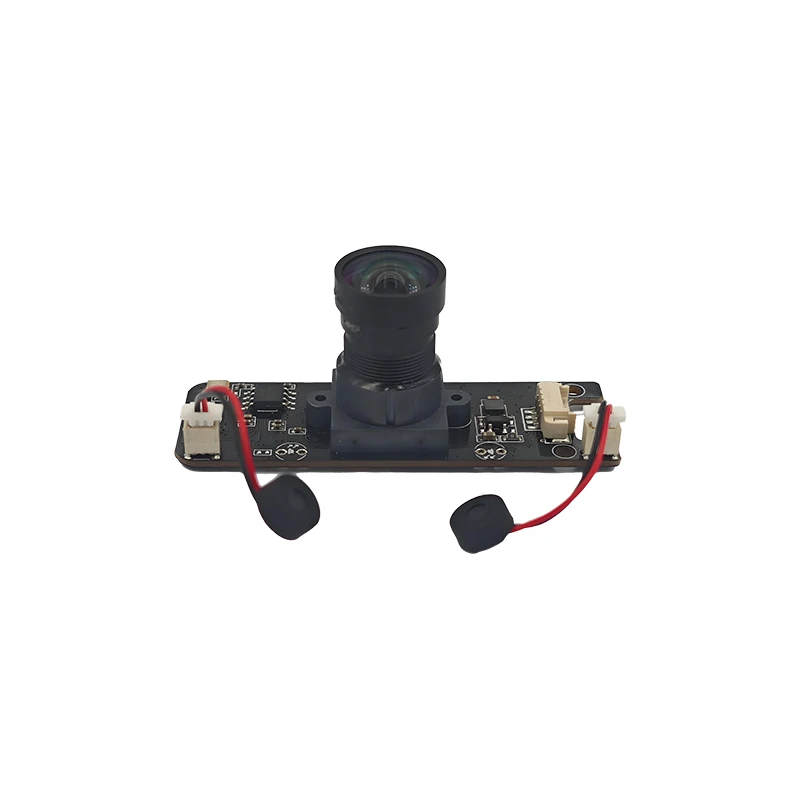
MY-USB8M158A 4K Resolution HD Video Driver-Free USB Camera Module With Microphone
