


Dec . 10, 2025 10:00 Back to list
Affordable USB Camera Modules for Industrial Use – Reliable & Customizable
Choosing the Right Cheap USB Camera Module for Industrial Applications
Having spent years working in the industrial equipment sector, I can tell you there’s something oddly satisfying about finding a cheap USB camera module that punches above its weight. These little gadgets may look simple, but behind that small lens, there’s a whole world of precision engineering, materials science, and firmware magic intertwined.
In real terms, cheap doesn’t always mean low quality, which is a common misconception. Especially now, with advancements in CMOS sensors and standardized interfaces, these modules offer reliable imaging options for various industrial monitoring and automation tasks at a fraction of the cost of traditional machine vision cameras.
I suppose what really sets these modules apart is their flexibility and how you can integrate them pretty seamlessly into existing systems. Many engineers I’ve worked with appreciate the built-in USB interface — no fuss with additional power supplies or drivers, usually. Plus, the compact design means they fit well in tight spaces or embedded devices.
Core Specifications of a Cheap USB Camera Module
| Specification | Typical Value |
|---|---|
| Sensor Type | 1/4" CMOS |
| Resolution | 640×480 (VGA) to 1920×1080 (Full HD) |
| Interface | USB 2.0 / 3.0 |
| Frame Rate | Up to 60 fps (varies by resolution) |
| Lens | Fixed focal length, option for C-mount |
| Dimensions | Approx. 30×30×20 mm |
| Power Consumption | Around 250 mA @ 5 V |
What I find quite useful — and this might be just me — is the balance of frame rate and resolution. You don’t often need ultra-high-res images for simple monitoring or barcode scanning, so a 640×480 resolution at 30 fps covers most bases while keeping cost and processing power low. That’s a real win in the field.
Testing in a real industrial environment often reveals the trickier parts like electromagnetic interference or harsh temperatures. Cheap USB camera modules sometimes take a hit here, but many vendors are stepping up, offering models with reinforced casings or wider operating temperature ranges.
Vendor Comparison: What to Watch For
| Vendor | Price Range | Customization Options | Build Quality | Tech Support |
|---|---|---|---|---|
| SZMYCCM | $12–$25 | Lens, interface, firmware tweaks | Robust with optional IP65 casing | Responsive, multilingual |
| Generic OEM Supplier | $8–$15 | Limited or none | Basic plastic housing | Minimal |
| Brand XYZ | $20–$40 | Extensive, including custom firmware | High-grade metal casing | Strong, global coverage |
From experience, if your application is simple and cost-sensitive, a guy like me tends to lean toward reliable suppliers like SZMYCCM. I had a client last year installing USB cameras on conveyor belts for visual inspection. Their tight budget made these modules attractive, yet the quality and support helped avoid typical startup headaches.
Customization options can also make a big difference. For instance, tweaking lens focus or firmware tweaks to adapt exposure settings to tricky lighting conditions goes a long way. Not every cheap module offers that level of flexibility, frankly. And trust me, it’s appreciated in the field.
In summary, a cheap USB camera module isn’t just a bargain-bin gadget — it’s often a robust, versatile component fit for a variety of light industrial tasks. Whether it’s for simple monitoring or part of an automated quality assurance line, these modules offer practical advantages that punch well above their price tag.
Oddly enough, working through these product lines reminds me how industrial tech is sometimes about the little things — a quiet, dependable imaging module quietly doing its job while the factory hums around it.
Final takeaway: when shopping for a cheap USB camera module, remember to balance specs, build quality, and support to get the most for your buck — and maybe look closely at specialists like SZMYCCM.
References:
1. Industry field reports on USB camera integration, 2022.
2. SZMYCCM product datasheets and user manuals.
3. Interviews with industrial automation engineers, 2023.
-
Guide to Raspberry Pi Camera Module v3 with Powered Autofocus
NewsApr.16,2026
-
Guide to Using the raspberry pi camera module v1 3 for IoT Projects
NewsApr.09,2026
-
Exploring the Capabilities of the Raspberry Pi Camera Module 3 Noir for Diverse Applications
NewsApr.07,2026
-
Unlocking Visual Potential with the Raspberry Pi Camera Module 3 for Advanced Projects
NewsApr.04,2026
-
Raspberry Pi Noir Camera Module V2 8MP 1080p30 A Comprehensive Guide for Projects
NewsMar.31,2026
-
Comprehensive Guide to the Raspberry Pi 3 B+ Camera Module and Its Applications
NewsMar.28,2026
-
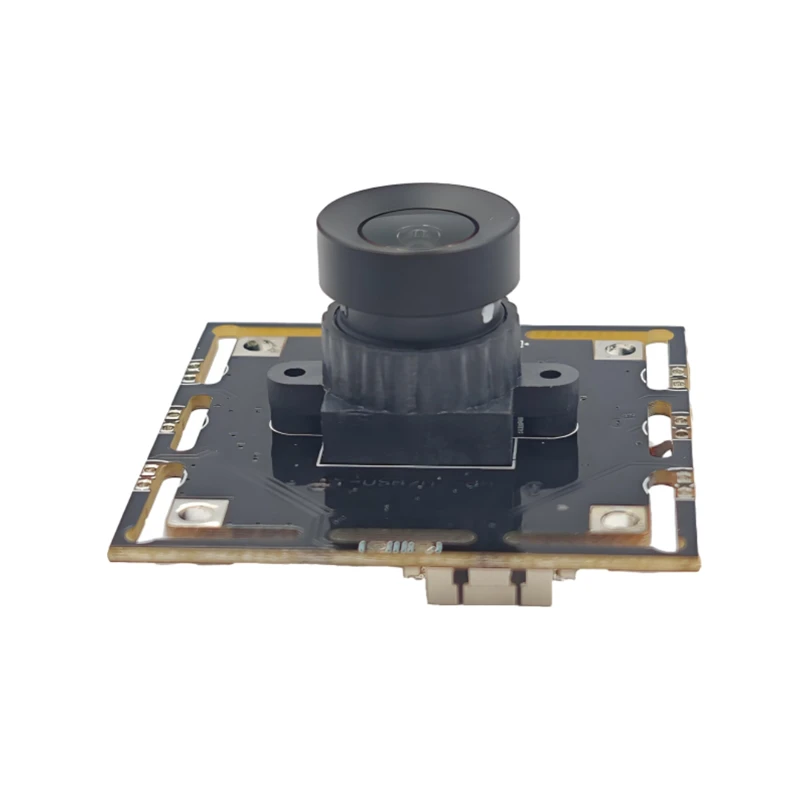
MY-USB1M818A Global Exposure Usb Camera Module With 1mp Hd Video
-
-
-
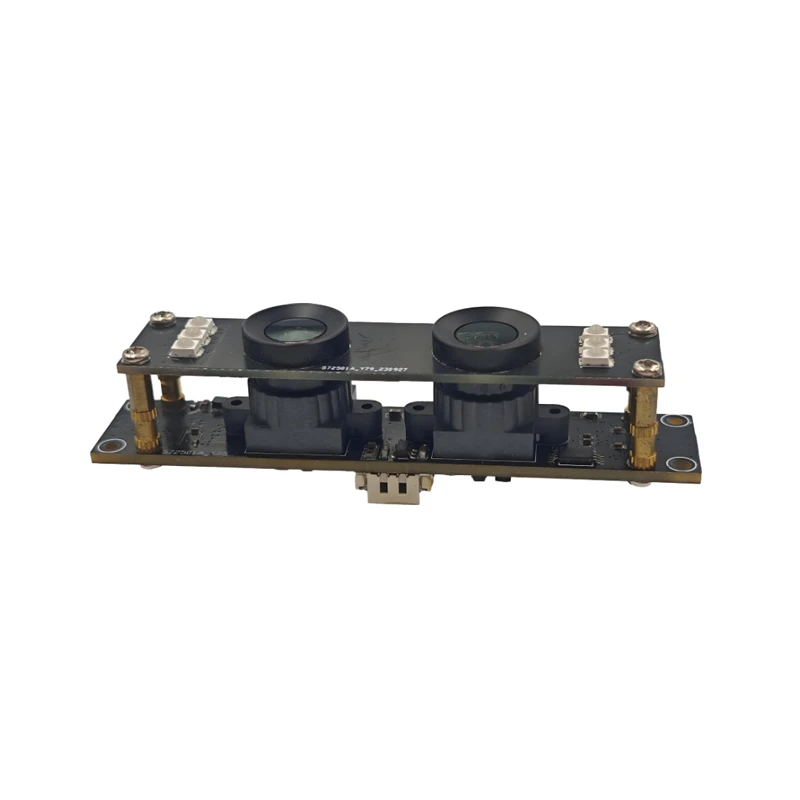
MY-DC52M-A1 Dual Lens Wide Dynamic Range Usb2.0 Camera Module With HD Video 5mp+2mp
-
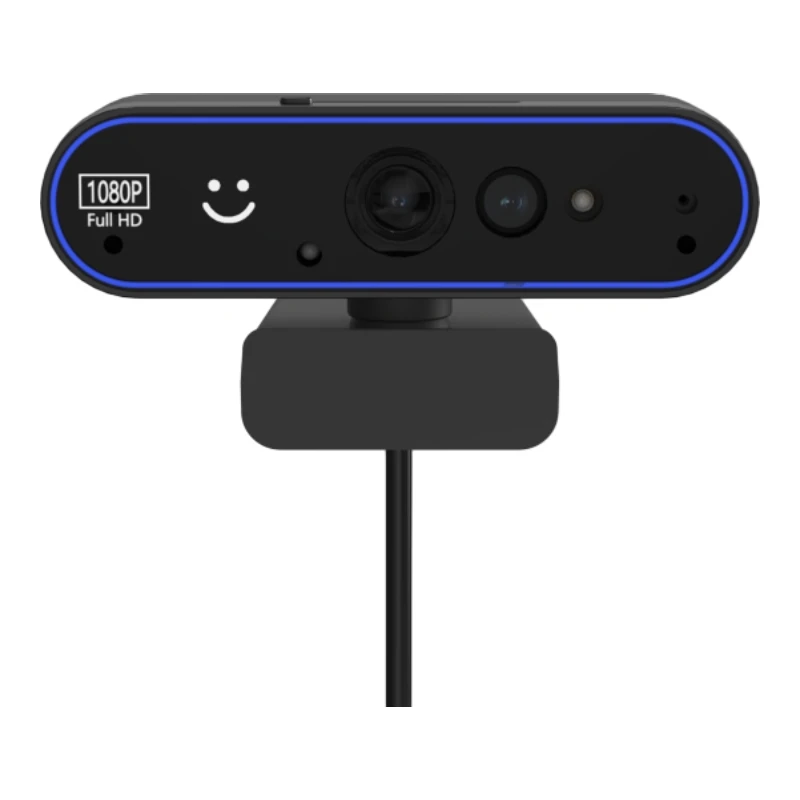
MY-WHC700 Windows Hello Face Recognition Binocular USB Camera
-

MY-DC-260-A1 Dual Lens Usb2.0 Web Camera With High-definition Video 2mp+2mp
-
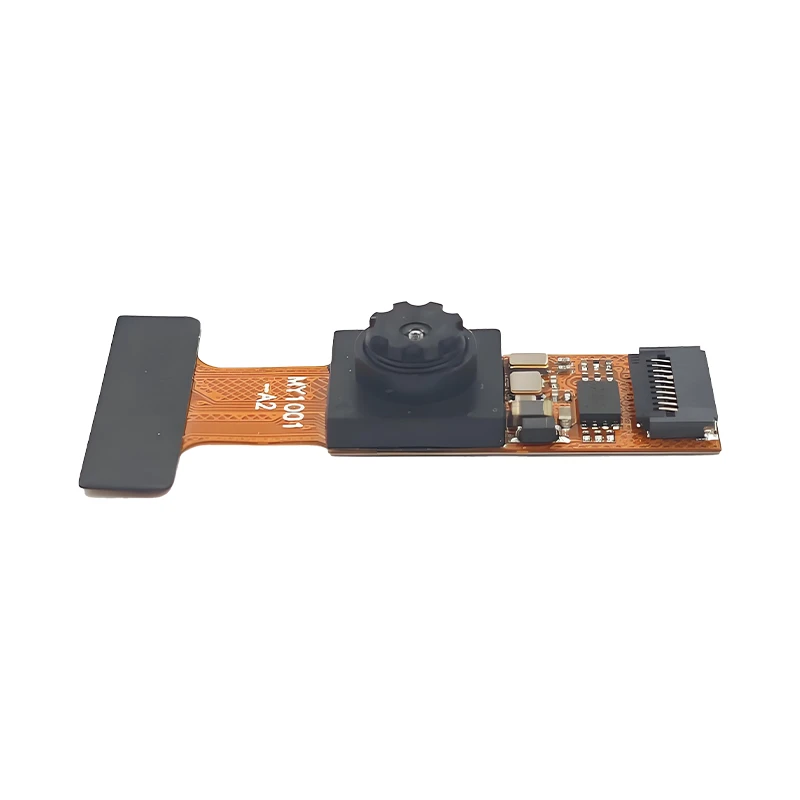
MY-1001-A2 AI Tracking, Gesture Recognition, Sitting Posture Detection Smart Camera Module
-
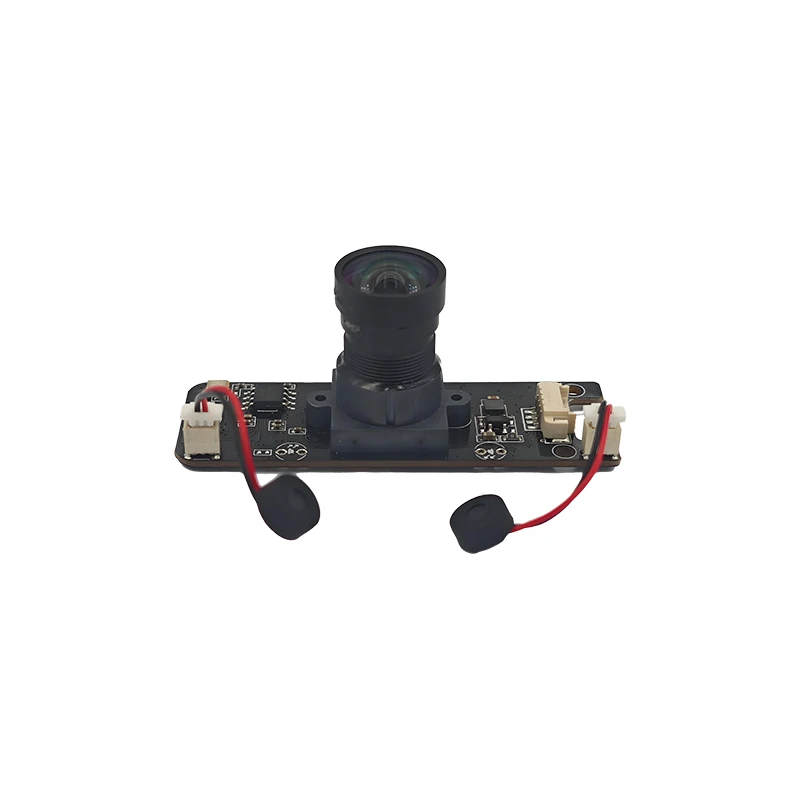
MY-USB8M158A 4K Resolution HD Video Driver-Free USB Camera Module With Microphone
