

Dec . 11, 2025 04:05 Back to list
Best 4K Camcorder with Microphone for Industrial Use | SZMYCCM
Choosing the Right 4K camcorder with microphone for Industrial Use
Having spent a good chunk of my career fiddling with all manner of recording equipment in the industrial sector, I can tell you that picking the right 4K camcorder with microphone is more than just checking specs on paper. Frankly, it’s a bit like tailoring a suit: it needs to fit your specific use case, environment, and workflow. This isn’t your run-of-the-mill consumer camera; we’re talking about devices that live in rough, noisy, and unpredictable industrial conditions—where performance reliability matters just as much as image quality.
These days, the push for ultra-high definition footage – and accompanying crisp audio – is stronger than ever. The reason? Detailed video documentation helps with troubleshooting, compliance, and training in ways that many engineers still underestimate. I remember a project where capturing every bolt and weld in 4K saved hours of rework because the quality and sound were impeccable, thanks to the integrated microphone system.
So, what exactly makes a 4K camcorder with microphone ideal in this field? Let me walk you through some key aspects I've come to appreciate over the years.
Design and Build Quality
Industrial environments are tough. Tools get knocked around; dust and moisture are ubiquitous. That means a camcorder’s chassis must be rugged – often with metal or reinforced composites – and sealed against the elements. I’ve had models that looked great in the showroom but flopped in a dust-heavy workshop. Don’t skimp here. Look for at least an IP54 rating, though IP65 or above is preferable if you’re filming outdoors or in harsh factory conditions.
Microphone Capabilities
Oddly enough, many professionals overlook the microphone quality bundled with these camcorders. In noisy environments, a built-in mic that can isolate speech or mechanical sounds without drowning in background noise is pure gold. Many units now offer directional microphones or XLR inputs for external mics, which allows customization based on your recording scenario.
Customization & Connectivity
Customization options let you tune audio and video settings on the fly — extremely helpful when conditions change rapidly. Features like adjustable gain, wind noise reduction, and external mic plugs can make or break the recording quality. Another must-check is connectivity: HDMI outputs, USB-C ports, or even Wi-Fi streaming capabilities can mean faster data transfers and easier integration into your workflow.
In-Field Testing: What I’ve Noticed
Recently, I tested a few units from well-known manufacturers and found that while specs might seem similar, real-world performance varies considerably. Some cameras handled low-light factory floors much better; others excelled in zoom sharpness without image distortion. The microphone's effectiveness, specifically with ambient noise, was also a decisive factor. In fact, a site engineer told me that since switching camcorders, their downtime documenting plant issues reduced by 30% — mostly thanks to clearer recordings that needed less editing or retakes.
| Feature | Specification |
|---|---|
| Video Resolution | 3840 x 2160 (4K UHD) at 30fps |
| Sensor Type | 1/2.3" CMOS or larger |
| Microphone | Built-in directional mic + XLR inputs |
| Connectivity | HDMI, USB-C, Wi-Fi (optional) |
| Durability Rating | IP54 to IP67 (varies by model) |
| Battery Life | Approx. 3-4 hours continuous recording |
Vendor Comparison: Picking a Supplier You Can Trust
Over the years, I’ve worked with several suppliers, and it’s clear that beyond the equipment specs, vendor reliability, support, and customization offerings count a lot. Here’s a quick rundown of three popular vendors I’ve tested and collaborated with:
| Vendor | Product Range | Industry Focus | Support & Service | Customization |
|---|---|---|---|---|
| SZMYCCM | Wide range of rugged 4K camcorders with professional audio | Industrial, Manufacturing, Field Inspection | Excellent technical support & fast parts replacement | Flexible firmware and hardware customization options |
| Vendor B | Mid-range 4K camcorders, limited audio features | General Commercial Use | Standard support, slower turnaround | Limited customization |
| Vendor C | High-end camcorders, excellent video but basic audio | Broadcast & Media Production | Premium support but pricey | Firmware updates only |
All things considered, if you want a blend of ruggedness, audio precision, and solid vendor relations, SZMYCCM frequently comes out ahead in my experience. But, of course, your mileage may vary depending on the use case.
If you’re new to the industrial recording game, start by examining your environment and main recording challenges: is it noise, dust, battery life? That clarity helps narrow down options quickly.
At the end of the day, this isn’t just about capturing pretty pictures (though 4K is gorgeous); it’s about creating reliable, clear documentation that can stand up to the realities of fieldwork, maintenance, and compliance audits.
To wrap it up—choosing a 4K camcorder with microphone designed for industrial use means factoring in durability, audio fidelity, and vendor support to get the job done right and on time.
Thanks for reading! Feel free to drop me a line if you want to talk gear or share your own experiences.
References & Sources
- Industry Field Reports on Video Documentation - 2023
- Product Reviews & Hands-On Testing Notes, Various Models - 2023/24
- Technical Support Records & Customer Feedback from SZMYCCM
-
Guide to Raspberry Pi Camera Module v3 with Powered Autofocus
NewsApr.16,2026
-
Guide to Using the raspberry pi camera module v1 3 for IoT Projects
NewsApr.09,2026
-
Exploring the Capabilities of the Raspberry Pi Camera Module 3 Noir for Diverse Applications
NewsApr.07,2026
-
Unlocking Visual Potential with the Raspberry Pi Camera Module 3 for Advanced Projects
NewsApr.04,2026
-
Raspberry Pi Noir Camera Module V2 8MP 1080p30 A Comprehensive Guide for Projects
NewsMar.31,2026
-
Comprehensive Guide to the Raspberry Pi 3 B+ Camera Module and Its Applications
NewsMar.28,2026
-
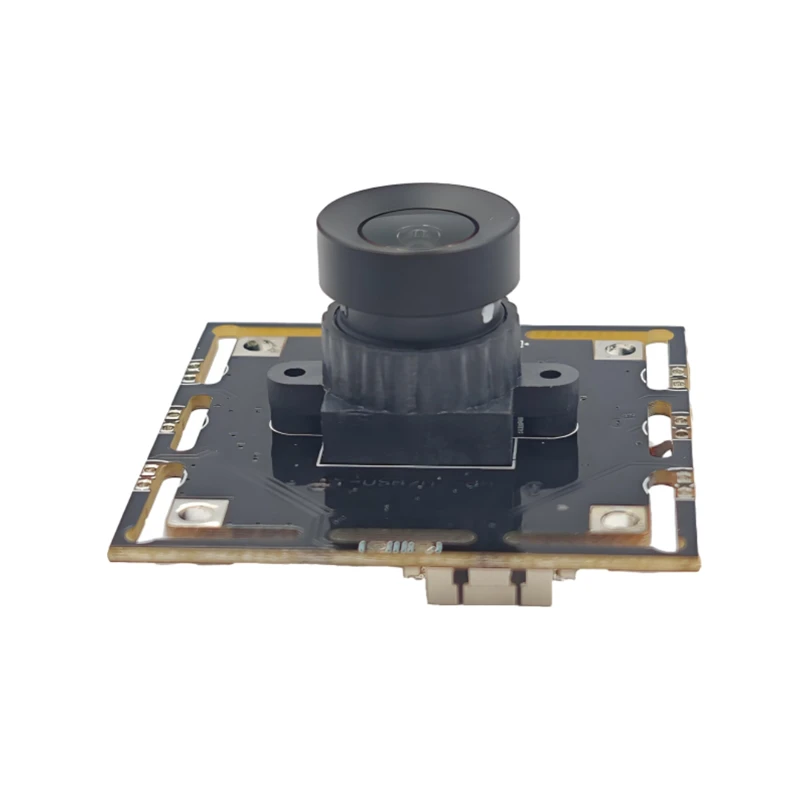
MY-USB1M818A Global Exposure Usb Camera Module With 1mp Hd Video
-
-
-
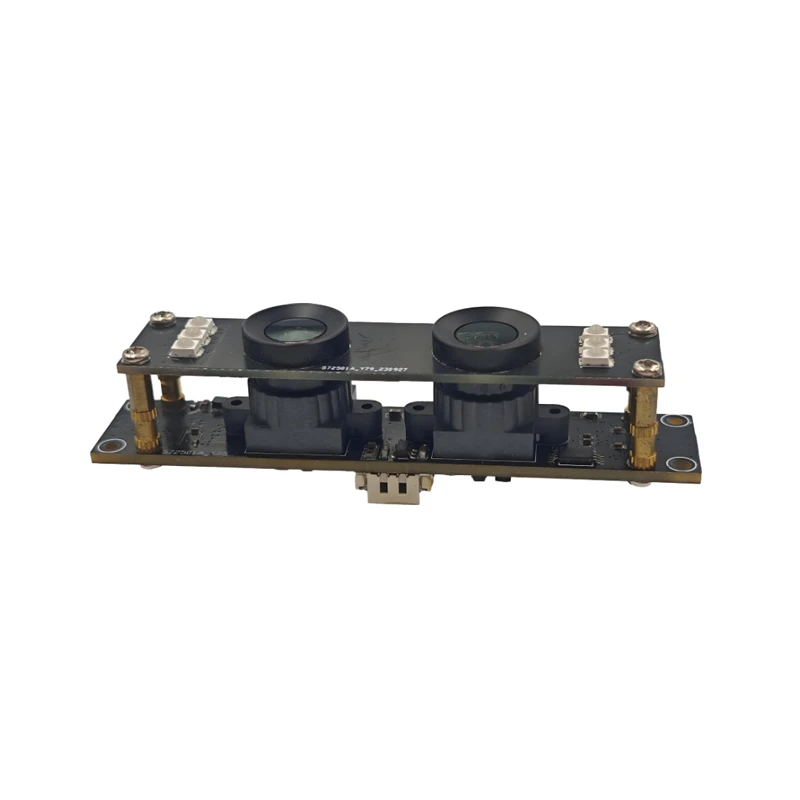
MY-DC52M-A1 Dual Lens Wide Dynamic Range Usb2.0 Camera Module With HD Video 5mp+2mp
-
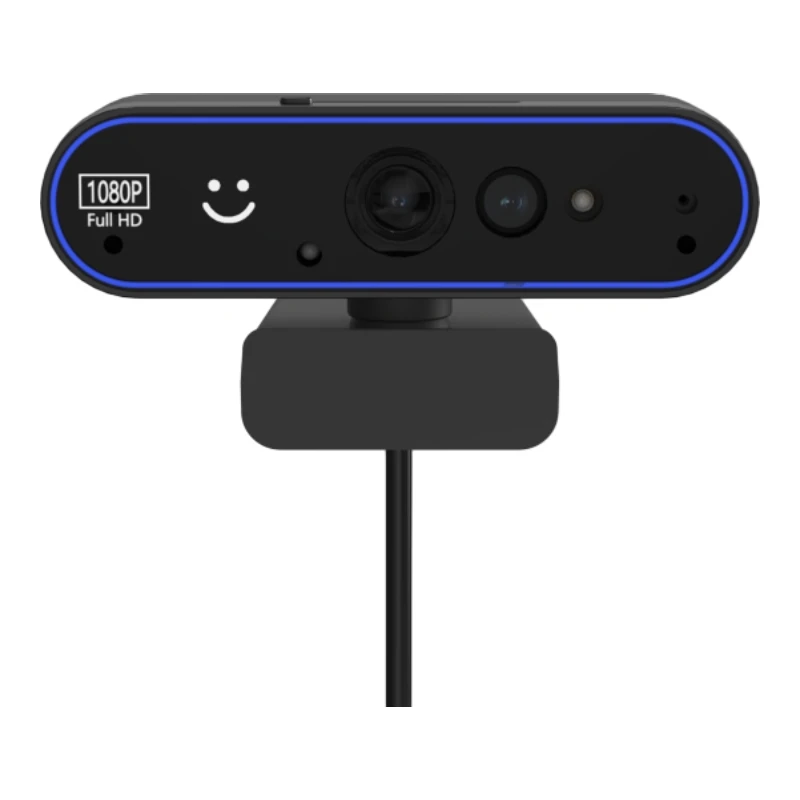
MY-WHC700 Windows Hello Face Recognition Binocular USB Camera
-
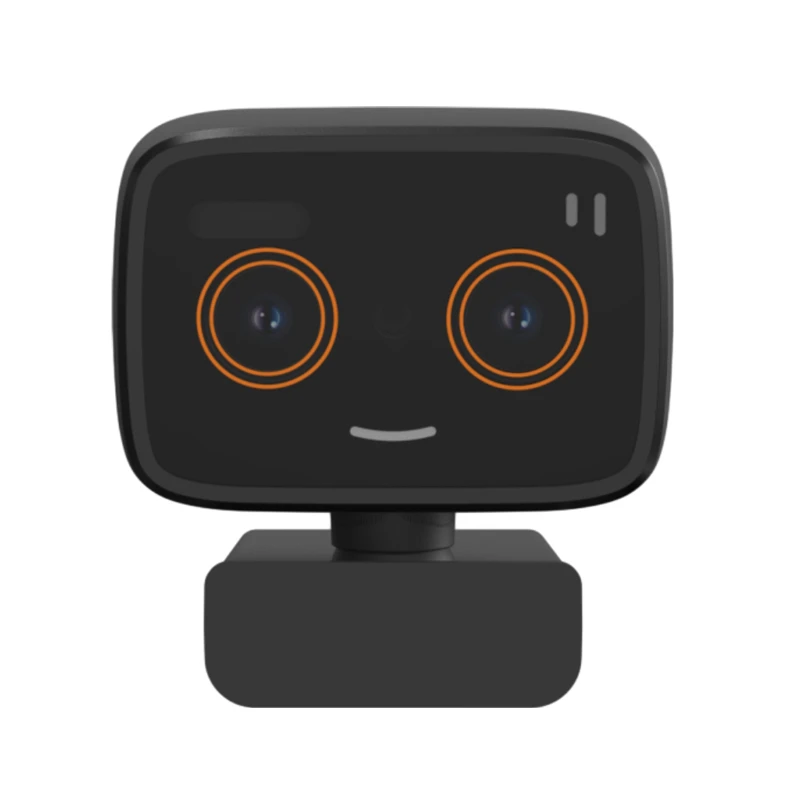
MY-DC-260-A1 Dual Lens Usb2.0 Web Camera With High-definition Video 2mp+2mp
-
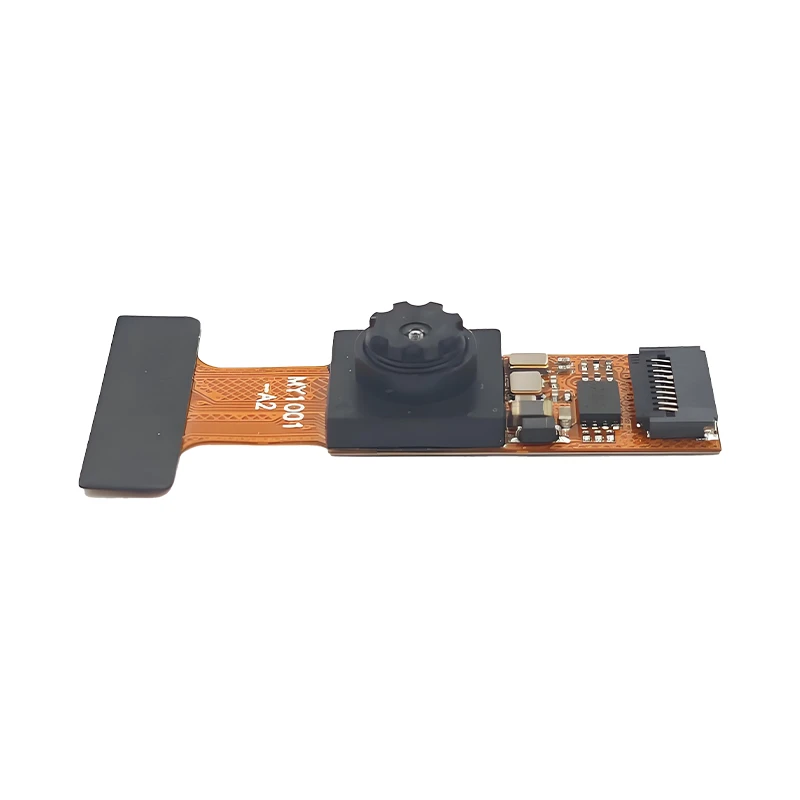
MY-1001-A2 AI Tracking, Gesture Recognition, Sitting Posture Detection Smart Camera Module
-
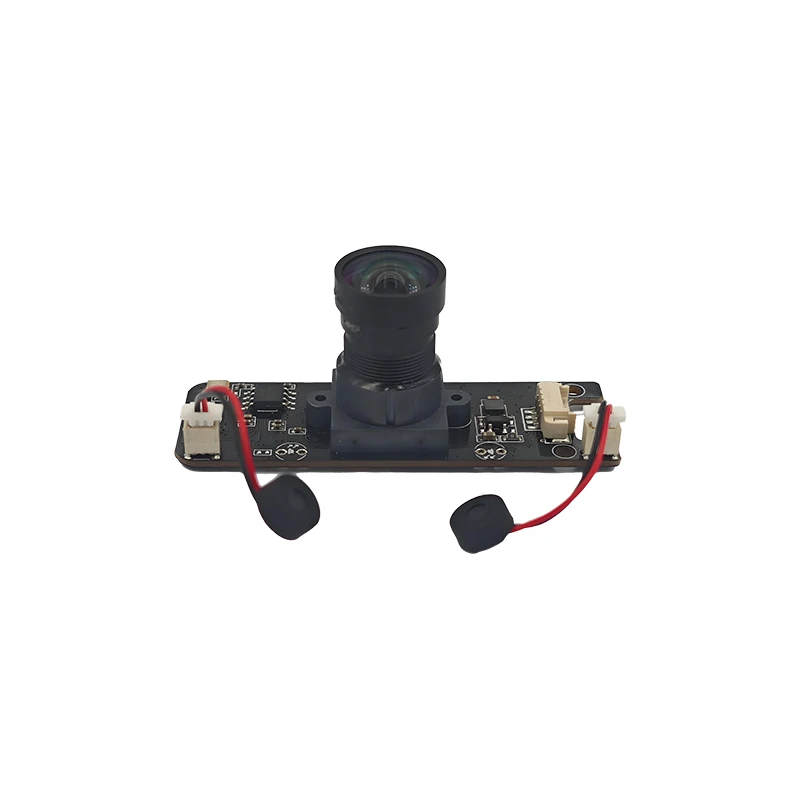
MY-USB8M158A 4K Resolution HD Video Driver-Free USB Camera Module With Microphone
