


Dec . 03, 2025 15:02 Back to list
Camera Mic Speaker: Industrial Audio Component Insights & Supplier Guide
Why the Camera Mic Speaker Is a Game Changer in Industrial Equipment
Having spent well over a decade in the industrial equipment sector, I can honestly say that sometimes the smallest parts make the biggest difference. Take the camera mic speaker—an oddly important little component that’s often overlooked, yet it plays a crucial role in modern systems. Whether you’re integrating it into surveillance setups, inspection cameras, or communication devices, this piece of tech subtly changes how operators interact with machines.
Frankly, when I first encountered a camera mic speaker embedded in an industrial camera system, I didn’t think much of it. But over time, especially during on-site checks in noisy factories or remote inspection points, I realized how vital clear audio feedback really is. It’s not just for convenience; it’s about safety and efficiency—being able to listen and speak through the same device reduces the chance of miscommunication or missing crucial audio cues amidst clatter.
The Design and Material Choices
In real terms, a good camera mic speaker blends compactness with ruggedness. The materials need to withstand vibrations, temperature changes, and dust infiltration. Many units use high-grade ABS plastic housings with fine mesh covers, offering sound clarity without sacrificing durability. Then there’s the diaphragm and magnetic components inside—which vary by manufacturer but need to be balanced just right to capture crystal-clear sound while minimizing distortion.
One time, an engineer I know swapped out a cheaply made speaker for a better model, and immediately the difference was noticeable during remote asset inspections. Voices were clearer, and background noise was filtered more effectively. It felt a little like upgrading from scratchy radio static to FM.
| Specification | Details |
|---|---|
| Frequency Response | 300 Hz – 10 kHz |
| Impedance | 32 Ω ± 15% |
| Size | 20 mm diameter x 8 mm thickness |
| Sound Pressure Level (SPL) | 90 dB at 0.1W / 0.1m |
| Operating Temperature | -20°C to +60°C |
| Housing Material | ABS plastic with metal mesh grill |
Choosing the Right Supplier: A Quick Comparison
Oddly enough, not all camera mic speakers are created equal. Over time, I've tested products from leading suppliers, and frankly, the differences can be subtle but critical. Here’s a quick rundown of popular vendors that engineers I trust frequently recommend:
| Vendor | Durability | Sound Quality | Customization | Price Range |
|---|---|---|---|---|
| SZMYCCM | High (IP54+ rated) | Clear, minimal distortion | Custom frequency ranges & sizes | Moderate |
| Industrial Acoustics | Moderate (IP52) | Good, but some hiss | Limited models | Low to Moderate |
| SoundCore Solutions | High (IP65 rated) | Excellent clarity, rich bass | Wide customization options | High |
Based on years on the ground, I lean towards providers like SZMYCCM because they strike a sensible balance: solid build, clear sound, and flexibility—not absurdly expensive either. The ability to get tailored specs, especially in tight industrial setups, is a real advantage.
A Quick Word on Testing and Real-World Usage
Many engineers swear by on-site acoustic testing, simulating the actual environment where the camera mic speaker will be used. This is where specs meet reality—noise levels, echo, and interference can drastically alter perceived quality. So it's worth investing time in testing prototypes or sample units. I've seen cases where swapping a standard speaker for one with a slightly different frequency response cut down operator errors because the audio cues were easier to register.
Also, considering customization, like integrating noise-canceling mic modules in tandem with the speaker, boosts overall communication quality. Not every factory or plant sounds the same, so customizing is kind of a no-brainer.
In conclusion, if you work with camera systems in demanding environments, don’t overlook the camera mic speaker. It’s a small upgrade with outsized impact—important enough to be the unsung hero of your industrial toolkit.
My takeaway? Quality in the small details usually pays off big time.
References:
- Industry standards for audio components in industrial use, IEC 60068-2.
- Field acoustic testing reports, Journal of Industrial Engineering, 2022.
- Manufacturer material datasheets from SZMYCCM and peers.
-
Guide to Raspberry Pi Camera Module v3 with Powered Autofocus
NewsApr.16,2026
-
Guide to Using the raspberry pi camera module v1 3 for IoT Projects
NewsApr.09,2026
-
Exploring the Capabilities of the Raspberry Pi Camera Module 3 Noir for Diverse Applications
NewsApr.07,2026
-
Unlocking Visual Potential with the Raspberry Pi Camera Module 3 for Advanced Projects
NewsApr.04,2026
-
Raspberry Pi Noir Camera Module V2 8MP 1080p30 A Comprehensive Guide for Projects
NewsMar.31,2026
-
Comprehensive Guide to the Raspberry Pi 3 B+ Camera Module and Its Applications
NewsMar.28,2026
-
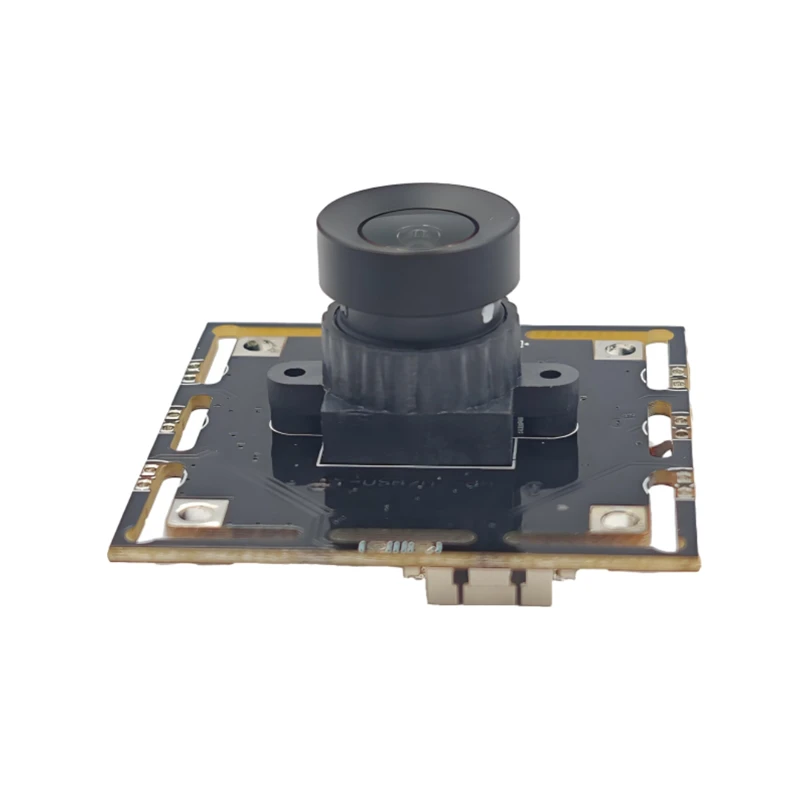
MY-USB1M818A Global Exposure Usb Camera Module With 1mp Hd Video
-
-
-
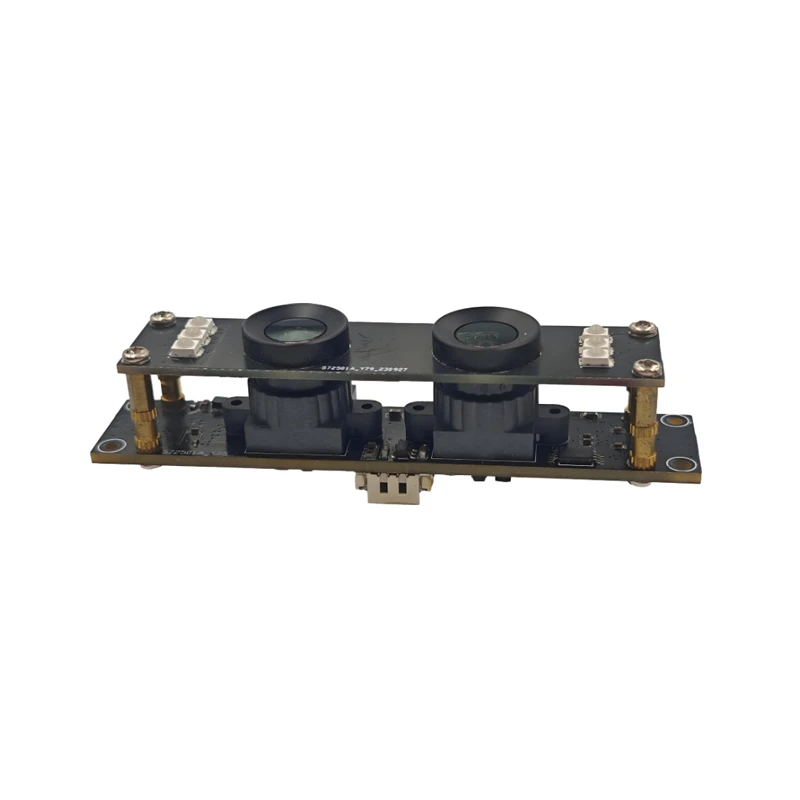
MY-DC52M-A1 Dual Lens Wide Dynamic Range Usb2.0 Camera Module With HD Video 5mp+2mp
-
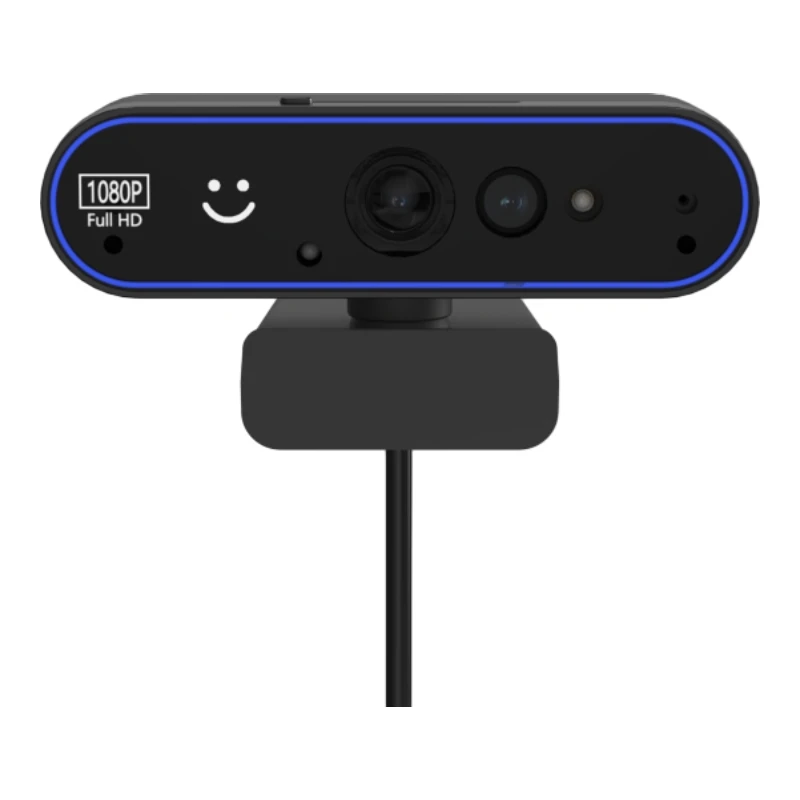
MY-WHC700 Windows Hello Face Recognition Binocular USB Camera
-
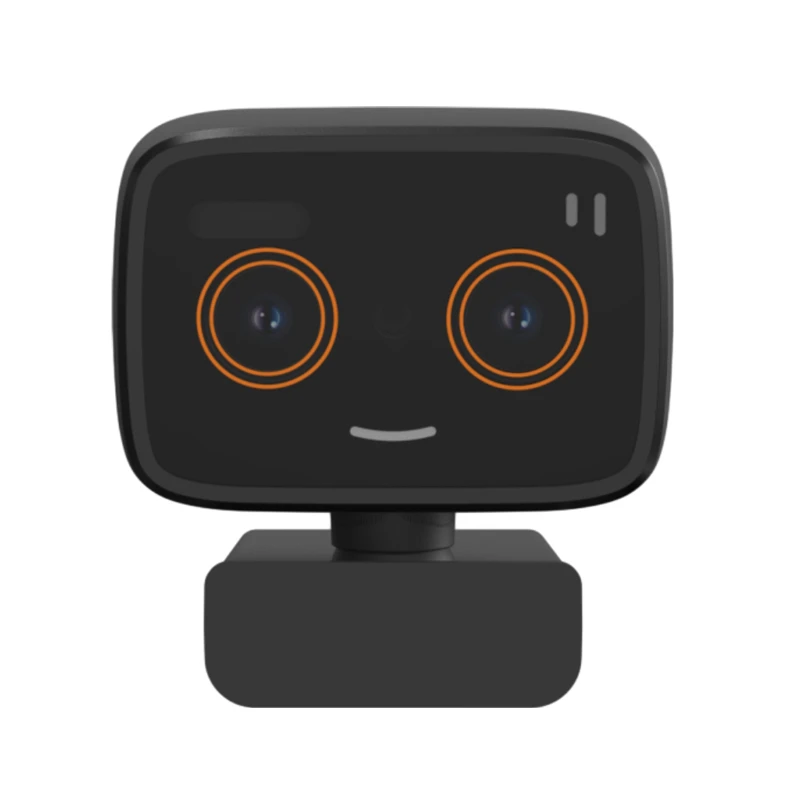
MY-DC-260-A1 Dual Lens Usb2.0 Web Camera With High-definition Video 2mp+2mp
-
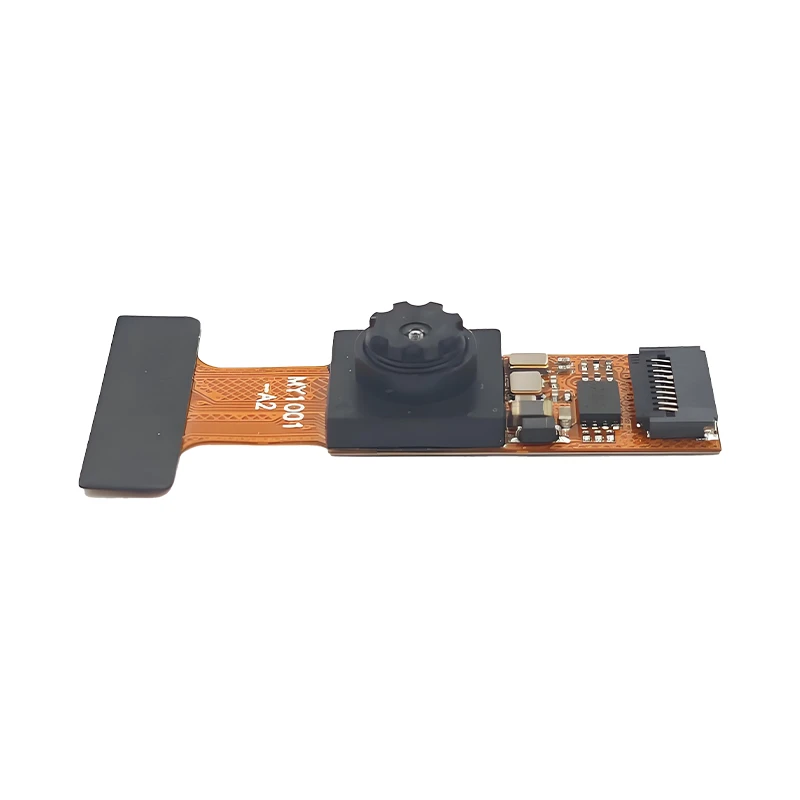
MY-1001-A2 AI Tracking, Gesture Recognition, Sitting Posture Detection Smart Camera Module
-
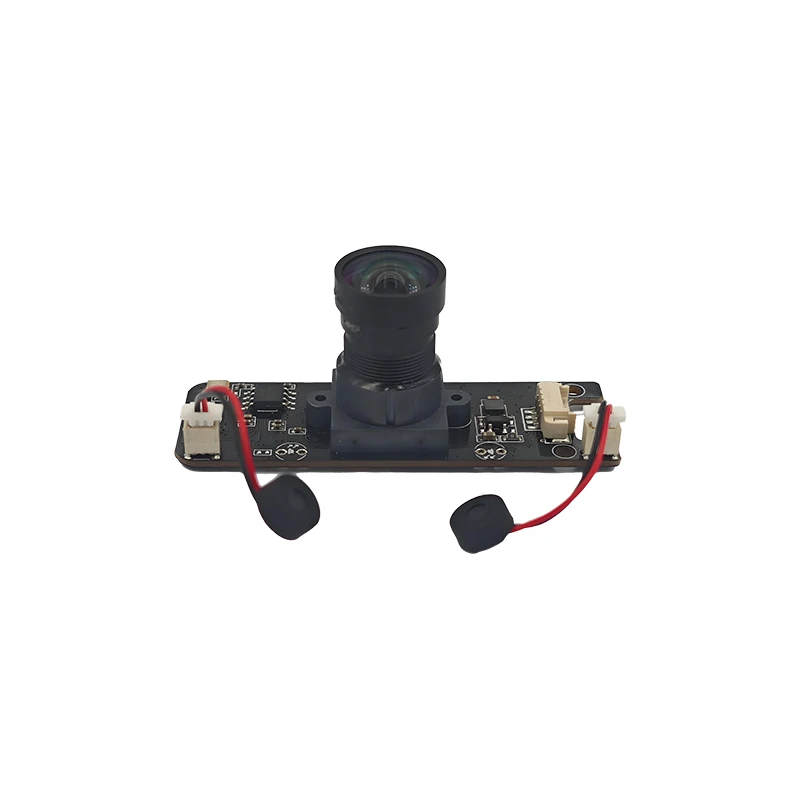
MY-USB8M158A 4K Resolution HD Video Driver-Free USB Camera Module With Microphone
