


Dec . 01, 2025 18:10 Back to list
Comprehensive Guide to 720 Pixel Cameras: Global Applications & Benefits
Understanding the Global Impact of the 720 Pixel Camera
Today, when we think about cameras, 720 pixel cameras might seem a bit behind the times — yet, their significance in both industrial and humanitarian contexts remains surprisingly robust. These cameras, offering a resolution of 1280×720 pixels (HD), strike an interesting balance between image clarity and resource efficiency. Why does this matter globally? Because from remote surveillance to resource-constrained environments, understanding and leveraging 720 pixel cameras can drastically improve operational outcomes where high-end, ultra-high-definition imaging isn’t practical or affordable.
The world increasingly relies on digital imaging for everything from infrastructure monitoring in developing regions to disaster response and safety inspections. The 720 pixel camera is a workhorse that often goes unnoticed but quietly shapes many sectors — it’s a perfect example of how "good enough" tech has enormous practical value.
Global Context: Why 720 Pixel Cameras Matter
According to the International Organization for Standardization (ISO) and the UN technology usage reports, low-to-mid resolution cameras dominate certain sectors, especially in remote or emerging markets where bandwidth, power, and budget constraints exist. Roughly 60% of deployed cameras for surveillance and industrial monitoring worldwide still fall within the 720p to 1080p range.
The challenge? High-definition imaging produces large data that requires more storage, faster networks, and greater power consumption—often scarce in those remote or economically limited regions. The 720 pixel camera addresses this balance elegantly: reliable video quality sufficient for identification and analysis but with far less strain on resources.
What Exactly Is a 720 Pixel Camera?
Simply put, a 720 pixel camera is a digital imaging device that captures video or still images at a resolution of 1280 by 720 pixels. Sometimes called HD or 720p cameras, their clarity is notably sharper than standard definition but not quite at full HD (1080p) levels. This makes them ideal for streaming, recording, or visual inspections without overloading systems.
Their practicality stretches into humanitarian efforts — think refugee camps needing low-bandwidth security systems — or industrial scenarios where consistent monitoring is required but infrastructure is fragile. They bridge the gap between ultra-basic cameras and cutting-edge, costly HD options.
Key Features That Make 720 Pixel Cameras Worth Considering
1. Durability & Reliability
Many 720p cameras are built to withstand harsh conditions — extreme temperatures, dust, humidity — especially models designed for industrial or outdoor use. Manufacturers focus on rugged housings and tested components, because frankly, a camera failing on a remote pipeline is a pain no one wants.
2. Cost Efficiency
Compared to ultra-HD models, 720 pixel cameras are usually more affordable upfront and cheaper to maintain. This low-cost entry point opens doors for deployments in large-scale projects with tight budgets.
3. Lower Bandwidth & Storage Requirements
Video at 720p requires notably less data than 1080p or 4K. This makes 720 pixel cameras ideal where network infrastructure isn’t robust, or power supplies fluctuate. It's a major boon for remote monitoring, where every byte counts.
4. Easy Integration & Scalability
Their compatibility with existing systems often means easier upgrades and greater scalability. Whether it's a municipal CCTV network or an industrial plant, you can add or swap in 720p units without overhauling infrastructure.
5. Decent Image Quality for Identification & Analysis
While not ultra-HD, the image sharpness is sufficient for most identification tasks, motion analytics, and operational oversight in many industries.
Mini Takeaway:
The 720 pixel camera isn't just "low res." It’s a smart compromise to achieve reliability, affordability, and function — reasons that explain its continued global adoption.
720 Pixel Camera Specification Snapshot
| Specification | Details |
|---|---|
| Resolution | 1280 × 720 pixels (HD) |
| Frame Rate | 30-60 fps (typical) |
| Lens Type | Fixed/Varifocal lenses available |
| Connectivity | Wired (Ethernet), Wireless options |
| Power | PoE or DC adapters |
| Weather Resistance | IP66/IP67 ratings available |
Who Benefits From 720 Pixel Cameras? Global Applications & Use Cases
In real terms, 720 pixel cameras find their way into a surprising number of sectors worldwide:
- Disaster Relief Operations: Agencies deploy these cameras quickly in affected zones, for monitoring security or infrastructure damage without straining power or networks.
- Industrial Surveillance: Plants in remote areas, such as mines or oil fields, rely on durable cameras that won’t overload limited connectivity.
- Urban Security Networks: Many cities in emerging economies deploy 720p cameras extensively as a cost-effective crime deterrent and public safety tool.
- Agricultural Monitoring: Cameras help track livestock or greenhouse conditions in patches with modest tech infrastructure.
For example, agencies operating in Southeast Asia have noted that using 720 pixel cameras helped speed up monitoring processes by 30% while cutting data transmission costs nearly in half.
Mini Takeaway:
The versatility of 720p means it fits a wide spectrum of operations, especially when balancing quality with real-world constraints — a common theme in tech deployment globally.
Advantages and Long-Term Value of 720 Pixel Cameras
- Cost Savings: Lower initial investment and maintenance costs make these cameras attractive to budget-conscious projects.
- Energy Efficiency: Less data processing = less power, crucial where solar or limited generators power systems.
- Ease of Use & Installation: Straightforward setups speed deployment, which is critical in emergencies.
- Reliable Baseline Performance: The image quality, while not ultra-HD, is trustworthy enough for identification and event logging.
- Social Impact: Enhances community safety without exorbitant costs, supporting dignity and trust in public spaces.
What Lies Ahead: Future Trends in 720 Pixel Camera Technology
Oddly enough, even modest-resolution cameras are evolving quickly. We’re seeing trends such as:
- Integration with AI and Analytics: Edge computing enables them to “think” locally, analyzing movement or faces without cloud reliance.
- Green Energy Integration: Cameras powered fully by solar or energy-harvesting tech to sustain long-term remote operation.
- Improved Materials: Lighter, more weatherproof casings extend lifespan, even in the harshest environments.
While 4K and beyond hog headlines, the stable evolution of 720 pixel cameras quietly supports digitization efforts around the world.
Common Challenges & Smart Solutions
Of course, 720p cameras have their limits. Image detail can sometimes fall short for detailed forensic work or brand-new AI-driven facial recognition algorithms. Also, lighting conditions massively affect quality.
Experts suggest:
- Pairing 720 pixel cameras with advanced IR or lighting solutions to improve night and low-light performance.
- Using multi-camera setups — a mix of 720p and higher resolutions — for a wider application scope.
- Custom firmware to optimize compression and smart features for minimal bandwidth drain.
FAQ: Common Questions About 720 Pixel Cameras
- Q: Can a 720 pixel camera be used for security surveillance in high-crime areas?
- Absolutely. While ultra-HD cameras offer more detail, 720p models are perfectly capable of capturing clear images suitable for identification and activity monitoring. Their affordability and ease of deployment make them excellent for large area coverage.
- Q: How does the bandwidth requirement of a 720p camera compare to higher resolution models?
- 720p cameras consume roughly half to a third of the bandwidth compared to 1080p or 4K cameras at similar frame rates, which is crucial for networks with limited capacity or unstable connections.
- Q: Are 720 pixel cameras suitable for outdoor industrial monitoring?
- Yes, especially models with IP66 or IP67 weatherproof ratings. They’re commonly deployed in mines, power plants, and agriculture where durability and reliability outweigh pixel count.
- Q: Can 720p cameras support modern AI analytics?
- Many can, especially when paired with edge computing devices. Although image resolution limits detailed facial recognition, motion detection, intrusion alerts, and other analytics work well.
Vendor Comparison: A Quick Look at Popular 720 Pixel Camera Providers
| Manufacturer | Price Range | Durability Rating | Key Features |
|---|---|---|---|
| SecureCam Inc. | $50–$80 | IP66 | PoE, Wide Dynamic Range |
| VisionTech | $70–$110 | IP67 | Night Vision, AI Edge Processing |
| EcoCam Solutions | $60–$95 | IP66/IP67 options | Solar Powered Models, Remote Access |
Conclusion: Why the 720 Pixel Camera Still Matters
In a world hungry for ever-more pixels and newer tech, the humble 720 pixel camera quietly holds its ground. Its balance of decent image quality, low cost, and efficiency makes it a pragmatic choice across many industries and regions—especially where infrastructure or budgets set strict limits. If you wondered whether 720p cameras are passé, I hope this snapshot changed your mind.
For anyone in need of reliable, affordable imaging solutions, especially in challenging environments, exploring the latest 720 pixel camera models might be the smartest move. For more options and detailed product inquiry, visit our website and see how these practical devices can work for you.
References
-
Guide to Raspberry Pi Camera Module v3 with Powered Autofocus
NewsApr.16,2026
-
Guide to Using the raspberry pi camera module v1 3 for IoT Projects
NewsApr.09,2026
-
Exploring the Capabilities of the Raspberry Pi Camera Module 3 Noir for Diverse Applications
NewsApr.07,2026
-
Unlocking Visual Potential with the Raspberry Pi Camera Module 3 for Advanced Projects
NewsApr.04,2026
-
Raspberry Pi Noir Camera Module V2 8MP 1080p30 A Comprehensive Guide for Projects
NewsMar.31,2026
-
Comprehensive Guide to the Raspberry Pi 3 B+ Camera Module and Its Applications
NewsMar.28,2026
-
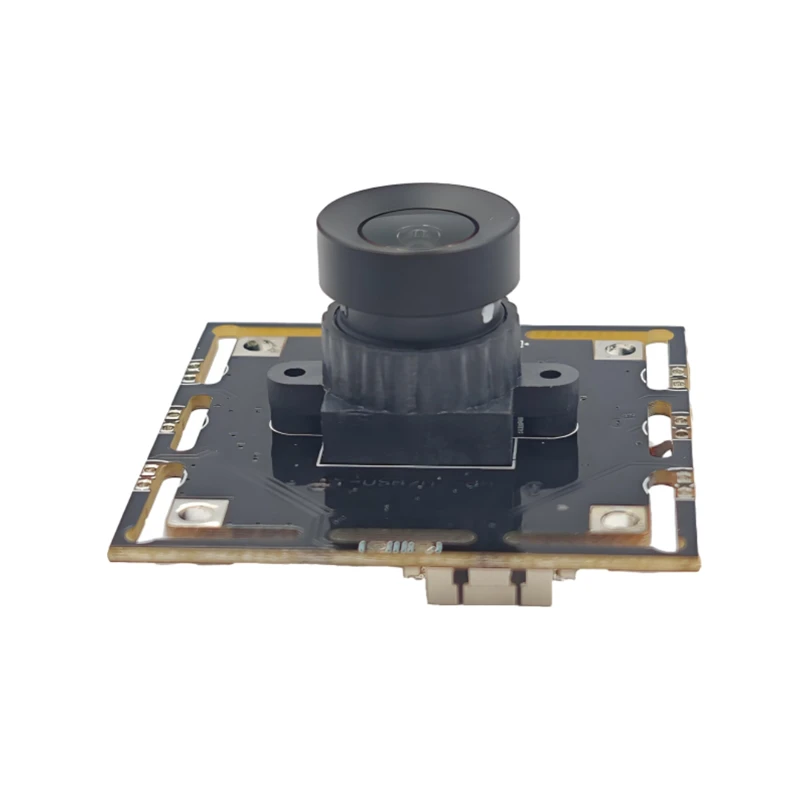
MY-USB1M818A Global Exposure Usb Camera Module With 1mp Hd Video
-
-
-
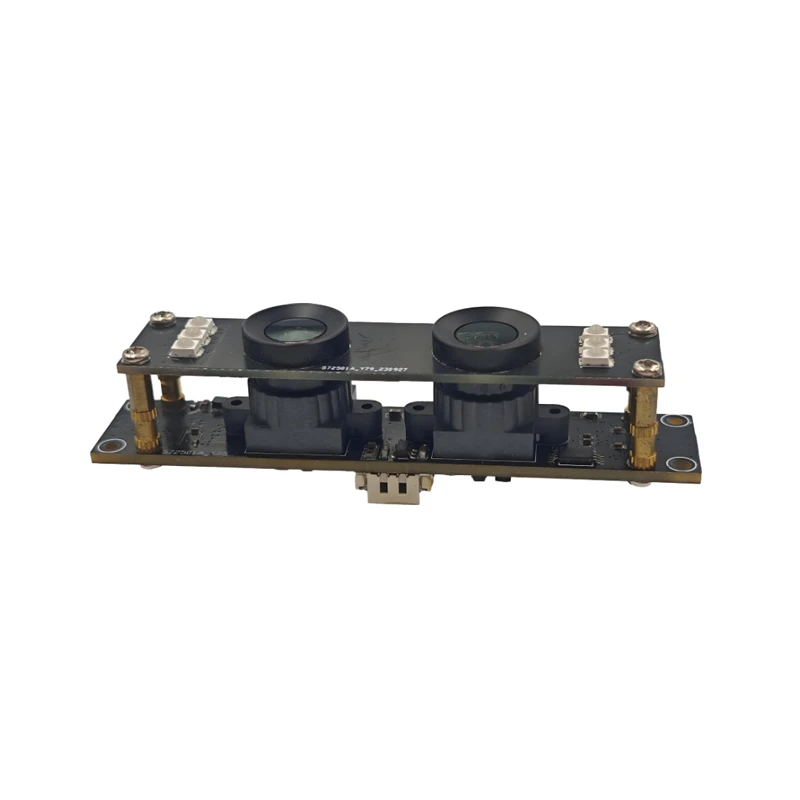
MY-DC52M-A1 Dual Lens Wide Dynamic Range Usb2.0 Camera Module With HD Video 5mp+2mp
-
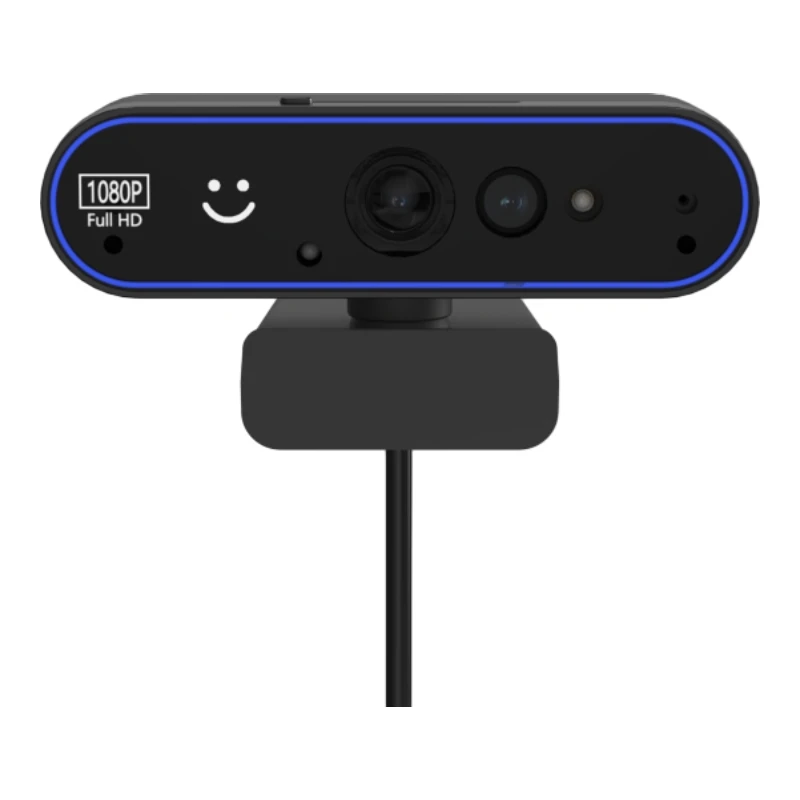
MY-WHC700 Windows Hello Face Recognition Binocular USB Camera
-

MY-DC-260-A1 Dual Lens Usb2.0 Web Camera With High-definition Video 2mp+2mp
-
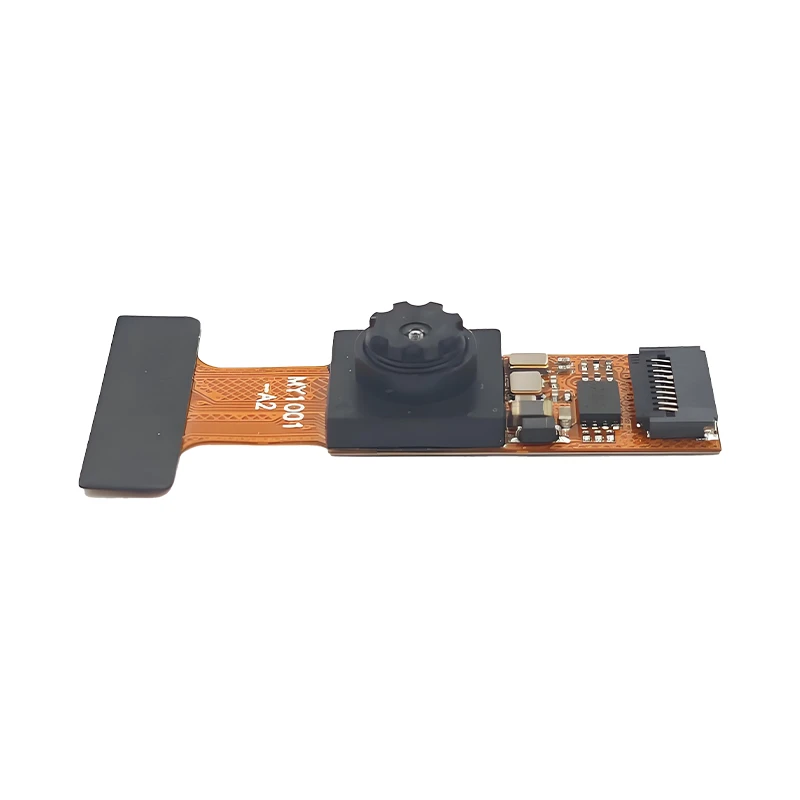
MY-1001-A2 AI Tracking, Gesture Recognition, Sitting Posture Detection Smart Camera Module
-
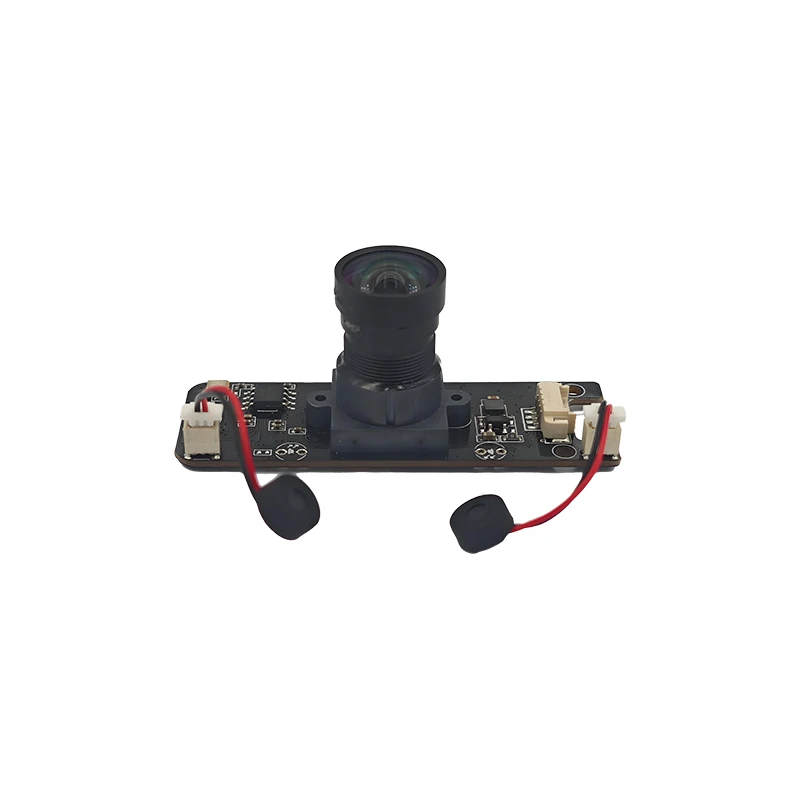
MY-USB8M158A 4K Resolution HD Video Driver-Free USB Camera Module With Microphone
