


Dec . 02, 2025 09:10 Back to list
Comprehensive Guide to 720p Cameras: Benefits, Uses, and Future Trends
Understanding the Importance of the 720p Camera in Today’s Digital Landscape
At its core, a 720p camera refers to a video camera capable of capturing images at a resolution of 1280x720 pixels, which is often termed as HD (High Definition). While it might sound like a basic spec in our increasingly 4K and 8K saturated world, the 720p camera remains remarkably relevant and valuable across a diverse range of industries and regions — especially where bandwidth, cost, and compatibility are factors.
Understanding what this technology offers, and why it continues to matter globally, is vital for businesses, content creators, and humanitarian organizations alike. Its balance of image clarity and accessibility presents unique benefits that can't be overlooked. Let’s dive in and unwrap what makes the 720p format a quietly powerful tool in the ecosystem of digital imaging and communication.
Introduction: The Global and Industry Context of 720p Cameras
Globally, video streaming and surveillance have gone through exponential growth. According to an IEEE report, video data constitutes over 80% of consumer internet traffic. Now, not every application demands ultra-high resolution video. For many rural or emerging markets with intermittent internet speeds, 720p cameras hit a sweet spot — delivering clear visuals without choking bandwidth.
UN data on disaster response operations reveals that video-based remote assessments are instrumental but struggle under limited bandwidth. Enter the 720p camera, which provides sufficient detail for situational awareness while remaining lightweight for transmission. Industries such as education, telemedicine, manufacturing inspections, and public safety in developing regions leverage this technology extensively.
Frankly, it’s a classic example of matching tech to context. While full HD or 4K may be the headline-grabbers, sometimes “good enough” is exactly what you need — especially when cost, ease of use, and reliability are at stake.
Definition & Meaning: What Exactly Is a 720p Camera?
Simply put, a 720p camera is a device that captures video at a resolution of 1280 pixels across and 720 pixels down, using progressive scan (hence the “p”). This resolution standard struck a balance early on between older standard-definition cameras and the now common 1080p full HD models. It produces clear enough images for many practical applications without overwhelming hardware or storage.
In practical terms, this means the video is less pixelated and delivers smoother edges and details than older VGA or standard-definition cams, but does so while being less demanding on processing and network capacities. This makes 720p cameras invaluable where infrastructure or hardware is limited, yet operational quality cannot be compromised.
Key Components That Define A Quality 720p Camera
Here’s a glance at the critical factors that shape the value and utility of 720p cameras in real-world use:
- Resolution & Image Clarity: At 720p, images are sharp enough for facial recognition, basic forensic work, and educational purposes.
- Frame Rate: Most 720p cameras operate between 25-30 frames per second, ensuring smooth, fluid motion capture.
- Light Sensitivity: Sensors with strong low-light performance extend functionality into dawn, dusk, or indoor settings without added illumination.
- Connectivity Options: Whether Wi-Fi, Ethernet, or USB, versatile connectivity ensures flexible deployment across varied environments.
- Durability & Power Efficiency: Many 720p cameras come designed for rugged conditions and operate on low power, ideal for remote monitoring.
- Cost Efficiency: Compared to 1080p or 4K counterparts, 720p systems generally have lower upfront and maintenance expenses.
Understanding these components aids companies in selecting the right product tailored to their exact needs — be it a security setup or a teleconferencing solution.
Mini Takeaway
In essence, 720p cameras deliver a balanced compromise: sufficient image detail paired with affordability and operational ease—qualities that make them remarkably adaptable worldwide.
Global Applications and Use Cases of the 720p Camera
Across continents and sectors, the 720p camera finds a surprisingly diverse ecosystem of use:
- Post-Disaster Relief Operations: Agencies rely on 720p cams to quickly assess damage remotely where higher bandwidth isn’t viable.
- Remote Industrial Monitoring: Whether oil rigs or agricultural sites, these cameras track processes cost-effectively.
- Educational Platforms: Schools in developing areas use 720p cams to broadcast classes, bridging physical gaps.
- Healthcare Teleconsultations: Clear-enough video helps doctors diagnose and communicate in regions lacking broadband.
- Consumer Tech and Content Creation: Webcams and entry-level drones often feature 720p lenses for casual, accessible video work.
Oddly enough, even in urban centers, the format thrives due to legacy systems and compatibility considerations. In every case, the camera’s role is to provide clear insight without overcomplicating the technical stack.
Advantages & Long-Term Value of Employing 720p Cameras
Let’s not gloss over the real benefits — some emotional, others more practical:
- Cost Savings: Both hardware and data storage expenditures are lower, easing budget constraints.
- Sustainability: Lower power requirements contribute to greener operations.
- Reliability: Mature tech ensures proven performance and ease of maintenance.
- Social Impact: Enables accessibility in digital divides, promoting equity in tele-education and healthcare.
- Trust & Innovation: Offers stable foundations for businesses and innovators to build upon.
Many users report that having “just enough detail” fosters trust in the medium — you’re not overwhelmed but still get the necessary information.
Future Trends and Innovations in 720p Camera Technology
While at first glance 720p might seem a “legacy” spec, innovation continues, such as:
- AI-Enhanced Image Processing: Software that enhances clarity, reduces noise, or interprets content smartly.
- Edge Computing Integration: Cameras capable of local analytics to reduce data transmission loads.
- Eco-conscious Materials & Design: Sustainable plastics and energy-efficient circuitry entering manufacturing lines.
- Improved Wireless Protocols: 5G and low-power wide-area networks (LPWAN) increase deployment flexibility.
These advances hint at a future where 720p cams are smarter and more adaptable, reinforcing their practical core despite the trend toward UHD resolutions.
Challenges & Practical Solutions in 720p Camera Deployments
No technology is perfect, right? Some bumps along the way include:
- Limitations in Fine Detail Capture: Not ideal where ultra-high resolution is mandatory.
- Compatibility Issues: New platforms sometimes prefer higher resolution, leading to upgrade pressure.
- Low-Light Constraints: Though better, some 720p sensors struggle in very dark environments.
Solutions often involve hybrid setups where 720p cameras are paired with better-equipped units or supplemented by AI-enhanced software. Providers also focus on modular upgrades, allowing users to incrementally improve systems without rip-and-replace scenarios.
Product Specifications of a Typical 720p Camera
| Specification | Details |
|---|---|
| Resolution | 1280 x 720 pixels |
| Frame Rate | 25-30 fps |
| Lens | 2.8mm fixed / varifocal optional |
| Low Light Sensitivity | 0.1 lux (color mode) |
| Connectivity | Wi-Fi, Ethernet, USB |
| Power | 5V DC, PoE capability |
| Operating Temperature | -10°C to 50°C |
Vendor Comparison: Popular 720p Camera Providers
| Brand | Price Range (USD) | Best Use Case | Special Features |
|---|---|---|---|
| CamPro | $40 - $70 | Home security | Night vision, Wi-Fi enabled |
| SureSight | $80 - $120 | Small business | Edge AI analytics, PoE |
| VisionTech | $60 - $90 | Education & telemedicine | Low-light optimized lens |
FAQ: Frequently Asked Questions About 720p Cameras
- Q: How does 720p video quality hold up compared to 1080p?
- A: While 1080p delivers higher detail due to more pixels, 720p still produces clear, usable images for many applications, particularly when bandwidth or hardware constraints exist. It’s serviceable for real-time monitoring, most conferencing, and educational videos.
- Q: Are 720p cameras suitable for outdoor surveillance?
- A: Absolutely. Many 720p cameras come ruggedized for outdoor use and perform well in varying light conditions, though their resolution limits fine detail capture compared to HD models.
- Q: Can 720p cameras be integrated with newer AI analytics?
- A: Yes, modern software solutions often enhance or interpret 720p footage effectively, allowing features like motion detection, object recognition, and behavior alerts without needing ultra-high resolution feeds.
- Q: How do 720p cameras fare in low bandwidth environments?
- A: They excel, since smaller file sizes translate to easier streaming over restricted networks—making them ideal for remote areas where internet speed is a factor.
- Q: What typical maintenance do 720p cameras require?
- Routine cleaning of lenses, firmware updates, and occasional hardware checks are generally sufficient to keep 720p cameras operational for years.
Conclusion & Call to Action
Given everything, the 720p camera is much more than a “mid-level” option. It’s a thoughtfully balanced technology optimized for versatility, cost, and practical clarity — a true workhorse in global communications, security, and education. Whether you’re outfitting a remote site or building connectivity solutions for underserved communities, this format has proven its staying power.
Interested in exploring cutting-edge, reliable 720p camera solutions? Visit our website to see practical options tailored for your needs: https://www.szmyccm.com
It’s fascinating to see how a resolution that might seem “basic” to some remains a cornerstone for many essential use cases worldwide.
-
Guide to Raspberry Pi Camera Module v3 with Powered Autofocus
NewsApr.16,2026
-
Guide to Using the raspberry pi camera module v1 3 for IoT Projects
NewsApr.09,2026
-
Exploring the Capabilities of the Raspberry Pi Camera Module 3 Noir for Diverse Applications
NewsApr.07,2026
-
Unlocking Visual Potential with the Raspberry Pi Camera Module 3 for Advanced Projects
NewsApr.04,2026
-
Raspberry Pi Noir Camera Module V2 8MP 1080p30 A Comprehensive Guide for Projects
NewsMar.31,2026
-
Comprehensive Guide to the Raspberry Pi 3 B+ Camera Module and Its Applications
NewsMar.28,2026
-
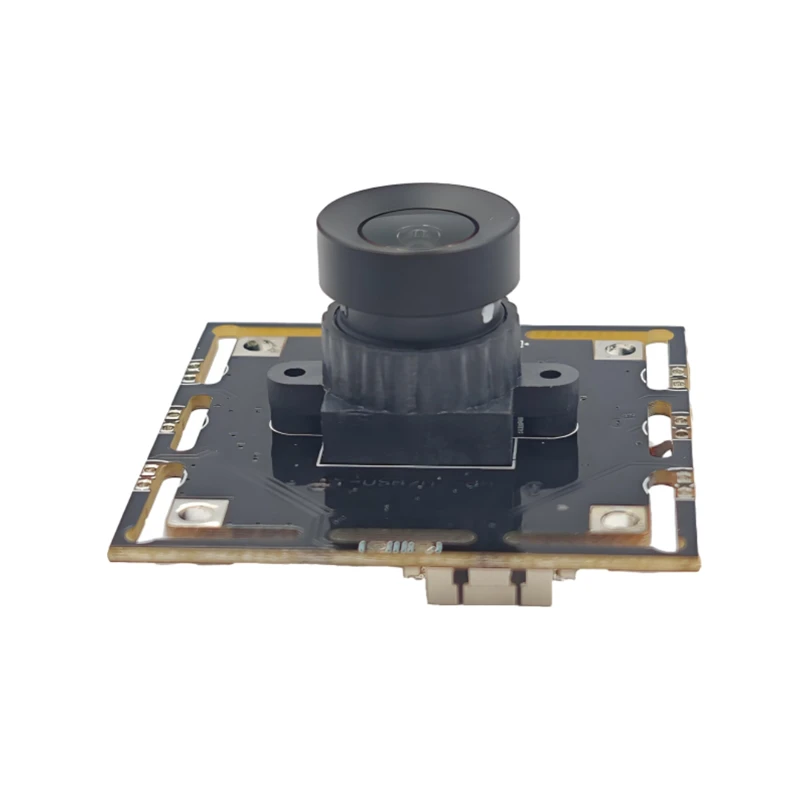
MY-USB1M818A Global Exposure Usb Camera Module With 1mp Hd Video
-
-
-
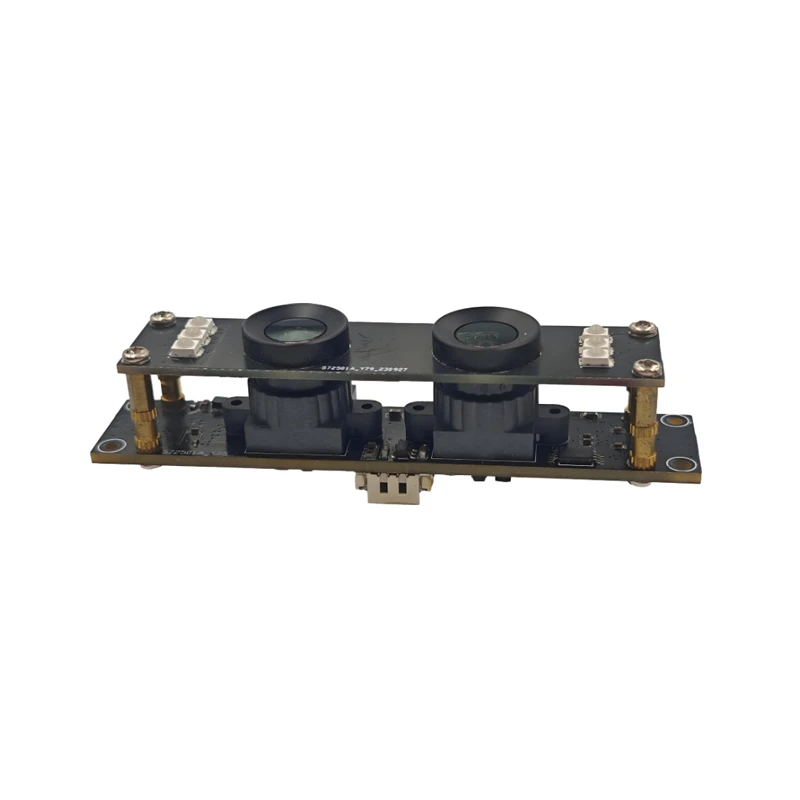
MY-DC52M-A1 Dual Lens Wide Dynamic Range Usb2.0 Camera Module With HD Video 5mp+2mp
-
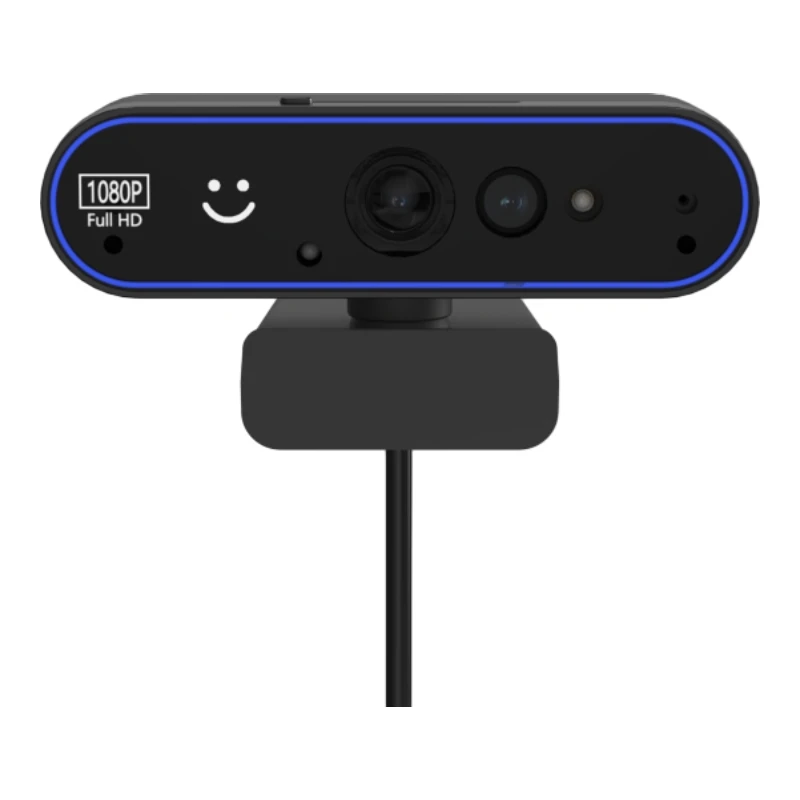
MY-WHC700 Windows Hello Face Recognition Binocular USB Camera
-
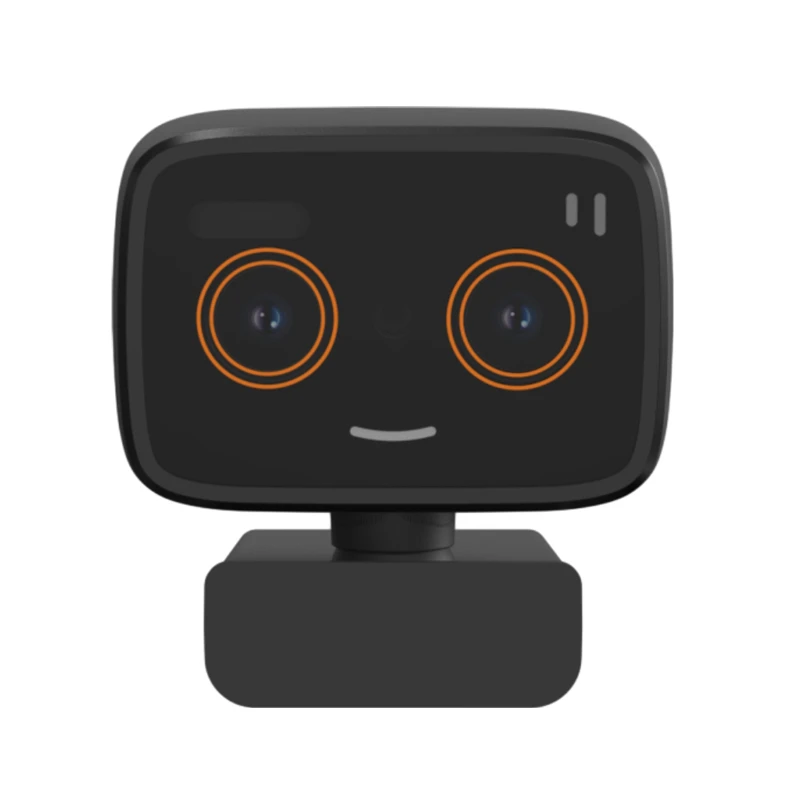
MY-DC-260-A1 Dual Lens Usb2.0 Web Camera With High-definition Video 2mp+2mp
-
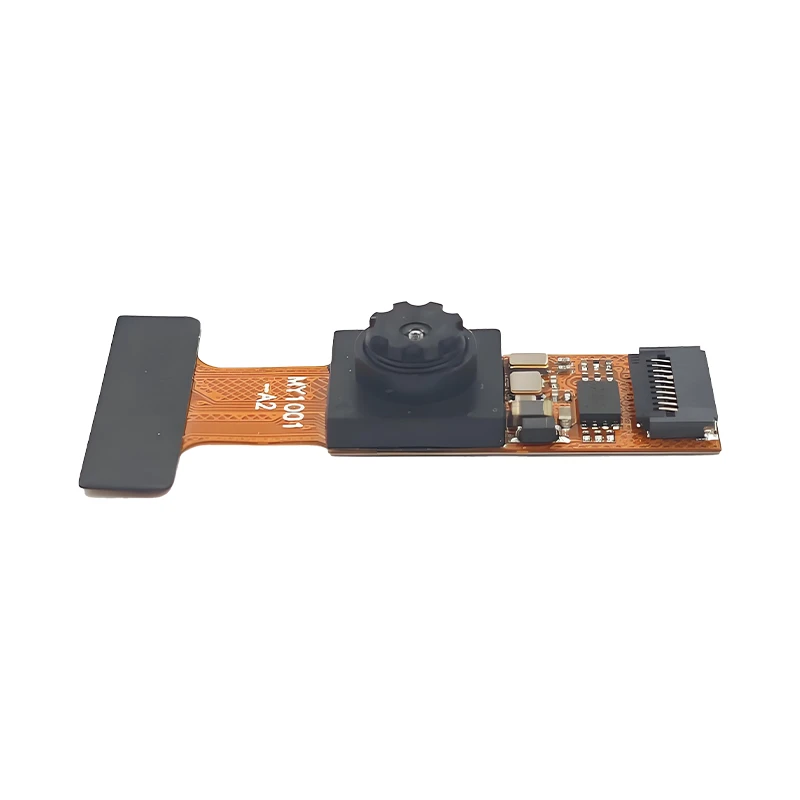
MY-1001-A2 AI Tracking, Gesture Recognition, Sitting Posture Detection Smart Camera Module
-
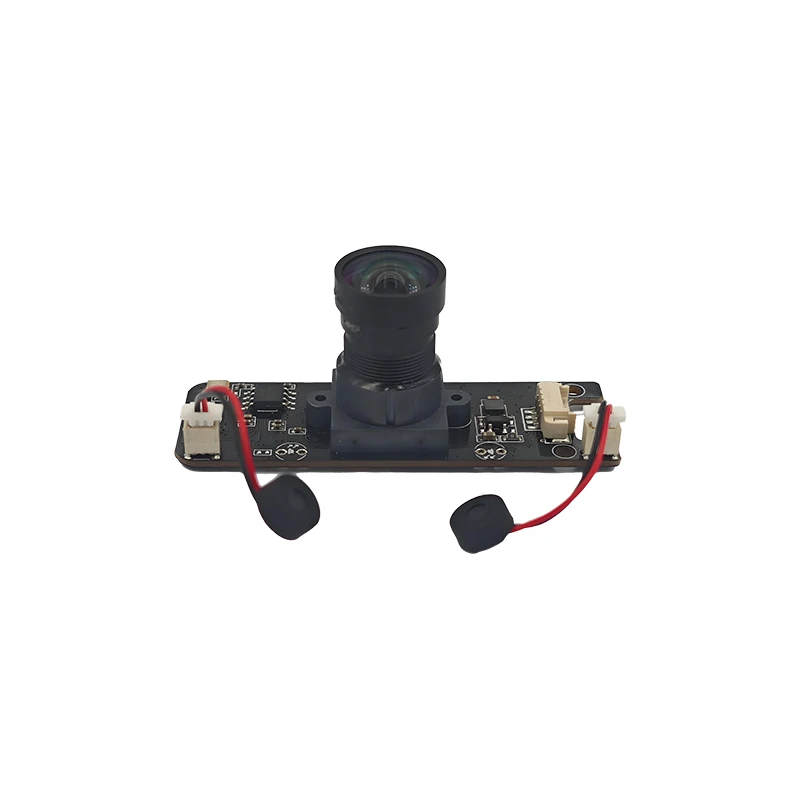
MY-USB8M158A 4K Resolution HD Video Driver-Free USB Camera Module With Microphone
