


Nov . 24, 2025 20:30 Back to list
Comprehensive Guide to AF Camera Module Technology & Applications
Understanding the AF Camera Module: A Global Perspective
If you’ve ever snapped that crisp, clear picture on your smartphone or relied on a security system that instantly focuses on moving objects, you’ve benefited from an af camera module. While it might sound like jargon reserved for engineers, this tiny yet powerful component shapes how millions of images come to life worldwide. With manufacturers racing to upgrade camera capabilities and new industries adopting advanced imaging technology, understanding the nuances of autofocus systems—more broadly, af camera modules—is increasingly important.
Globally, the market for camera systems equipped with AF modules is booming. According to recent ISO and World Bank reports, demand for precision imaging equipment has skyrocketed by over 30% in emerging markets within the last five years, driven mostly by mobile devices, automotive safety, and industrial inspection applications. But there’s a challenge: delivering autofocus that’s fast, reliable, and energy-efficient across countless devices isn’t as simple as it sounds. This is exactly where modern af camera module designs step in as game changers.
What Exactly Is an AF Camera Module?
In the simplest terms, an autofocus (AF) camera module is an integrated assembly within an imaging device that automatically adjusts the lens position to bring subjects into sharp focus. It combines mechanical parts, sensors, and control software to achieve this — often within milliseconds. You’ll find these modules inside smartphones, drones, automotive cameras, and even medical imaging equipment.
Why does this matter beyond standard photography? Because sharp images are essential for everything from facial recognition technology to disaster assessment via drones, to industrial robots inspecting quality on assembly lines. Having a reliable af camera module means enhanced performance across these sectors and better decision-making in critical moments.
Key Components That Define an AF Camera Module
Speed and Precision
Most users expect autofocus to be nearly instantaneous — that's a tall order. The AF module achieves this through fast micro-motors or voice coil actuators moving lens elements with minimal noise. Engineers balance speed with precision since a fast but inaccurate focus is almost useless. In practical terms, this means devices can capture fleeting moments or moving objects clearly, whether it’s a child in action or a vehicle zooming past.
Durability and Reliability
Zoom lenses in cameras face repeated mechanical stress. The module must withstand millions of focus adjustments without failure. This is particularly crucial in harsh environments—like construction sites or disaster zones—where reliability means safety and continued operation under stress.
Energy Efficiency
For mobile devices especially, low power consumption in autofocus helps extend battery life. With smart control systems and optimized motors, modern AF modules reduce energy use without compromising performance — a neat engineering feat that often goes unnoticed by everyday users.
Compact Design and Scalability
Space inside devices is at a premium. AF camera modules must be compact yet scalable, working well in flagship smartphones or miniaturized industrial cams. This adaptability supports widespread industry adoption and cost-effective manufacturing.
Cost Efficiency and Manufacturability
While some AF modules are premium components, many designs favor cost-efficiency without sacrificing quality—important for mass-produced consumer electronics. Techniques like modular design and automation during assembly reduce costs and improve market accessibility.
Real-World Applications of AF Camera Modules
The versatility of autofocus camera modules means their impact stretches across many fields worldwide:
- Consumer Electronics: Smartphones and tablets rely heavily on these modules for quick, accurate photography.
- Automotive Safety: Advanced driver assistance systems (ADAS) use AF cameras for traffic sign recognition and pedestrian detection.
- Industrial Inspection: Manufacturing lines benefit from precise autofocus cameras to spot defects and maintain high quality.
- Humanitarian and Disaster Response: Drones equipped with AF cameras provide critical aerial views during post-disaster assessments, often in regions lacking infrastructure.
- Healthcare: Endoscopic cameras require reliable focus for clear imaging during procedures.
In Asia’s rapidly expanding industrial parks, for example, integrating these modules has boosted automated quality control, enhancing product consistency while reducing human error. Meanwhile, European NGOs report enhanced situational awareness with AF-enabled drones in remote disaster zones.
Benefits That Keep AF Modules in High Demand
Tangibly, investing in autofocus camera modules means better image quality, less user frustration, and opportunities for new technology integrations. You gain:
- Time savings: Snap photos or capture video without fiddling with manual focusing.
- Higher quality: Sharp images enable precise analytics in AI-powered systems.
- Energy savings: Efficient autofocus reduces drain on device batteries.
- Wider accessibility: Affordable, compact AF modules make advanced imaging available in everyday devices.
But it’s not just logical — the emotional aspect matters too. Imagine rescue teams trusting drone cameras that instantly focus on survivors amid chaos, or parents effortlessly capturing their child’s first steps with crystal clarity. AF modules contribute quietly but powerfully to safety, trust, and personal memories.
Emerging Trends and Innovations
Looking ahead, developers are pushing autofocus modules beyond traditional boundaries:
- AI-driven focus algorithms: Leveraging machine learning to predict and adapt focus points dynamically.
- Integration with 3D sensing: Combining autofocus with depth mapping for richer image data.
- Miniaturization with new materials: Using advanced composites and MEMS (microelectromechanical systems) for even smaller, robust modules.
- Green manufacturing: Focused efforts on sustainable production and lower energy footprint across device lifecycles.
With the wave of 5G and IoT, AF modules will increasingly be part of smart, connected devices that anticipate what you want to capture before you do.
Challenges and How Industry Is Tackling Them
Still, AF modules come with hurdles:
- Mechanical wear: Components degrade with repeated use, especially under heat and vibration.
- Costs in premium models: High-end AF systems add to device pricing.
- Compatibility: Matching AF modules perfectly with varied sensors is complex.
Innovators are addressing these by adopting wear-resistant materials, refining actuator designs for longevity, and developing modular systems that can be adapted to a range of sensors, cutting both manufacturing complexity and cost. R&D remains a priority across industry leaders.
Product Specification Table for a Typical AF Camera Module
| Specification | Details |
|---|---|
| Type | Voice Coil Motor (VCM) based AF module |
| Dimension | 8.5 x 8.5 x 5.8 mm |
| Focus Range | 5 cm to infinity |
| Response Time | ~25 ms per focus adjustment |
| Power Consumption | Less than 30 mW |
| Operating Temperature | -20°C to +70°C |
| Weight | ~0.4 g |
Comparison of Leading AF Camera Module Vendors
| Vendor | Technology Focus | Typical Use Cases | Key Strength | Price Range |
|---|---|---|---|---|
| Shenzhen MY Camera Module | VCM-based compact modules | Smartphones, drones | High speed & cost-effective | $$ |
| AlphaFocus Technologies | Dual-piezo actuator modules | Automotive & industrial | Ultra-durable, weatherproof | $$$ |
| LensPro Optics | MEMS-based ultra-mini modules | Medical & wearable devices | Miniaturization leader | $$$ |
FAQs: Practical Questions About AF Camera Modules
- Q1: How does an AF camera module improve smartphone photography?
- A1: By automatically adjusting lens focus quickly and precisely, AF modules enable users to capture sharper images without manual intervention. This is particularly important for fast-moving subjects or low-light conditions where focus accuracy directly affects photo quality.
- Q2: Can AF camera modules withstand tough environments like construction sites?
- A2: Yes, many AF modules designed for industrial use feature rugged components and are tested extensively to endure dust, vibration, and temperature extremes, ensuring reliability even in harsh conditions.
- Q3: Are all autofocus modules compatible with any camera sensor?
- A3: Not necessarily. Compatibility depends on the module’s actuator type, size, and control interface. Manufacturers typically customize or specify modules based on sensor models and intended device use.
- Q4: What future technology trends might enhance AF camera modules?
- A4: Integration with AI-driven focusing, MEMS technology for miniaturization, and energy-efficient actuators stand out as promising trends likely to improve AF performance substantially in coming years.
Wrapping Up: Why the AF Camera Module Still Matters
At the end of the day, the autofocus camera module might be small, but its impact is anything but. It literally shapes our visual experiences, enabling everything from daily social media snaps to critical industrial processes or disaster relief operations. The blend of sophisticated mechanics, smart electronics, and clever software in these modules will only become more essential as imaging demands grow and diversify.
Curious to see how these modules fit into your products or projects? Visit Shenzhen MY Camera Module’s website to explore a range of cutting-edge options that blend performance with affordability.
-
Guide to Raspberry Pi Camera Module v3 with Powered Autofocus
NewsApr.16,2026
-
Guide to Using the raspberry pi camera module v1 3 for IoT Projects
NewsApr.09,2026
-
Exploring the Capabilities of the Raspberry Pi Camera Module 3 Noir for Diverse Applications
NewsApr.07,2026
-
Unlocking Visual Potential with the Raspberry Pi Camera Module 3 for Advanced Projects
NewsApr.04,2026
-
Raspberry Pi Noir Camera Module V2 8MP 1080p30 A Comprehensive Guide for Projects
NewsMar.31,2026
-
Comprehensive Guide to the Raspberry Pi 3 B+ Camera Module and Its Applications
NewsMar.28,2026
-
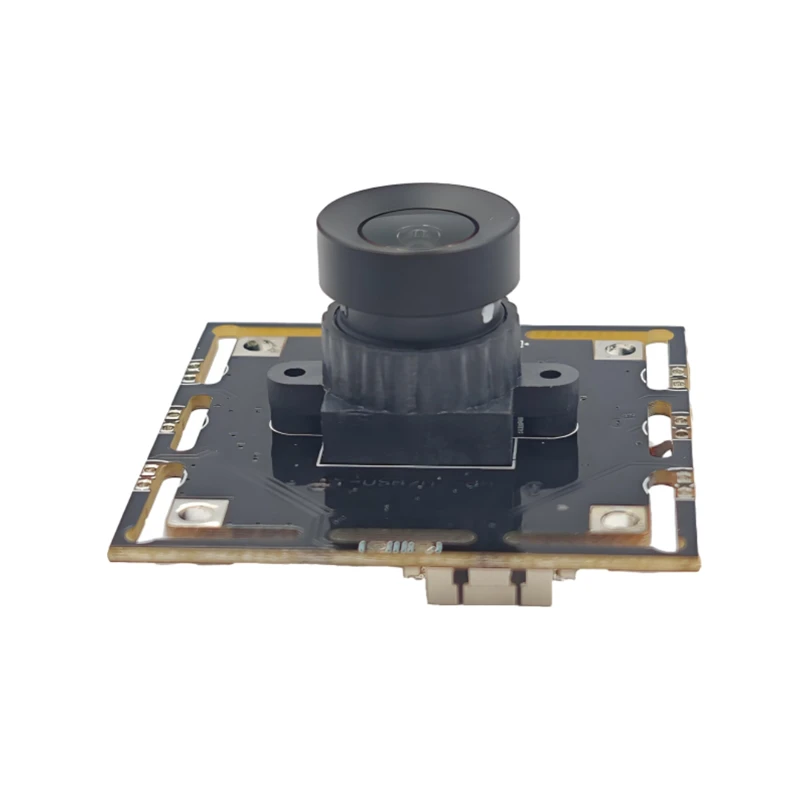
MY-USB1M818A Global Exposure Usb Camera Module With 1mp Hd Video
-
-
-
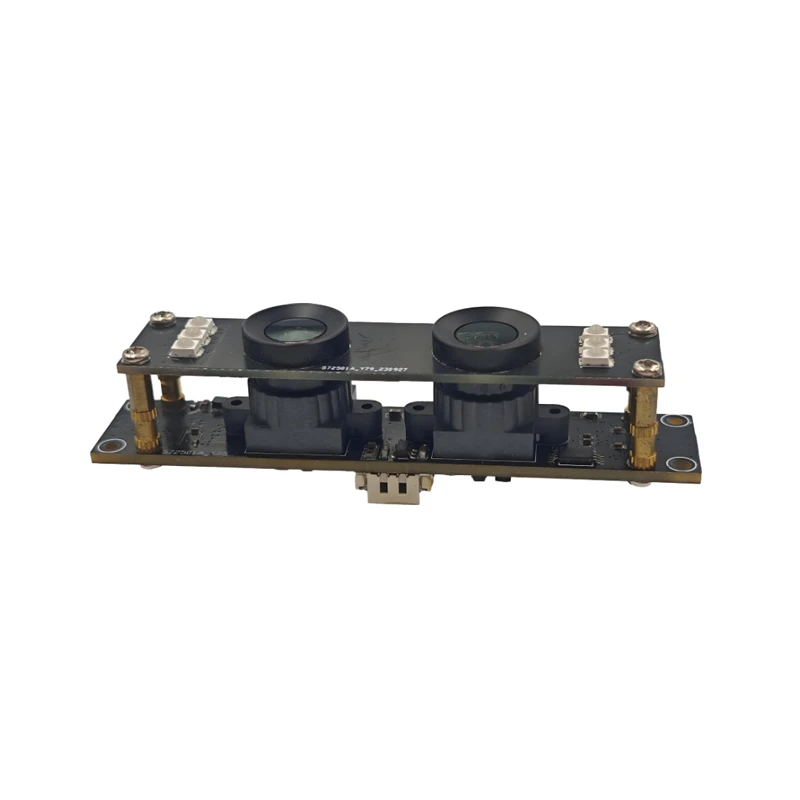
MY-DC52M-A1 Dual Lens Wide Dynamic Range Usb2.0 Camera Module With HD Video 5mp+2mp
-
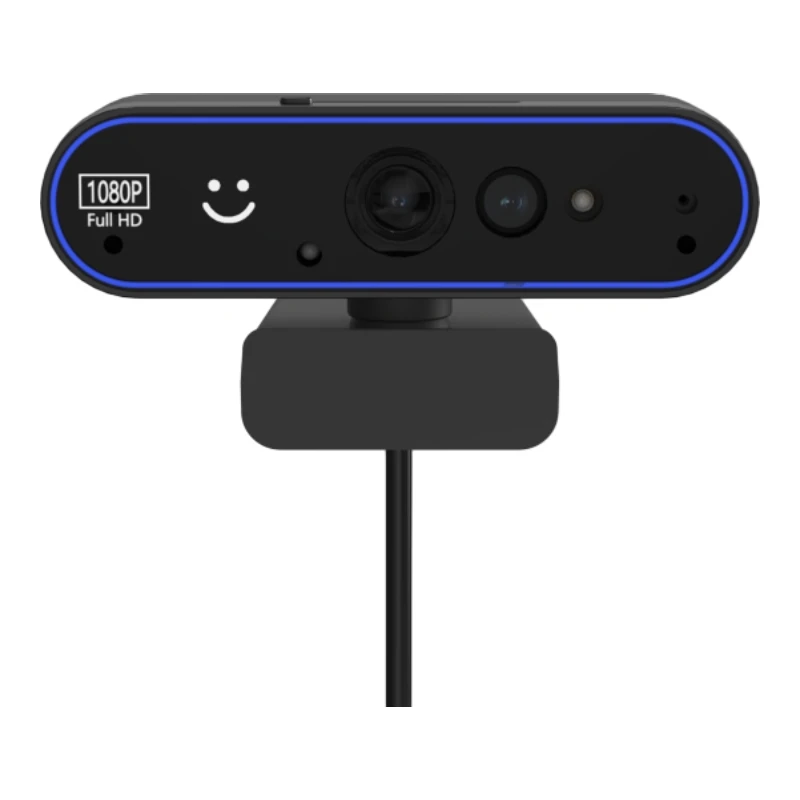
MY-WHC700 Windows Hello Face Recognition Binocular USB Camera
-

MY-DC-260-A1 Dual Lens Usb2.0 Web Camera With High-definition Video 2mp+2mp
-
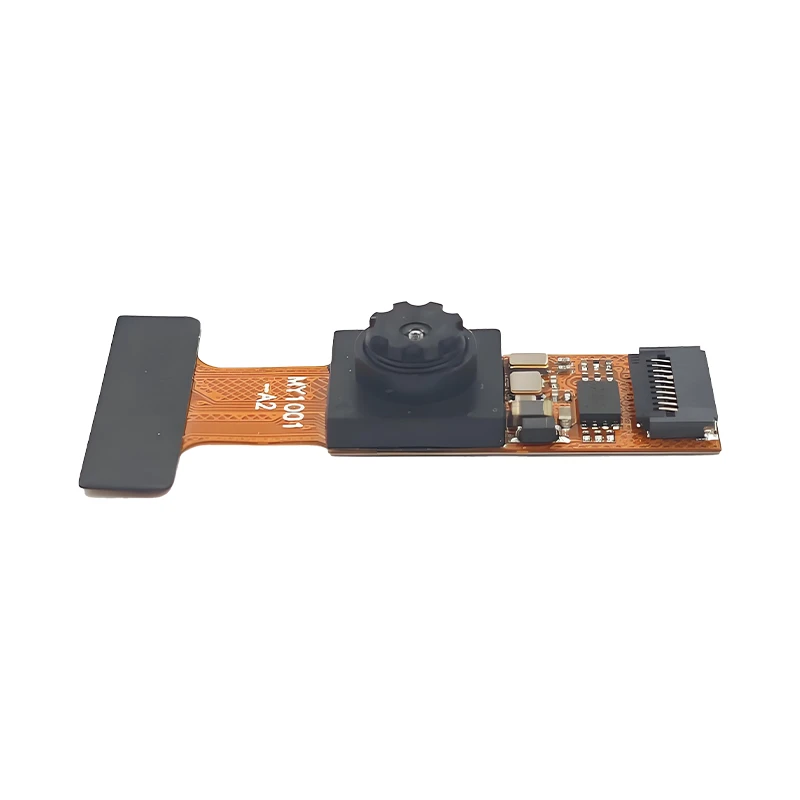
MY-1001-A2 AI Tracking, Gesture Recognition, Sitting Posture Detection Smart Camera Module
-
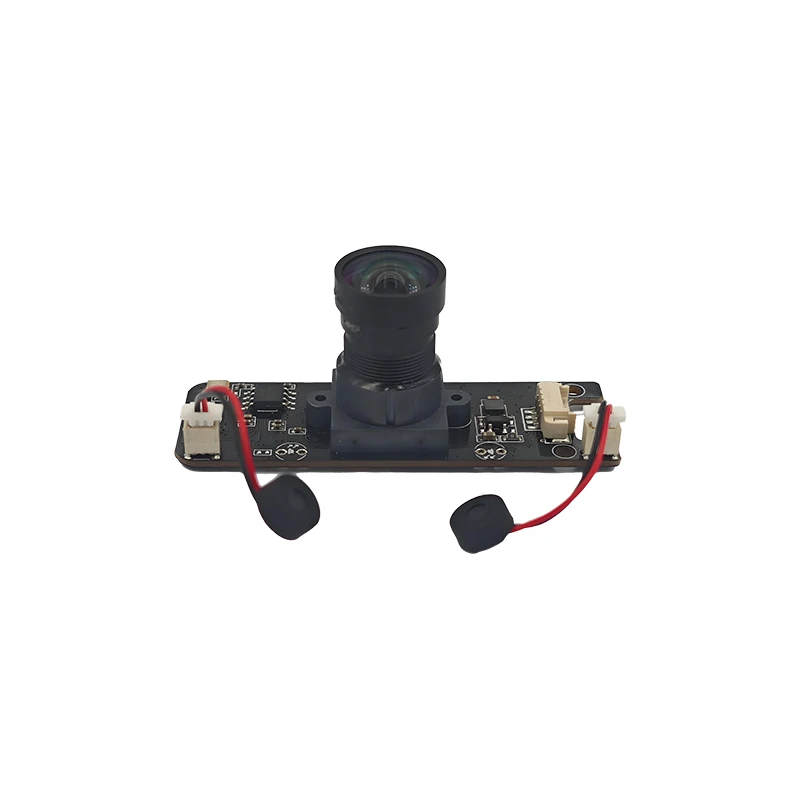
MY-USB8M158A 4K Resolution HD Video Driver-Free USB Camera Module With Microphone
