


Nov . 25, 2025 08:00 Back to list
Comprehensive Guide to Autofocus Camera Modules – Applications & Trends
Understanding the Autofocus Camera Module: A Crucial Tech Piece in Today’s World
If you’ve ever snapped a sharp photo on your phone or seen a crystal-clear image on a surveillance camera, chances are an autofocus camera module played a starring role. This small, sophisticated piece of tech isn’t just about getting a pretty picture; it’s a vital component shaping industries from consumer electronics to complex humanitarian efforts globally. Understanding its benefits and challenges is key for innovators, engineers, and even everyday users curious about the technology quietly powering so much of our digital imagery.
Why Autofocus Camera Modules Matter Globally
Globally, there are over 6 billion smartphone users as of 2024 with most cameras relying heavily on autofocus modules for improved image quality (Statista, 2023). In industries like security, automotive, and healthcare imaging, autofocus technology enhances precision dramatically. According to the International Organization for Standardization (ISO), advancements in autofocus camera modules have directly contributed to increased reliability in medical imaging devices and autonomous vehicles—two sectors swiftly growing and critical to public safety.
Still, it’s not just about tech hobbyists or medical pros. The autofocus camera module addresses a pressing challenge: how to quickly and accurately capture sharp images in changing or unpredictable conditions—the kind of challenge you might find during disaster relief or remote industrial inspection work. With faster and more reliable autofocus systems, professionals worldwide can gather better data, improve decision-making, and ultimately save lives.
Mini takeaway:
An autofocus camera might seem small, but it’s a cornerstone of global technological progress—crucial in everything from daily smartphone snaps to life-saving emergency operations.
What Exactly Is an Autofocus Camera Module?
Put simply, the autofocus camera module is the part inside a camera (or device) that automatically adjusts the lens to focus on the subject sharply, without the user needing to tinker settings. This automation reduces blurry images and increases accuracy during image capture.
It comprises lenses, actuators, sensors, and controllers working together to detect focus points and adjust the lens position in real time. In industries, this combines mechanical and electronic elements to adapt focus quickly even as subjects move or lighting conditions shift.
Its simplicity on the surface masks a complex engineering marvel, often integrated tightly with specialized software algorithms to optimize performance.
Mini takeaway:
Think of it as the camera’s “eye muscle” reacting swiftly to keep your view clear and sharp—making it indispensable in countless modern applications.
Core Components and Key Characteristics of Autofocus Camera Modules
1. Precision Lens Movement
The actuator inside moves the lens precisely, sometimes using voice coil motors (VCMs) for smooth, silent adjustment. This precision is critical for macro photography or detecting specific details in surveillance footage.
2. Speed and Responsiveness
A fast autofocus module minimizes focusing time—important when capturing moving objects or during rapid scene changes like athletics broadcasting or drone inspections.
3. Durability and Reliability
Many camera modules must endure harsh environments, for example, manufacturing lines or outdoor security cameras. Durable materials and sealings protect delicate components.
4. Power Efficiency
Since autofocus modules consume power in mobile devices, optimizing them for low energy use extends battery life without sacrificing performance.
5. Cost-Effectiveness
Mass production, particularly for smartphone cameras, demands affordable modules without compromising too much on quality.
Mini takeaway:
These core traits combine to make autofocus modules versatile across a wide range of real-world situations—from quick shutter snaps to prolonged industrial monitoring.
Autofocus Camera Module Applications Around the World
Globally, autofocus camera modules power a spectrum of critical applications:
- Consumer electronics: Smartphones, tablets, and laptops use these modules for everyday photography and video calls.
- Healthcare imaging: Devices like endoscopes and diagnostic cameras rely on autofocus to help doctors see clearly inside the body.
- Security and surveillance: In sensitive areas, high-precision autofocus modules enable clear facial recognition and incident analysis.
- Industrial inspection: Factories employ autofocus cameras to monitor product quality or detect equipment defects remotely.
- Humanitarian relief: During crisis response, drones equipped with autofocus cameras provide first responders with clear, actionable visuals, even under difficult conditions.
For example, in Southeast Asia, natural disaster teams deploy drones with advanced autofocus modules over flood zones to assess damage quickly and coordinate rescue efforts. This precise imaging helps agencies allocate resources efficiently.
Mini takeaway:
From hospitals to disaster zones, autofocus camera modules quietly enable sharper vision where it absolutely counts.
Advantages and Long-Term Impact of Autofocus Camera Modules
Why do companies invest millions in refining autofocus technology? Here’s the thing: autofocus improves not just technical specs but real human outcomes.
- Cost savings: Fewer blurred images mean less waste, fewer retakes, and lower operational costs.
- Social impact: Trustworthy images in healthcare or air safety improve people’s wellbeing and confidence in technology.
- Innovation driver: As autofocus modules get smarter, they unlock new possibilities like augmented reality and autonomous navigation.
- Sustainability: Efficient modules optimize energy use and increase product lifespan, supporting green manufacturing goals.
Detailed Product Specification for a Typical Autofocus Camera Module
| Specification | Typical Value |
|---|---|
| Lens Type | Fixed 4mm glass lens with VCM actuator |
| Focusing Speed | ~250 ms (milliseconds) |
| Power Consumption | 12 mW average during operation |
| Dimensions | 8 mm x 8 mm x 5 mm |
| Operating Temperature | -20°C to 70°C |
| Weight | 1.8 grams |
Comparing Leading Autofocus Camera Module Vendors
| Vendor | Pricing | Tech Focus | Lead Time | Customization |
|---|---|---|---|---|
| FocusTech Inc. | $$$ | Precision actuators, high speed autofocus | 4 weeks | Extensive engineering support |
| LensCraft Solutions | $$ | Cost-effective modules, compact designs | 3 weeks | Standard customization |
| OptiFocus Ltd. | $$$$ | Advanced AI-assisted autofocus | 6 weeks | Highly customizable and flexible |
Future Trends in Autofocus Camera Modules
The autofocus camera module field isn’t sitting still. As digital transformation and sustainability dominate, here’s what’s coming:
- AI Integration: Smarter autofocus modules will combine AI to predict subject movement and pre-focus dynamically, improving speed and sharpness.
- Material Innovation: Use of lightweight and eco-friendly materials promises smaller, more durable modules with a lower carbon footprint.
- Energy Efficiency: Next-gen actuators will draw less power and work seamlessly with devices powered by renewable energy sources, like solar-powered IoT cameras.
- Miniaturization: Modules getting even tinier means better integration into wearable tech or medical devices without sacrificing quality.
Challenges with Autofocus Camera Modules and How Experts Are Fixing Them
Of course, no tech is perfect. Autofocus modules still wrestle with issues like:
- Performance in low light: Autofocus can lag or hunt in dark scenes.
- Mechanical wear: Moving parts may degrade over time and cause failures.
- Cost vs. quality balance: Ultra-high precision modules tend to be pricey, limiting access.
Experts tackle these by incorporating hybrid focusing systems combining autofocus with manual tweaking options, improving sensor sensitivity, or leveraging AI to assist in tricky lighting scenarios. Also, manufacturers are investing in better coatings and shock-resistant materials to prolong durability.
Frequently Asked Questions About Autofocus Camera Modules
- 1. How do autofocus camera modules improve smartphone photography compared to fixed-focus cameras?
- Autofocus camera modules enable the lens to adjust dynamically to different distances, ensuring sharp images in varying scenarios. Fixed-focus cameras don’t adjust and often produce blurry images for objects too close or far.
- 2. Can autofocus camera modules work effectively in low-light conditions?
- While autofocus performance can drop in low light due to limited contrast, many modern modules use enhanced sensors and algorithms to mitigate this, delivering better focus accuracy even in dark environments.
- 3. What industries benefit the most from autofocus camera modules?
- Besides consumer electronics, industries like healthcare, security surveillance, automotive (especially autonomous vehicles), and humanitarian drones benefit greatly from precise autofocus technology.
- 4. How long do autofocus camera modules typically last in industrial applications?
- With proper maintenance and depending on environmental conditions, these modules often last 3–5 years, though ruggedized variants may endure longer under harsh use.
- 5. Is customization available for autofocus camera modules to fit specific project needs?
- Yes, many manufacturers offer customizable modules tailored to various sizes, focusing speeds, or interface requirements to suit unique applications.
Wrapping Up: Why Autofocus Camera Modules Are Here to Stay
In real terms, the autofocus camera module feels like an invisible but indispensable ally — quietly boosting clarity and confidence wherever images matter. From saving lives in disaster zones to powering the selfies you post online, this piece of tech combines mechanical finesse and digital smarts in a way that echoes the future of imaging.
If you’re intrigued and want to explore a wide range of autofocus camera modules designed to fit your needs, check out autofocus camera module solutions and see how they’re shaping the vision of tomorrow.
References
-
Guide to Raspberry Pi Camera Module v3 with Powered Autofocus
NewsApr.16,2026
-
Guide to Using the raspberry pi camera module v1 3 for IoT Projects
NewsApr.09,2026
-
Exploring the Capabilities of the Raspberry Pi Camera Module 3 Noir for Diverse Applications
NewsApr.07,2026
-
Unlocking Visual Potential with the Raspberry Pi Camera Module 3 for Advanced Projects
NewsApr.04,2026
-
Raspberry Pi Noir Camera Module V2 8MP 1080p30 A Comprehensive Guide for Projects
NewsMar.31,2026
-
Comprehensive Guide to the Raspberry Pi 3 B+ Camera Module and Its Applications
NewsMar.28,2026
-
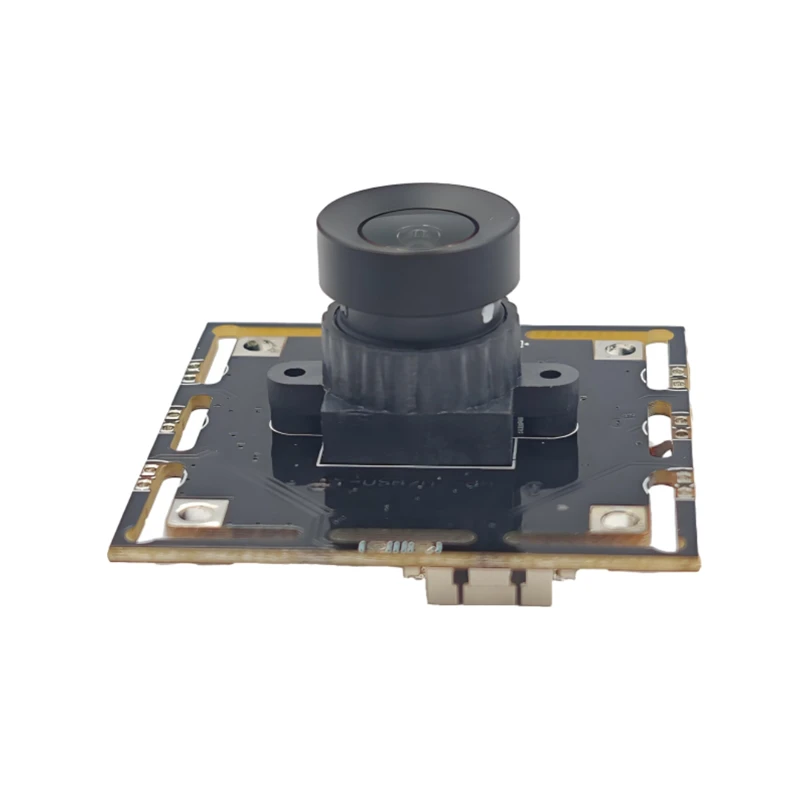
MY-USB1M818A Global Exposure Usb Camera Module With 1mp Hd Video
-
-
-
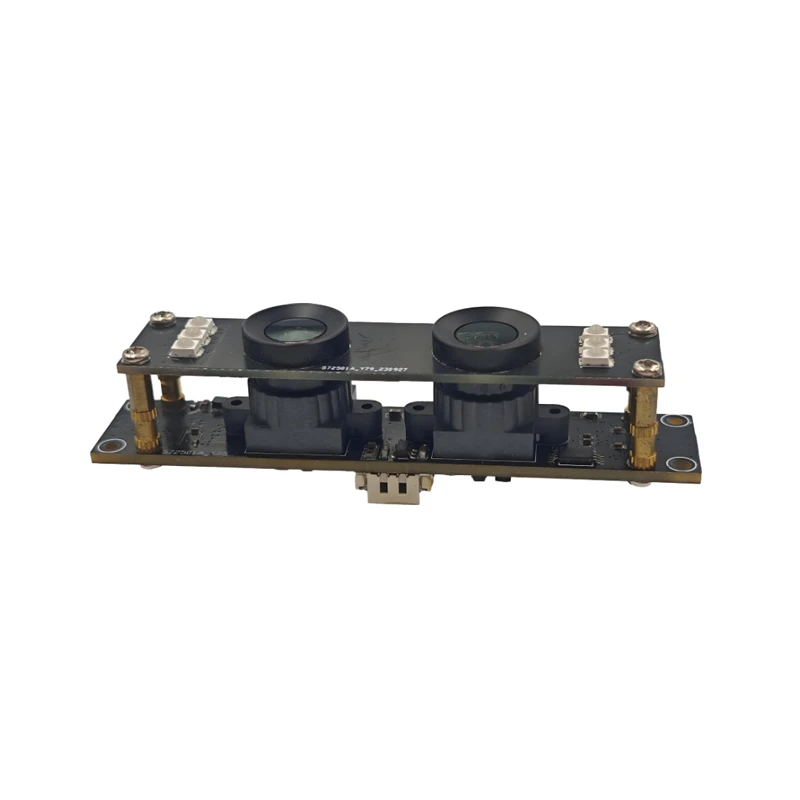
MY-DC52M-A1 Dual Lens Wide Dynamic Range Usb2.0 Camera Module With HD Video 5mp+2mp
-
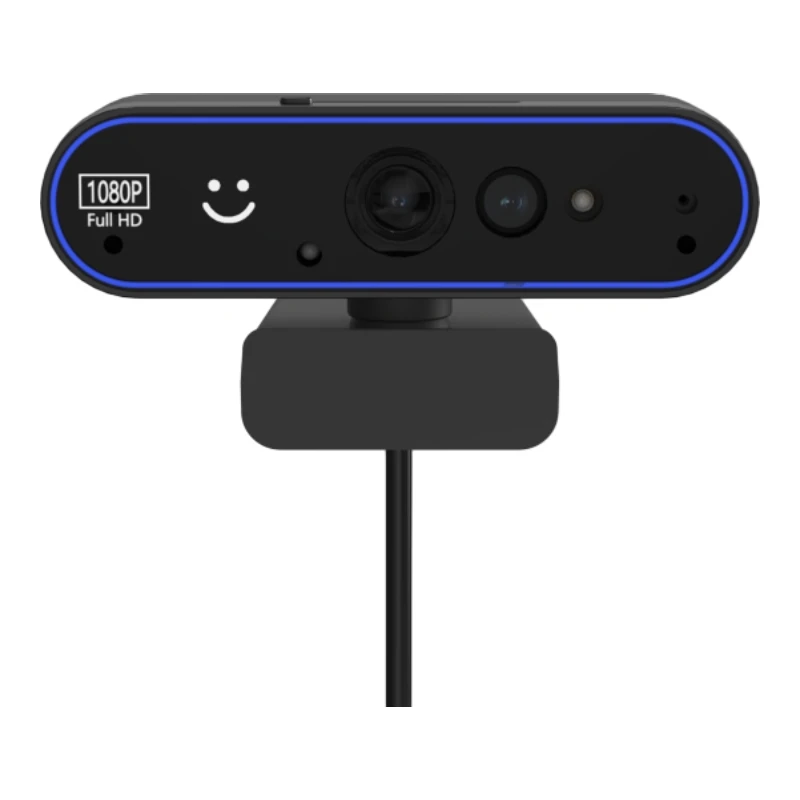
MY-WHC700 Windows Hello Face Recognition Binocular USB Camera
-

MY-DC-260-A1 Dual Lens Usb2.0 Web Camera With High-definition Video 2mp+2mp
-
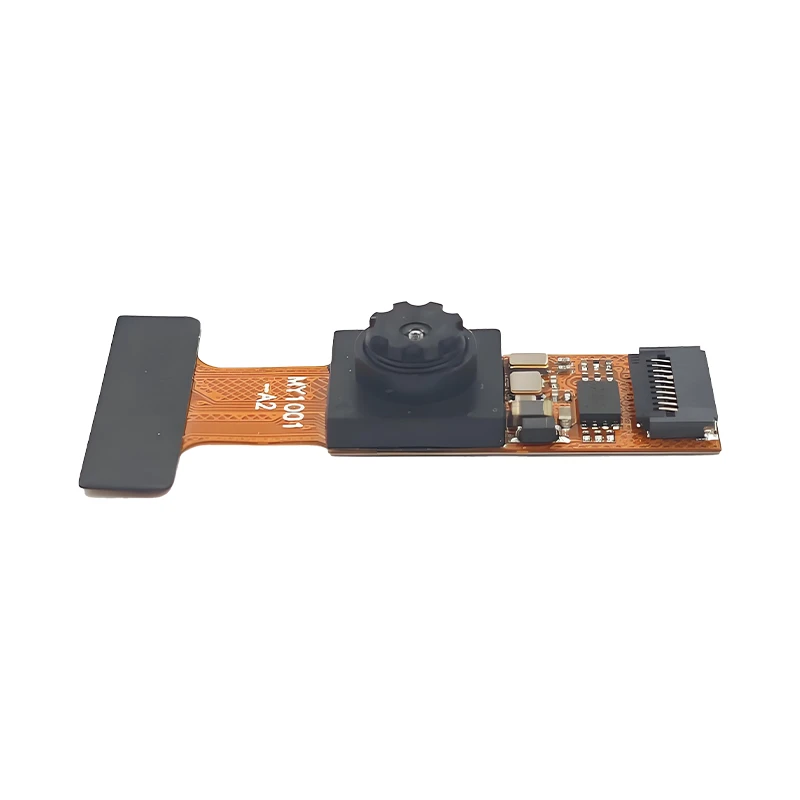
MY-1001-A2 AI Tracking, Gesture Recognition, Sitting Posture Detection Smart Camera Module
-
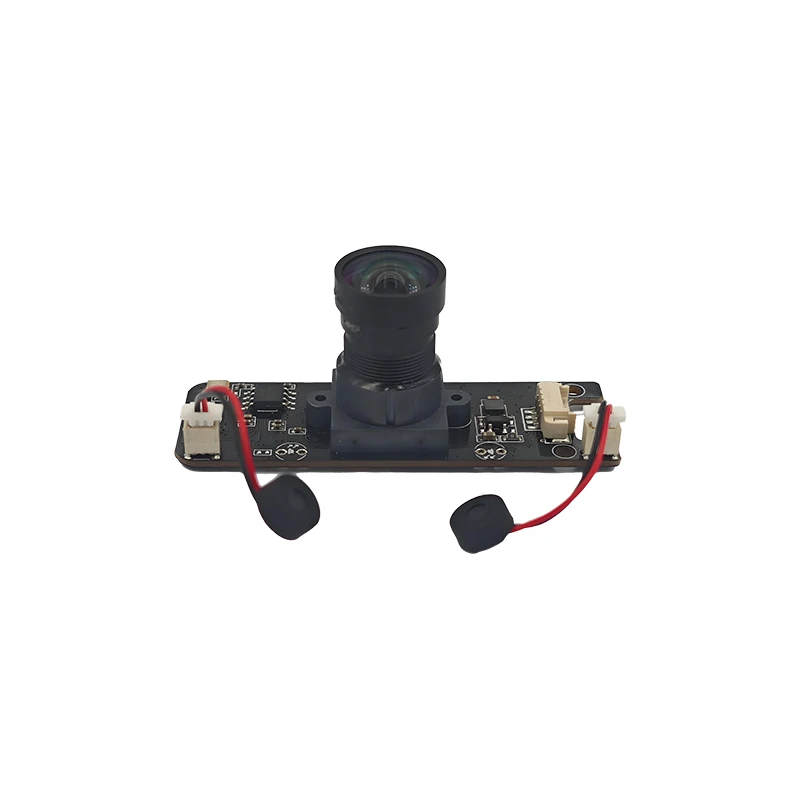
MY-USB8M158A 4K Resolution HD Video Driver-Free USB Camera Module With Microphone
