


Feb . 11, 2026 02:25 Back to list
Comprehensive Guide to MIPI Camera Modules and Their Applications
Understanding MIPI Camera Modules: A Comprehensive Guide
In today’s rapidly evolving world of machine vision, mobile devices, and embedded systems, the demand for high-performance, compact camera solutions is constantly increasing. MIPI camera modules have emerged as a crucial component in meeting these demands. This article will delve into the world of MIPI camera modules, exploring their functionality, benefits, applications, and what to consider when choosing a module for your specific project. We'll provide a detailed overview to help you understand the nuances of these vital components.
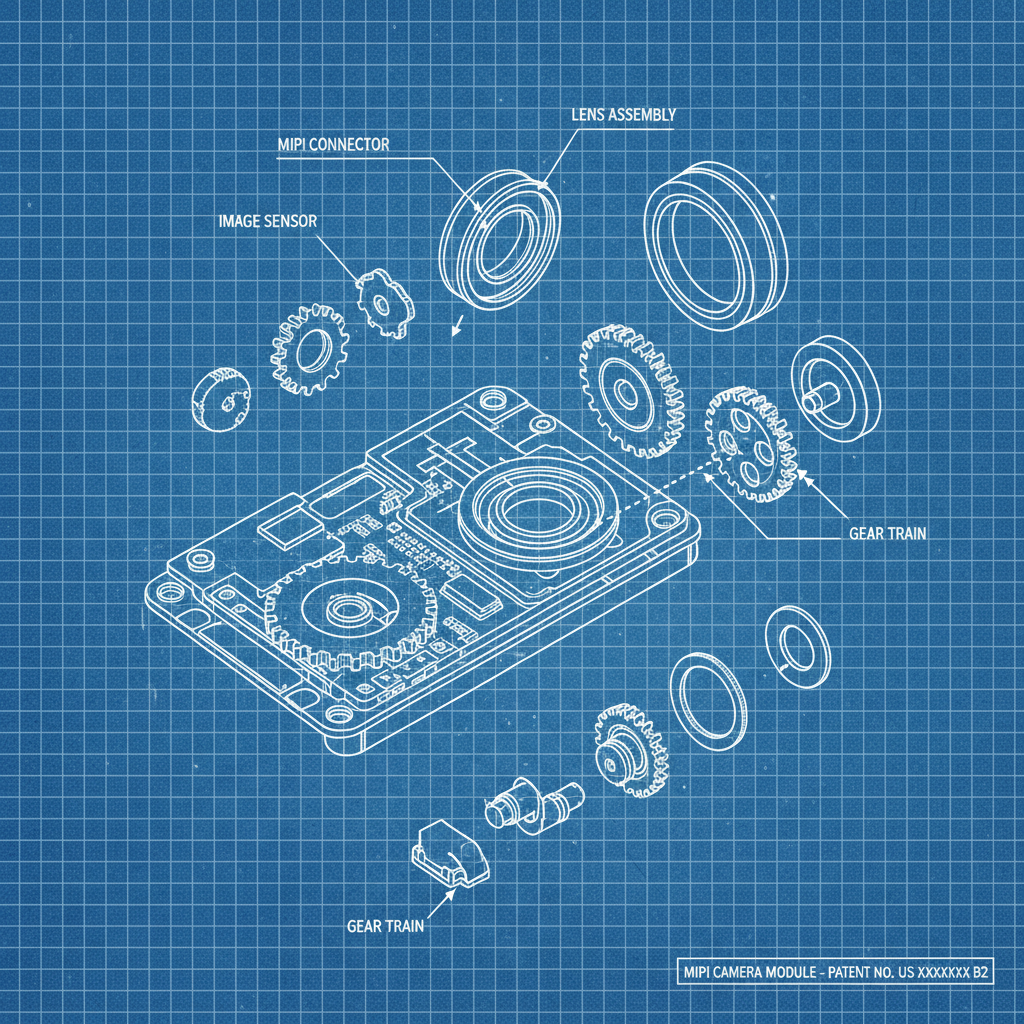
What Exactly is a MIPI Camera Module?
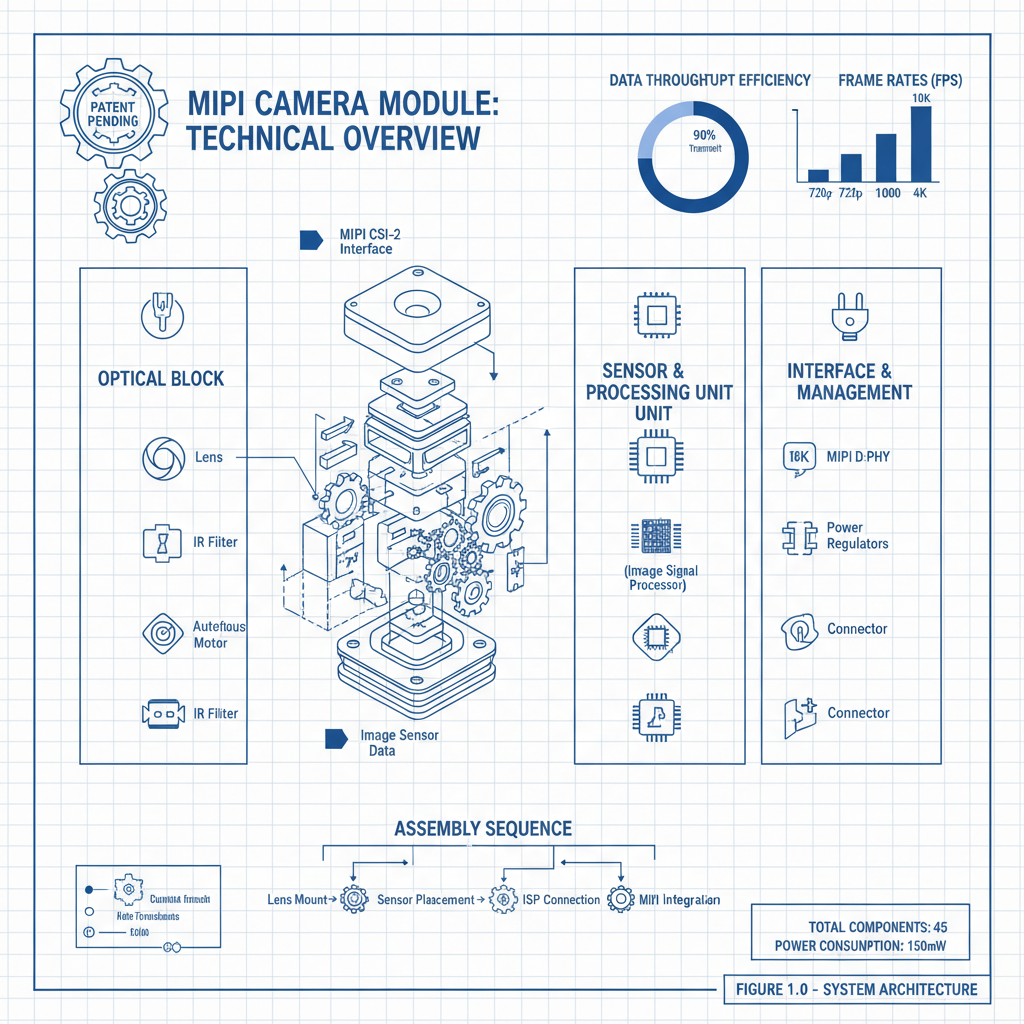
MIPI stands for Mobile Industry Processor Interface. A MIPI camera module integrates an image sensor, lens, and signal processing circuitry onto a single compact module. This module then connects to a host processor via the MIPI CSI-2 (Camera Serial Interface 2) protocol. This standardized interface ensures high-speed data transfer with low power consumption, making it ideal for mobile and embedded applications. Essentially, it’s a self-contained camera system designed for easy integration into various devices. SZMYCCM specializes in producing these high-quality, reliable modules.
Key Highlights: Integrates image sensor, lens, and processing circuitry; utilizes MIPI CSI-2 for high-speed data transfer; designed for compact and low-power applications.
Applications of MIPI Camera Modules
The versatility of MIPI camera modules leads to a broad range of applications. Common uses include smartphones and tablets, where they provide high-resolution imaging capabilities. They are also crucial in automotive applications, powering features like rear-view cameras, lane departure warning systems, and autonomous driving technologies. Furthermore, MIPI modules find applications in medical devices (endoscopes, surgical cameras), industrial inspection systems, security cameras, drones, and virtual/augmented reality headsets. The small form factor and low power consumption make them perfectly suited for these diverse fields.
Application Areas:
• Smartphones & Tablets
• Automotive Systems
• Medical Devices
• Industrial Inspection
MIPI Camera Module Specifications: Key Considerations
Choosing the right MIPI camera module requires careful consideration of several key specifications. These include resolution (measured in megapixels), sensor size (influences light sensitivity and image quality), frame rate (frames per second - impacts video smoothness), lens field of view (FOV), interface type (MIPI CSI-2 lane configuration), and power consumption. Furthermore, factors like low-light performance, dynamic range, and image processing capabilities (e.g., HDR) are crucial depending on your application. It’s essential to align these specifications with the specific requirements of your project.
Advantages of Using MIPI Camera Modules
Compared to traditional camera interfaces like parallel interfaces, MIPI CSI-2 offers significant advantages. These include a smaller footprint, lower power consumption, reduced electromagnetic interference (EMI), and higher data transfer rates. The standardized interface simplifies integration, reducing development time and costs. Additionally, the compact size of the modules makes them ideal for space-constrained applications. SZMYCCM focuses on delivering these benefits to our customers.
Looking Ahead: The Future of MIPI Technology
The MIPI Alliance continues to develop and refine the MIPI CSI-2 standard, with ongoing efforts to increase bandwidth, reduce power consumption, and enhance image quality. Future developments are expected to focus on supporting higher resolutions, faster frame rates, and advanced imaging features like computational photography. As technology advances, MIPI camera modules will remain at the forefront of imaging innovation, enabling new and exciting applications across various industries.
Conclusion: Embracing the Power of MIPI Camera Modules
MIPI camera modules represent a powerful and versatile imaging solution for a wide range of applications. Their compact size, low power consumption, and high-speed data transfer capabilities make them an essential component in modern devices. By understanding the key specifications and benefits of these modules, you can select the right solution for your specific project and unlock the full potential of imaging technology. Explore the extensive range of MIPI camera modules offered by SZMYCCM to find the perfect fit for your needs.
Frequently Asked Questions (FAQs)
What is the difference between MIPI CSI-2 and other camera interfaces?
MIPI CSI-2 offers several key advantages over older interfaces like parallel interfaces. Firstly, it uses a high-speed serial communication protocol, reducing the number of wires required and simplifying board layout. Secondly, it consumes significantly less power, making it ideal for battery-powered devices. Thirdly, it’s designed to minimize electromagnetic interference (EMI). Finally, the standardized nature of MIPI CSI-2 ensures interoperability between different devices and components. This streamlined integration process and performance benefits make it the preferred choice for most modern imaging applications.
What factors affect image quality in a MIPI camera module?
Several factors contribute to image quality. The sensor size plays a critical role, with larger sensors generally capturing more light and producing images with better low-light performance. Resolution (megapixel count) determines the level of detail in the image. Lens quality impacts sharpness and distortion. Image signal processing (ISP) algorithms within the module enhance image clarity, color accuracy, and dynamic range. Furthermore, factors like pixel size and sensor technology (e.g., BSI) also influence image quality.
How do I choose the right MIPI camera module for my application?
Begin by defining your application's specific requirements. Consider the necessary resolution, frame rate, field of view, and low-light performance. Assess the available space and power budget. Determine the interface requirements of your host processor. Compare different modules based on these specifications and consider factors like cost, availability, and vendor support. Contacting SZMYCCM can provide expert guidance in selecting the optimal module.
What is the typical lifespan of a MIPI camera module?
The lifespan of a MIPI camera module is typically 5-10 years, depending on the quality of the components, environmental conditions, and usage patterns. Factors like exposure to extreme temperatures, humidity, and vibration can shorten the lifespan. Proper handling and storage are crucial. Regular testing and calibration can help ensure optimal performance and extend the module's operational life. Choosing a reputable supplier like SZMYCCM ensures you receive a reliable and durable product.
-
Guide to Raspberry Pi Camera Module v3 with Powered Autofocus
NewsApr.16,2026
-
Guide to Using the raspberry pi camera module v1 3 for IoT Projects
NewsApr.09,2026
-
Exploring the Capabilities of the Raspberry Pi Camera Module 3 Noir for Diverse Applications
NewsApr.07,2026
-
Unlocking Visual Potential with the Raspberry Pi Camera Module 3 for Advanced Projects
NewsApr.04,2026
-
Raspberry Pi Noir Camera Module V2 8MP 1080p30 A Comprehensive Guide for Projects
NewsMar.31,2026
-
Comprehensive Guide to the Raspberry Pi 3 B+ Camera Module and Its Applications
NewsMar.28,2026
-
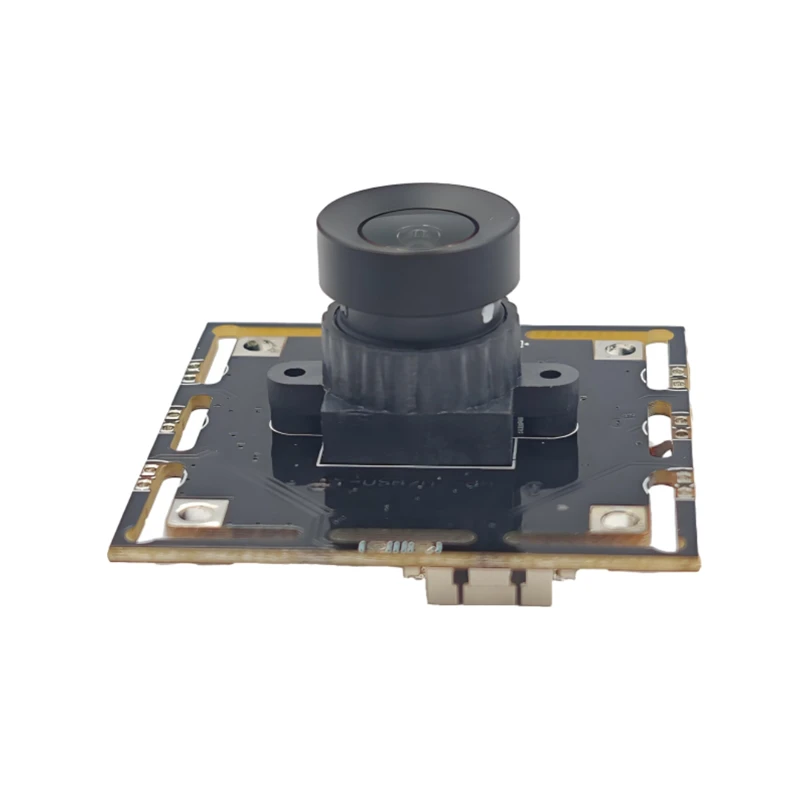
MY-USB1M818A Global Exposure Usb Camera Module With 1mp Hd Video
-
-
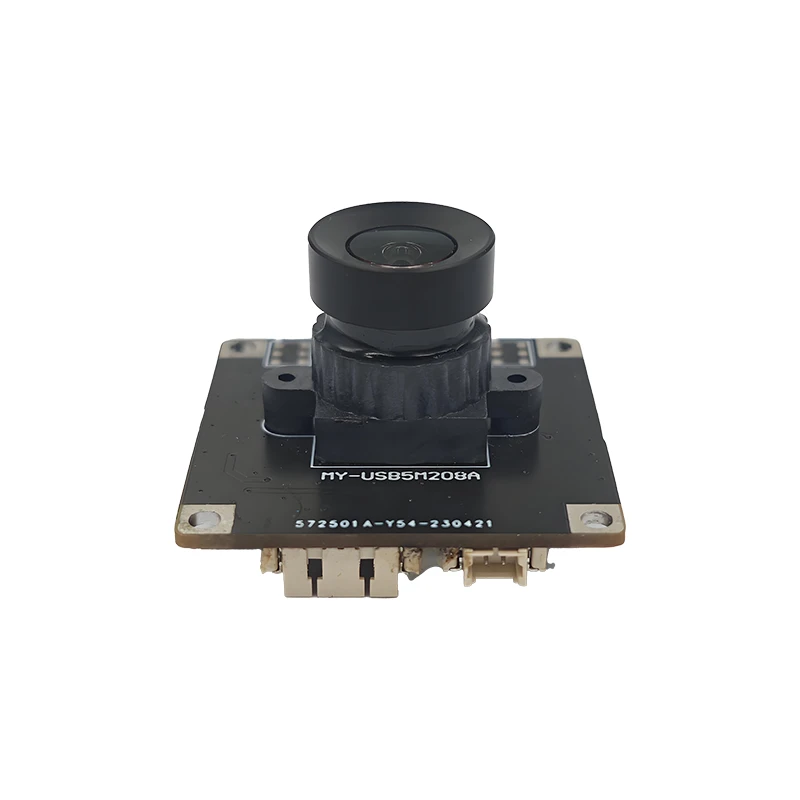
-
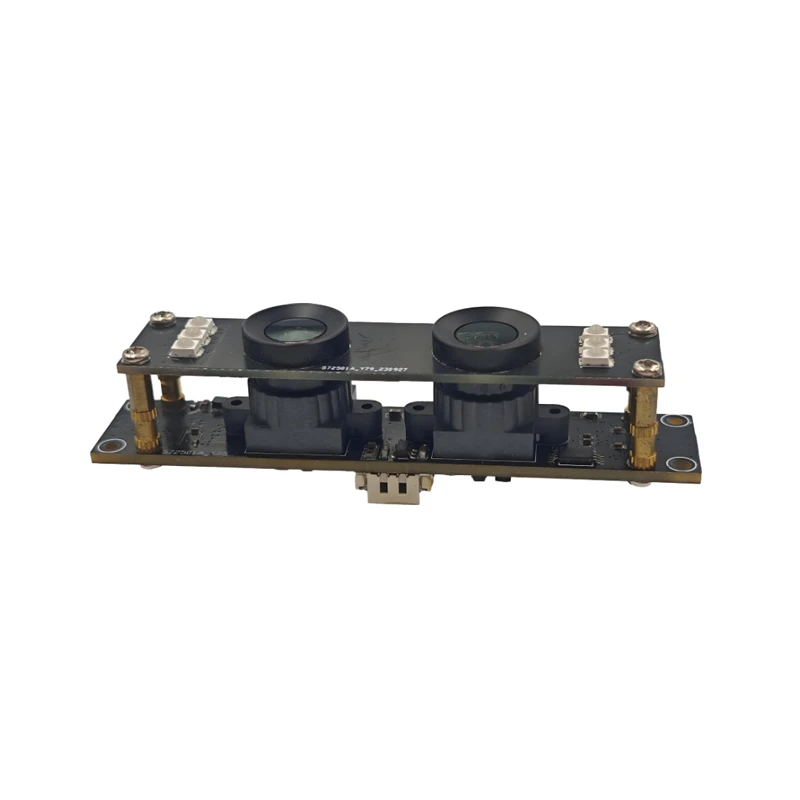
MY-DC52M-A1 Dual Lens Wide Dynamic Range Usb2.0 Camera Module With HD Video 5mp+2mp
-
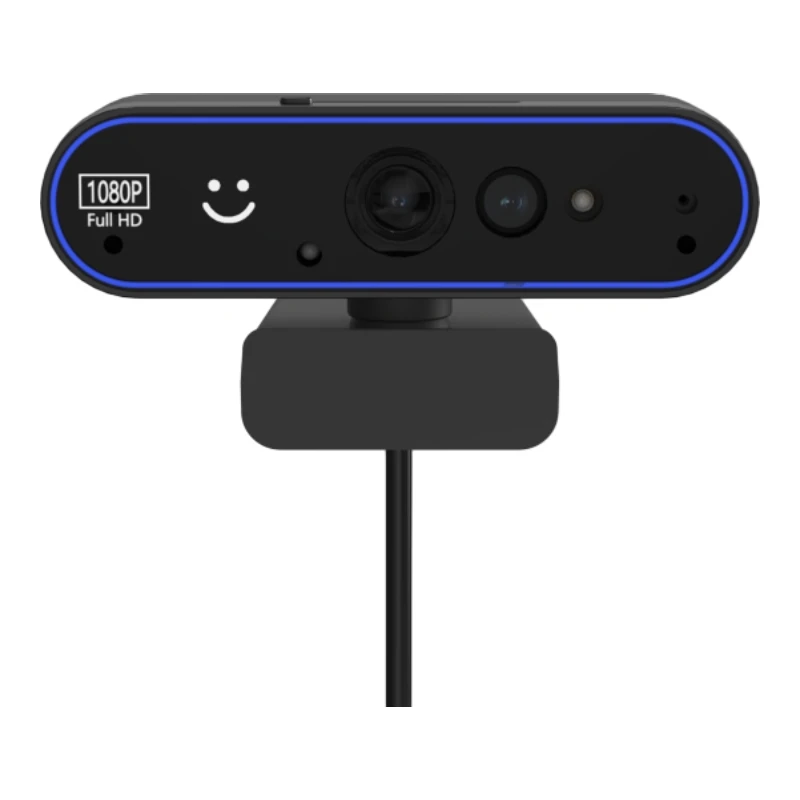
MY-WHC700 Windows Hello Face Recognition Binocular USB Camera
-

MY-DC-260-A1 Dual Lens Usb2.0 Web Camera With High-definition Video 2mp+2mp
-
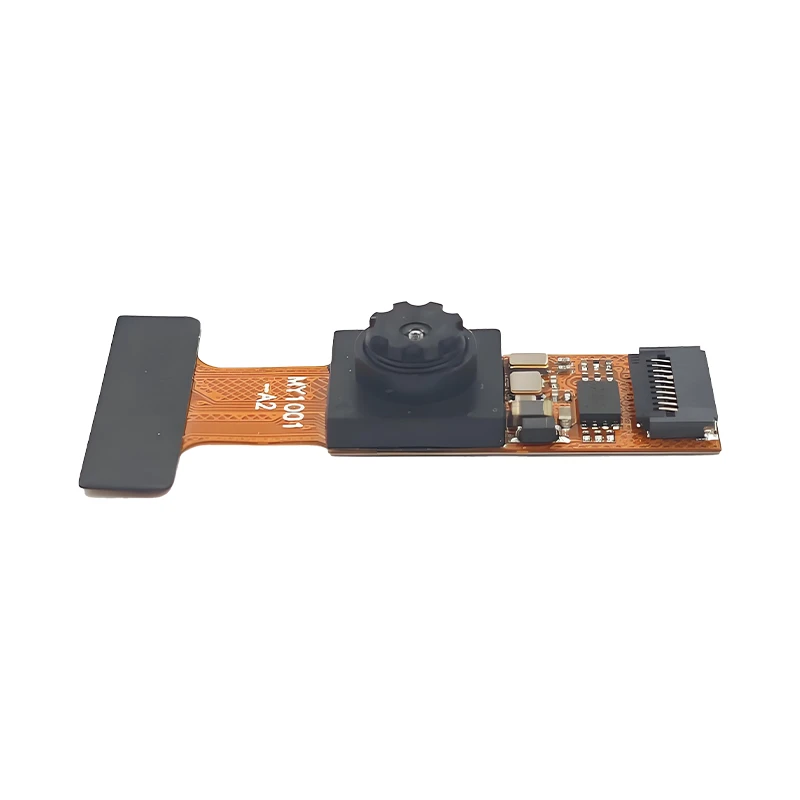
MY-1001-A2 AI Tracking, Gesture Recognition, Sitting Posture Detection Smart Camera Module
-
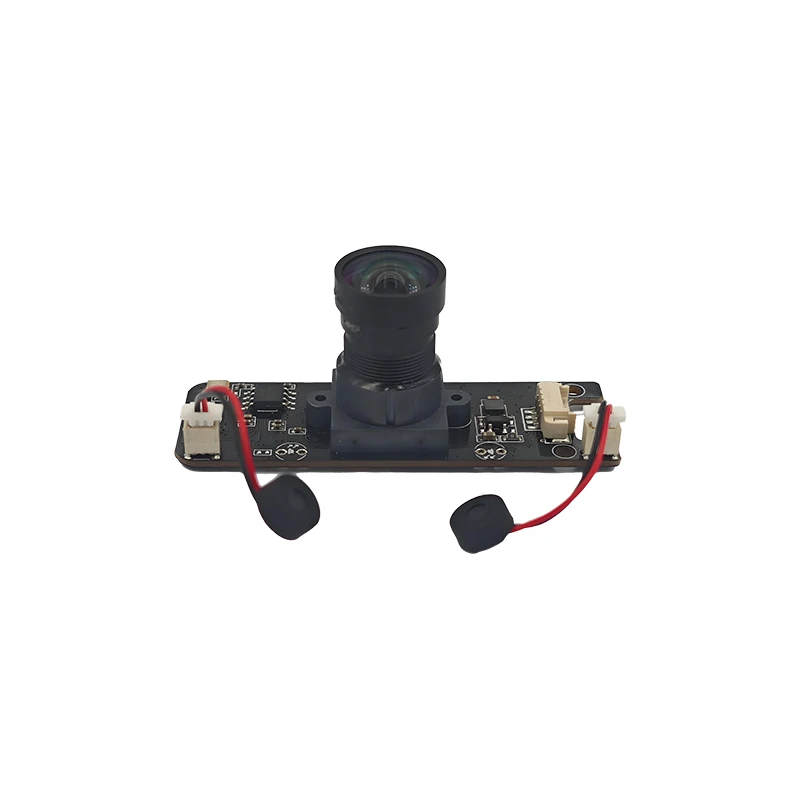
MY-USB8M158A 4K Resolution HD Video Driver-Free USB Camera Module With Microphone
