


Nov . 30, 2025 15:05 Back to list
Essential Guide to 5 MP Cameras: Applications, Benefits, and Future Trends
Understanding the 5 MP Camera: Small Resolution, Big Impact
We often underestimate the power packed into a seemingly modest specification: a 5 mp camera. Countless industries, from security to industrial inspection, depend heavily on this middle-ground resolution that balances quality and cost-effectiveness. Globally, the relevance of such cameras grows as digital imaging integrates deeper into public safety, manufacturing, and even humanitarian efforts. I suppose the intrigue is in how this specific megapixel count manages to remain a reliable workhorse in a sea of ever-increasing resolutions.
Why does it matter? Because not every application requires a 20-megapixel monster, nor does every budget stretch that far. The 5 mp camera hits a sweet spot: good enough to capture fine detail but affordable, energy-efficient, and flexible for many use cases. This article walks you through the critical aspects of these cameras and why industries worldwide trust them.
Why the 5 MP Camera Matters in Today’s Global Landscape
With an estimated 4 billion surveillance cameras deployed worldwide as of recent studies (source: Wikipedia Surveillance Camera Market), it's clear imaging devices are central to modern infrastructure. The 5 megapixel camera segment holds a strong market portion because it's a reliable solution where moderately high image quality is needed without excessive data and system strain.
Think about rapid urbanization or post-disaster landscapes — often, efficient monitoring with clear enough visuals can make or break an operation, whether government-led or NGO-driven. Plus, lower megapixel cameras consume less storage and bandwidth, which is crucial in remote or bandwidth-constrained regions. Crisp enough detail to identify faces or license plates but compact in delivery – that’s the toolkit’s charm.
However, challenges arise: how to sustain image quality under tricky lighting, securely deploy in diverse climates, or integrate with evolving AI systems? The 5 mp camera category addresses these by balancing imaging specs with practical design.
What Exactly Is a 5 MP Camera?
In simple terms, a 5 mp camera features an image sensor capable of producing images with approximately five million pixels, usually around 2592 × 1944 pixels. It's not just about tiny dots on a screen but the ability to retain sharp detail when zooming or analyzing footage.
These cameras often come with CMOS sensors, efficient image processors, and modest optical lenses. In industry, they function as sturdy eyes — whether spotting cracks in manufacturing lines or monitoring public spaces for safety. Oddly enough, despite smartphones racing to 100+ megapixels, the humble 5 mp camera remains indispensable in sectors where lightweight, durable, and cost-effective imaging counts more than ultra-high resolution.
Connection to Modern Industry & Humanitarian Needs
If you consider disaster relief operations, mobile security units, or remote infrastructure monitoring, you’ll find 5 MP cameras embedded deeply. They’re compact enough for quick deployment yet deliver critical information. This kind of resolution ensures faces or important markers are clear without overwhelming data systems, especially vital for NGOs operating on tight budgets or tricky logistics.
Key Features That Define a 5 MP Camera’s Real-World Value
1. Durability and Environmental Resistance
Many 5 mp cameras are built for rugged environments — IP66/IP67 ratings are common, sealing them against dust and water. This means they can keep running in dust storms or heavy rains, essential whether you’re tracking pipeline integrity or watching over a festival crowd.
2. Cost Efficiency
Compared to higher-megapixel models, the 5 MP variety often costs significantly less — both upfront and in ongoing storage and network expenses. For businesses or agencies, this can mean scaling coverage without breaking the bank.
3. Compatibility with AI and Analytics
More vendors target the sweet spot where 5 MP resolution is just enough for most AI-driven tasks—like motion detection, facial recognition, or license plate reading—while maintaining fast processing and low latency.
4. Power and Data Requirements
The lower pixel count reduces power consumption, enabling these cameras to run longer on PoE (Power over Ethernet) or small batteries, a must-have for flexible deployments.
5. Image Quality in Variable Light
Modern 5 MP cameras incorporate IR night vision or starlight technology, expanding use cases into dim or no-light scenarios without costly lighting setups.
Specification Table: Typical 5 MP Camera Features
| Feature | Specification |
|---|---|
| Resolution | 2592 × 1944 pixels (5 megapixels) |
| Sensor Type | 1/2.7” CMOS sensor |
| Lens | 3.6 mm fixed or varifocal lens options |
| Night Vision | IR LED up to 30 meters |
| Connectivity | PoE, Ethernet, Wi-Fi (optional) |
| Operating Temperature | -20°C to 60°C |
| Ingress Protection | IP66 / IP67 weatherproof rating |
Who’s Using 5 MP Cameras and How?
Industries worldwide deploy these cameras extensively. For instance:
- Urban Surveillance: City governments in Asia and Europe use 5 mp cameras to monitor traffic flow and enhance law enforcement visibility.
- Industrial Zones: Mining and oil extraction sites in Australia use such cameras for real-time monitoring of equipment.
- Humanitarian Aid: In post-disaster relief scenarios, NGOs rely on these cameras for perimeter security and asset tracking with minimal infrastructure.
- Agriculture: Farm operators in the American Midwest use 5 MP cameras for crop monitoring and pest detection remotely.
One NGO, for example, deployed a network of 5 mp cameras in refugee camps to safeguard facilities while preserving dignity through moderate resolution — high enough to deter threats but far from intrusive HD surveillance.
Vendor Comparison: Leading 5 MP Camera Providers
| Brand | Average Price (USD) | Key Strength | Warranty |
|---|---|---|---|
| CamTech Pro | $120 | Low-light sensitivity | 3 years |
| VisionX | $100 | Affordable & rugged | 2 years |
| SecureView | $150 | AI-integrated analytics | 3 years |
Advantages and Long-term Value of 5 MP Cameras
Using a 5 MP camera goes beyond just the numbers. The benefits ripple through every operational layer — from reducing data storage costs to simplifying network infrastructure. The moderate image resolution means less bandwidth used, lower processing requirements, and usually, faster response times in security or industrial systems.
On an emotional level, organizations gain peace of mind — the camera quietly works, rain or shine, providing actionable insight. The investment in a balanced camera solution denotes trust in innovation, sustainability, and safety without flashy overkill. Socially, it means better surveillance without being overwhelming or invasive. It’s that fine dance between clear visibility and respectful monitoring.
Looking Ahead: Future Trends in 5 MP Camera Technology
Innovation isn’t standing still, even in this mid-tier realm. Expect to see greater integration of edge AI processing within 5 MP cameras, reducing reliance on cloud infrastructure and speeding up analytics. There's also rising adoption of green energy components — solar-powered units for remote installs are edging into the market.
Regarding materials, more weatherproof and lightweight composites are gaining ground, helping extend device longevity. And smart interoperability means these cameras will better plug into IoT ecosystems, linking diverse sensors and devices for richer contextual data.
Digital transformation and sustainability are the twin pillars shaping the next generation of these cameras, promising smarter, greener, and more autonomous units. Honestly? It feels like the evolution of 5 MP cameras will be about subtle refinement — quietly making the tech more useful and accessible.
Challenges That Still Surround 5 MP Cameras (and How to Beat Them)
Of course, no tech is perfect. Challenges like low-light noise, occasional latency in AI-driven recognition, and limitations in ultra-long-range optics persist. Some users also find that when data encryption is neglected, it exposes systems to cyber threats.
Experts recommend combining these cameras with supplemental lighting where possible, maintaining regular firmware updates, and investing in hybrid edge-cloud AI solutions. Also, pairing 5 MP cameras with complementary sensor types (thermal, acoustic) can offset their shortcomings in certain niche applications.
Bottom line? The key is not to rely solely on specs but to thoughtfully integrate the 5 mp camera within a bigger system approach.
FAQ: Frequently Asked Questions About 5 MP Cameras
- What makes a 5 mp camera ideal for industrial monitoring?
- The 5 MP resolution provides enough image clarity to detect structural issues or monitor equipment performance without overwhelming data handling systems, making it a cost-effective choice for continuous surveillance.
- Can a 5 mp camera perform well in low light conditions?
- Many 5 MP cameras now include IR LEDs or starlight sensors, which enhance night vision and low-light performance, although performance varies by model and environment.
- Are 5 mp cameras compatible with AI-based security systems?
- Yes. 5 MP resolution is often sufficient for AI analytics like facial recognition or object detection, and many models incorporate onboard AI processing to speed analysis.
- How long do 5 mp cameras typically last in harsh environments?
- With proper IP ratings and build quality (e.g., IP66 or IP67), 5 MP cameras can operate reliably for 3–5 years or more, though regular maintenance extends this lifespan.
- Is storage a concern when using multiple 5 MP cameras?
- While higher resolution means larger files, 5 MP cameras strike a balance that keeps storage demand manageable, especially with efficient compression like H.265.
Wrapping It Up: The Enduring Appeal of the 5 MP Camera
For those scouting balanced, practical imaging solutions, the 5 mp camera keeps proving its worth. The blend of solid resolution, affordability, and adaptable technology ticks many boxes for varied applications worldwide. As tech advances, these cameras will only grow smarter and more sustainable, cementing their role in industries and humanitarian fields alike.
Curious to explore specific models or solutions? Don’t hesitate to drop by our site and see what’s new in the 5 MP camera space.
Stay curious, keep watching — sometimes, five million pixels are precisely what you need.
References
-
Guide to Raspberry Pi Camera Module v3 with Powered Autofocus
NewsApr.16,2026
-
Guide to Using the raspberry pi camera module v1 3 for IoT Projects
NewsApr.09,2026
-
Exploring the Capabilities of the Raspberry Pi Camera Module 3 Noir for Diverse Applications
NewsApr.07,2026
-
Unlocking Visual Potential with the Raspberry Pi Camera Module 3 for Advanced Projects
NewsApr.04,2026
-
Raspberry Pi Noir Camera Module V2 8MP 1080p30 A Comprehensive Guide for Projects
NewsMar.31,2026
-
Comprehensive Guide to the Raspberry Pi 3 B+ Camera Module and Its Applications
NewsMar.28,2026
-
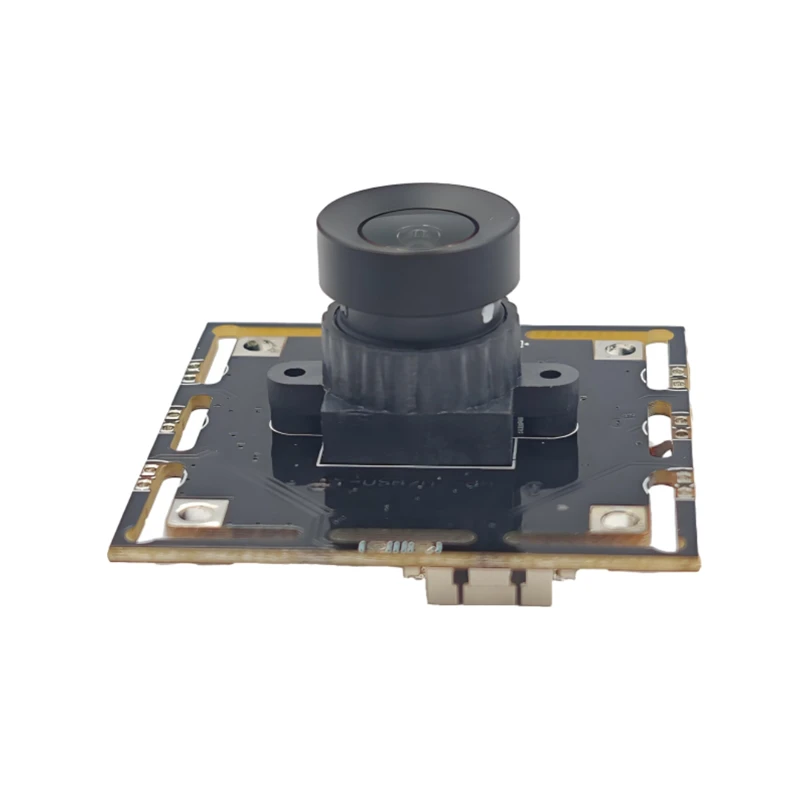
MY-USB1M818A Global Exposure Usb Camera Module With 1mp Hd Video
-
-
-
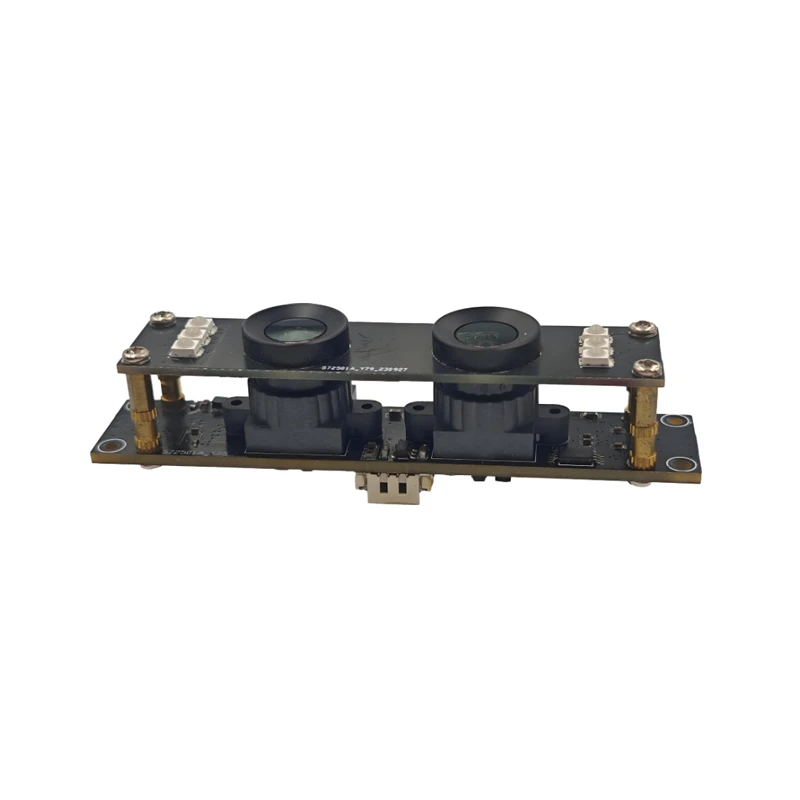
MY-DC52M-A1 Dual Lens Wide Dynamic Range Usb2.0 Camera Module With HD Video 5mp+2mp
-
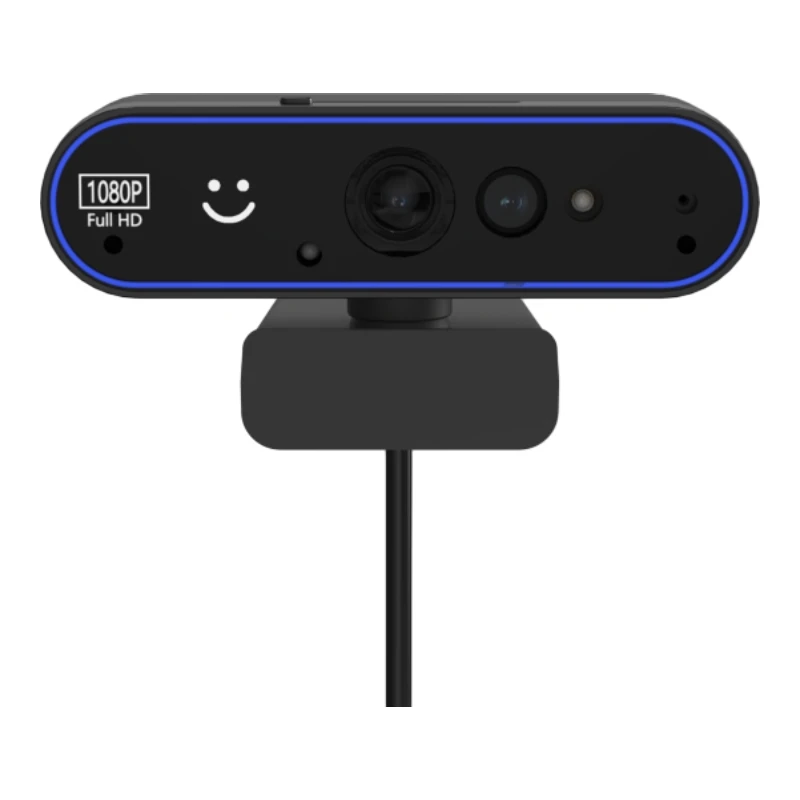
MY-WHC700 Windows Hello Face Recognition Binocular USB Camera
-

MY-DC-260-A1 Dual Lens Usb2.0 Web Camera With High-definition Video 2mp+2mp
-
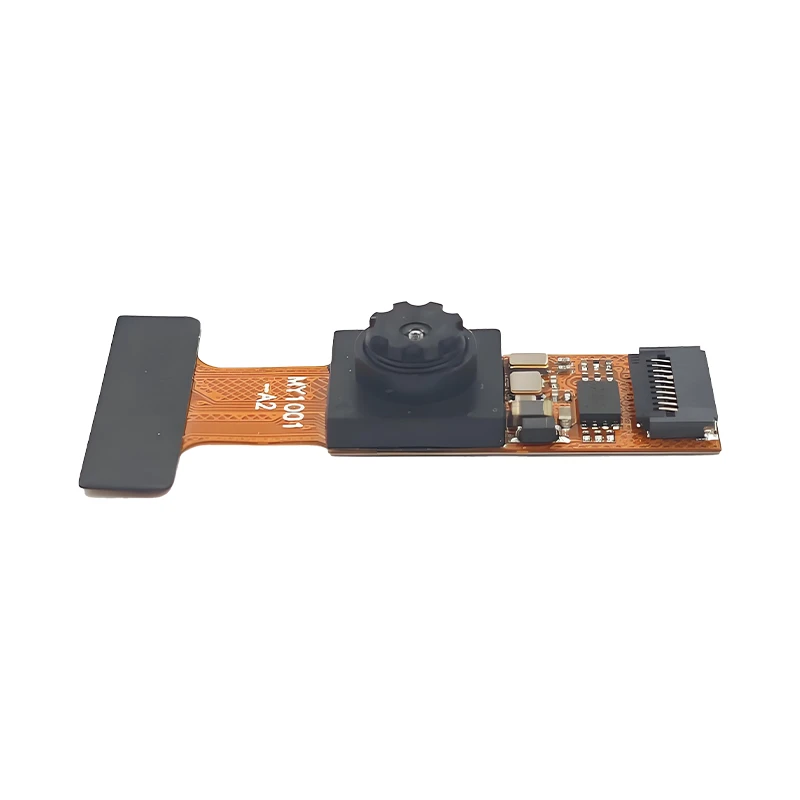
MY-1001-A2 AI Tracking, Gesture Recognition, Sitting Posture Detection Smart Camera Module
-
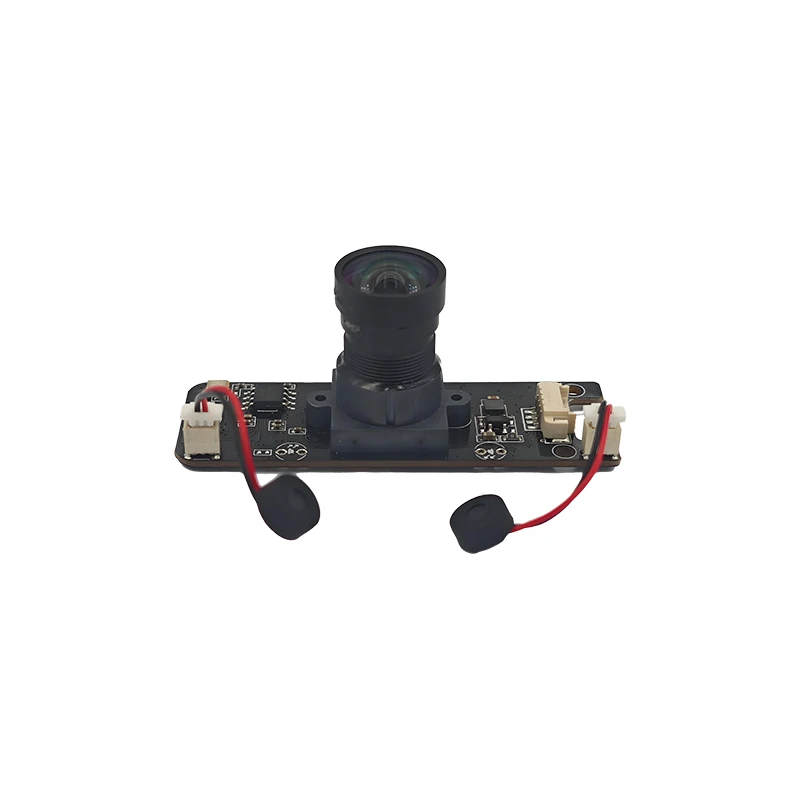
MY-USB8M158A 4K Resolution HD Video Driver-Free USB Camera Module With Microphone
