


Nov . 28, 2025 13:30 Back to list
Essential Guide to Camera and Mic for Laptop: Features, Trends, and Buying Tips
Why the Camera and Mic for Laptop Matter More Than Ever
It's easy to take for granted the tiny camera and microphone built into most laptops these days. But if you stop and think about it — which many people have had to recently — these two components are the unsung heroes of modern communication and work-from-anywhere lifestyles. Whether it’s virtual meetings, telehealth appointments, or simply catching up with loved ones on video calls, the camera and mic on your laptop enable a seamless, often face-to-face experience without leaving your desk.
Globally, as more people depend on remote work and digital connectivity — and even schools and government services move online — understanding the quality, features, and limitations of your laptop’s camera and mic becomes vital. They touch everything from professional productivity to privacy considerations to digital equity for underserved populations.
Mini takeaway: The camera and mic on laptops aren’t just tech specs; they’re gateways for connection in an increasingly virtual world.
Setting the Stage: The Global Importance of Laptop Cameras and Microphones
According to the International Telecommunication Union (ITU), over 60% of the world’s population had internet access as of 2023 — a figure climbing steadily each year (1). With this surge, laptops remain a go-to device for many, especially in work and education. Yet, the built-in camera and mic — sometimes overlooked as mundane components — have become frontline enablers of digital inclusion.
A challenge arises with inconsistent audio-visual quality, especially across regions with older hardware or limited funding. It's not just a matter of convenience; poor camera and mic performance can hamper learning, reduce access to telemedicine, and complicate international business communications. And in humanitarian contexts, these components support remote assessments or coordination when travel isn’t feasible.
Mini takeaway: Reliable laptop cameras and microphones are essential infrastructure for bridging global digital divides and enabling remote engagement.
What Exactly Are Cameras and Microphones for Laptops?
Simply put, a camera for laptop is a small digital image sensor embedded above the device’s screen, capturing live video feed. The mic for laptop is typically a miniature microphone embedded near the keyboard or bezel that picks up sound, translating it into digital audio for processing.
Together, these form the audiovisual interface of the laptop, allowing users to broadcast their presence and voice during calls. The quality varies based on sensor resolution (for cameras) and microphone sensitivity and noise reduction features, impacting user experience. They're essentially the new "eyes and ears" in a world leaning ever more on virtual interactions.
Mini takeaway: Laptop cameras and microphones are small but critical sensory tools translating the real world into digital signals for communication and collaboration.
Core Factors That Define the Quality and Usefulness of Laptop Cameras and Microphones
Resolution and Image Quality
Not all laptop cameras are created equal. A 720p camera might have sufficed a few years ago, but with 1080p and even 4K webcams becoming affordable, many engineers say the sharpness and color accuracy can make or break a video call, especially for presentations or customer-facing scenarios.
Microphone Sensitivity and Noise Cancellation
Good microphones capture clear sound without picking up too much background noise — crucial in open office setups or noisy homes. Some laptops now boast multiple mics for directional audio, improving call clarity, which surprises some users who didn’t realize their mic was mono and limited.
Latency and Sync Issues
It feels odd when your lip movement doesn’t sync with the audio. Camera and mic integration affects latency — especially in bandwidth-challenged environments — influencing how real-time and smooth the interaction feels.
Durability and Physical Placement
Placement of the camera and mic can impact not just usability but durability. For instance, ones nestled discreetly at the bezel fare better against dust and damage than external USB devices. Likewise, built-in mics reduce cable clutter but must be robust against wear.
Privacy Features
Given rising concerns over unauthorized access ('camfecting'), many laptops now integrate physical shutters or microphone mute buttons — reassuring features in contemporary times.
Mini takeaway: Camera and mic specs might seem subtle but directly influence reliability, clarity, and user trust in digital communication.
How the Camera and Mic for Laptop Are Shaping Real-World Applications
From Silicon Valley startups to rural classrooms in remote Africa, the camera and mic for laptop serve varied roles:
- Education: Video lectures and student presentations hinge on decent webcams and clear audio input.
- Healthcare: Telemedicine platforms rely on these to conduct visual diagnosis and patient interviews remotely.
- Corporate: Global teams stay synchronized through video conferencing tools needing good AV hardware.
- Humanitarian Aid: Remote monitoring and rapid reporting in disaster zones leverage laptops equipped with sturdy cameras and microphones.
Oddly enough, even artists and content creators use these not just for meetings but for streaming, recording tutorials, or quick brainstorming sessions, making quality all the more essential.
Mini takeaway: The laptop’s camera and mic technology is truly versatile, supporting a broad spectrum of critical global use cases.
Advantages and Intangible Benefits Over Time
The obvious plus is enhanced communication, of course. But beyond that:
- Cost efficiency: Built-in means no extra purchase or setup, reducing barriers.
- Sustainability: Integrated components often consume less power than external peripherals.
- Social Impact: They empower marginalized groups to participate fully in digital life.
- Psychological: Seeing and hearing people in real time fosters trust and empathy.
In real terms, a reliable camera and mic for a laptop can mean the difference between inclusion and isolation.
Future Trends: The Next Steps for Laptop Cameras and Microphones
Looking ahead, advancements include:
- AI-enhanced video and audio processing: Auto-framing, background blur, voice recognition.
- Higher resolution and 3D sensing: For immersive experiences or improved facial recognition.
- Eco-friendly materials: Sustainable manufacturing in line with global targets.
- Hardware-software integration: Simplified controls and privacy enhancements.
It's fascinating how these tiny components reflect the broader themes of digital transformation and green innovation.
Common Challenges and How They’re Overcome
Despite improvements, issues persist — low lighting still causes grainy video, microphones can pick up distracting noises, and not all devices support the latest codecs or software standards. Manufacturers increasingly tackle these through sensor upgrades, multi-mic arrays, and firmware updates. Plus, user education — on positioning, lighting, and software settings — remains vital.
In short, it’s not just about having a camera and mic but about using them effectively.
FAQ: Frequently Asked Questions About Camera and Mic for Laptop
1. How do I improve my laptop camera and mic quality without buying new hardware?
Using good lighting, positioning your laptop closer, and minimizing background noise help a lot. Software noise suppression tools and webcam apps with enhancements also boost quality. Sometimes a quick driver update can work wonders.
2. Are all laptop cameras HD, or should I check before buying?
Not all are HD. Many budget laptops still use 720p, which is fine for casual calls but less sharp for professional uses. It’s best to check specs — aiming for at least 1080p if video quality is important.
3. What privacy features should I look for in laptop cameras and microphones?
Physical shutters for the camera, microphone mute buttons, and LED indicators that light up when the cam is active are good starts. Also, check your OS privacy settings and app permissions regularly.
4. Can external USB webcams and microphones be better than built-in ones?
Often yes — they allow higher-quality components and flexible positioning. However, they add cost and require setup. Built-in hardware is more convenient and compact, ideal for casual or mobile users.
5. How does microphone placement affect sound quality on a laptop?
Mics near the keyboard pick up more typing noise, while those close to the webcam better capture voice. Some laptops have multiple mics arrayed for stereo or directional audio which greatly enhances clarity.
Product Specification Table
| Feature | Standard Laptop Camera | High-End Laptop Camera |
|---|---|---|
| Resolution | 720p (HD) | 1080p (Full HD) / 4K optional |
| Microphones | Single mic, mono | Dual-array mics with noise cancellation |
| Privacy | None or software controlled | Physical shutter + LED indicator |
| Low Light Performance | Basic | Enhanced sensors + software enhancement |
| Connectivity | Built-in in laptop | Built-in with improved driver support |
Vendor Comparison: Selecting Quality Camera and Mic for Laptops
| Vendor | Price Range | Quality Rating (1–5) | Special Features | Ideal Use |
|---|---|---|---|---|
| Logitech (built-in OEM partners) | $$$ | 4 | Noise cancelling dual mics, privacy shutter | Professional / Enterprise |
| Realtek | $ | 3 | Basic mic and camera modules | Budget / General Use |
| Sony IMX Series | $$$ | 5 | Superior image sensing, low light optimized | High-end and flagship laptops |
| Conexant Audio Providers | $$ | 4 | Advanced audio DSP for noise suppression | Mid-Range / Business |
In closing, the small yet mighty camera and mic for laptop deserve your attention — not just as features but as tools fueling modern life. With evolving use cases, improving tech, and ongoing global demand, their role is only escalating. If you’re seeking to upgrade or understand your device better, or even selecting hardware for an organization, these insights might save you some trouble.
For those eager to dive deeper or shop the best options, don’t hesitate to explore camera and mic for laptop suppliers online — they’ve got the latest models and expert advice ready to help.
References:
-
Guide to Raspberry Pi Camera Module v3 with Powered Autofocus
NewsApr.16,2026
-
Guide to Using the raspberry pi camera module v1 3 for IoT Projects
NewsApr.09,2026
-
Exploring the Capabilities of the Raspberry Pi Camera Module 3 Noir for Diverse Applications
NewsApr.07,2026
-
Unlocking Visual Potential with the Raspberry Pi Camera Module 3 for Advanced Projects
NewsApr.04,2026
-
Raspberry Pi Noir Camera Module V2 8MP 1080p30 A Comprehensive Guide for Projects
NewsMar.31,2026
-
Comprehensive Guide to the Raspberry Pi 3 B+ Camera Module and Its Applications
NewsMar.28,2026
-
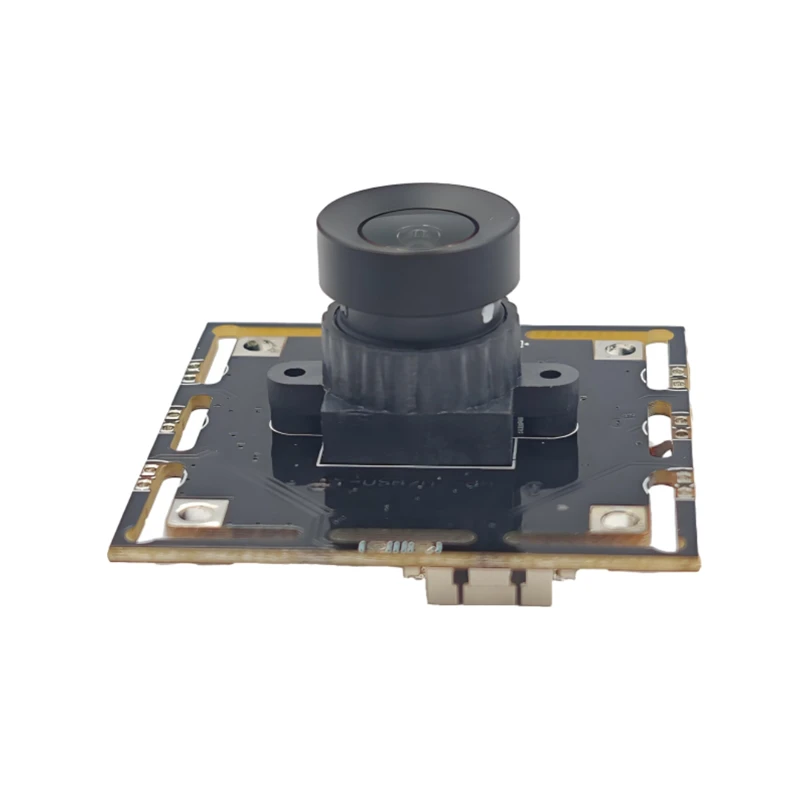
MY-USB1M818A Global Exposure Usb Camera Module With 1mp Hd Video
-
-
-
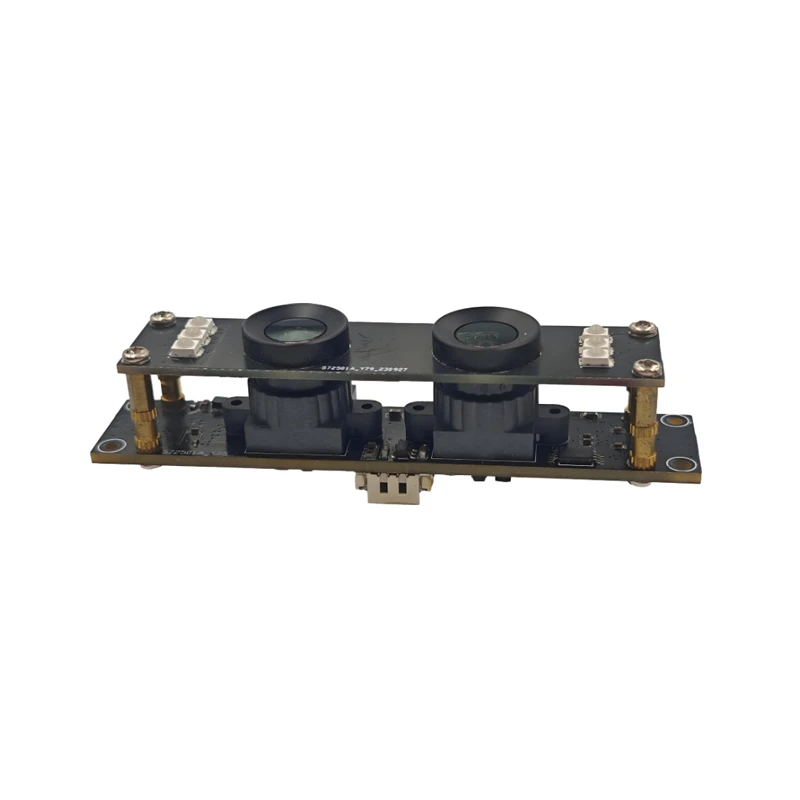
MY-DC52M-A1 Dual Lens Wide Dynamic Range Usb2.0 Camera Module With HD Video 5mp+2mp
-
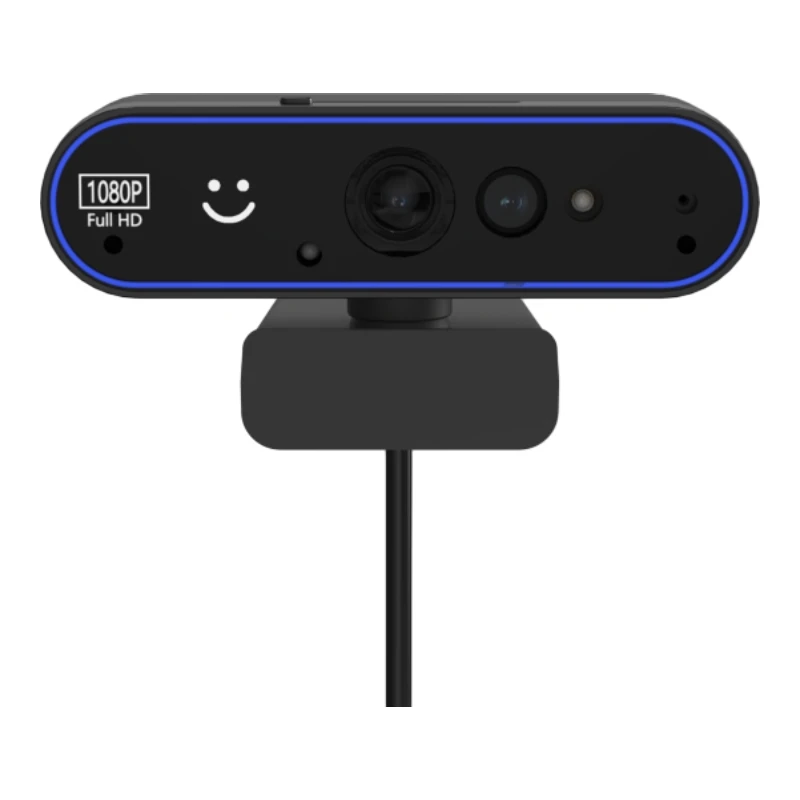
MY-WHC700 Windows Hello Face Recognition Binocular USB Camera
-
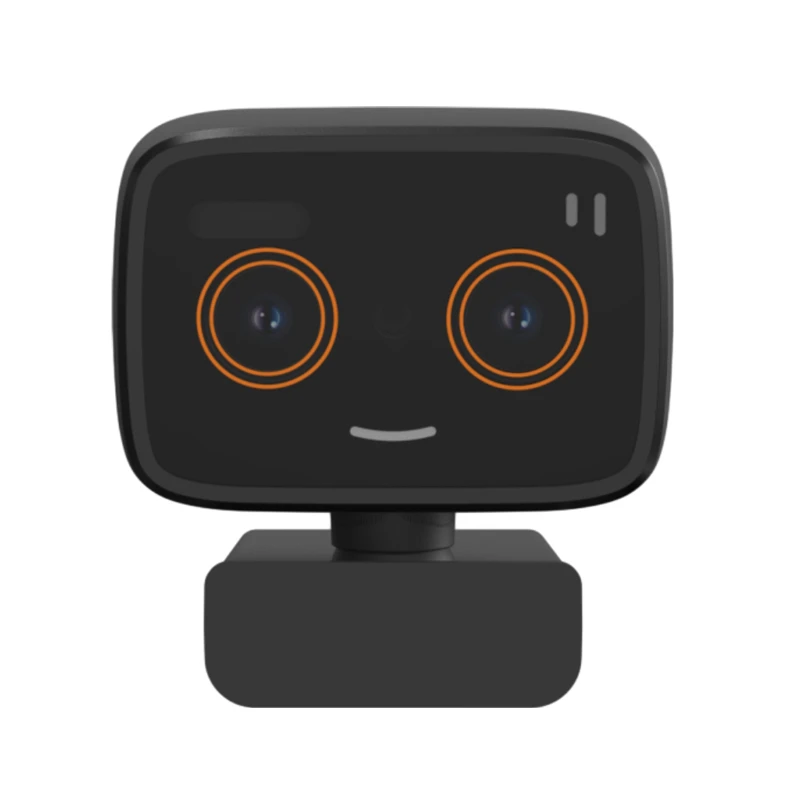
MY-DC-260-A1 Dual Lens Usb2.0 Web Camera With High-definition Video 2mp+2mp
-
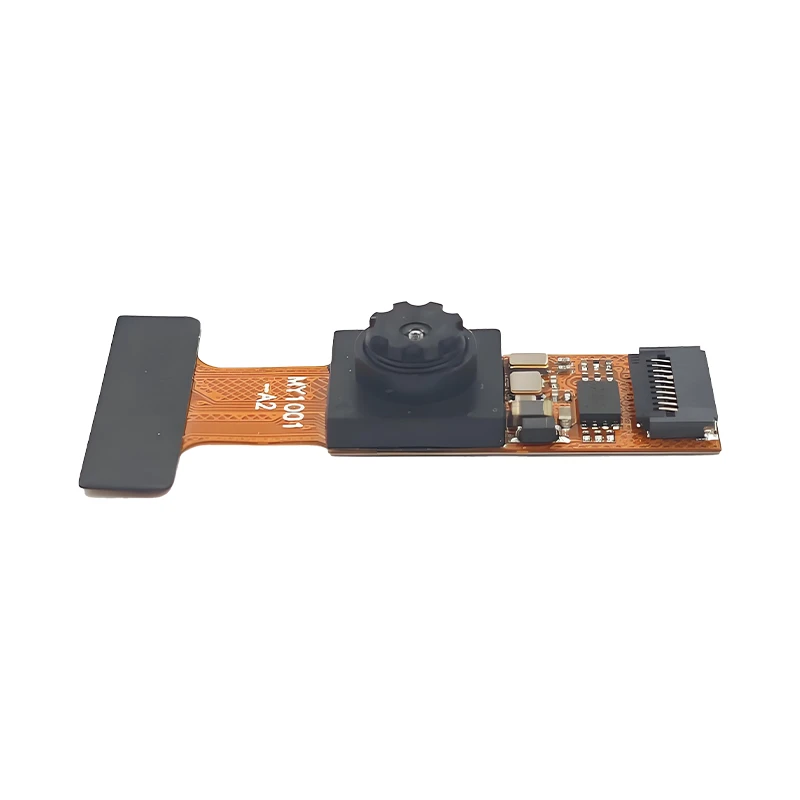
MY-1001-A2 AI Tracking, Gesture Recognition, Sitting Posture Detection Smart Camera Module
-
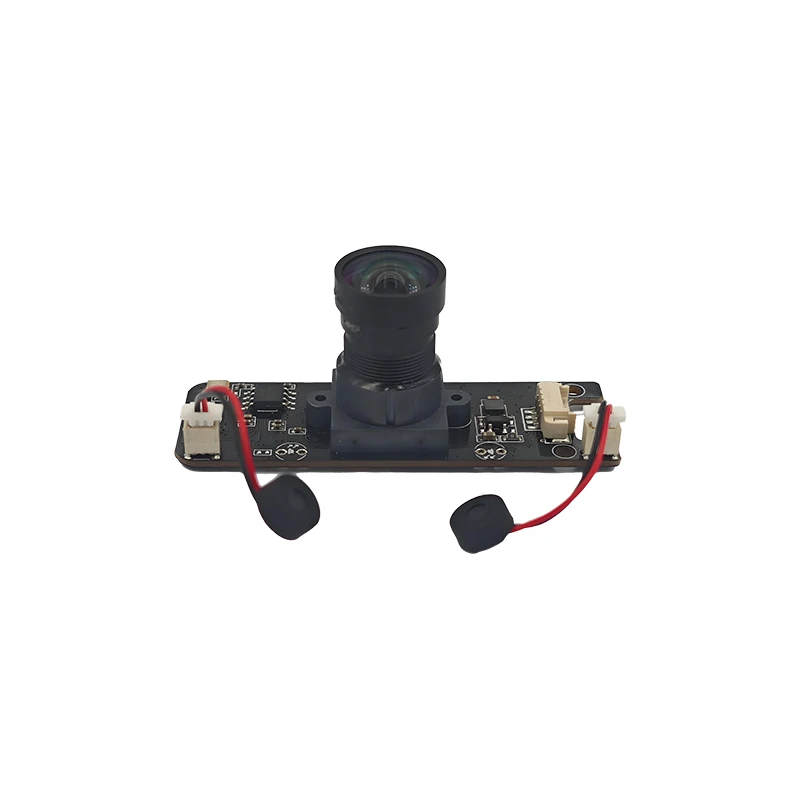
MY-USB8M158A 4K Resolution HD Video Driver-Free USB Camera Module With Microphone
