


Dec . 31, 2025 04:15 Back to list
High-Quality Webcam Module USB for Industrial Equipment | SZMYCCM
Why a Quality webcam module USB Still Matters in Industrial Equipment
Having spent quite a few years in the industrial equipment sector, I’ve seen technology evolve at a dizzying pace. Yet one seemingly simple component, the webcam module USB, keeps turning up as surprisingly critical. Oddly enough, despite smartphones and HD cameras being everywhere, these compact camera modules remain fundamental—especially when embedded directly into machinery or quality control systems.
In real terms, a webcam module USB is more than just a tiny camera stuck to a device. It’s often a lifeline for remote diagnostics, quality assurance, or real-time monitoring. I recall one evening on the factory floor, troubleshooting a line-wide vision system. The clarity and responsiveness of the USB webcam modules made all the difference — without them, we’d have been flying blind, frankly.
Many engineers I know appreciate that these modules pack quite a punch in a small, robust package. They’re built to withstand vibrations, temperature swings, and even some dust ingress — because, let’s face it, industrial environments are far from pristine. The key specs typically include sensor resolution, frame rate, interface protocols (USB 2.0 or 3.0 usually), and power consumption. Selecting the right module requires balancing quality with price and durability.
| Feature | Typical Specification |
|---|---|
| Sensor Type | CMOS |
| Resolution | 2MP – 8MP |
| Frame Rate | Up to 60fps |
| Interface | USB 2.0 / USB 3.0 |
| Operating Temp | -20°C ~ 70°C |
| Lens Type | Fixed focus / Auto focus |
Customization plays an outsized role here. In industry, no two setups are quite the same, so vendors who offer tweaks to lens size, driver compatibility, and firmware can save you weeks of integration headaches. Frankly, I’ve seen projects delayed simply because the webcam module wasn’t properly tested for their specific environment or software stack.
When it comes to sourcing, here’s a small comparison drawn from my experience and conversations with colleagues in electronics procurement:
| Vendor | Product Range | Customization | Typical Lead Time | Price Position |
|---|---|---|---|---|
| SZMYCCM | Wide (2MP–8MP modules) | Highly flexible | 2–4 weeks | Mid-range |
| Vendor B | Limited (mostly 2MP) | Minimal | 1–2 weeks | Budget |
| Vendor C | Niche (high-res specialty) | Moderate | 4+ weeks | Premium |
Oddly enough, despite being a mature technology, the webcam module USB still invites new upgrades—better sensors, smarter image processing right on module chips, and improved low-light performance. I suppose it reflects how key reliable imaging is for so many industrial automation tasks.
As a quick anecdote: a local client once needed a rugged, lightweight webcam module embedded in a drone inspecting giant storage tanks. The chosen units from SZMYCCM struck the perfect balance between image clarity and power draw. It was neat to see specialized industrial needs met by what feels like a tiny, everyday tech item.
To sum up, when you’re picking a webcam module USB for industrial gear, don’t just look at specs on paper. Check build quality, vendor support, and most importantly, real-world testing. The tiniest component can often become the linchpin in complex systems.
All said and done, these little camera modules have quietly earned their spot in industrial workflows — and I expect they’ll only grow more essential going forward.
References:
- Industry standards for machine vision components, IEEE Journal of Industrial Electronics
- Field notes from manufacturing automation specialists, 2023
- Vendor specs and customization overviews from SZMYCCM official documentation
-
Guide to Raspberry Pi Camera Module v3 with Powered Autofocus
NewsApr.16,2026
-
Guide to Using the raspberry pi camera module v1 3 for IoT Projects
NewsApr.09,2026
-
Exploring the Capabilities of the Raspberry Pi Camera Module 3 Noir for Diverse Applications
NewsApr.07,2026
-
Unlocking Visual Potential with the Raspberry Pi Camera Module 3 for Advanced Projects
NewsApr.04,2026
-
Raspberry Pi Noir Camera Module V2 8MP 1080p30 A Comprehensive Guide for Projects
NewsMar.31,2026
-
Comprehensive Guide to the Raspberry Pi 3 B+ Camera Module and Its Applications
NewsMar.28,2026
-
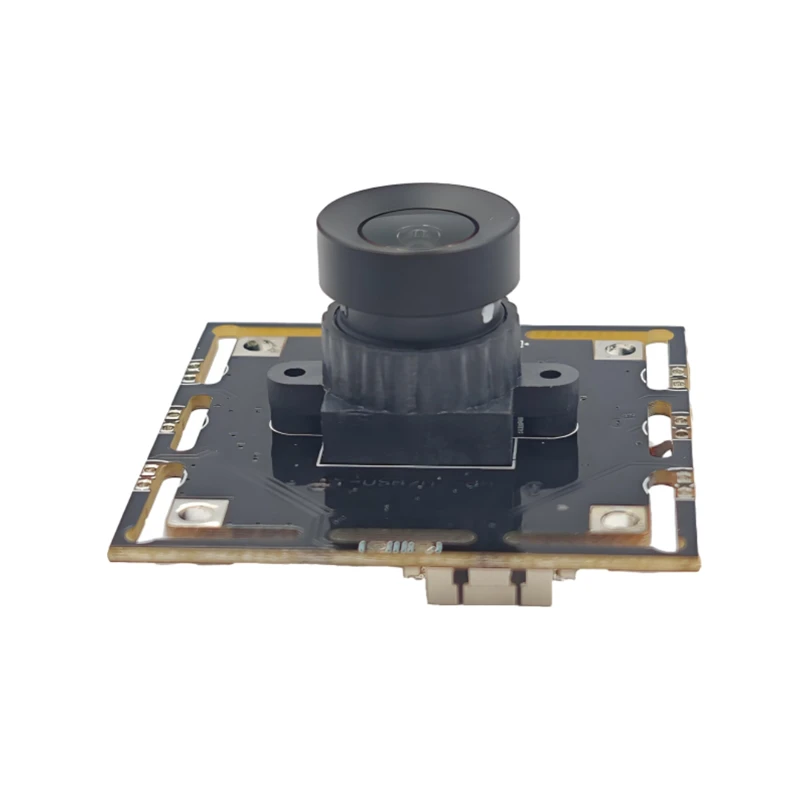
MY-USB1M818A Global Exposure Usb Camera Module With 1mp Hd Video
-
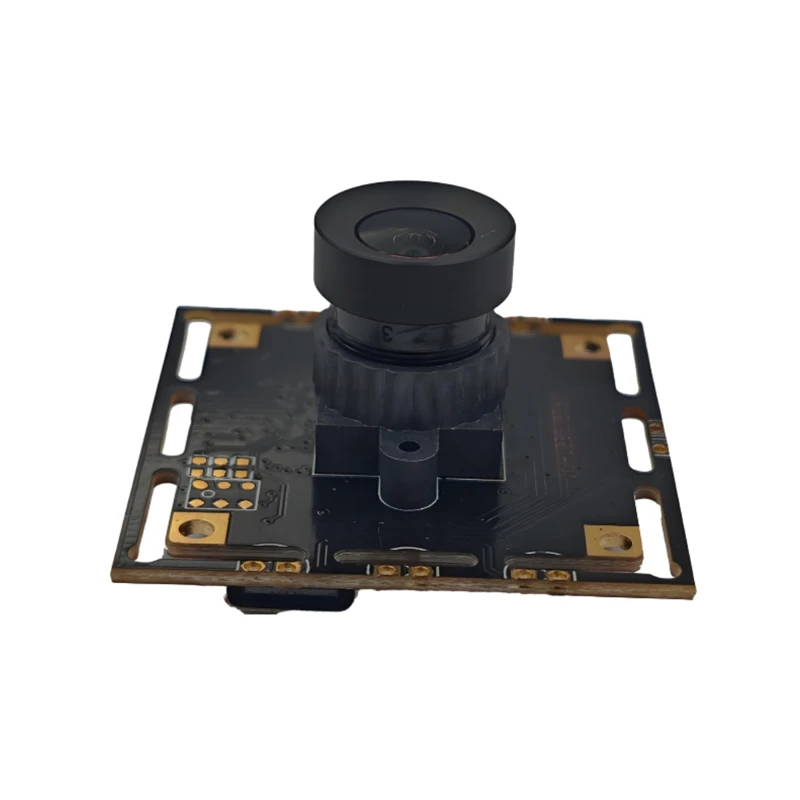
-
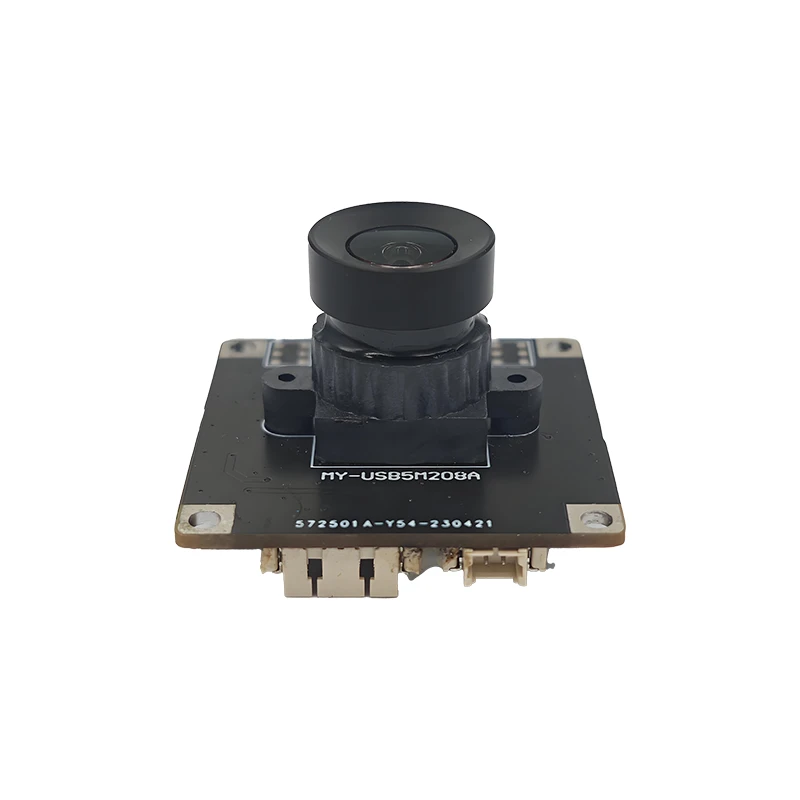
-
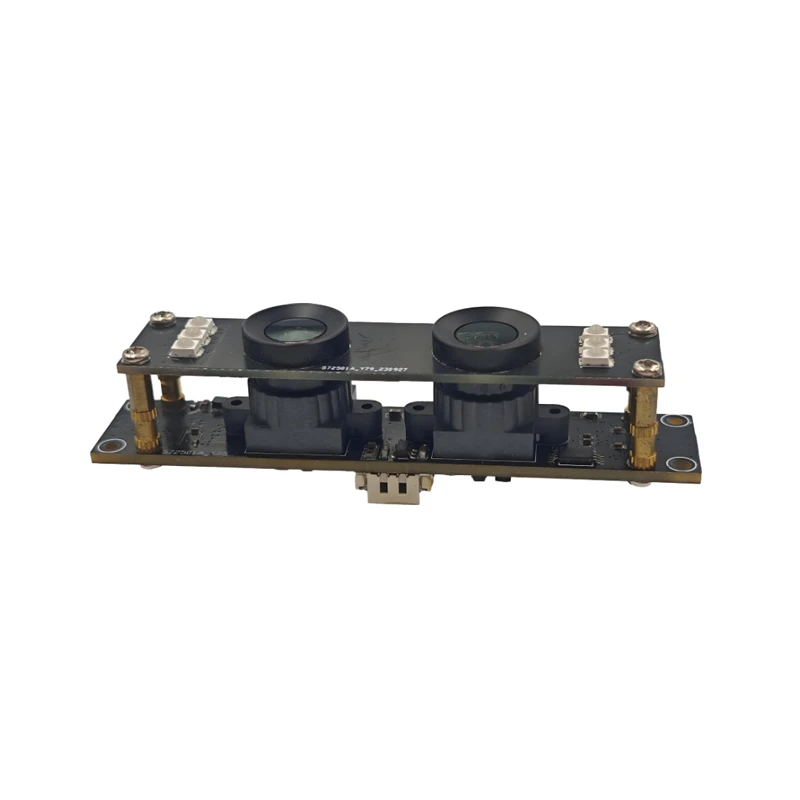
MY-DC52M-A1 Dual Lens Wide Dynamic Range Usb2.0 Camera Module With HD Video 5mp+2mp
-
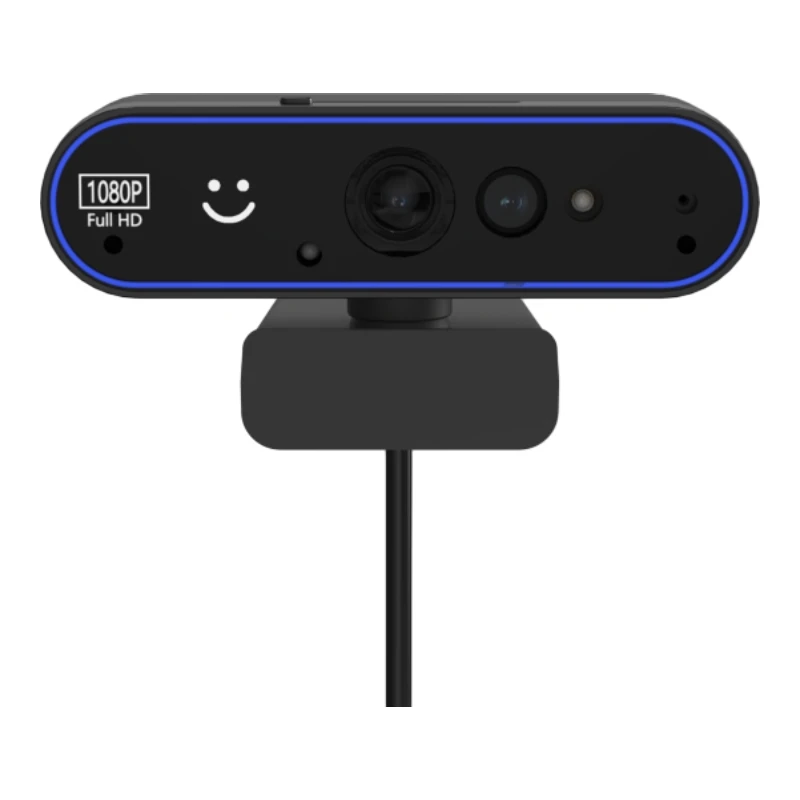
MY-WHC700 Windows Hello Face Recognition Binocular USB Camera
-

MY-DC-260-A1 Dual Lens Usb2.0 Web Camera With High-definition Video 2mp+2mp
-
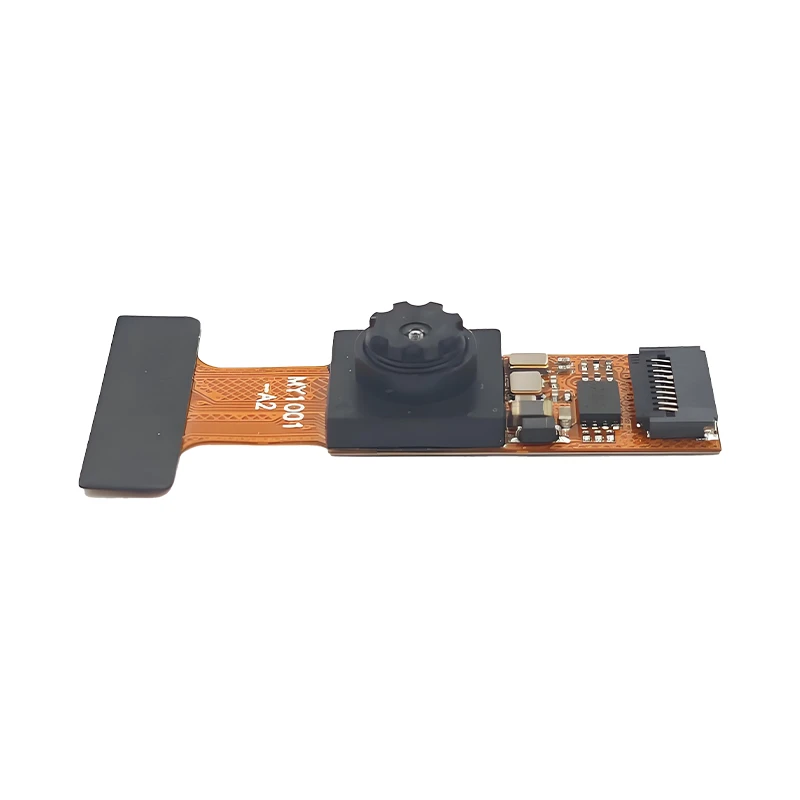
MY-1001-A2 AI Tracking, Gesture Recognition, Sitting Posture Detection Smart Camera Module
-
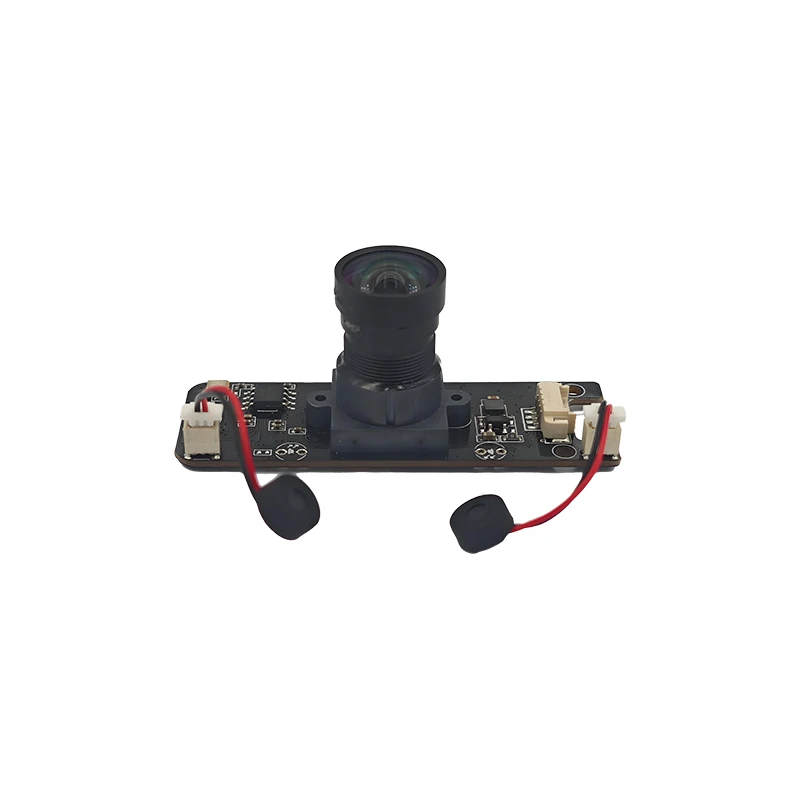
MY-USB8M158A 4K Resolution HD Video Driver-Free USB Camera Module With Microphone
