


Dec . 09, 2025 10:00 Back to list
High Resolution USB Camera Module for Industrial Use | SZMYCCM
High Resolution USB Camera Module: A Reliable Workhorse in Industrial Settings
Having worked over a decade in the industrial equipment sector, I can say the high resolution USB camera module is something I’ve seen evolve from a nicety to an essential. You know, it’s one of those components that quietly powers quality control, machine vision, and countless inspection tasks—sometimes overlooked until it’s time to pick the right one.
Industry trends have been nudging camera modules towards smaller sizes but with beefier specs. With manufacturing becoming more automated and complex, the demand for cameras that provide crystal-clear, high frame-rate images—and do so reliably under harsh conditions—has risen substantially. Frankly, not every module labeled “high resolution” can withstand industrial dust, vibrations, or temperature swings.
What struck me early on with these modules is how much their performance depends on the sensor and the optical design. Besides the megapixel count (which is often the “headline” spec), you want decent autofocus, low noise at high ISO, and robust connectors. The USB interface particularly appeals to engineers because it’s plug-and-play, widely compatible, and supports power delivery alongside the data stream. It feels like you can just hook it up without fussing over complex cabling or drivers.
Speaking of design, manufacturers often embed Sony or Omnivision CMOS sensors, paired with glass lenses that reduce distortion. Some models come with global shutters which are a game changer in fast-moving inspection lines—no motion blur, which is crucial for defect detection. Plus, the whole module’s size and weight matter if you’re integrating it into robotic arms or compact mechanisms. I noticed some vendors offer customizable casing materials, often aluminum, to improve heat dissipation.
Customer feedback I’ve encountered generally congregates around ease of integration and consistent image quality. One small but telling story: a client I worked with in automotive parts manufacturing replaced their old analog cameras with these high resolution USB camera modules and reportedly cut their defect rate by roughly 15%, thanks to improved image analytics. It’s anecdotal but aligns with broader trends in quality improvements driven by better vision systems.
| Feature | Description |
|---|---|
| Sensor | Sony IMX327 CMOS, 2MP |
| Resolution | 1920 x 1080 pixels (Full HD) |
| Frame Rate | Up to 60 fps |
| Lens | 2.8 mm fixed focus lens (glass) |
| Interface | USB 2.0 / 3.0 compatible |
| Operating Temperature | -20°C to 60°C |
| Power | 5V via USB, ~250mA typical |
| Dimensions | 24 mm x 24 mm x 15 mm |
Now, not all vendors are created equal. You’ll find modules that claim similar specs but differ significantly in build quality, software support, and warranty terms. I’ve often found it pays to compare a few key manufacturers side-by-side. Here's a snapshot comparison of three well-known vendors offering high resolution USB camera modules. This helps to put some nuance behind the headline spec sheets:
| Vendor | Sensor Brand | Frame Rate (fps) | Customization Options | Warranty |
|---|---|---|---|---|
| SZMYCCM | Sony IMX327 | 60 | Lens, interface, firmware | 1 year |
| VendorsInc | Omnivision OV2710 | 30 | Lens only | 6 months |
| CamTech | Sony IMX290 | 45 | Firmware, lens | 9 months |
You’ll notice the first vendor, SZMYCCM (the link, by the way, is right at the top there), really stands out for its sensor choice, consistent 60 fps frame rate, and wider customization potential. That kind of flexibility is usually what industrial clients prefer since their applications can be quite unique.
Testing procedures also matter. From my experience, thorough factory calibration and environmental stress testing correlate strongly with long-term stability. It’s a bit of a “you get what you pay for” story. The cheapo modules might meet specs on the datasheet but often fail after heated production line use.
In real terms, deploying a high resolution USB camera module means looking beyond specs—think mechanical durability, software compatibility with your inspection platform, and ongoing vendor support. Many engineers say you’re really paying for peace of mind, which frankly, in a fast-paced industry, counts for a lot.
All in all, if you’re aiming for precision, ease of integration, and solid uptime, prioritizing quality and vendor backing—as you might guess from my years on the line—is worth the extra scrutiny.
So, if you ever wonder where to start, taking a close look at offerings from reputable vendors like SZMYCCM will save you headaches down the line. It’s sort of like choosing your teammate on a tough project—you want someone reliable.
References:
1. Manufacturing Vision Systems Trends Report, Industry Weekly, 2023
2. SZMYCCM Product Documentation, 2024
3. Interview with Quality Inspection Engineer, AutoParts Co., 2022
-
Guide to Raspberry Pi Camera Module v3 with Powered Autofocus
NewsApr.16,2026
-
Guide to Using the raspberry pi camera module v1 3 for IoT Projects
NewsApr.09,2026
-
Exploring the Capabilities of the Raspberry Pi Camera Module 3 Noir for Diverse Applications
NewsApr.07,2026
-
Unlocking Visual Potential with the Raspberry Pi Camera Module 3 for Advanced Projects
NewsApr.04,2026
-
Raspberry Pi Noir Camera Module V2 8MP 1080p30 A Comprehensive Guide for Projects
NewsMar.31,2026
-
Comprehensive Guide to the Raspberry Pi 3 B+ Camera Module and Its Applications
NewsMar.28,2026
-
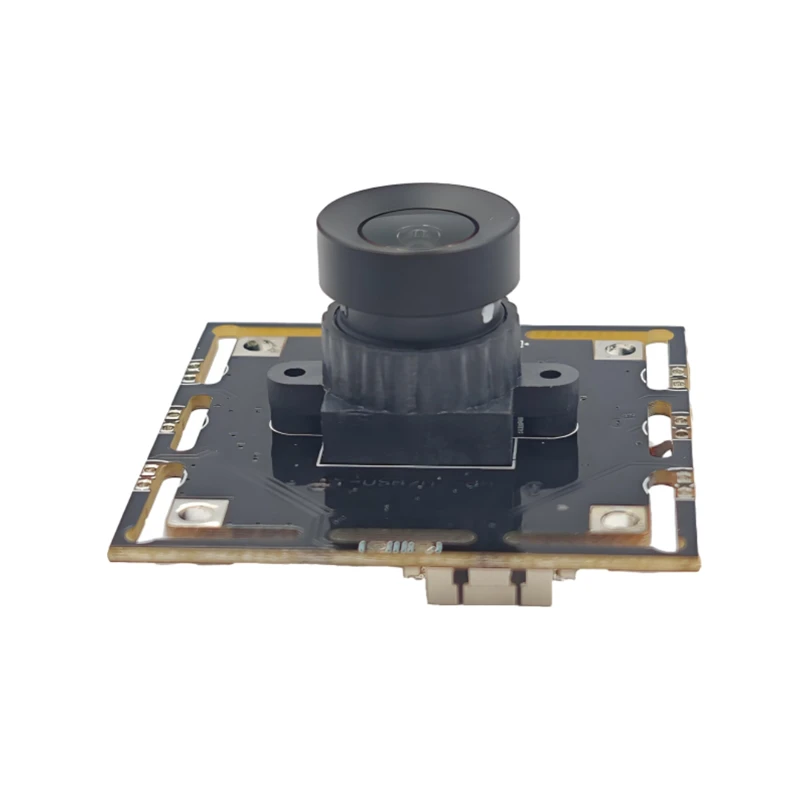
MY-USB1M818A Global Exposure Usb Camera Module With 1mp Hd Video
-
-
-
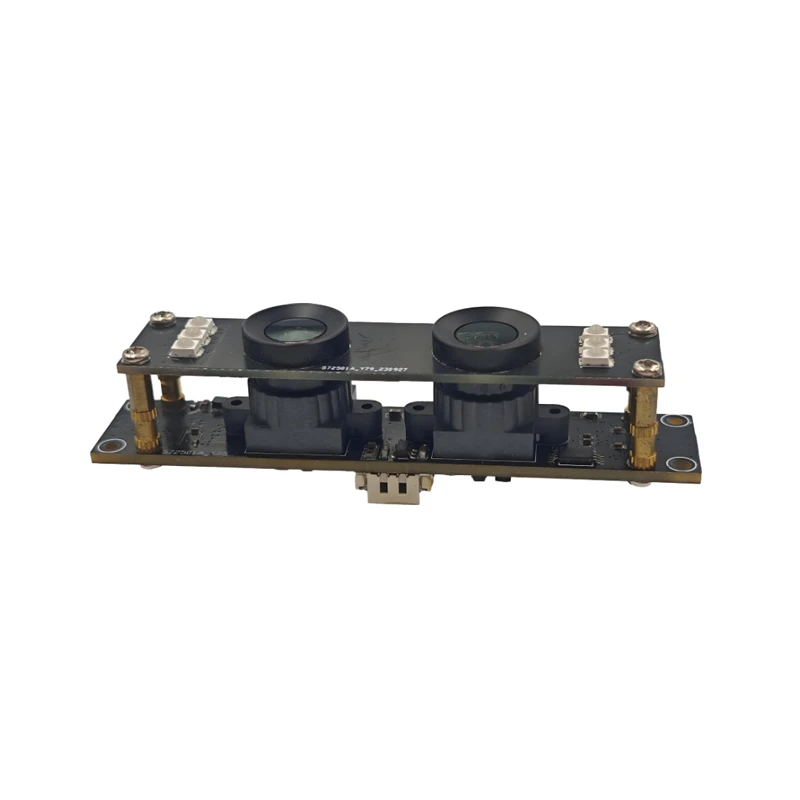
MY-DC52M-A1 Dual Lens Wide Dynamic Range Usb2.0 Camera Module With HD Video 5mp+2mp
-
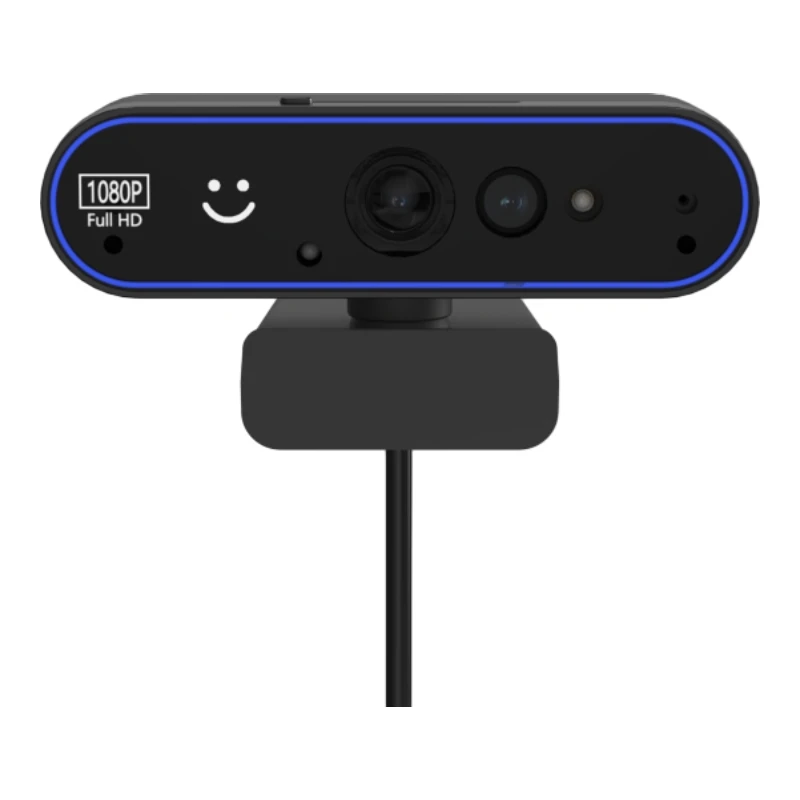
MY-WHC700 Windows Hello Face Recognition Binocular USB Camera
-
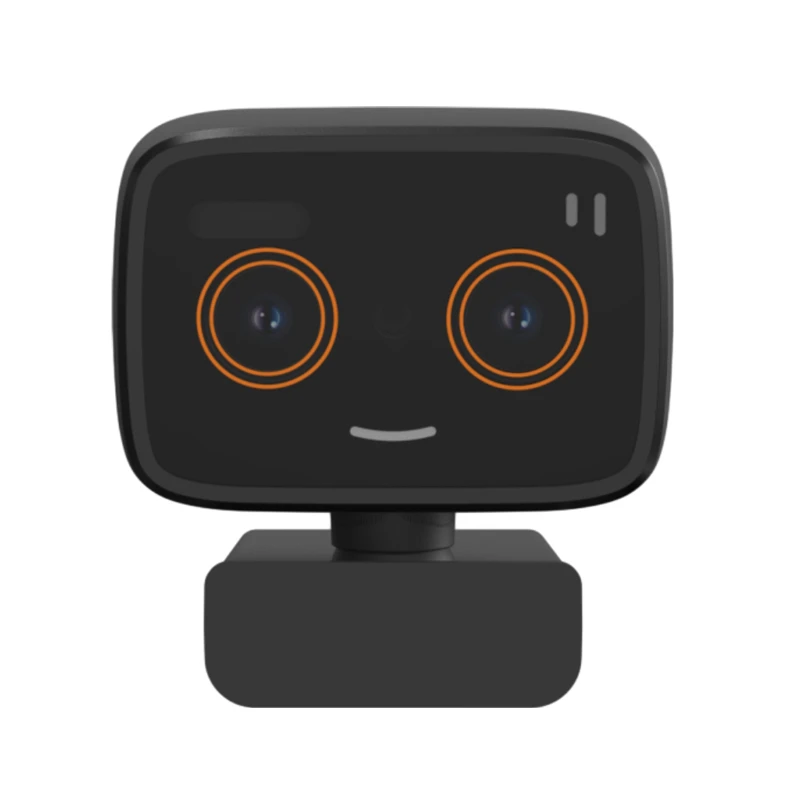
MY-DC-260-A1 Dual Lens Usb2.0 Web Camera With High-definition Video 2mp+2mp
-
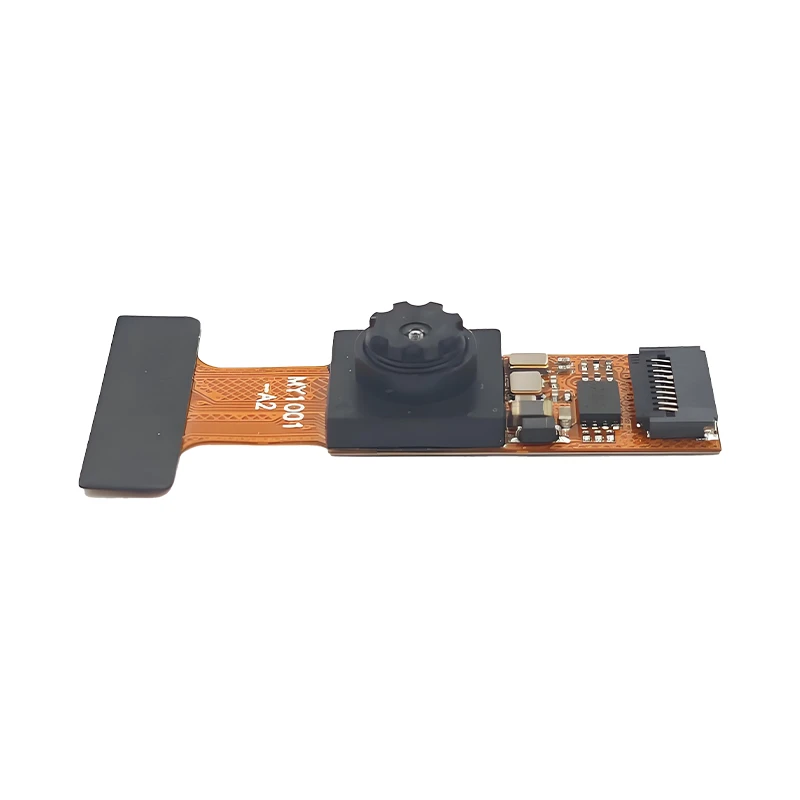
MY-1001-A2 AI Tracking, Gesture Recognition, Sitting Posture Detection Smart Camera Module
-
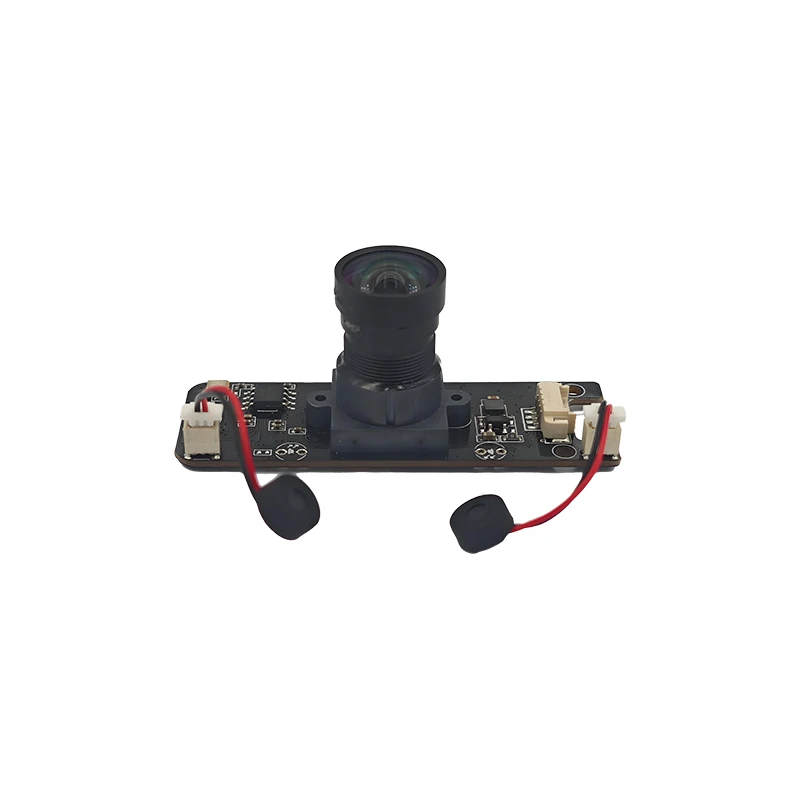
MY-USB8M158A 4K Resolution HD Video Driver-Free USB Camera Module With Microphone
