

Jan . 04, 2026 09:55 Back to list
Industrial Video Camera with Microphone Input – Reliable Audio-Visual Solutions
Choosing the Right Video Camera with Microphone Input for Industrial Use
Having spent a good chunk of my career working around heavy industrial equipment and intricate setups, one thing I’ve learned is that capturing clear, quality footage with sound is more complicated than it sounds. Video cameras with microphone input capability have become something of a necessity in various industrial sectors—from monitoring assembly lines to conducting safety inspections. But, frankly, not all of these cameras are created equal.
When I first started recommending video solutions for onsite recording, it was clear that a built-in microphone alone often just doesn’t cut it. Noise pollution in factories or outdoor sites can be relentless, so being able to attach a reliable external mic is a game changer. It gives you flexibility — for example, using a directional mic can help isolate specific sounds, making analysis far easier. You know, when you're trying to catch the hum of a motor or an unusual mechanical clank, every decibel counts.
To get more specific, a good industrial video camera with microphone input should offer versatility in both connectivity and durability. I once worked with a team that needed to document a large-scale machine installation, and the microphone input port on our chosen camera allowed us to connect a lapel mic for commentary, plus a shotgun mic pointed at the machinery noise sources. Capturing synchronized audio and video on-site made the post-inspection review much smoother.
Oddly enough, many engineers forget to check the audio input specs before purchasing, which is where I think vendors could do a better job educating buyers. Broadly, features like balanced XLR inputs are excellent for professional mics and noise rejection, while simpler 3.5mm jacks might suffice for casual use but fall short in harsh industrial environments.
| Feature | Specification |
|---|---|
| Video Resolution | 4K UHD (3840 x 2160) at 30fps |
| Microphone Input | 3.5mm stereo and XLR combo input |
| Audio Recording | 48kHz/24-bit WAV support |
| Connectivity | HDMI, USB-C, SD card slot |
| Durability | MIL-STD-810G and IP67 rated |
| Battery Life | Up to 5 hours continuous recording |
| Weight | Approx. 750 grams |
Now, if you’re diving into the market, you’ll find quite a few vendors pitching different camera models. I’ve compared a few well-known manufacturers alongside some niche players who actually specialize in industrial solutions. Differences can be significant when it comes to reliability, support, and customization options, so I made a quick rundown to help sort the noise.
| Vendor | Build Quality | Audio Input Options | Industrial Certifications | Customer Support |
|---|---|---|---|---|
| Brand A | Rugged magnesium alloy | XLR & 3.5mm combo | MIL-STD-810G, IP66 | 24/7 technical hotline |
| Brand B | High-impact polycarbonate | 3.5mm only | IP54 | Email support weekdays |
| Brand C | Aluminum-alloy shell | XLR only | MIL-STD-810G, IP67 | Onsite training available |
| Brand D (Recommended) | Military-grade ruggedness | XLR + 3.5mm, with phantom power | MIL-STD-810G, IP68 | Dedicated industrial support team |
One thing many engineers appreciate about Brand D (the one I’ve personally trusted on quite a few jobs) is their attention to sustainable build and field serviceability. Replacing parts without sending the whole unit back was a huge time-saver and frankly kept downtime to a minimum during critical inspections. Also, the video camera with microphone input options from them feel thoughtfully designed: ergonomic, user-friendly menus, and excellent pre-configured audio profiles for industrial sounds.
It’s worth mentioning that no matter which option you pick, test your equipment before deployment. I can’t count how many times I showed up onsite only to realize the external mic wasn’t functioning properly or the cable connectors weren’t compatible. These frustrations are avoidable if you spend a little time matching your setup to your specific environment.
In real terms, the combination of high-resolution video and quality external microphone input not only elevates the accuracy of inspections or training videos but also aids in troubleshooting machine faults — you get the visual context along with the nuanced audio clues. This synergy is perhaps the most compelling reason to invest in a quality system.
So, if you’re considering stepping up your industrial video documentation game, prioritize cameras that offer robust, flexible microphone inputs and rugged builds. It feels like an investment that pays off beyond just recording—it's about reliable data capture, after all.
Hope this helps make sense of what can easily become a technical tangle. Trust me, once you get the right gear, you’ll wonder how you ever managed without it.
— With years shadowing engineers, techs, and field inspectors, this insight comes from boots-on-the-ground experience.
References:
1. Military Standard Test Methods (MIL-STD-810G) official documentation
2. Industrial Camera User Manuals and Field Reports, various manufacturers
3. Conversations and interviews with equipment maintenance professionals (2021-2023)
-
Guide to Raspberry Pi Camera Module v3 with Powered Autofocus
NewsApr.16,2026
-
Guide to Using the raspberry pi camera module v1 3 for IoT Projects
NewsApr.09,2026
-
Exploring the Capabilities of the Raspberry Pi Camera Module 3 Noir for Diverse Applications
NewsApr.07,2026
-
Unlocking Visual Potential with the Raspberry Pi Camera Module 3 for Advanced Projects
NewsApr.04,2026
-
Raspberry Pi Noir Camera Module V2 8MP 1080p30 A Comprehensive Guide for Projects
NewsMar.31,2026
-
Comprehensive Guide to the Raspberry Pi 3 B+ Camera Module and Its Applications
NewsMar.28,2026
-
MY-USB1M818A Global Exposure Usb Camera Module With 1mp Hd Video
-
-
-
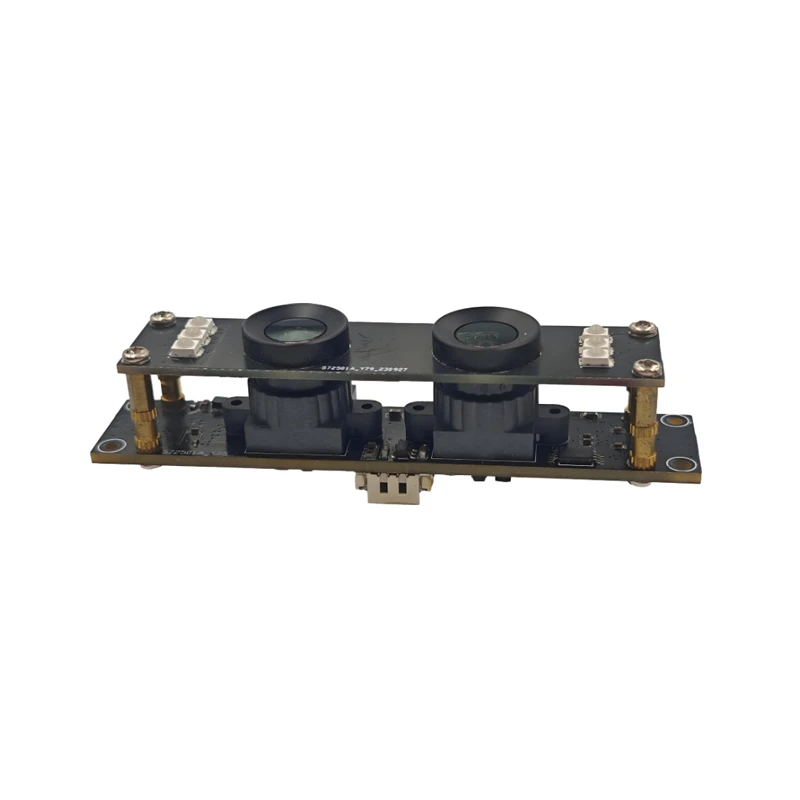
MY-DC52M-A1 Dual Lens Wide Dynamic Range Usb2.0 Camera Module With HD Video 5mp+2mp
-
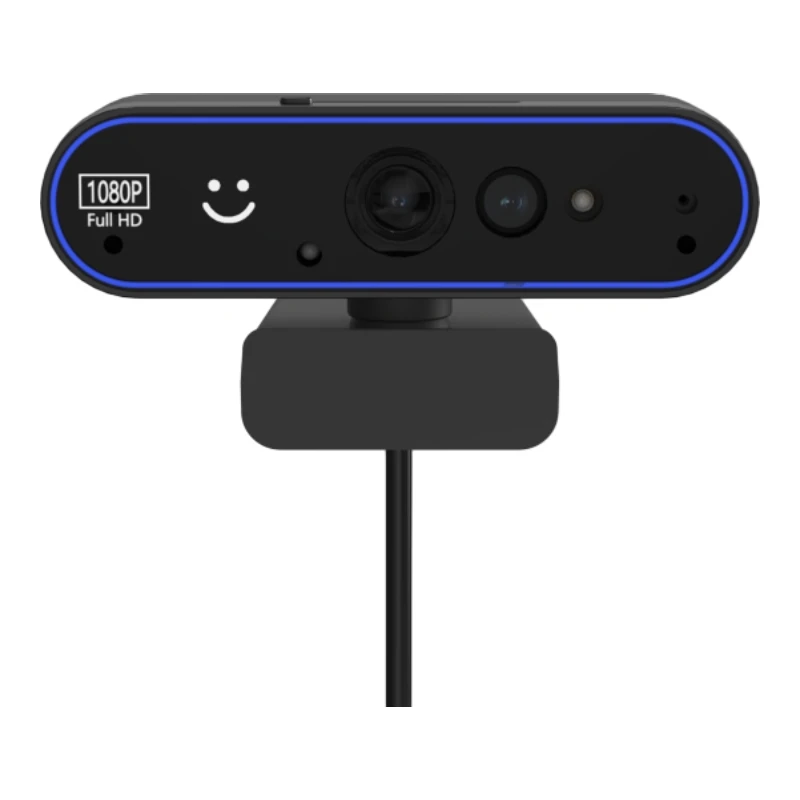
MY-WHC700 Windows Hello Face Recognition Binocular USB Camera
-
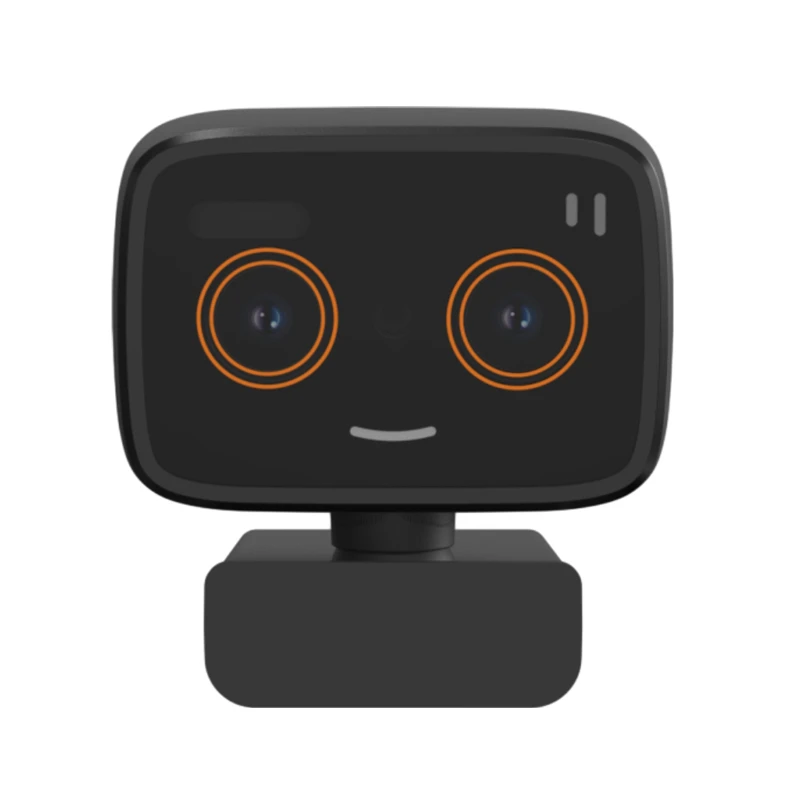
MY-DC-260-A1 Dual Lens Usb2.0 Web Camera With High-definition Video 2mp+2mp
-
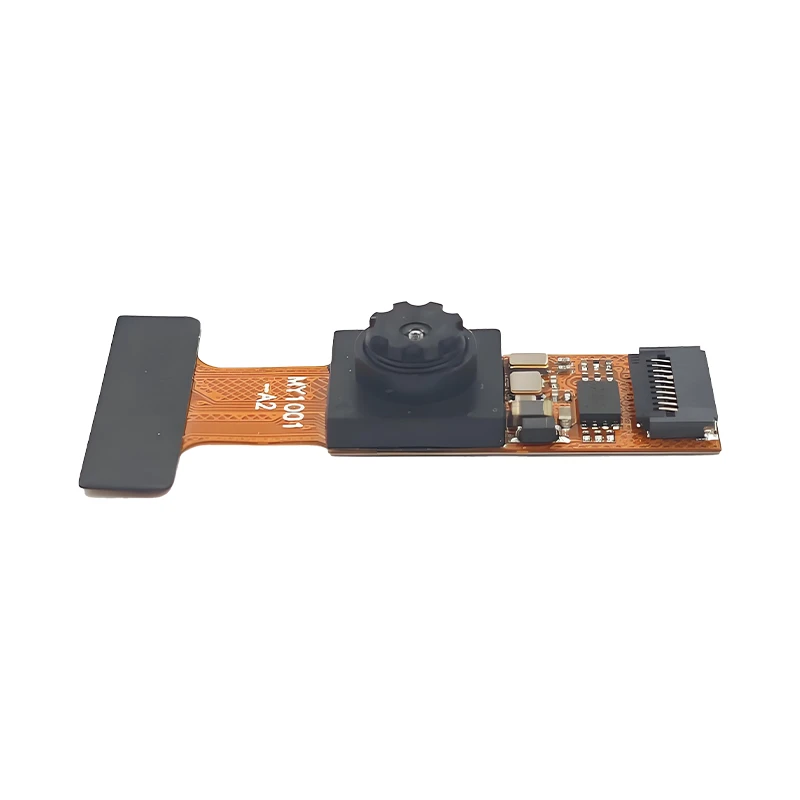
MY-1001-A2 AI Tracking, Gesture Recognition, Sitting Posture Detection Smart Camera Module
-
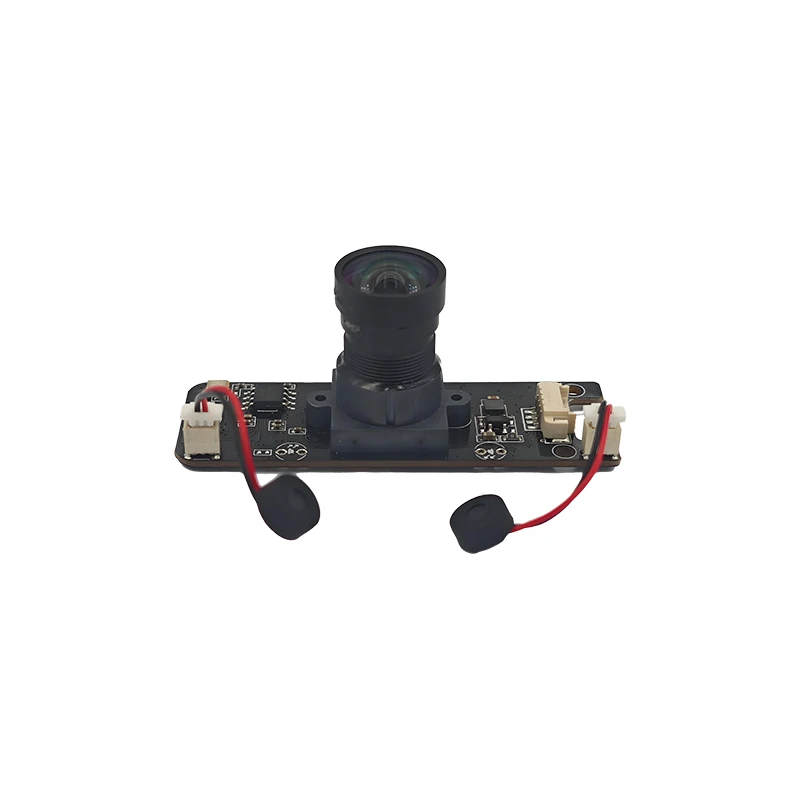
MY-USB8M158A 4K Resolution HD Video Driver-Free USB Camera Module With Microphone
