


Nov . 27, 2025 08:40 Back to list
Mobile Camera Module to USB | Streamlined Connectivity & Innovative Solutions
Understanding the Intersection of Mobile Camera Modules and USB Interfaces
If you’ve ever wondered how tiny cameras inside mobile devices connect and communicate seamlessly through USB ports, you’re diving into an area that’s quietly revolutionizing how data is captured, transferred, and used globally. The term mobile camera module to USB might sound like industry jargon, but it’s actually a fundamental element — both for consumer electronics and for critical global applications like remote monitoring, healthcare diagnostics, or even humanitarian aid tech.
Why does this matter? Well, with billions of mobile devices featuring cameras worldwide, enabling their modules to interface efficiently with USB systems isn’t just a convenience — it’s a necessity for faster data exchange, modular repairs, and expanding functionality across industries. The benefits? Improved connectivity, easier upgrades, and greater flexibility.
Global Context: Why Mobile Camera Modules Connected to USB Matter More Than Ever
Mobile connectivity is now a backbone of nearly every sector. According to the International Telecommunication Union (ITU), over 5 billion people were using mobile internet globally by 2023. Cameras embedded within these mobile devices are not only for selfies or video calls but serve critical functions in agriculture, manufacturing inspection, remote medicine, and more.
However, a big challenge has been how these camera modules interface with external devices, especially over a universal standard like USB. USB (Universal Serial Bus) remains the most common way to connect peripherals, but designing mobile camera modules to USB in a way that maintains image quality, speed, and power efficiency isn’t trivial. The complexity deepens with ongoing innovations like USB4 or USB Type-C, which offer higher data rates but tighter integration requirements.
In many developing countries, where affordable technology solutions are vital for development, the ability to repurpose or upgrade camera systems by connecting modules directly through USB changes the game. Think telemedicine kits sent to rural clinics, or wildlife monitoring setups in remote forests — simple USB connectivity lets these cameras plug-and-play with available laptops or tablets, vastly improving access and easing supply chain hurdles.
Mini takeaway:
Globally, the drive for simpler, more adaptable camera connections via USB aligns strongly with increased mobile internet use and the need for flexible, cost-effective solutions across industries.
Defining Mobile Camera Module to USB: What’s Really Going On?
Put simply, a mobile camera module to USB refers to the integration process or the hardware design that allows a compact digital camera—often the kind found inside smartphones or embedded devices—to interface directly with a USB port. This enables the camera to transmit data (photo or video) and receive power conveniently over the same cable.
Think of it as the camera’s gateway to external devices. Instead of requiring proprietary connectors or wireless protocols, a USB interface offers standardization, more compatibility, and ease of debugging or upgrade. It’s like the difference between a universal plug that fits any socket and a one-off custom adapter.
Industries rely on such modules not just for individual consumer gadgets but also in areas such as robotics, drones, and even humanitarian tools — where cameras can be swapped or upgraded without reinventing the electrical connection every single time.
Mini takeaway:
Mobile camera module to USB integration simplifies connectivity, democratizes technology upgrades, and cuts down repair and replacement time significantly.
Key Components & Factors in Mobile Camera Module to USB Technology
1. Camera Sensor Quality
The heart of any camera module, the sensor’s resolution and sensitivity affect the kind of images transmitted over the USB. Higher-quality sensors mean greater data throughput demands, influencing USB interface choice.
2. Data Transfer Speed
USB standards determine how quickly image data moves. For example, USB 3.0 or USB 3.2 allows faster transfer than USB 2.0. This factor is crucial when streaming video or rapid-fire photography is needed.
3. Power Management
Powering the camera module through the USB line simplifies design but means the system must optimize power use to avoid draining host batteries or causing overheating.
4. Physical Connectivity & Durability
Mobile modules need compact, robust connectors that can endure repeated connections and environmental stresses, especially for industrial or field use.
5. Compatibility & Driver Support
Without proper software drivers, the module won’t operate correctly. Ensuring compatibility across devices and operating systems is often an overlooked yet critical factor.
6. Cost Efficiency
Affordable production and modular design allow greater adoption, especially in emerging markets or large-scale industrial deployments.
| Feature | Specification | Typical Use |
|---|---|---|
| Sensor Type | Sony IMX477, 12.3MP CMOS | General purpose, high-quality imaging |
| USB Interface | USB 3.0 Type-C | High-speed data transfer, plug-and-play |
| Max Frame Rate | 60 fps at 1080p | Video streaming, microscopy |
| Power Consumption | Battery-powered devices | |
| Operating Temperature | -20°C to 70°C | Industrial and outdoor environments |
Mini takeaway:
Grasping the key specs and factors helps industries and developers select the right mobile camera setups for reliable, efficient deployment.
How Mobile Camera Module to USB Solutions Impact Real-World Applications
Let’s get practical. Where does this technology really shine? Well, in some unexpected places:
- Disaster Relief and Remote Health Diagnostics: Portable medical kits equipped with mobile camera modules can connect via USB to laptops or tablets, enabling on-the-spot screening, remote doctor consultations, and even telemedicine.
- Agricultural Monitoring: Farmers in regions like Sub-Saharan Africa use USB-enabled camera modules attached to sensors or drones to inspect crops, identifying disease or irrigation problems — all with affordable tech.
- Industrial Quality Control: Factories in Asia and Europe incorporate mobile camera modules to USB interfaces for quick machine vision inspections, reducing downtime.
- Security and Wildlife Conservation: Automated camera traps with USB modules capture and store animal movements, helping researchers in the Amazon and Siberia collect data without bulky equipment.
Take for example an NGO in East Africa that recently outfitted rural clinics with diagnostic devices based on mobile camera module to usb designs. The clinic staff could easily connect the camera to a standard tablet and perform eye exams or skin lesion imaging without specialized hardware or complex installation.
Mini takeaway:
The ease and versatility of mobile camera module to USB interfaces open doors for innovation and efficiency across a wide range of sectors globally.
Key Advantages and Long-Term Benefits
Beyond the obvious, there’s a lot of emotional and strategic value here:
- Cost Savings: Standard USB ports reduce the need for custom cables or adapters, cutting manufacturing and maintenance costs.
- Reliability: Common USB standards mean tested durability and consistent connectivity performance.
- Sustainability: Modular components mean fewer replacements and less electronic waste.
- Safety and Trust: Because USB is a mature ecosystem, users gain confidence in plug-and-play operation without damaging devices.
- Innovation Potential: Designers have a common platform to build on, speeding up new healthcare tools, smart agriculture devices, or portable cameras for education.
In short, mobile camera module to USB enables a future of accessible technology that feels just right — efficient but still human-centered.
Emerging Trends and What's Next for Mobile Camera Modules to USB
Looking ahead, a few exciting trends are bubbling to the surface:
- USB4 and Beyond: Even faster data rates and improved power delivery will let camera modules stream 8K video or handle AI on-board.
- Green Tech Advances: Low-power sensors paired with USB power optimizations to reduce environmental impact.
- Integration with IoT and Automation: Cameras that plug directly into USB-enabled sensors in smart homes, industrial automation, or even wearable tech.
- 3D and Depth Sensing: Mobile camera modules incorporating multiple sensors connected through USB for augmented reality or precise measurements.
Remain curious about this link between mobility, image capture, and universal connectivity — it keeps evolving, and you never know what the next breakthrough might be.
Common Challenges and How Industry Experts Are Tackling Them
But in real life, it’s never all smooth sailing:
- Compatibility Issues: Different USB standards and device drivers can complicate plug-and-play claims.
- Power Constraints: Mobile setups have limited power budgets, and USB can only supply so much.
- Form Factor Limitations: Fitting a high-quality camera into a tiny, rugged, and cost-effective module isn’t trivial.
Innovative solutions include adaptive power management, improved universal drivers, and industrial-strength connectors designed around USB-C’s reversible ease. Many engineers emphasize early-stage collaboration between camera module designers and USB chipset makers — that synergy prevents headaches down the line.
Vendor Comparison: Who's Leading in Mobile Camera Module to USB?
| Vendor | Camera Sensor | USB Interface | Special Feature | Price Range |
|---|---|---|---|---|
| CamTech Solutions | Sony IMX477 (12.3MP) | USB 3.1 Type-C | Low power mode, industrial grade | $$$ |
| Visionary Modules | OmniVision OV2720 (2MP) | USB 2.0 Micro-B | Budget friendly, lightweight | $ |
| NextGen Optics | Sony IMX586 (48MP) | USB 3.2 Gen 2 | High res, 4K video support | $$$$ |
Frequently Asked Questions About Mobile Camera Module to USB
- Q: Can any mobile camera module connect via USB to a laptop or tablet?
- A: Not all modules are USB-compatible out of the box. The module must have integrated USB interface circuitry and compatible drivers. Using mobile camera module to usb designed devices ensures plug-and-play ease with most common host devices.
- Q: What kind of USB interface is best for high-definition video streaming?
- A: USB 3.0 or higher (like USB 3.1 or USB 3.2) is advisable because they offer enough bandwidth to handle HD and even 4K video streams without significant latency or dropped frames.
- Q: How durable are these camera modules when used outdoors?
- A: Many modules designed for field use meet industrial-grade specs with operating temperature ranges and rugged connectors. However, it’s key to check IP ratings and manufacturer specs for waterproofing and shock resistance.
- Q: Are USB camera modules energy efficient for mobile battery-powered applications?
- A: Yes, modern modules optimize power usage and use USB power management features. Still, power consumption varies by camera resolution and streaming demands, so plan accordingly for battery life.
Wrapping It Up: Why Mobile Camera Module to USB Is a Smart Investment
The long-term benefits of embracing mobile camera modules to USB interfaces are clear: accessible technology, streamlined connectivity, and a platform for innovation that suits both high-end industries and grassroots applications. Whether it’s enhancing a wildlife research project deep in the jungles or boosting telemedicine in far-flung communities, this blend of mobility and universal connectivity keeps devices agile, effective, and ready for whatever’s next.
Curious to explore the latest solutions? Visit our website for cutting-edge mobile camera module to USB products and insights.
References
-
Guide to Raspberry Pi Camera Module v3 with Powered Autofocus
NewsApr.16,2026
-
Guide to Using the raspberry pi camera module v1 3 for IoT Projects
NewsApr.09,2026
-
Exploring the Capabilities of the Raspberry Pi Camera Module 3 Noir for Diverse Applications
NewsApr.07,2026
-
Unlocking Visual Potential with the Raspberry Pi Camera Module 3 for Advanced Projects
NewsApr.04,2026
-
Raspberry Pi Noir Camera Module V2 8MP 1080p30 A Comprehensive Guide for Projects
NewsMar.31,2026
-
Comprehensive Guide to the Raspberry Pi 3 B+ Camera Module and Its Applications
NewsMar.28,2026
-
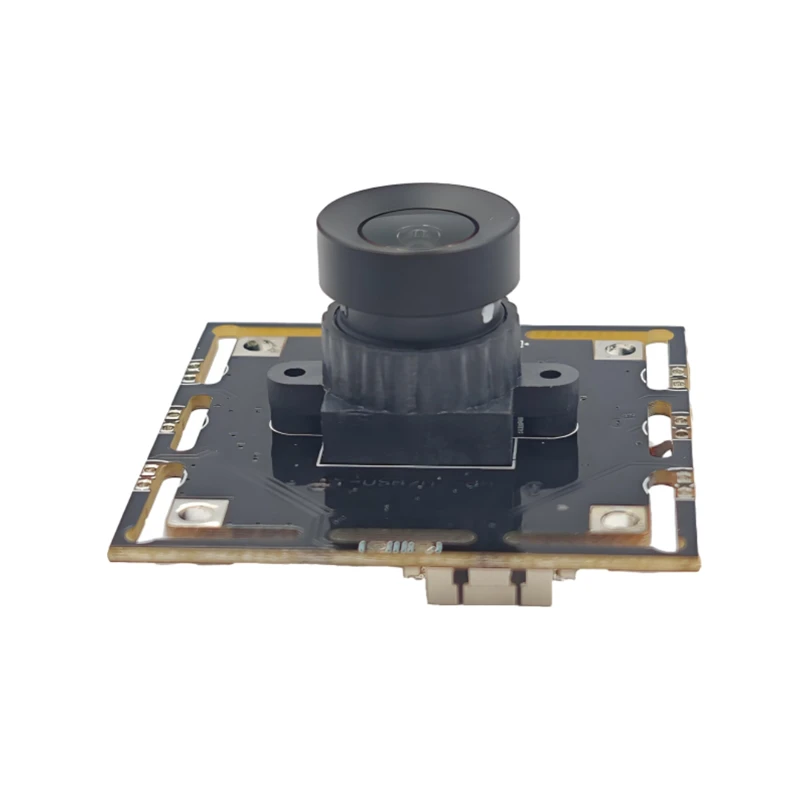
MY-USB1M818A Global Exposure Usb Camera Module With 1mp Hd Video
-
-
-
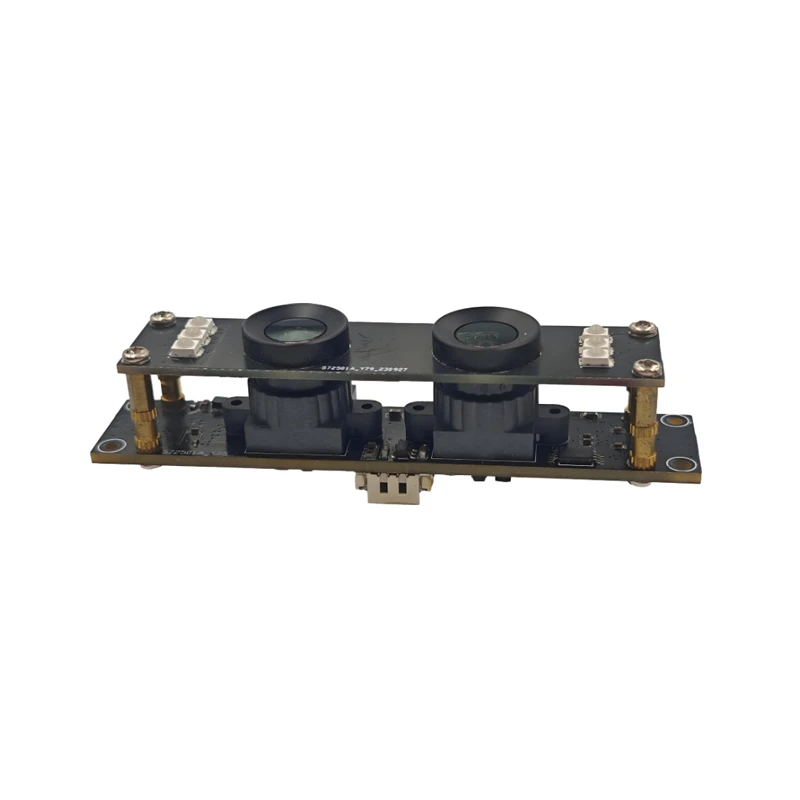
MY-DC52M-A1 Dual Lens Wide Dynamic Range Usb2.0 Camera Module With HD Video 5mp+2mp
-
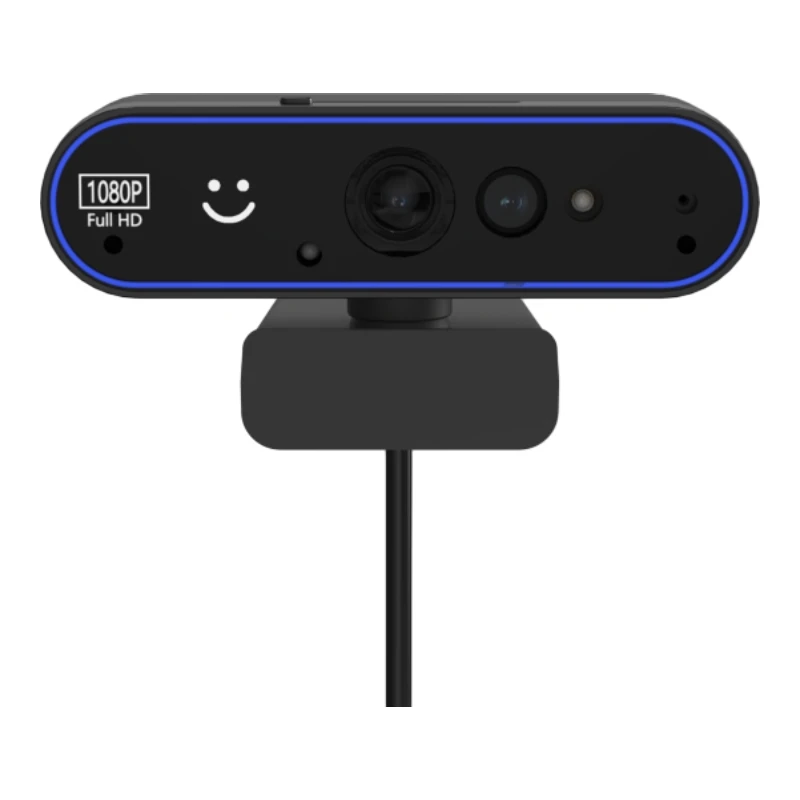
MY-WHC700 Windows Hello Face Recognition Binocular USB Camera
-
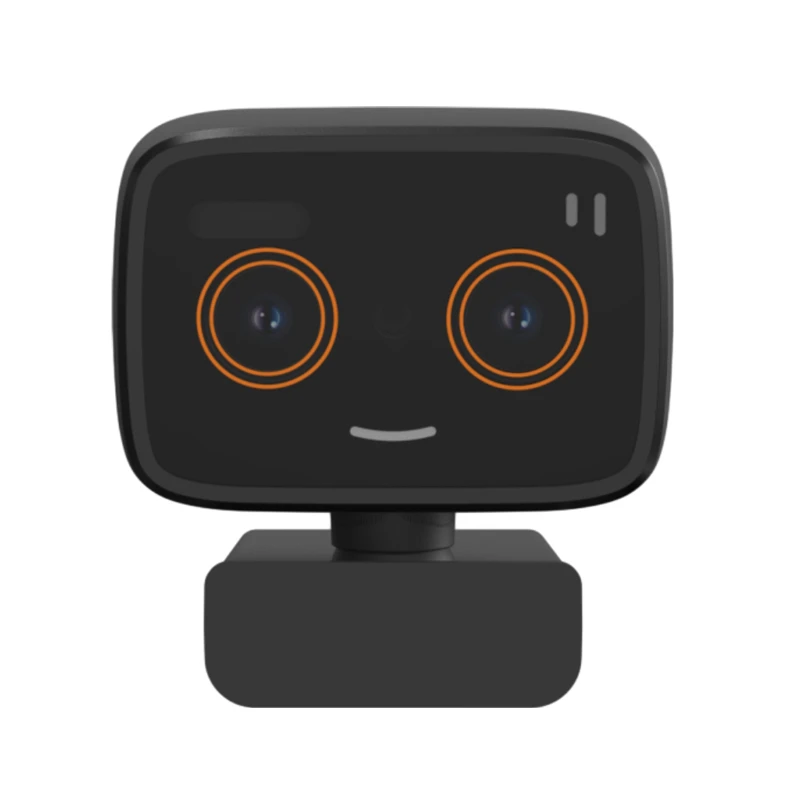
MY-DC-260-A1 Dual Lens Usb2.0 Web Camera With High-definition Video 2mp+2mp
-
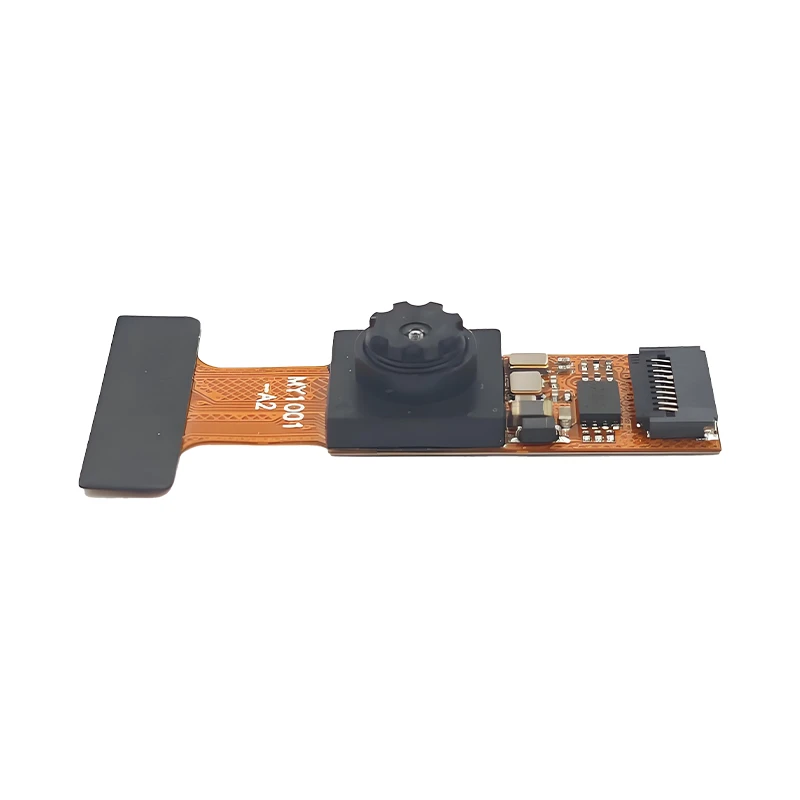
MY-1001-A2 AI Tracking, Gesture Recognition, Sitting Posture Detection Smart Camera Module
-
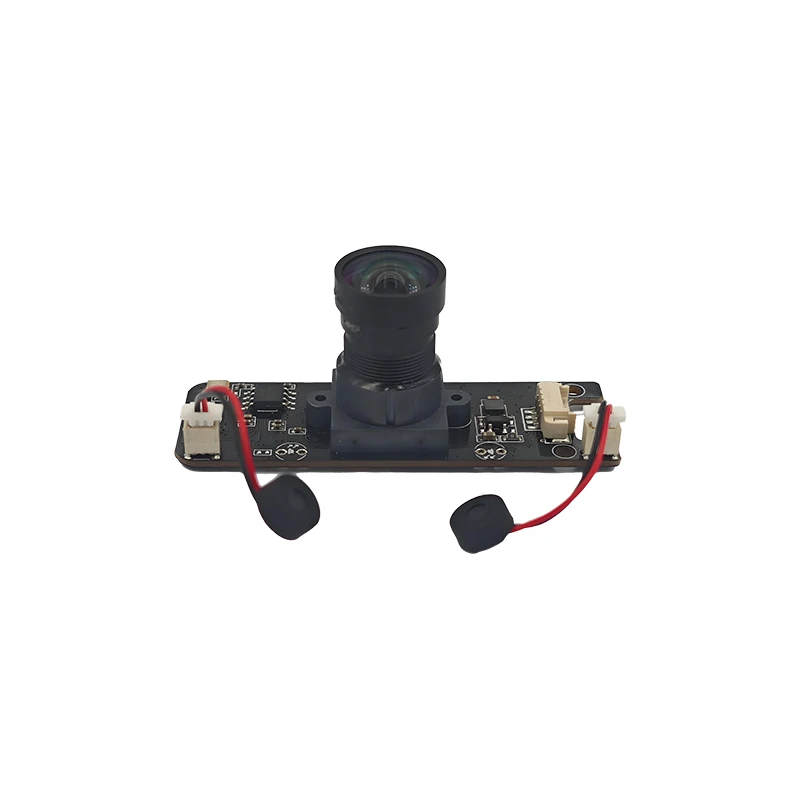
MY-USB8M158A 4K Resolution HD Video Driver-Free USB Camera Module With Microphone
