


Dec . 07, 2025 19:45 Back to list
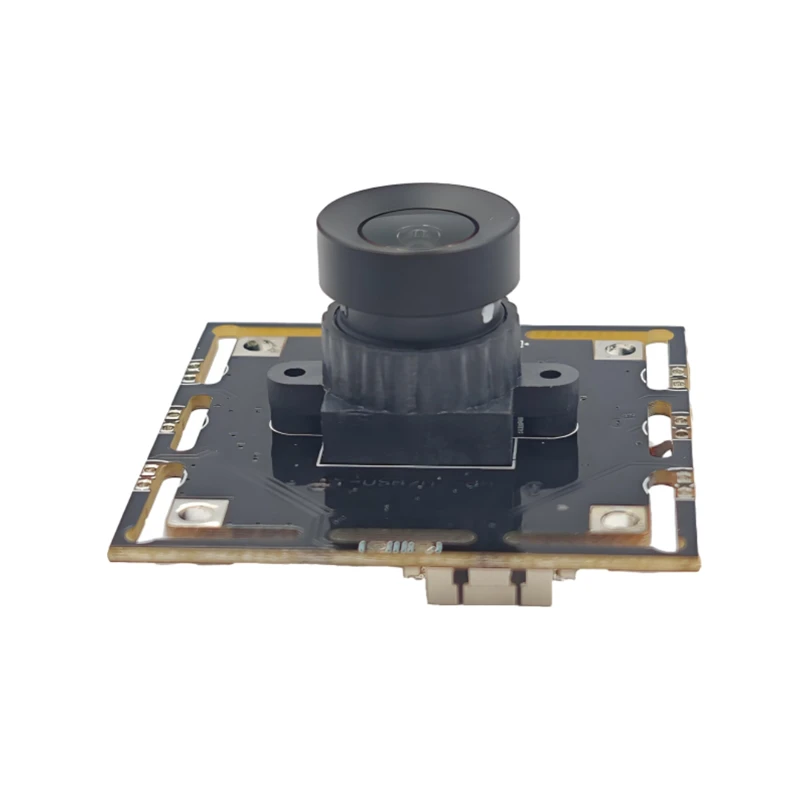
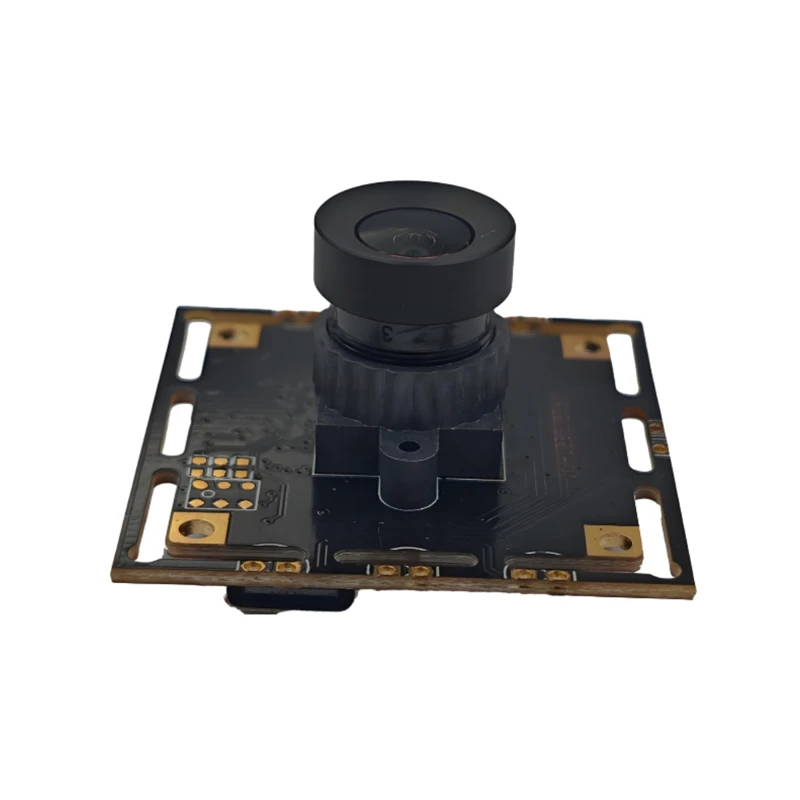
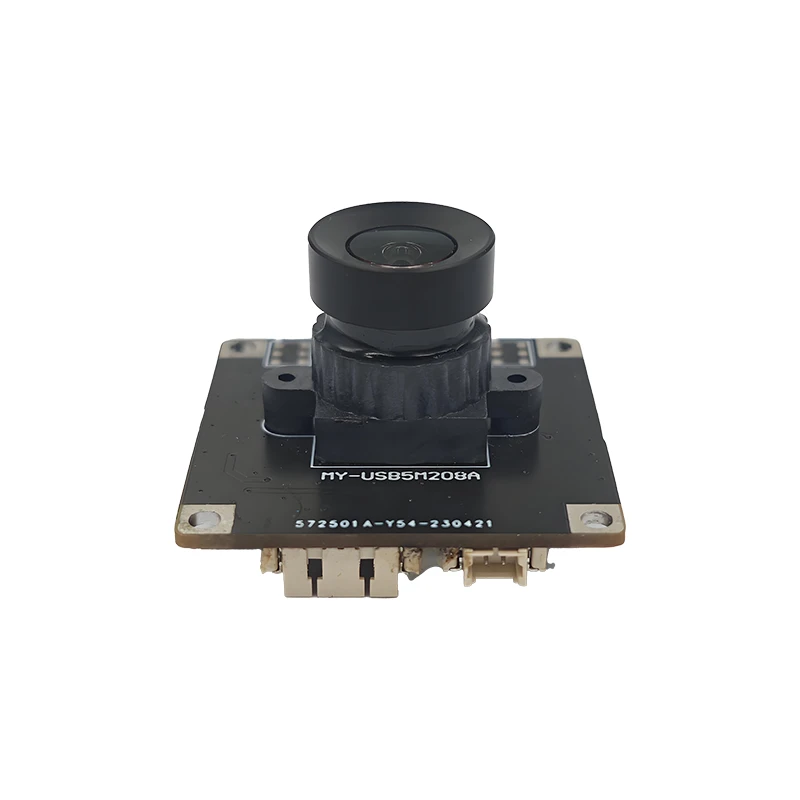
OEM USB Camera Module – Custom Industrial Solutions
Understanding the OEM USB Camera Module Landscape
Having spent over a decade in industrial equipment manufacturing, I've come to appreciate the quiet workhorses that keep modern systems running smoothly. One such unsung hero is the OEM USB camera module. Oddly enough, these compact, versatile components are everywhere — from quality control stations to robotic vision systems — yet tend to fly below the radar.
When I first encountered these modules, it was during a project aimed at retrofitting an inspection line with higher resolution image capture. What struck me was not just their compact design but the remarkable flexibility OEM providers offer, from custom sensor sizes to various lens configurations.
OEM USB camera modules are designed as embedded components, allowing manufacturers to integrate USB camera functionality seamlessly into their devices, without reinventing the wheel. Frankly, this kind of modular design saves both time and costs, and in an industry where uptime and reliability are king, it's a practical decision.
Core Specs at a Glance
| Specification | Details |
|---|---|
| Image Sensor | 1/3" CMOS, support up to 8MP |
| Resolution | Up to 3264 x 2448 pixels |
| Frame Rate | Up to 60 fps at 1080p |
| Lens Options | Varies (wide-angle, fixed focus, autofocus) |
| Interface | USB 2.0 / USB 3.0 |
| Operating Voltage | 5V DC |
| Operating Temperature | -20°C to 70°C |
What really makes these modules attractive is their adaptability. Many engineers I know, myself included, have appreciated the ability to specify tailored lens assemblies or mount types. This ensures the camera integrates perfectly with existing machinery—no fiddling or jury-rigging needed. Plus, the USB interface is well-understood and easy to program for various industrial PCs or embedded controllers.
Comparing Popular OEM USB Camera Module Vendors
| Vendor | Customization | Typical Lead Time | Warranty | Unit Cost (USD) |
|---|---|---|---|---|
| SZMYCCM | High (lens, sensor, interface) | 2–4 weeks | 12 months | $35–$80 |
| Vendor A | Medium (lens only) | 3–5 weeks | 6 months | $40–$90 |
| Vendor B | Low (standard modules only) | 1–2 weeks | 12 months | $30–$50 |
From my experience, the choice of vendor often boils down to whether customization matters more than price or speed. I once worked on a factory automation project where a supplier’s refusal to modify lens parameters caused headaches down the line. The smarter move would have been to pick a supplier with robust customization options, like SZMYCCM, who routinely tailor modules exactly to customer specs.
These kinds of modules typically undergo rigorous environmental and electrical testing to ensure they can withstand industrial settings — shock, vibration, electromagnetic interference, humidity, and temperature extremes. It's something that should never be skimmed on. Trust me, you don’t want cameras failing mid-shift or giving flaky images during critical inspections.
Customization aside, what users often appreciate is the ease of integration with common operating systems. Plug-and-play with standard USB cameras keeps software development minimal, which, frankly, lets workflow engineers focus on higher-level problem-solving rather than hardware quirks.
One funny tidbit: I remember a client who started by ordering a batch of standard USB camera modules just to prototype. After some testing, they came back wanting to “shrink it even smaller, and make the lens more suitable for tight spaces.” It was quite rewarding to see the supplier accommodate and deliver exactly that — a hallmark of seasoned OEM partners.
In real terms, these USB camera modules bridge the gap between raw imaging technology and practical deployment in industrial environments. And while the tech evolves, the principle remains the same: simple, rugged, and tailored to purpose.
So next time you’re specifying components for a machine vision application or embedded inspection system, don’t overlook the value a reliable OEM USB camera module can add. It’s often the little piece that quietly makes everything else work better.
A final thought? When sourcing these modules, ask plenty of questions about testing, lead times, and customization — it’s something I’ve learned the hard way is worth every extra minute.
- Industrial USB Camera Modules - IEEE Spectrum, 2021.
- Design Considerations in Embedded Vision Systems - TechInsights, 2022.
- Vendor Comparison & Integration Tips - Manufacturing Today, 2023.
-
Guide to Raspberry Pi Camera Module v3 with Powered Autofocus
NewsApr.16,2026
-
Guide to Using the raspberry pi camera module v1 3 for IoT Projects
NewsApr.09,2026
-
Exploring the Capabilities of the Raspberry Pi Camera Module 3 Noir for Diverse Applications
NewsApr.07,2026
-
Unlocking Visual Potential with the Raspberry Pi Camera Module 3 for Advanced Projects
NewsApr.04,2026
-
Raspberry Pi Noir Camera Module V2 8MP 1080p30 A Comprehensive Guide for Projects
NewsMar.31,2026
-
Comprehensive Guide to the Raspberry Pi 3 B+ Camera Module and Its Applications
NewsMar.28,2026
-
MY-USB1M818A Global Exposure Usb Camera Module With 1mp Hd Video
-
-
-
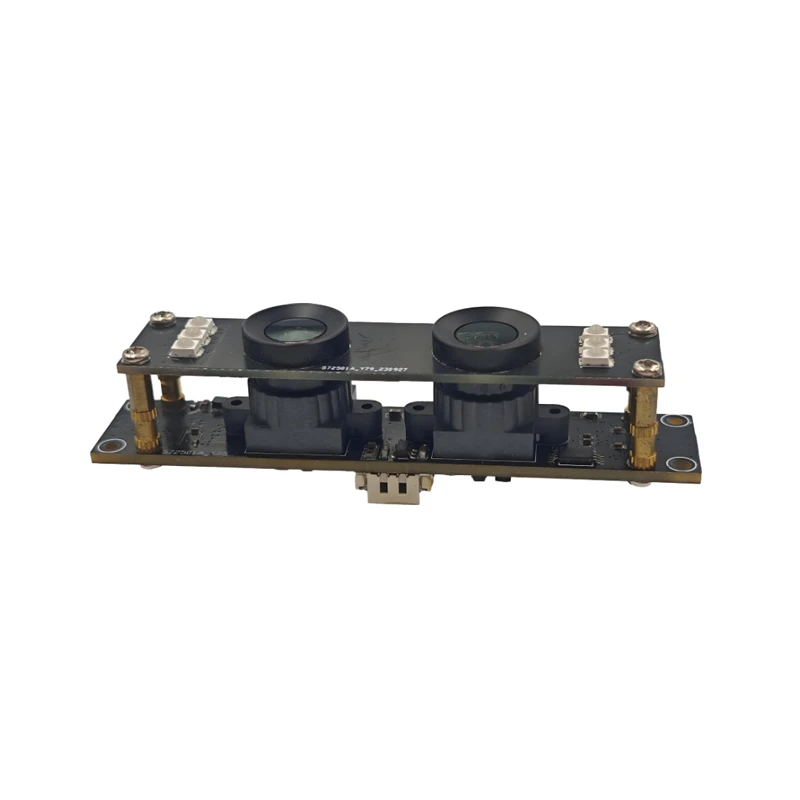
MY-DC52M-A1 Dual Lens Wide Dynamic Range Usb2.0 Camera Module With HD Video 5mp+2mp
-
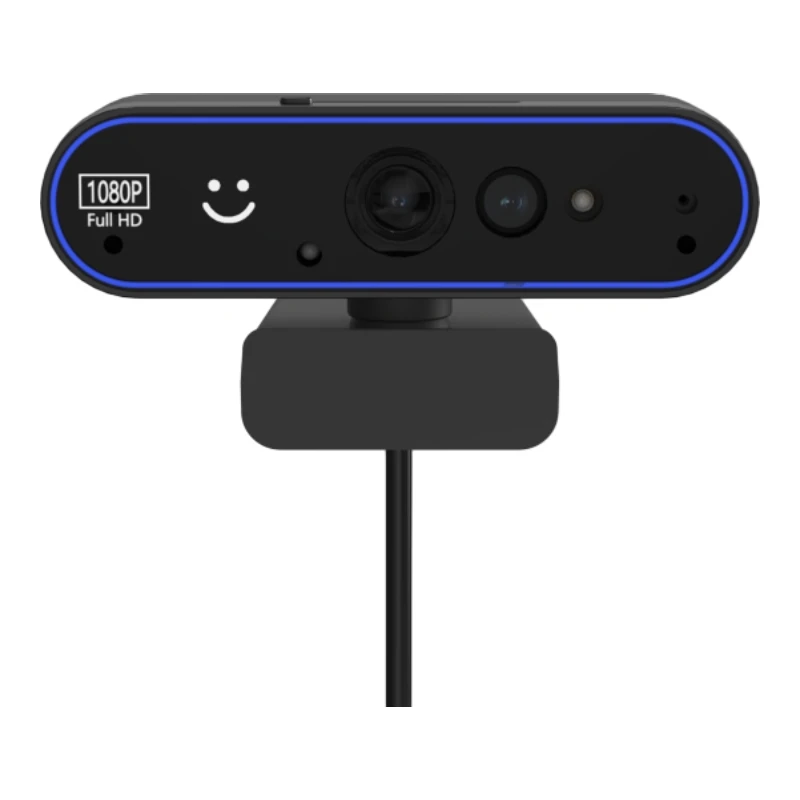
MY-WHC700 Windows Hello Face Recognition Binocular USB Camera
-
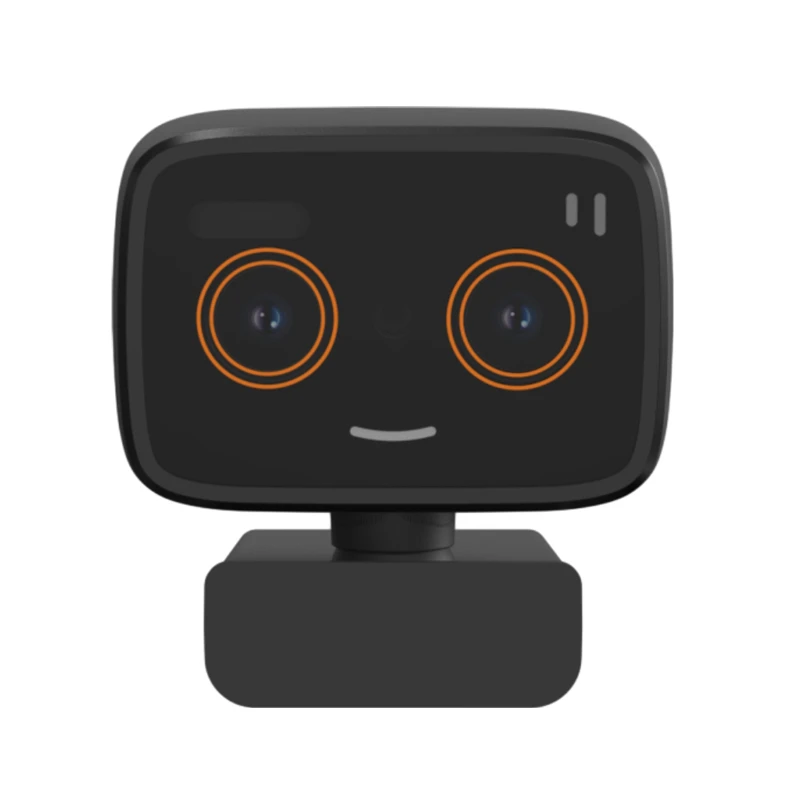
MY-DC-260-A1 Dual Lens Usb2.0 Web Camera With High-definition Video 2mp+2mp
-
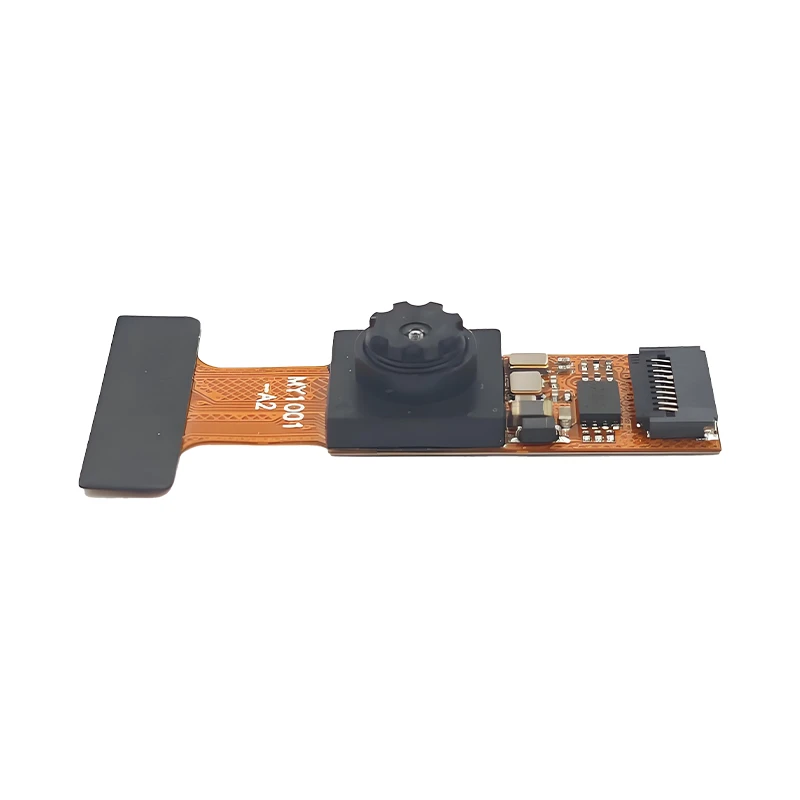
MY-1001-A2 AI Tracking, Gesture Recognition, Sitting Posture Detection Smart Camera Module
-
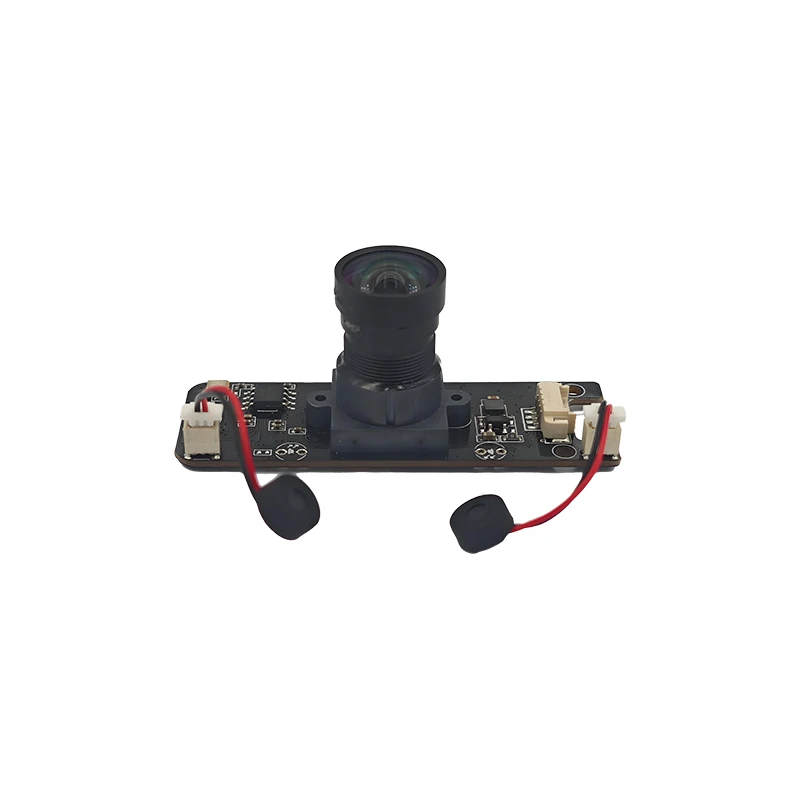
MY-USB8M158A 4K Resolution HD Video Driver-Free USB Camera Module With Microphone
