


Nov . 30, 2025 05:30 Back to list
The Essential Guide to Camera for Computer with Microphone – Features, Uses & Future Trends
Understanding the Camera for Computer with Microphone: More Than Just a Gadget
In today’s hyper-connected world, the camera for computer with microphone has become more than just a peripheral; it’s a beacon of communication. Whether it's for global business meetings, remote education, telemedicine, or humanitarian relief coordination, this nifty combo device hinges on the ability to see and be heard clearly. And frankly, its significance only continues to grow as global mobility and remote work become standard.
The core benefits of grasping how these devices work — and their broader implications — lie in the way they foster connection across distances and support industries that rely heavily on real-time video and audio data.
Why Cameras with Microphones Matter Globally
According to a 2023 UN report, over 60% of the global workforce is engaged in at least some form of remote work or telecommuting, across continents and industries. And with initiatives such as the World Bank’s digital inclusion campaigns, regions previously cut off from quality communications suddenly gain access through equipment like camera for computer with microphone setups.
Yet, challenges remain — audio glitches, poor video quality, hardware incompatibilities — all of which hinder collaboration and information exchange. This is where reliable combined devices show their true worth, addressing problems of connectivity, clarity, and user-friendliness.
What Is a Camera for Computer with Microphone?
Simply put, it’s an integrated hardware device that combines a high-resolution webcam and a microphone, designed to capture both video and audio simultaneously for computers. This isn’t just a webcam plus a mic sitting separately; the key is in the optimized functionality working hand in hand for smoother communication experiences.
In industries ranging from e-learning to telehealth, disaster management to business conferencing, these devices empower users by offering clarity and ease of access. Imagine remote doctors conducting virtual consultations, or aid coordinators communicating across borders without the usual tech headaches.
Core Components and Characteristics
1. Video Resolution and Optics
Quality video is paramount. Many modern cameras offer HD (720p), Full HD (1080p), or even 4K resolutions, supported by autofocus lenses and low-light correction. This translates directly to sharper images during video calls or recordings.
2. Microphone Quality and Noise Cancellation
The embedded microphone isn’t just any mic; advanced noise-cancelling technology helps filter background sounds. This is essential, especially in noisy environments like busy homes or shared office spaces.
3. Connectivity and Compatibility
USB plug-and-play remains a standard. Nevertheless, compatibility with operating systems, drivers, and conferencing platforms is crucial — a device that “just works” saves frustration.
4. Durability and Build
Industrial users and frequent travelers need devices built to last, often with features like shock absorption or weather resistance, depending on usage context.
5. Security Features
Given rising privacy concerns, many cameras now feature physical shutter covers and encrypted firmware to protect users from unauthorized access.
Global Use Cases Highlighting This Technology
- Education: Remote classrooms rely on clear audio-visual gear so students and teachers stay engaged from miles away.
- Remote Work: Businesses across North America and Europe depend on smooth video conferencing to maintain productivity.
- Healthcare: Telemedicine platforms use embedded cameras and mics to enable life-saving consultations in rural areas.
- Disaster Response: NGOs coordinating relief efforts post-floods or earthquakes use rugged devices for rapid communication.
- Industrial Zones: Remote monitoring in harsh environments (mines, offshore rigs) depends on robust audiovisual hardware.
Advantages & Longer-Term Value of Integrated Audio-Visual Devices
In plain terms, using a combined camera and microphone streamlines setup and improves reliability versus juggling separate devices. Cost-efficiency emerges when fewer peripherals are needed, plus faster troubleshooting.
The social impact runs deeper — enabling access to education and medical care means preserving dignity and safety for marginalized groups. Innovation-wise, they encourage new forms of collaboration and trust-building across borders.
Product Specification: Typical Camera for Computer with Microphone
| Feature | Specification | Notes |
|---|---|---|
| Video Resolution | 1920x1080 (1080p) Full HD | Supports 30fps |
| Microphone | Omnidirectional, noise-cancelling | Reduces background noise |
| Connection Interface | USB 3.0 | Plug and play |
| Field of View | 90 degrees | Wide-angle |
| Hardware Controls | Physical shutter; mute button | Security and privacy |
| Compatibility | Windows, MacOS, Linux | Broad support |
Vendor Comparison: Choosing the Best Fit
| Vendor | Price Range | Device Features | Customer Support | Target Market |
|---|---|---|---|---|
| CamVision Pro | $75-$100 | 1080p, noise-cancelling mic, privacy shutter | 24/7 live chat, phone support | Small to medium businesses |
| ClearCall Tech | $120-$150 | 4K video, dual mics, enhanced light correction | Premium support, onsite options | Enterprise, healthcare |
| EcoStream | $50-$70 | 720p, basic mic, energy-efficient design | Email support, limited hours | Education, budget-conscious users |
Looking Ahead: Trends and Innovations
It feels like every year brings a new twist: AI-powered noise suppression, facial recognition for security, and integration with green tech that slashes energy consumption. Some vendors are racing to offer 360-degree cameras with multi-mic arrays for truly immersive meetings or broadcasts. Imagine that: your webcam not just seeing but tuning in to every corner of your room, selectively amplifying voices as needed.
The push towards sustainability also shows in materials — biodegradable plastics and modular hardware designs that let users upgrade without tossing everything are on the rise. The digital transformation wave sweeping across many sectors sidelines legacy gear in favor of these agile, efficient models.
Addressing Common Challenges
Despite the leaps, there are still bumps — latency issues in low-bandwidth areas, compatibility glitches with older computers, or privacy concerns. But the market answers with smarter software updates, better compression algorithms, and built-in privacy safeguards.
For organizations operating in remote or challenging environments, ruggedized options designed to survive harsh conditions exist. It’s a bit of a balancing act, optimizing for durability while keeping devices affordable.
FAQ: Your Questions about Camera for Computer with Microphone
- Q: Can I use a camera for computer with microphone on any computer?
- A: Most cameras with built-in microphones offer USB plug-and-play compatibility with Windows, MacOS, and Linux systems. Always check the vendor’s specs to confirm you have the right drivers or software if needed.
- Q: How important is noise-cancellation in a computer camera mic?
- It’s quite important, especially if your environment is noisy. Noise-cancelling mics help improve voice clarity during calls, filtering out background sounds that can disrupt communication.
- Q: Are there privacy features to protect against unauthorized camera access?
- Yes, many modern devices include physical privacy shutters and encrypted firmware to prevent hacking. It’s always wise to check for these features if security is a priority.
- Q: What’s the difference between standalone webcams and integrated camera mic units?
- Integrated devices are designed to optimize both audio and video capture together, often ensuring better synchronization and easier setup compared to using separate camera and microphone peripherals.
Wrapping Up: Why This Matters
In the end, a camera for computer with microphone isn’t just hardware; it’s a means of bridging gaps — between continents, cultures, and capabilities. Its long-term value lies in enhancing communication in ways that empower education, healthcare, business, and humanitarian efforts worldwide.
Ready to upgrade or outfit your team? Visit our website: https://www.szmyccm.com for trusted products and expert advice.
References:
-
Guide to Raspberry Pi Camera Module v3 with Powered Autofocus
NewsApr.16,2026
-
Guide to Using the raspberry pi camera module v1 3 for IoT Projects
NewsApr.09,2026
-
Exploring the Capabilities of the Raspberry Pi Camera Module 3 Noir for Diverse Applications
NewsApr.07,2026
-
Unlocking Visual Potential with the Raspberry Pi Camera Module 3 for Advanced Projects
NewsApr.04,2026
-
Raspberry Pi Noir Camera Module V2 8MP 1080p30 A Comprehensive Guide for Projects
NewsMar.31,2026
-
Comprehensive Guide to the Raspberry Pi 3 B+ Camera Module and Its Applications
NewsMar.28,2026
-
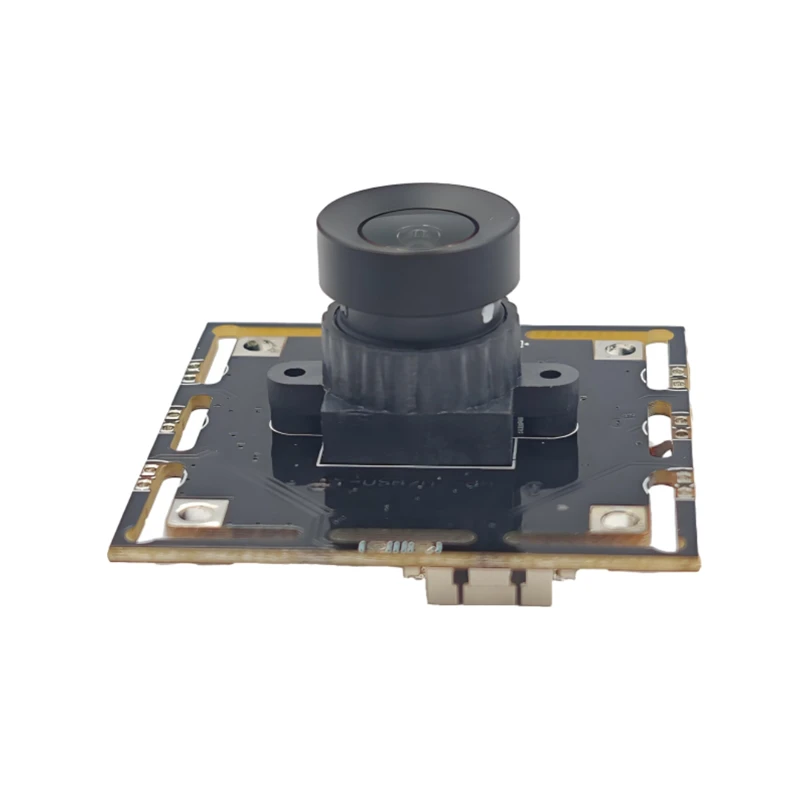
MY-USB1M818A Global Exposure Usb Camera Module With 1mp Hd Video
-
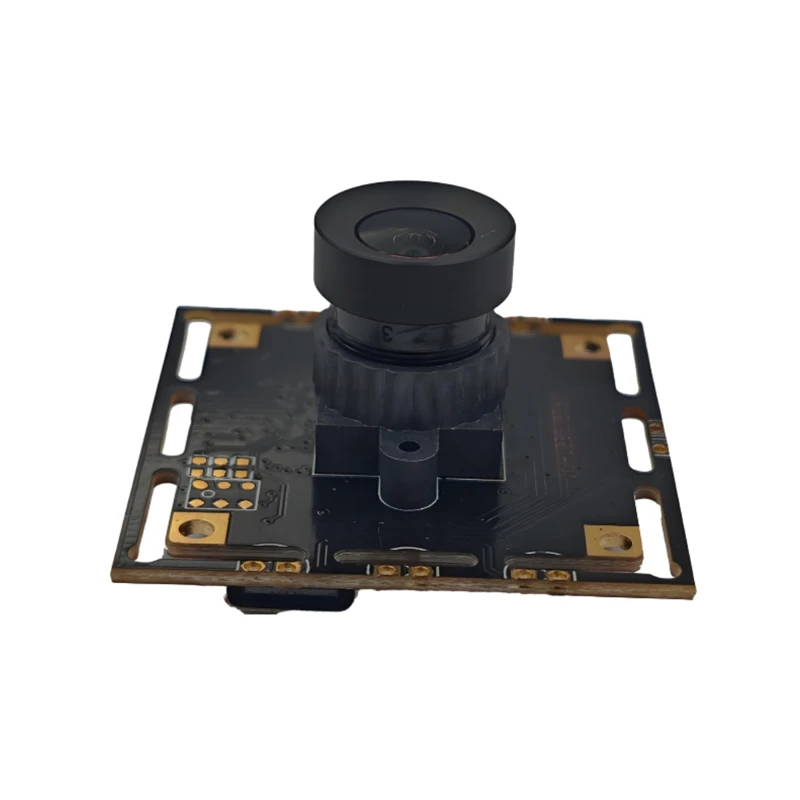
-
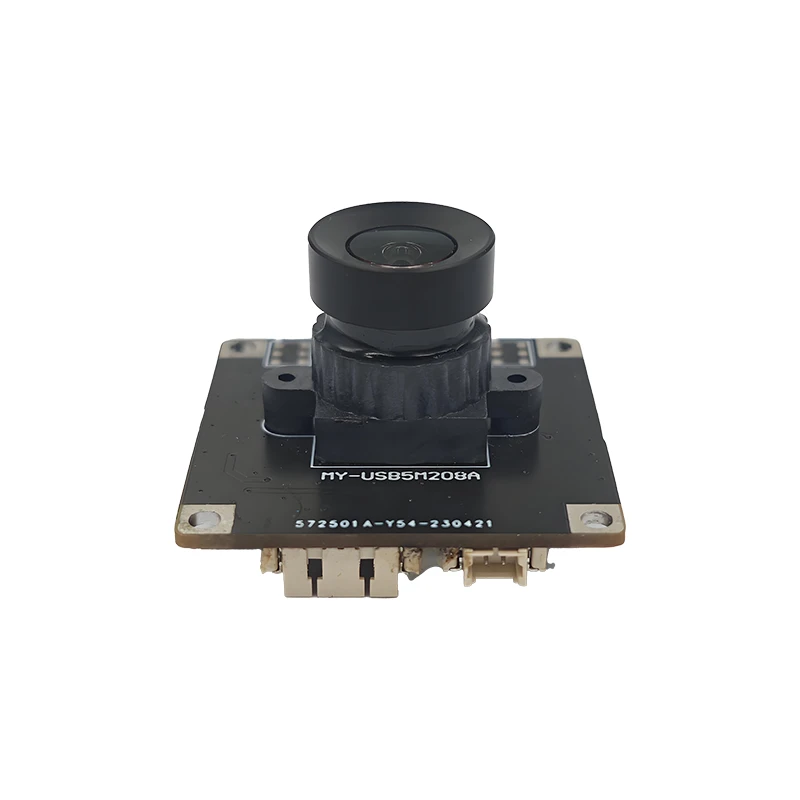
-
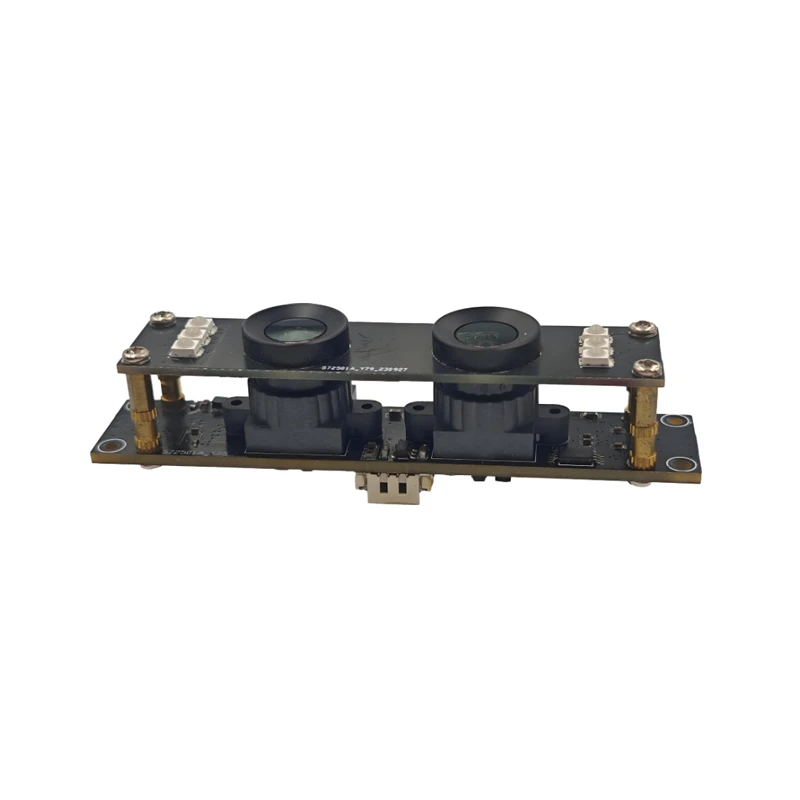
MY-DC52M-A1 Dual Lens Wide Dynamic Range Usb2.0 Camera Module With HD Video 5mp+2mp
-
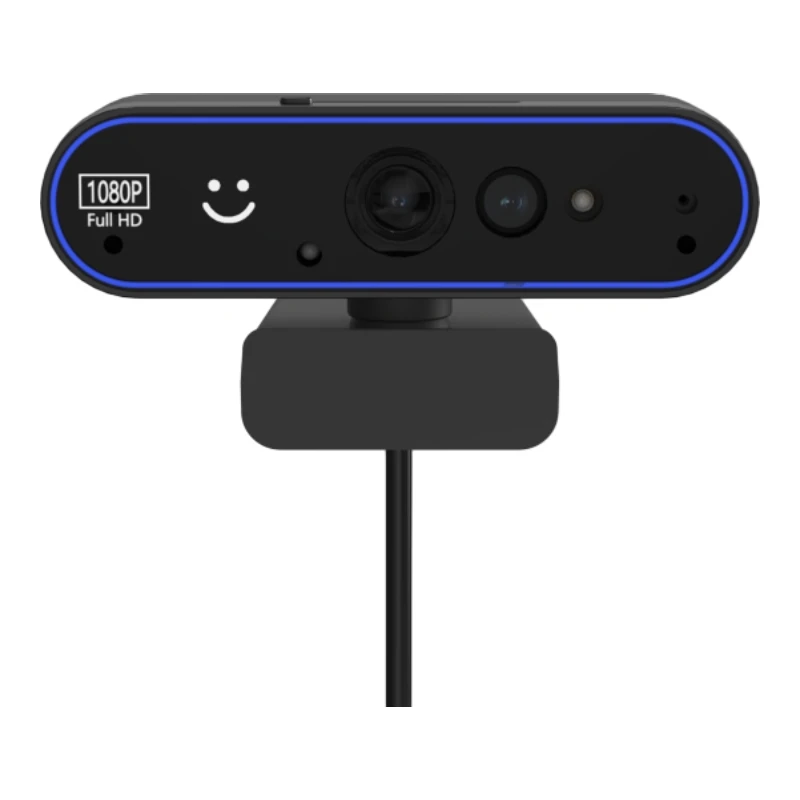
MY-WHC700 Windows Hello Face Recognition Binocular USB Camera
-
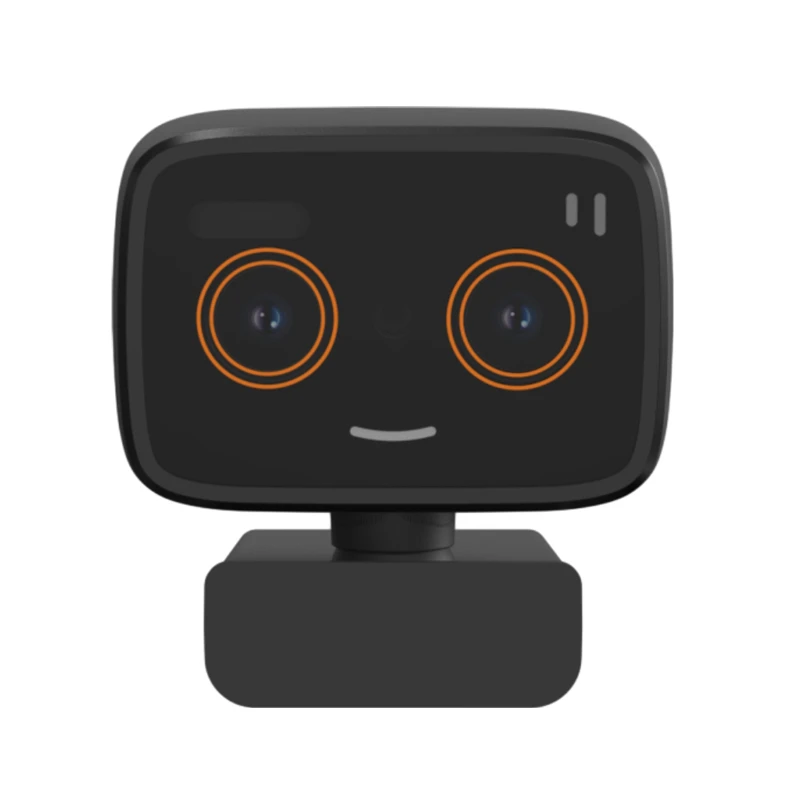
MY-DC-260-A1 Dual Lens Usb2.0 Web Camera With High-definition Video 2mp+2mp
-
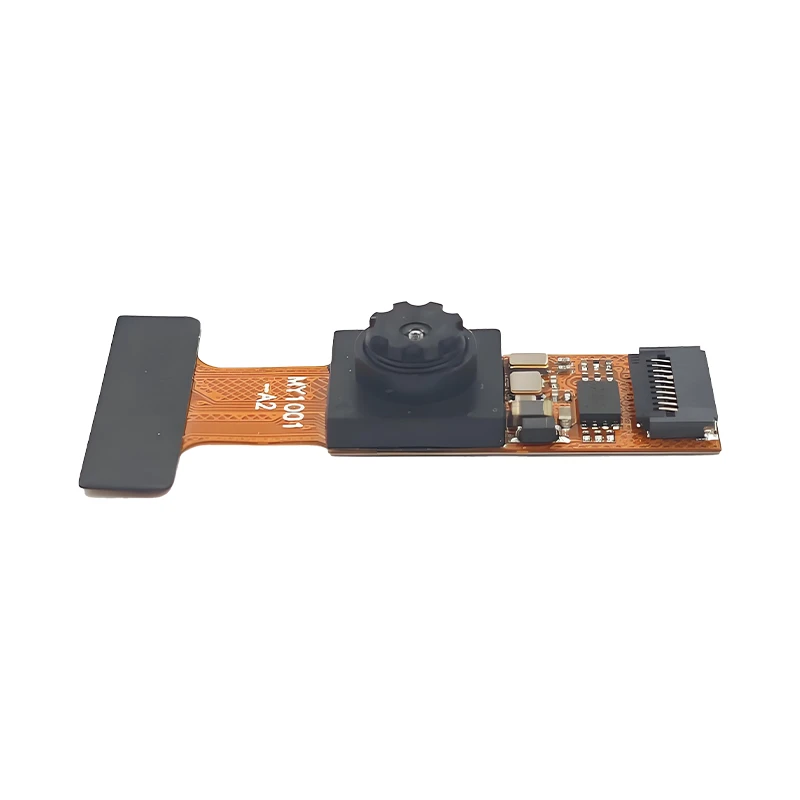
MY-1001-A2 AI Tracking, Gesture Recognition, Sitting Posture Detection Smart Camera Module
-
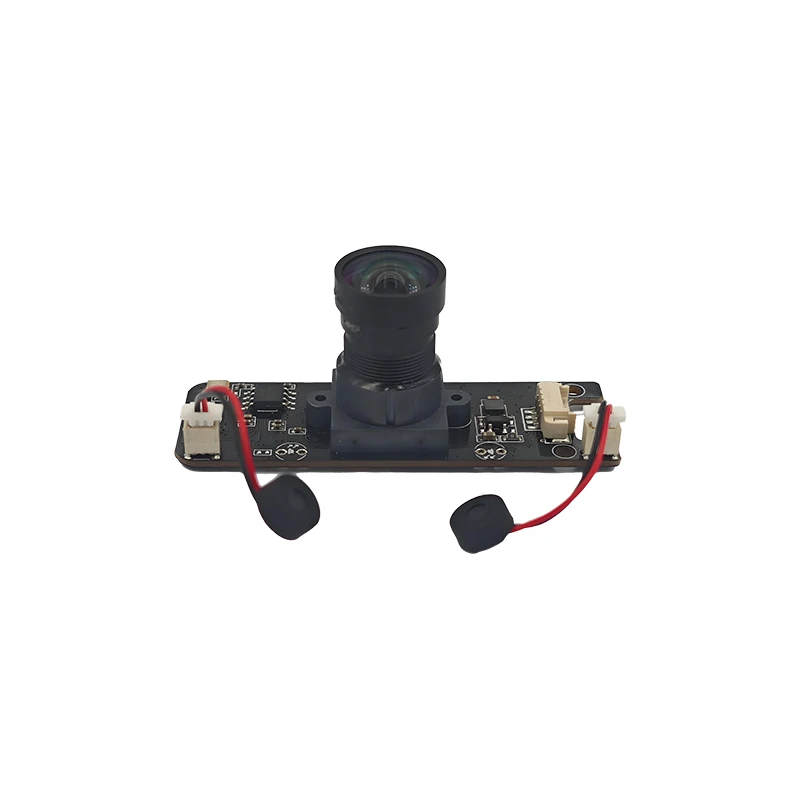
MY-USB8M158A 4K Resolution HD Video Driver-Free USB Camera Module With Microphone
