


Dec . 03, 2025 18:34 Back to list
Webcam Noise Cancelling: Enhancing Clarity & Connectivity Globally
Understanding Webcam Noise Cancelling: A Modern Necessity
In our increasingly digital world, the simple webcam has become an indispensable tool—whether in global business meetings, telemedicine sessions, virtual classrooms, or just catching up with loved ones. However, one persistent annoyance has always been background noise: unpredictable, distracting, and frankly, a bit frustrating. This is where webcam noise cancelling steps in, transforming user experience by filtering unwanted sounds and focusing on clear communication. Understanding this technology matters globally as we lean more heavily on remote communication, making clarity not just a nicety but a necessity.
Global Context: Why Noise Cancelling Matters More Than Ever
Did you know that according to the International Telecommunication Union, over 4.9 billion people were using the internet by 2023? With remote work and online learning rapidly becoming the new norm—even in places with chaotic or noisy environments—the demand for tools that enhance communication sharpens.
However, background noise, especially in developing regions or busy urban areas, significantly impedes effective interaction. Noise cancelling webcams help bridge this gap by reducing ambient distractions, making conversations clearer, less stressful, and more productive. So, the challenge isn’t just about convenience—it’s about inclusion, accessibility, and efficiency.
What Exactly is Webcam Noise Cancelling?
Simply put, webcam noise cancelling refers to the technology integrated into webcams or accompanying software that suppresses or eliminates unwanted sounds picked up during video calls. Instead of your coughing neighbor or clattering keyboard ruining the conversation, noise cancellation focuses audio capture on the speaker's voice.
It can involve hardware features like directional microphones combined with advanced signal processing algorithms within the device or through software solutions running on the computer. In humanitarian fields, for example, it helps aid workers communicate in noisy camps; in industrial settings, clear voice transmission enhances safety protocols.
Key Components of Webcam Noise Cancelling
1. Microphone Array Design
Multiple microphones arranged strategically help differentiate ambient noise from voice, enabling spatial audio filtering. This makes the device more effective in real-world, noisy settings—imagine a busy café or a manufacturing floor.
2. Digital Signal Processing (DSP)
DSP algorithms analyze audio input signals, suppress background noise components, and enhance speech frequencies. Advanced models even adapt in real-time to changing noise environments.
3. Echo Cancellation
This reduces audio feedback loops, which is crucial when users listen through speakers or integrated headphones, maintaining clarity without distracting echoes.
4. Integration with Video Sensors
Some high-end webcams coordinate noise cancelling with video focus, so audio clarity improves alongside visual quality, prioritizing the active speaker.
5. Adjustable Sensitivity & User Control
Allowing customization of noise levels helps users in different environments optimize their settings, balancing noise cancellation without cutting off softer speech.
Mini Takeaway: Webcam noise cancelling is a blend of hardware precision and smart software, designed to isolate speech amidst myriad distractions.
Global Applications & Who Benefits?
- Education: Remote learning platforms in noisy households or urban areas require clear sound to keep students engaged.
- Healthcare: Telemedicine consultations demand precise audio to avoid misunderstandings in diagnosis.
- Corporate Sector: Multinational teams often operate from dynamic, sometimes imperfect environments—noise cancelling enhances meeting effectiveness.
- Humanitarian Aid: In emergency response zones, noisy surroundings make communication tough—noise cancelling webcams facilitate coordination.
- Content Creators: Podcasters and streamers rely on clear audio to reach their audiences without expensive studio setups.
For example, NGOs running remote training courses in Southeast Asia's bustling urban centers often integrate noise cancelling webcams, ensuring that fluctuating environmental sounds don’t disrupt vital instruction.
Mini Takeaway: Whether in a crowded office or a remote relief camp, webcam noise cancelling serves as a crucial equalizer for effective communication.
Advantages & Long-Term Value of Webcam Noise Cancelling
- Improved Communication: Fewer misunderstandings and interruptions mean meetings and calls are more productive.
- Increased Accessibility: People with speech or hearing impairments benefit when ambient noise is reduced.
- Cost Efficiency: Reduces the need for expensive soundproof environments or specialized gear.
- Sustainability: Encourages remote work and collaboration, shrinking carbon footprints linked to travel.
- Emotional Relief: Clear conversations mitigate stress and frustration, reinforcing trust and cooperation.
All told, the combination of logical efficiency and emotional comfort makes noise cancelling webcams a surprisingly impactful tool.
What Does The Specification Look Like?
| Specification | Typical Value |
|---|---|
| Microphone Channels | 2 to 4 |
| Frequency Response | 100 Hz – 16 kHz |
| Noise Suppression Level | Up to 30 dB |
| Latency | |
| Audio Output | Stereo / Mono selectable |
Comparing Leading Vendors of Noise Cancelling Webcams
| Vendor | Noise Reduction | Integration | Price Range | Best Use Case |
|---|---|---|---|---|
| ClearCam Pro | 30 dB | Hardware & Software | $$$ | Corporate, Streaming |
| SoundShield 500 | 25 dB | Software Only | $$ | Education, Telemedicine |
| EcoTone Cam | 20 dB | Hardware Integrated | $ | Nonprofits, Community Use |
Emerging Trends & Innovations
The field isn't standing still, no sir. We’re seeing strides in AI-powered noise cancellation adapting dynamically to complex audio environments—think of it like a smart roommate who knows exactly when to mute the distractions. Further, sustainability trends push vendors to create low-power and eco-friendly webcams, some that harvest energy through light or temperature differentials, shrinking their carbon footprint.
Automation is also key: systems now calibrate themselves upon startup, automatically adjusting microphone arrays to the room acoustics. And with growing privacy concerns, some models incorporate encrypted audio pathways alongside noise cancelling, maintaining user confidentiality.
Common Challenges & Expert Solutions
No technology is perfect, and noise cancelling webcams face some hurdles like over-suppression (where soft speech can get clipped), latency causing slight delays, or performance issues in extremely loud or irregular noise environments. Experts recommend:
- Combining hardware and software solutions for layered noise management.
- Offering user-adjustable settings to tailor performance.
- Continuous firmware updates to refine noise profile databases.
For example, a telecom company improved call quality 40% by introducing a training suite for users to configure their noise cancelling settings optimally. So, human factors remain essential.
FAQ: Your Webcam Noise Cancelling Questions Answered
- Q: Can noise cancelling webcams work well in open-plan offices?
- A: Absolutely. They are designed to minimize ambient sounds common in open layouts, improving speech clarity without needing physical barriers.
- Q: Are these webcams compatible with popular video conferencing apps?
- Yes. Most noise cancelling webcams are plug-and-play and integrate seamlessly with platforms like Zoom, Microsoft Teams, and Google Meet.
- Q: How does noise cancelling impact video latency?
- Quality devices ensure latency remains below 10 milliseconds, so audio and video stay synchronized without noticeable lag.
- Q: Is additional software always required?
- Not always. Some webcams include on-device noise cancelling hardware, while others pair with software solutions for enhanced effect.
- Q: Can I customize noise cancellation based on my environment?
- Yes. Many webcams let users adjust sensitivity and filtering levels to match their specific noise conditions.
Wrapping Up: Why Webcam Noise Cancelling is Here to Stay
In sum, webcam noise cancelling today isn’t just about clearer sound—it's about connecting people effectively across borders and conditions, fostering inclusion, and enabling better collaboration. As we move forward, the tech’s blend of practical and emotional benefits will keep making it a cornerstone of digital communication.
Curious to experience this yourself? Don’t hesitate to explore more about webcam noise cancelling—you won’t look back.
Mini Takeaway: Clear sound isn’t a luxury anymore; it’s a lifeline in our connected world.
References:
-
Guide to Raspberry Pi Camera Module v3 with Powered Autofocus
NewsApr.16,2026
-
Guide to Using the raspberry pi camera module v1 3 for IoT Projects
NewsApr.09,2026
-
Exploring the Capabilities of the Raspberry Pi Camera Module 3 Noir for Diverse Applications
NewsApr.07,2026
-
Unlocking Visual Potential with the Raspberry Pi Camera Module 3 for Advanced Projects
NewsApr.04,2026
-
Raspberry Pi Noir Camera Module V2 8MP 1080p30 A Comprehensive Guide for Projects
NewsMar.31,2026
-
Comprehensive Guide to the Raspberry Pi 3 B+ Camera Module and Its Applications
NewsMar.28,2026
-
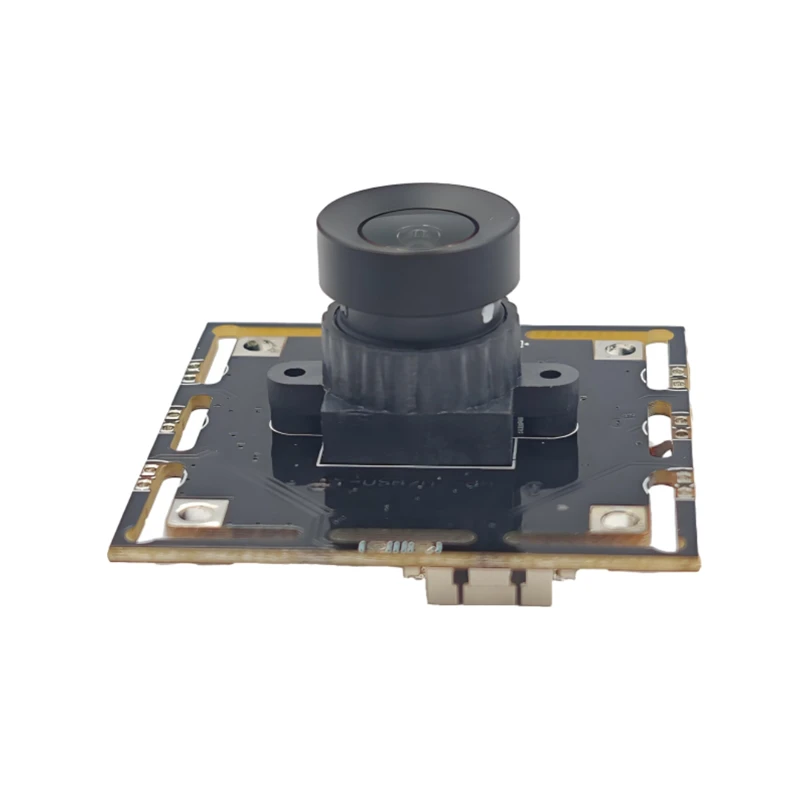
MY-USB1M818A Global Exposure Usb Camera Module With 1mp Hd Video
-
-
-
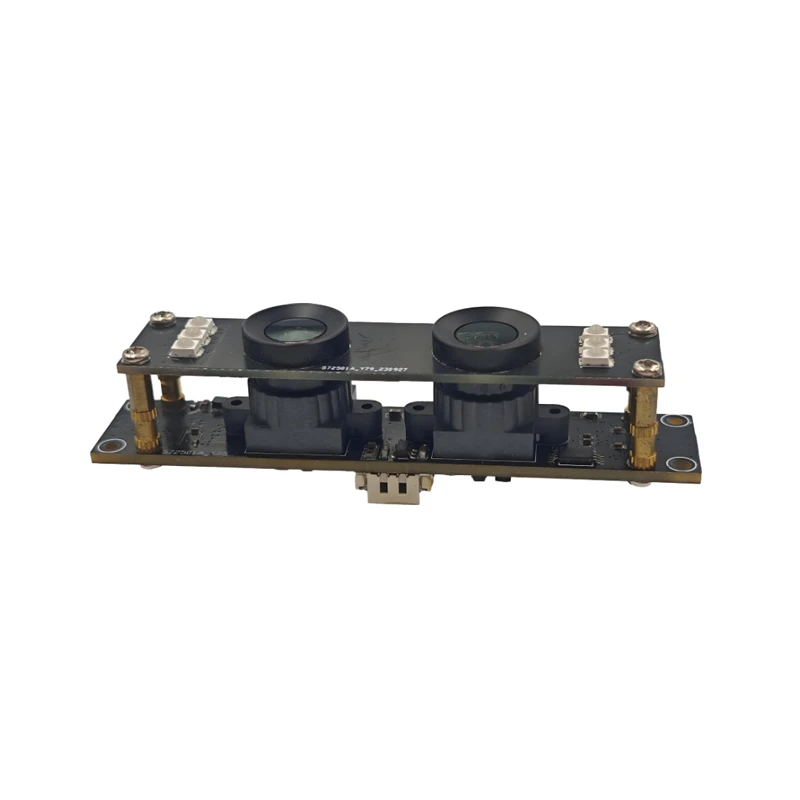
MY-DC52M-A1 Dual Lens Wide Dynamic Range Usb2.0 Camera Module With HD Video 5mp+2mp
-
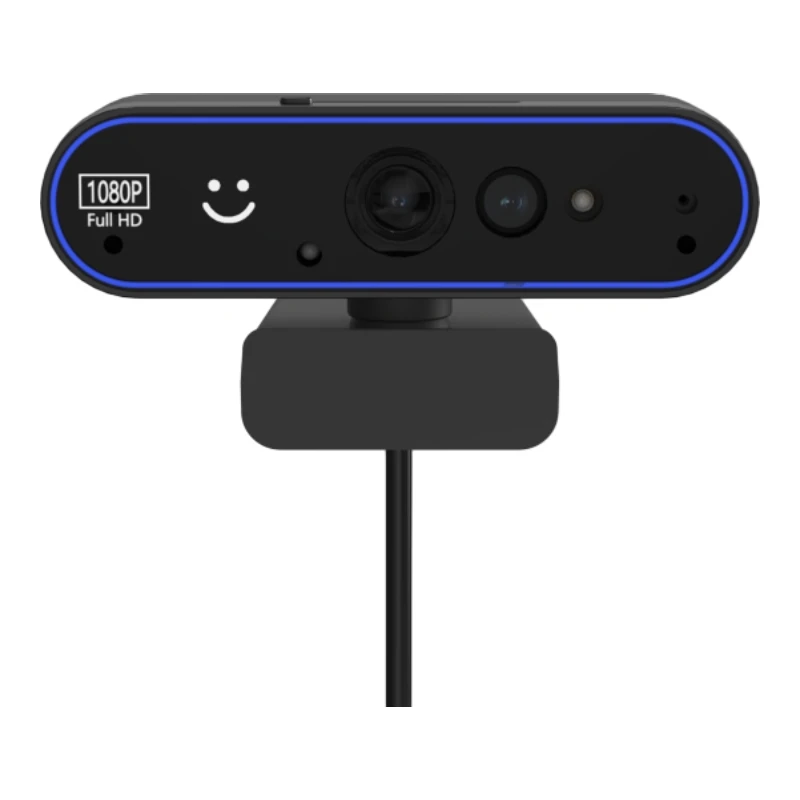
MY-WHC700 Windows Hello Face Recognition Binocular USB Camera
-
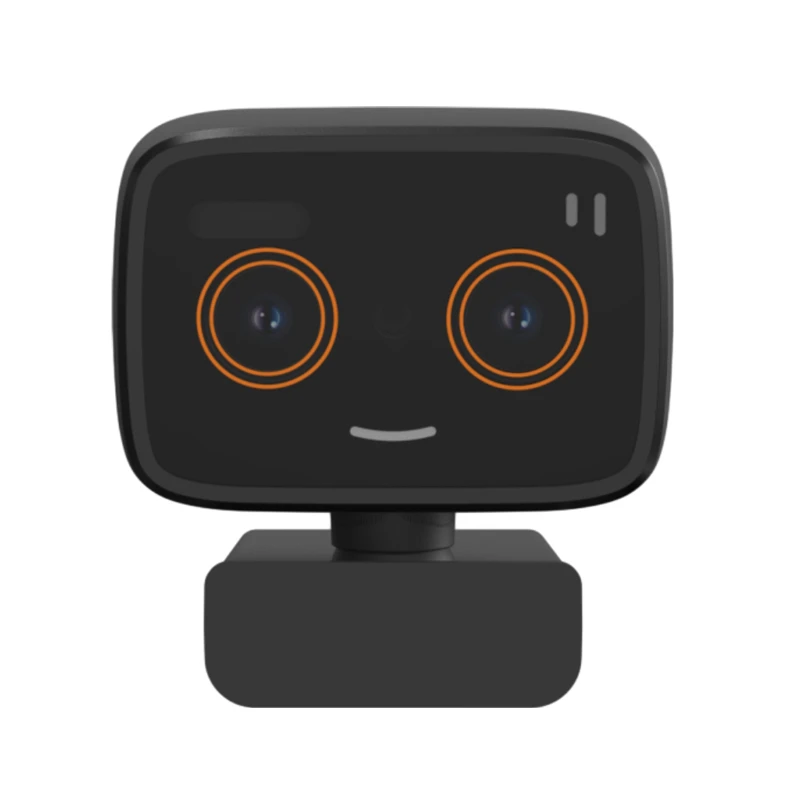
MY-DC-260-A1 Dual Lens Usb2.0 Web Camera With High-definition Video 2mp+2mp
-
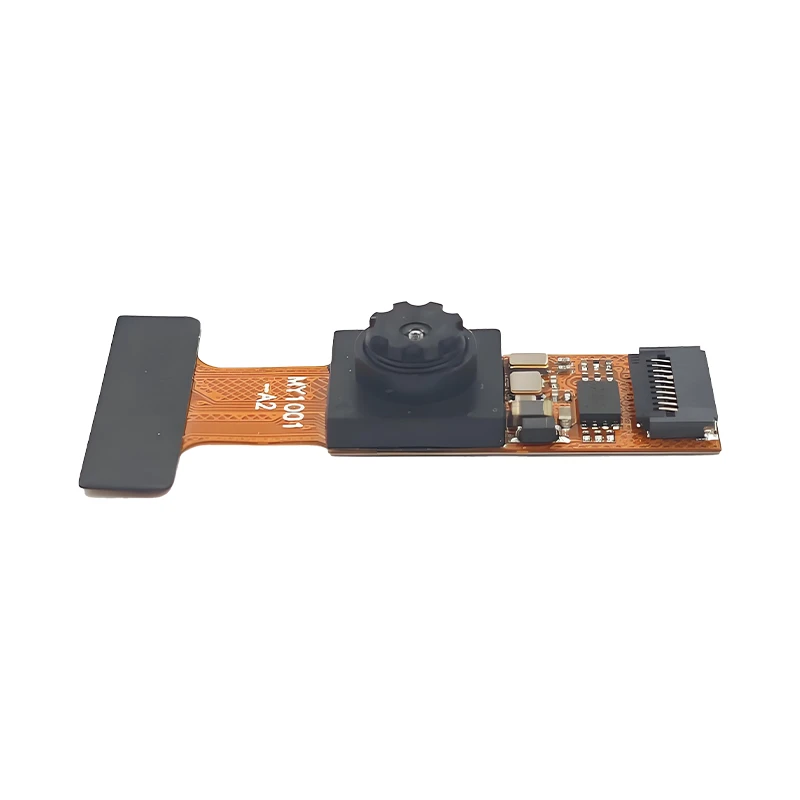
MY-1001-A2 AI Tracking, Gesture Recognition, Sitting Posture Detection Smart Camera Module
-
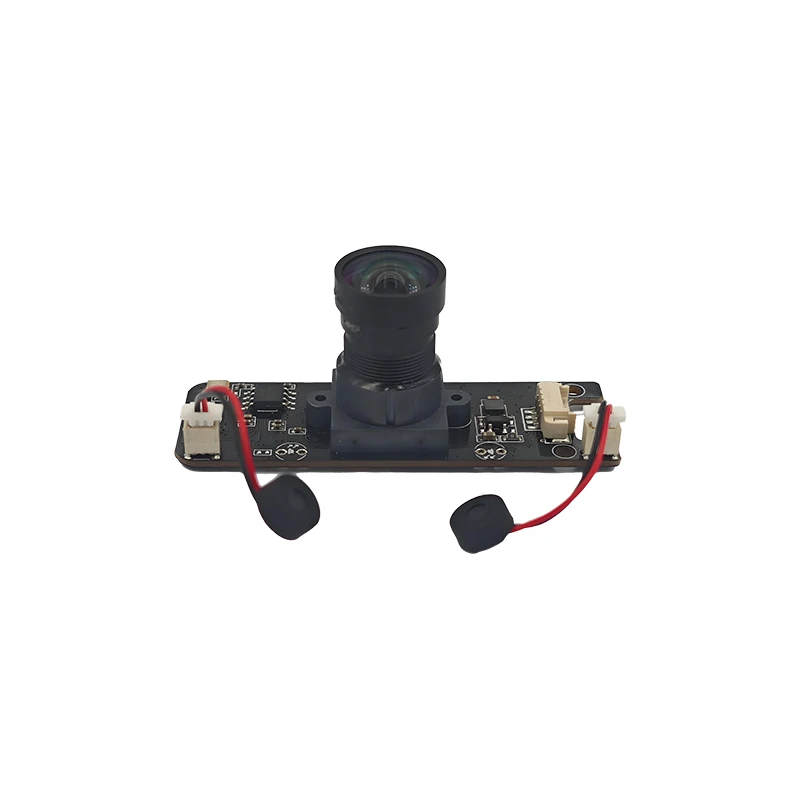
MY-USB8M158A 4K Resolution HD Video Driver-Free USB Camera Module With Microphone
