


Nov . 23, 2025 23:00 Back to list
Webcam PC 1080p 60fps – The Gold Standard for Smooth, Clear Video
Why Webcam PC 1080p 60fps Matters in Today’s Digital World
If you’ve ever joined a video call that lagged or looked grainy, you know firsthand how much video quality changes the experience. A webcam PC 1080p 60fps setup isn’t just jargon—it’s the backbone of smooth, clear video communications that increasingly define how we work, learn, and connect globally. Beyond meetings, this technology fuels telehealth, remote training, online content creation, and even AI applications. Knowing what makes a great 1080p 60fps webcam setup and how it’s evolving can open up opportunities for business efficiency, education, and building trust through crystal-clear visuals.
Introduction: The Global Relevance of Webcam PC 1080p 60fps
Over the past decade, live video streaming saw explosive growth. According to Cisco’s Annual Internet Report, by 2023, video traffic account for over 82% of all consumer internet traffic worldwide. This surge reflects a massive reliance on webcams capable of delivering consistent, high-definition video—think 1080p resolution at a smooth 60fps (frames per second). Why 60fps? It’s about making movement fluid and minimizing lag or jitter, which is particularly vital in professional web conferencing, remote diagnostics, and security monitoring.
Yet, many users struggle with webcam setups that don’t meet these specs, leading to frustrating experiences that ultimately reduce engagement. The challenge lies in delivering this high-quality output reliably across different system setups and internet conditions—a problem solved by selecting the right webcam PC 1080p 60fps configuration.
Mini takeaway: The demand for webcams with 1080p resolution and 60fps is directly tied to the growing need for seamless, high-quality video communication worldwide.
What Exactly Is a Webcam PC 1080p 60fps?
Simply put, a webcam PC 1080p 60fps refers to a camera designed to connect to a personal computer (PC) that can capture and stream video at a resolution of 1920x1080 pixels (Full HD) and at a frame rate of 60 frames per second. This frame rate is significant because it doubles the smoothness compared to the standard 30fps webcams often found in laptops or older desktop setups.
This capability isn’t merely aesthetic—it reflects better sensor hardware, more robust image processing, and a bandwidth-friendly approach so the video remains crisp and fluid even during movement. In humanitarian or industrial contexts, such clarity can be critical; for example, when remote experts guide technicians through complex repairs or when educators deliver online lessons.
Core Features of Webcam PC 1080p 60fps Explained
1. Superior Image Sensor
Most webcams achieve 1080p video, but not all can push 60fps smoothly. The key difference: high-quality image sensors that capture more light and reduce noise, especially in low-light environments. This matters for users working in offices with less-than-ideal lighting or night-time usage.
2. Efficient Video Compression
Streaming 1080p at 60 frames per second means a lot of data flying through your connection. Effective compression algorithms (like H.264 or newer H.265) ensure videos maintain quality without clogging bandwidth, critical for users in regions with moderate internet speeds.
3. Robust Autofocus and Exposure Control
Keeping images sharp, especially when you move or change lighting mid-meeting, depends on fast autofocus and adaptive exposure. Many modern webcams integrate these features so your appearance stays crisp without manual adjustments.
4. Plug-and-Play Compatibility
Sometimes, ease of use is overlooked. But for widespread adoption, a webcam that simply works with standard USB ports, supports major platforms (Windows, macOS, Linux), and requires no extra drivers makes all the difference.
5. Low Latency Streaming
It may sound technical, but low latency ensures the video you see (and send) happens in near real-time, essential for collaboration where timing is key — like remote surgery sessions or live broadcast events.
Mini takeaway: It’s not only about resolution and frame rate. The internal tech—sensor, software, and hardware design—make the webcam PC 1080p 60fps a real powerhouse for diverse applications.
Real-World Applications of Webcam PC 1080p 60fps
The versatility of webcams with 1080p 60fps performance is truly astounding. Across sectors and continents, they’ve become indispensable.
- Healthcare: Telemedicine sees doctors diagnosing patients remotely, often in rural regions, where crisp video helps detect symptoms accurately.
- Education: Schools increasingly rely on digital classrooms where teachers use HD webcams to keep students engaged.
- Manufacturing & Industry: Maintenance experts guide technicians in remote industrial zones via live video; sharp imagery helps identify equipment faults quickly.
- Content Creation: Streamers and vloggers prefer 1080p 60fps for smooth, high-quality videos that appeal to audiences.
- Security & Surveillance: High frame rates ensure better motion capture for accurate incident analysis.
Organizations like the UN and WHO increasingly endorse such tech for their remote operations and emergency response training, underscoring global relevance.
Quick Specs Overview of a Typical Webcam PC 1080p 60fps Model
| Specification | Details |
|---|---|
| Resolution | 1920x1080 (Full HD) |
| Frame Rate | 60 frames per second (fps) |
| Sensor Type | CMOS with back-illuminated tech |
| Connectivity | USB 3.0 / USB-C compatible |
| Autofocus | Fast AF with face tracking |
| Field of View (FoV) | 75° - 90° wide angle |
| Audio | Built-in dual stereo microphones with noise suppression |
Comparing Popular Webcam Vendors: What Sets Them Apart?
| Feature | Vendor A | Vendor B | Vendor C |
|---|---|---|---|
| Max Resolution & Frame Rate | 1080p @ 60fps | 4K @ 30fps | 1080p @ 30fps |
| Connectivity | USB 3.0 & USB-C | USB 2.0 | USB 3.0 |
| Built-in Mic Quality | Stereo, noise cancelling | Mono, basic | Stereo, basic noise suppression |
| Price Range | $90-$130 | $150-$200 | $50-$80 |
| Special Features | Face tracking, low light correction | Ultra HD, digital zoom | Basic autofocus |
The Many Advantages of Choosing a Webcam PC 1080p 60fps
The benefits here ripple beyond just better calls. For organizations, the ROI is clear: fewer “can you hear me?” interruptions, superior trust-building through clear visuals, and enabling work-from-anywhere setups without compromise. On the individual level, it feels more natural to communicate when your face isn’t pixelated or motion-blurred. That actually boosts confidence, reduces fatigue, and makes collaborations smoother.
Sustainability gets a mention, too. A well-optimized 1080p 60fps webcam balances quality with bandwidth savings compared to, say, streaming 4K at 30fps — supporting greener data usage worldwide.
What Does the Future Hold for Webcam PC 1080p 60fps?
Oddly enough, while 4K webcams are starting to pop up, many industry pros say 1080p 60fps remains the “sweet spot” for now—offering excellent quality without hogging system resources or bandwidth. And, as AI-powered features get smarter, expect webcams to auto-adjust lighting, focus, and even provide background replacement that looks more natural than today.
Green tech will also come in: webcams using recycled materials and ultra-low power chips promise greener consumer choices. Plus, USB-C adoption is fast becoming universal, simplifying setup.
Common Challenges & Smart Solutions
Let’s be honest: the “best” webcam isn’t always plug-and-play. Users often run into compatibility issues or quality drops due to outdated drivers or insufficient RAM/CPU power. Also, lighting conditions remain a notorious challenge.
Experts recommend simple steps: pairing your webcam with decent ambient light (ring lights are popular), regularly updating drivers, and using dedicated apps offered by webcam vendors to optimize settings. For businesses, investing in proven hardware and IT support pays off.
FAQ: What People Want To Know About Webcam PC 1080p 60fps
- Q: Why is 60fps better than 30fps in webcams?
A: 60fps provides twice the frames per second, resulting in smoother motion capture that reduces blur and lag during video calls, which is especially helpful in dynamic environments or presentations. - Q: Can all PCs handle 1080p at 60fps streaming?
A: Most modern PCs do, but older machines or those with limited CPU/GPU resources may struggle. USB 3.0 ports and updated drivers also matter for optimal performance. - Q: How does webcam resolution affect bandwidth?
A: Higher resolution and frame rates increase data transmitted, but advanced compression helps manage bandwidth needs—1080p 60fps strikes a balance between quality and data use. - Q: Is 1080p 60fps truly necessary for video conferencing?
A: While 1080p 30fps is common, 60fps makes video smoother and easier on the eyes, particularly for fast motion, resulting in a more professional and immersive experience. - Q: Where can I buy reliable webcams with these specs?
A: Trusted electronics retailers and manufacturers’ official sites are good starting points. For a reliable product and warranty, consider vendors specializing in 1080p 60fps webcams—more info: webcam pc 1080p 60fps.
Wrapping Up: A Clear Vision for Your Video Needs
To sum up, the webcam PC 1080p 60fps isn’t just a fancy spec to drop around—it’s a practical solution empowering communication and collaboration in a world that’s, frankly, a bit too reliant on digital connections now. From business calls to education, healthcare, and security, its role only grows, making it a wise investment that pays off in clarity and reliability.
Curious to upgrade your setup? Visit our website for the latest cutting-edge webcam pc 1080p 60fps models designed to keep you in clear view.
Mini takeaway: Investing in a quality 1080p 60fps webcam is a small step that makes a huge difference in how you connect and communicate, professionally and personally.
References
-
Guide to Raspberry Pi Camera Module v3 with Powered Autofocus
NewsApr.16,2026
-
Guide to Using the raspberry pi camera module v1 3 for IoT Projects
NewsApr.09,2026
-
Exploring the Capabilities of the Raspberry Pi Camera Module 3 Noir for Diverse Applications
NewsApr.07,2026
-
Unlocking Visual Potential with the Raspberry Pi Camera Module 3 for Advanced Projects
NewsApr.04,2026
-
Raspberry Pi Noir Camera Module V2 8MP 1080p30 A Comprehensive Guide for Projects
NewsMar.31,2026
-
Comprehensive Guide to the Raspberry Pi 3 B+ Camera Module and Its Applications
NewsMar.28,2026
-
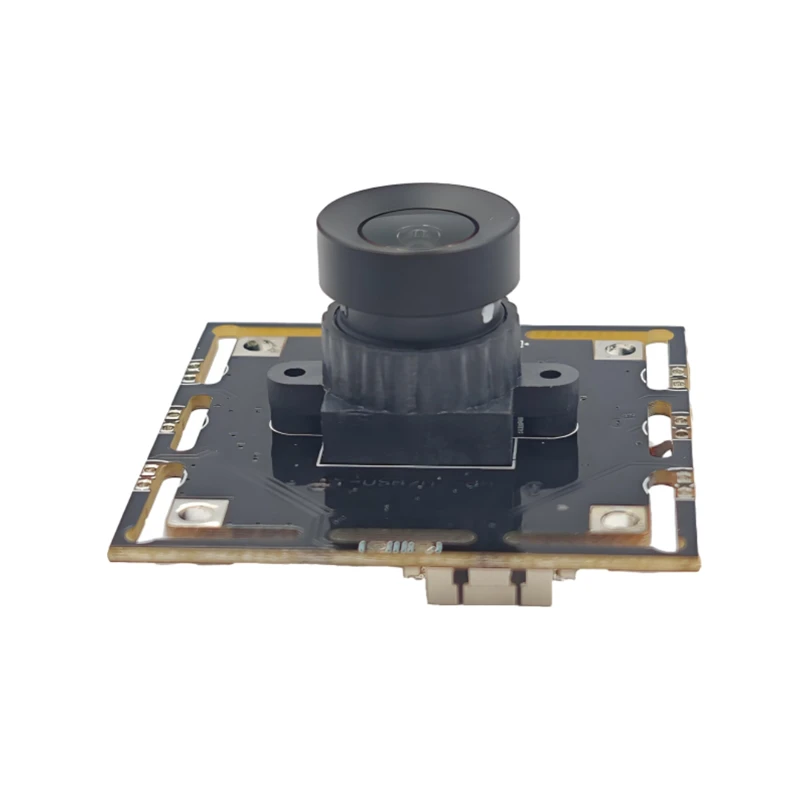
MY-USB1M818A Global Exposure Usb Camera Module With 1mp Hd Video
-
-
-
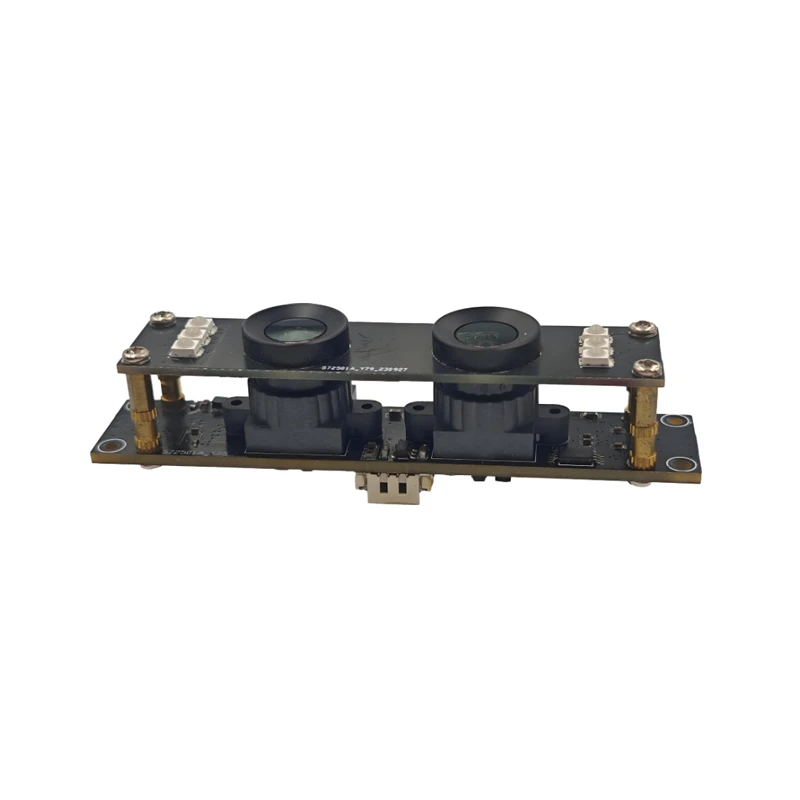
MY-DC52M-A1 Dual Lens Wide Dynamic Range Usb2.0 Camera Module With HD Video 5mp+2mp
-
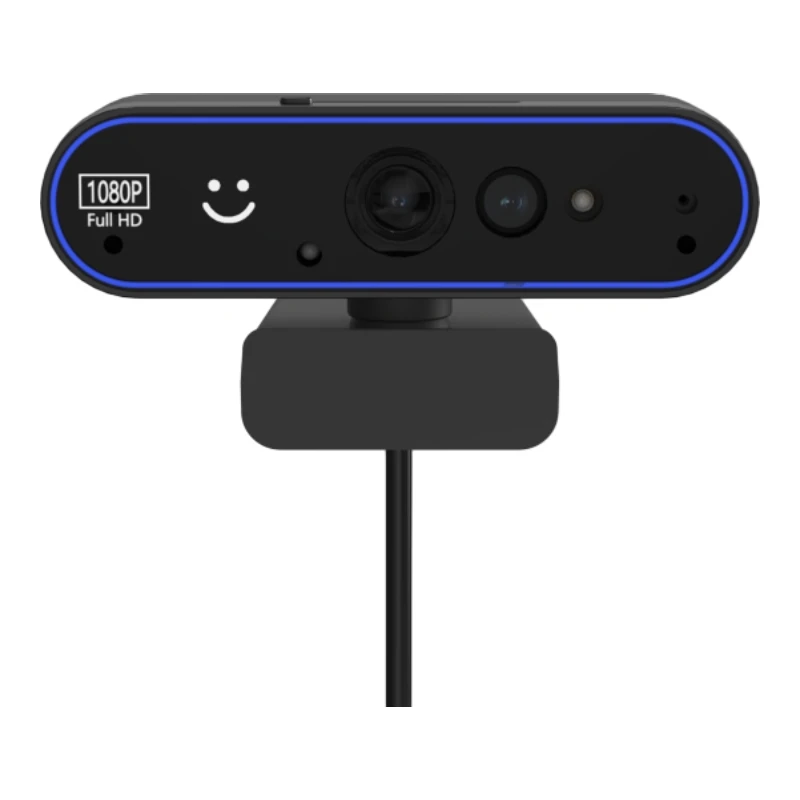
MY-WHC700 Windows Hello Face Recognition Binocular USB Camera
-

MY-DC-260-A1 Dual Lens Usb2.0 Web Camera With High-definition Video 2mp+2mp
-
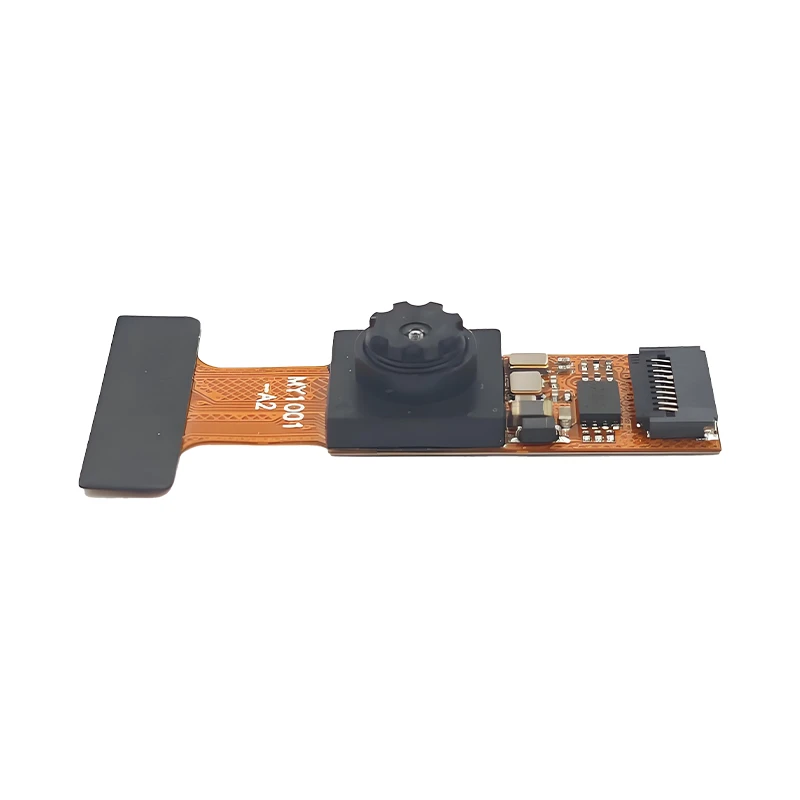
MY-1001-A2 AI Tracking, Gesture Recognition, Sitting Posture Detection Smart Camera Module
-
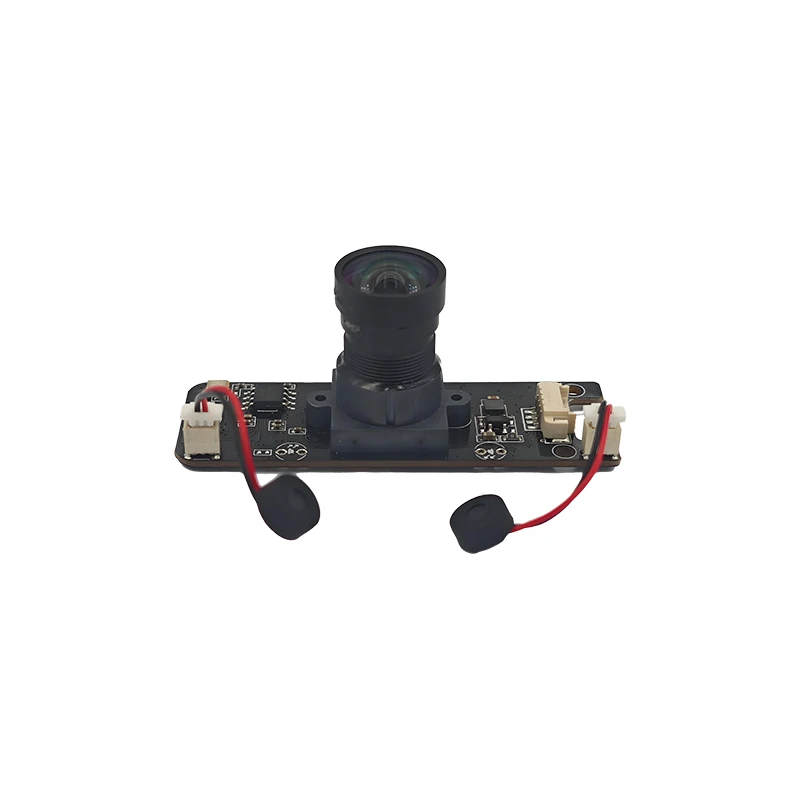
MY-USB8M158A 4K Resolution HD Video Driver-Free USB Camera Module With Microphone
