


Nov . 28, 2025 22:40 Back to list
4k Camera Sensor Module: Ultra High-Definition Imaging for Industry & Aid
Understanding 4k Camera Sensor Modules: Why They Matter More Than Ever
In a world where visuals increasingly define communication—from streaming our daily lives to critical surveillance—the technology behind crisp, ultra-detailed images has never been more crucial. Enter the 4k camera sensor module: a compact powerhouse enabling devices to capture ultra-high-definition video and imagery. Why should we pay attention? Because beyond just pretty pictures, these sensors play a pivotal role in industries ranging from security and manufacturing to humanitarian aid and environmental monitoring.
In real terms, 4k camera sensors crank up image resolution to roughly 8 million pixels, delivering a level of detail that was nearly science fiction just a decade ago. And with global data showing explosive growth in visual content—thanks to platforms like YouTube and Netflix alongside surveillance needs—understanding how these sensor modules work and why they matter is a smart move for anyone in tech, business, or even social sectors.
The Global Context: Why 4k Camera Sensor Modules Are a Big Deal
Globally, the demand for high-resolution sensors is skyrocketing. According to the International Telecommunication Union (ITU), video traffic accounted for 82% of all internet traffic by 2023 — and that is expected to rise. Meanwhile, the United Nations highlights the use of advanced imaging tech in disaster management and environmental monitoring as critical tools to save lives and manage resources more efficiently.
Yet, there’s an underlying challenge here: balancing ever-increasing image quality with components that remain cost-effective, power-efficient, and adaptable across environments. Simply put, getting a 4k camera sensor module that works reliably in harsh industrial or remote settings—without draining batteries or blowing the budget—is no easy feat.
Mini takeaway: The growing demand for detailed imaging drives innovation in 4k camera sensor modules, but manufacturers must tackle cost and durability to keep pace.
What Exactly Is a 4k Camera Sensor Module?
Put simply, a 4k camera sensor module is an integrated component combining the image sensor with processing electronics, lenses, and often some interface hardware to enable high-resolution 4k video capture. The “4k” here refers to horizontal resolution near 4000 pixels, yielding four times the detail of traditional HD.
These modules are found in everything from consumer smartphones and drones to industrial inspection systems and rescue drones. Their connection to modern industry lies in enabling detailed real-time imaging that supports automation, quality control, and security. On the humanitarian side, sharper visuals aid in faster, more accurate assessments—think locating survivors after an earthquake or monitoring deforestation from afar.
Mini takeaway: A 4k camera sensor module is the visual “eye” in many devices, bridging tech and real-world use with ultra-clear imagery.
Key Factors Behind a Reliable 4k Camera Sensor Module
1. Sensor Technology
Most 4k sensors use CMOS technology, prized for low power consumption and faster readouts compared to older CCDs. High dynamic range (HDR) capability is also key, as it allows the sensor to handle bright and dark areas simultaneously—the kind of challenge you face when trying to spot details through shadows or glaring sunlight.
2. Durability & Environmental Resistance
Many applications demand sensors that can survive extreme temperatures, dust, moisture, or vibration. Industrial-grade modules often feature hardened glass and protective coatings, making them reliable for outdoor surveillance or rugged factory floors.
3. Compactness and Integration
With device miniaturization in full swing, camera sensor modules must be tiny but powerful, easily integrated into drones, robots, or handheld devices without adding bulk or excessive weight. A good balance between size and performance is crucial.
4. Power Efficiency
Especially for battery-powered devices like drones or mobile security cameras, how much power the sensor draws affects operational time. Engineers often optimize firmware and hardware to extend usability without sacrificing image quality.
5. Interface & Compatibility
Seamless communication with controllers and processors is vital. Modules equipped with flexible interface standards like MIPI CSI or USB ensure broader compatibility and easier deployment within diverse systems.
6. Cost Performance
Finally, hitting a sweet spot between cost and capability can mean the difference between a solution being used widely or confined to niche markets.
| Parameter | Specification |
|---|---|
| Resolution | 3840 × 2160 pixels (4k UHD) |
| Sensor Type | Backside-Illuminated (BSI) CMOS |
| Frame Rate | Up to 60 fps |
| Lens Type | Fixed / Autofocus options |
| Interface | MIPI CSI-2 / USB 3.0 |
| Power Consumption | Approx. 250 mW |
| Operating Temp. | -20°C to +70°C |
From Surveillance to Disaster Relief: Real-World Applications
It's fascinating how the same technology threads through wholly different scenarios:
- Security & Surveillance: Governments and businesses employ 4k camera sensor modules in CCTV for razor-sharp image detail, helping identify faces and license plates at ranges that older tech struggled with.
- Industrial Inspection: Factories use 4k imaging to automate visual quality control—catching tiniest defects invisible to the human eye on fast-moving production lines.
- Humanitarian Aid: After crises like floods or earthquakes, drones equipped with 4k sensors quickly map affected areas, revealing where infrastructure is damaged or survivors may be.
- Environmental Monitoring: Remote regions employ these sensors on satellites or drones to monitor deforestation or glacier retreat with unprecedented clarity, informing global climate actions.
Mini takeaway: The versatility of 4k camera sensor modules means their impact spans industries and continents, tailoring high-res vision to unique problems.
What’s in It for You? The Advantages of 4k Camera Sensor Modules
The tangible benefits are pretty compelling:
- Improved Accuracy: Detailed images mean fewer errors in visual inspection or security identification.
- Cost Savings: Automated inspections reduce human labor and error, while clearer surveillance prevents costly incidents.
- Enhanced Safety: Early detection of hazards or disaster zones saves lives and property.
- Innovation Starter: Sharp imaging enables newer AI-powered analytics, pushing tech boundaries.
Beyond numbers, these modules inspire trust and confidence. Imagine a community protected by crystal-clear surveillance or a rescue team efficiently pinpointing where help is needed. There is something deeply reassuring there.
What’s Next? Future Trends in 4k Camera Sensor Module Technology
Looking ahead, we’re likely to see:
- Improved Low-Light Performance: Innovations in sensor sensitivity help capture vivid images at night or indoors.
- Smaller, More Power-Efficient Designs: Advances in semiconductor materials and architectures shrink modules without sacrificing quality.
- Integration of AI: Some modules will begin embedding edge AI to process images locally, reducing latency and bandwidth needs.
- Greener Manufacturing Processes: Industry norms around sustainability will influence sensor production—less e-waste, more recyclable components.
Challenges and Smart Solutions in Deploying 4k Camera Sensor Modules
Challenges persist, though. The colossal data load from 4k video strains storage and transmission pipelines, especially in remote areas. Also, some modules still face thermal issues when running at high frame rates for prolonged periods.
Solutions? Engineers are pushing compression algorithms that retain quality but reduce file size. Thermal designs now frequently incorporate heat pipes or advanced coatings. Plus, modular architecture allows swapping sensors based on mission needs.
| Vendor | Strength | Typical Use Cases | Price Range (USD) |
|---|---|---|---|
| SensorTech Corp. | High low-light sensitivity, robust build | Security, industrial | $120 - $180 |
| VisionWave | Compact, energy-efficient modules | Drones, mobile cams | $90 - $140 |
| ClearSight Solutions | AI-enabled image processing | Smart cities, traffic monitoring | $150 - $220 |
Frequently Asked Questions About 4k Camera Sensor Modules
Q1: How do 4k camera sensor modules differ from regular HD sensors?
A1: 4k sensor modules provide roughly four times the pixel count of HD, delivering much sharper and clearer images. They also tend to support higher frame rates and better dynamic range, crucial for professional or industrial applications where detail matters.
Q2: Are 4k modules suitable for outdoor use in all climates?
A2: Many 4k camera sensor modules are designed with industrial-grade materials that enable operation in harsh environments, including wide temperature ranges and exposure to dust or moisture. However, always check product specifications to ensure suitability for specific situations.
Q3: Can these modules be integrated with AI for real-time analytics?
A3: Yes, increasingly manufacturers offer modules with embedded AI processors or provide easy interfaces to connect with AI-capable hardware, enabling real-time object detection, tracking, or anomaly identification directly on the device.
Q4: What’s the best way to choose a 4k camera sensor module for a drone project?
A4: Focus on weight, power consumption, and interface compatibility. Also consider environmental resistance if flying outdoors. Vendor support and documentation help speed up integration, which is never something to underestimate.
Q5: How can NGOs acquire these modules for humanitarian missions internationally?
A5: Many manufacturers partner with international distributors or offer direct sales with export documentation. NGOs often benefit from bulk buying agreements or subsidies through technology grants—connecting with suppliers early to negotiate terms is recommended.
Wrapping Up and What to Do Next
Bringing it all together, 4k camera sensor modules are quietly revolutionizing how we see and interact with the world around us—from sharp security footage to life-saving disaster imaging. They strike a fine balance between cutting-edge technology and practical real-world utility. Frankly, keeping an eye on these devices’ evolution is a no-brainer if you work with video tech or visual data.
If you’re curious to explore or source high-quality 4k camera sensor module solutions for your projects, visiting our website is a great first step. There, you’ll find detailed specs, expert consultation services, and custom options tailored to your unique needs. Because in the end, the sharper your vision, the bigger your impact.
Mini reflections: The world may change fast, but having crystal-clear sight helps us adapt better. Whether you're an engineer, entrepreneur, or global aid worker, the 4k camera sensor module speaks your language—one pixel at a time.
References
-
Guide to Raspberry Pi Camera Module v3 with Powered Autofocus
NewsApr.16,2026
-
Guide to Using the raspberry pi camera module v1 3 for IoT Projects
NewsApr.09,2026
-
Exploring the Capabilities of the Raspberry Pi Camera Module 3 Noir for Diverse Applications
NewsApr.07,2026
-
Unlocking Visual Potential with the Raspberry Pi Camera Module 3 for Advanced Projects
NewsApr.04,2026
-
Raspberry Pi Noir Camera Module V2 8MP 1080p30 A Comprehensive Guide for Projects
NewsMar.31,2026
-
Comprehensive Guide to the Raspberry Pi 3 B+ Camera Module and Its Applications
NewsMar.28,2026
-
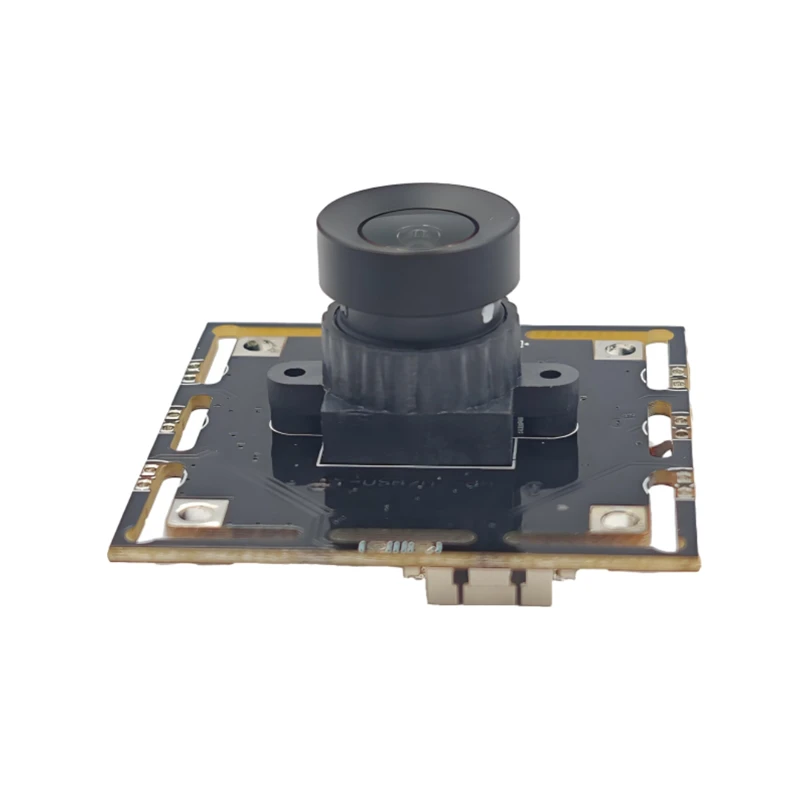
MY-USB1M818A Global Exposure Usb Camera Module With 1mp Hd Video
-
-
-
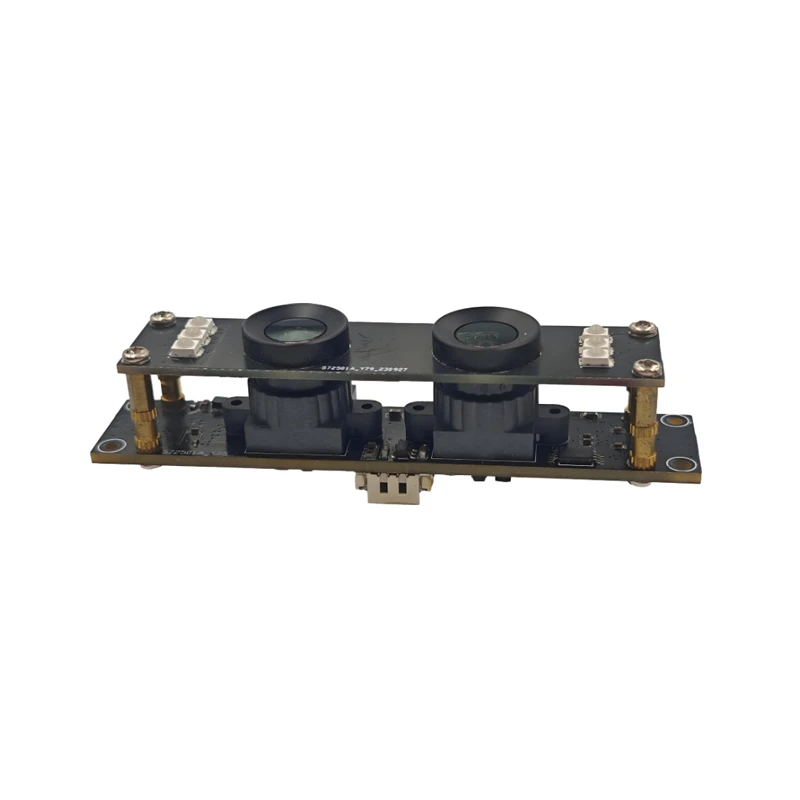
MY-DC52M-A1 Dual Lens Wide Dynamic Range Usb2.0 Camera Module With HD Video 5mp+2mp
-
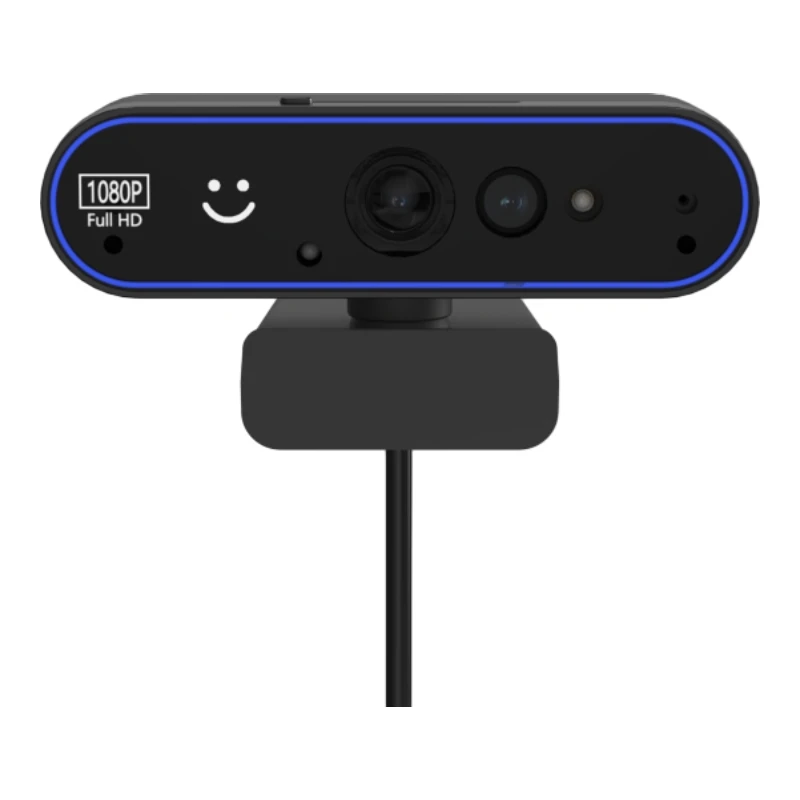
MY-WHC700 Windows Hello Face Recognition Binocular USB Camera
-

MY-DC-260-A1 Dual Lens Usb2.0 Web Camera With High-definition Video 2mp+2mp
-
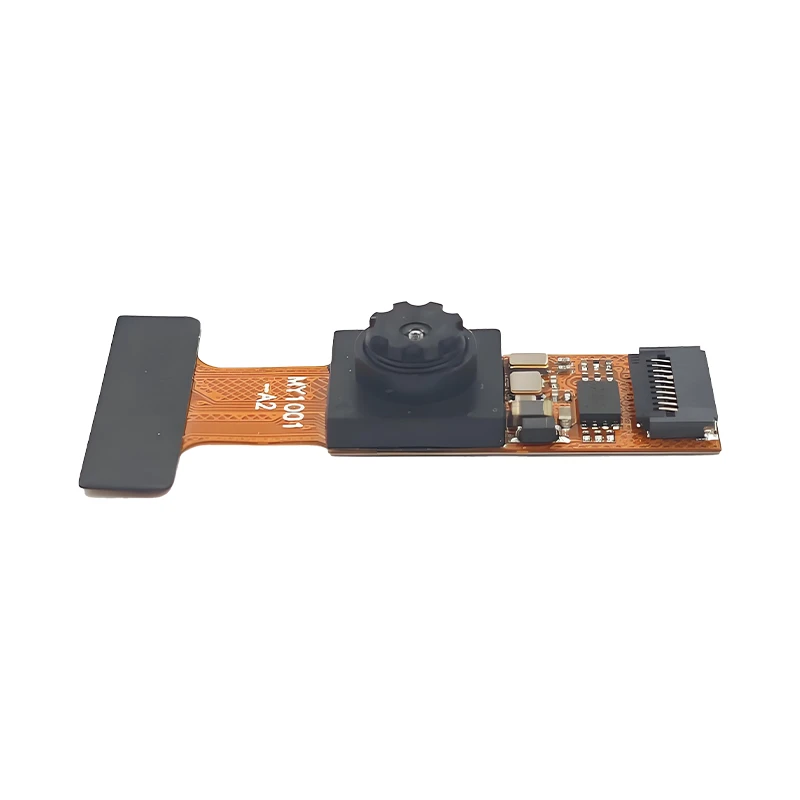
MY-1001-A2 AI Tracking, Gesture Recognition, Sitting Posture Detection Smart Camera Module
-
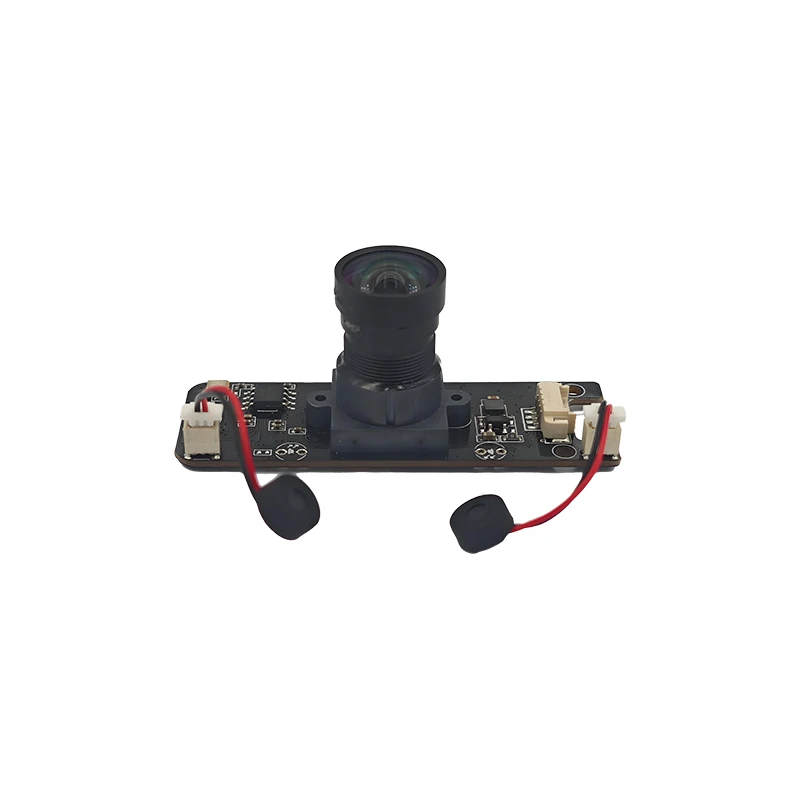
MY-USB8M158A 4K Resolution HD Video Driver-Free USB Camera Module With Microphone
