


Nov . 28, 2025 21:10 Back to list
Discover the Power of 4k USB Camera Modules – High-Definition Imaging for Industry & Innovation
Understanding the 4k USB Camera Module: A Window into High-Quality Imaging
In an era where image quality can make or break experiences — from telemedicine consultations to remote industrial inspections — the 4k USB camera module has become a crucial tool globally. But what exactly is it, and why should businesses and tech enthusiasts everywhere care? At its core, this compact yet powerful device integrates ultra-high-definition video capabilities with plug-and-play simplicity, enabling diverse industries to capture crisp, precise visuals with minimal fuss.
In case you’re wondering, we’re talking about far more than just clearer photos. The rise of digital transformation across healthcare, manufacturing, security, and even humanitarian operations has driven demand for reliable, high-resolution imaging that’s easy to deploy wherever needed — often under challenging conditions. Understanding this tech might just open doors to more efficient, robust, and creative solutions in your own line of work.
Why the 4k USB Camera Module Matters Globally
According to recent data from the International Organization for Standardization (ISO) and the World Bank, there’s been explosive growth in demand for high-resolution imaging worldwide. Telepresence and remote monitoring alone have surged by over 40% in the past five years, accelerated by shifts like the COVID-19 pandemic sparking remote collaboration.
This global relevance is not trivial. Imagine a region prone to natural disasters where rapid deployment of visual assessment tools can save lives, or manufacturing lines in Asia demanding precise quality checks without installing expensive fixed cameras. The 4k USB camera module addresses such challenges by offering unmatched image clarity in a small, USB-powered package. But there’s more — the ease of integration means it fits into existing systems without endless configuration headaches. That’s part of why so many industries are adopting it.
Mini takeaway: As worldwide connectivity grows, demand for flexible and sharp imaging explodes, placing 4k USB camera modules front and center in multiple sectors.
What Is a 4k USB Camera Module, Exactly?
A 4k USB camera module is a compact imaging device that captures video and images in ultra-high definition (3840 x 2160 pixels standard) and transmits them digitally via USB interfaces. Simply put, it's like having a high-grade camera sensor, built-in lens, and signal processor all in one tiny unit that plugs directly into your computer or embedded system.
This module is part of a broader trend in miniaturized, powerful digital optics, bridging the gap between standalone cameras and integrated sensors. It’s becoming essential not only in industries that demand detailed visual data (like robotics, AI vision, and medical imaging) but also in humanitarian tech — think remote diagnostics in underserved areas or high-resolution surveillance for community safety.
Key Components That Shape a 4k USB Camera Module
1. Resolution and Sensor Quality
At its heart, the module features a CMOS or sometimes CCD sensor capable of capturing 4k imagery. The quality of this sensor defines how clear, color-accurate, and noise-free your footage will be, especially in low-light or fast-motion scenarios.
2. USB Interface and Compatibility
Most modules use USB 3.0 or later, ensuring high throughput necessary for 4k streams. Plug-and-play compatibility with operating systems like Windows, Linux, and macOS is a big plus, reducing setup time significantly.
3. Lens and Optics
The optical lens determines field of view, focusing range, and distortion levels. Some modules sport fixed lenses, others allow manual or motorized focus — important choices depending on your application.
4. Physical Size and Integration
The compactness is not just for aesthetics — it’s vital for embedded systems, drones, or portable devices. Modules often come in standardized form factors, making integration straightforward without major redesigns.
5. Power Consumption and Heat Management
Low power draw and smart heat dissipation are crucial for long-term reliability, especially in continuous-use scenarios like surveillance or industrial inspection.
| Feature | Specification |
|---|---|
| Resolution | 3840 x 2160 (4k UHD) |
| Sensor Type | Sony IMX317 CMOS / OmniVision OV4689 (varies) |
| Interface | USB 3.0 / USB-C |
| Lens | Fixed or Auto-focus, 70° Field of View typical |
| Power Consumption | |
| Dimensions | 30 x 30 x 15 mm (approx.) |
Mini takeaway: Choosing the right 4k USB camera module means balancing size, image quality, and interface compatibility to match your project's exact needs.
Global Use Cases: Where and Why They Shine
The beauty of 4k USB camera modules lies in their versatility. Here are some prominent uses:
- Telemedicine: Ultra-clear imagery helps doctors diagnose remotely with sharp, real-time visuals, crucial in underserved regions like parts of Africa and South America.
- Industrial Inspection: Factories in Asia and Europe deploy these modules on assembly lines for defect detection, improving output and reducing waste.
- Security & Surveillance: Municipalities integrate them into smart city projects, enhancing public safety with high-resolution video feeds.
- Robot Vision: In R&D centers worldwide, AI systems rely on 4k clarity to “see” better for tasks like sorting or autonomous navigation.
- Disaster Relief: NGOs use compact cameras in drones flying over affected zones, delivering real-time data to coordinators on the ground.
Mini takeaway: From urban security to remote healthcare, the 4k USB camera module flexes its muscles across continents and industries alike.
Advantages That Make These Modules a Worthy Investment
High-resolution imaging is not just a luxury but a catalyst for better decision-making:
- Cost Efficiency: Low manufacturing and operational costs compared to bulky camera systems.
- Plug-and-Play: Easy setup means less downtime and faster ROI.
- Sustainability: Compact design reduces materials; energy-efficient operation aligns with greener tech initiatives.
- Social Impact: Enhances real-time monitoring for safety, healthcare, and education — adding dignity where visuals matter.
- Reliability: Robust build tolerates rough environments, crucial for industrial and outdoor use.
Emerging Trends & The Road Ahead
Frankly, the scope of these camera modules is expanding as well as evolving. Some trends to watch:
- Integration with AI: Built-in processing power for on-device analytics.
- Higher Frame Rates: For smoother video in industrial and sports applications.
- Eco-friendly Materials: Manufacturers exploring biodegradable components.
- Wireless USB Variants: Cutting cables but keeping quality intact.
With increasing push towards digital transformation, these will get smarter and more adaptable, making them indispensable in automation and IoT ecosystems.
Common Challenges & How Industry Is Tackling Them
No tech is perfect — the 4k USB camera module grapples with issues like:
- Heat Management: Small size means less room for heat sinks — manufacturers now use advanced thermal materials and designs.
- Compatibility: Varying USB standards create occasional headaches, but universal drivers and firmware updates help smooth this out.
- Cost Pressures: OEMs compete on pricing without sacrificing quality by optimizing supply chains and using modular designs.
Experts suggest proactive testing, choosing certified vendors, and specifying requirements clearly can greatly mitigate risks.
| Vendor | Approx. Price (USD) | Key Features | Support & Warranty |
|---|---|---|---|
| MyCCM Tech | $120 – $180 | Sony sensor, USB 3.1, auto-focus lens | 24 mo. warranty, 24/7 support |
| GlobalCam Inc. | $150 – $220 | Wide FoV, USB-C, rugged design | 18 mo. warranty, online helpdesk |
| VisionWorks | $100 – $170 | Energy-efficient, multi-platform | 12 mo. warranty, email support |
FAQ: Your Quick Questions About 4k USB Camera Modules
Q1: Can I use a 4k USB camera module with older USB 2.0 ports?
Technically, yes, but with limited performance. USB 2.0 doesn't provide enough bandwidth for true 4k streaming, resulting in lower frame rates or reduced resolution. To fully benefit from 4k quality, using USB 3.0 or higher is recommended.
Q2: How difficult is integration into existing industrial systems?
Most modules are designed for plug-and-play ease, compatible with popular operating systems and development platforms. However, complex systems may require firmware adjustments or driver installations. Consultation with your vendor often eases integration pain.
Q3: Are these modules suitable for outdoor use?
Some models come with ruggedized casings or weatherproofing, but many basic versions are designed for indoor or controlled environments. For outdoor or harsh settings, look for specific IP ratings and thermal management specs.
Q4: Can you customize the lens or sensor specifications?
Yes, many manufacturers offer customization options, including lens focal lengths, sensor types, and interfaces to fit specialized needs. Custom orders typically require minimum quantities and longer lead times.
Q5: What are typical applications for 4k USB camera modules in remote locations?
They’re invaluable for telehealth consultations, remote education, wildlife monitoring, and disaster assessments — basically anywhere high-quality image data is needed but fixed, bulky cameras aren’t feasible.
Conclusion: Why 4k USB Camera Modules Deserve Your Attention
Ultimately, the 4k usb camera module offers a compact yet powerful solution for capturing ultra-high-definition imagery across a spectrum of industries and situations. Their affordability, ease of use, and versatility open doors to innovation in telemedicine, industrial automation, security, and beyond. Given the rapid pace of digital transformation, they are not just gadgets but vital enablers of smarter, safer, and more connected futures.
If you’re considering integrating a 4k USB camera module into your project, why not start by exploring trusted vendors with proven track records? Visit https://www.szmyccm.com for a range of options and expert advice. You might be surprised how seamlessly this technology can elevate your operations.
After all, in the world of tech, clarity is power — and 4k clarity might just be the edge you need.
References:
-
Guide to Raspberry Pi Camera Module v3 with Powered Autofocus
NewsApr.16,2026
-
Guide to Using the raspberry pi camera module v1 3 for IoT Projects
NewsApr.09,2026
-
Exploring the Capabilities of the Raspberry Pi Camera Module 3 Noir for Diverse Applications
NewsApr.07,2026
-
Unlocking Visual Potential with the Raspberry Pi Camera Module 3 for Advanced Projects
NewsApr.04,2026
-
Raspberry Pi Noir Camera Module V2 8MP 1080p30 A Comprehensive Guide for Projects
NewsMar.31,2026
-
Comprehensive Guide to the Raspberry Pi 3 B+ Camera Module and Its Applications
NewsMar.28,2026
-
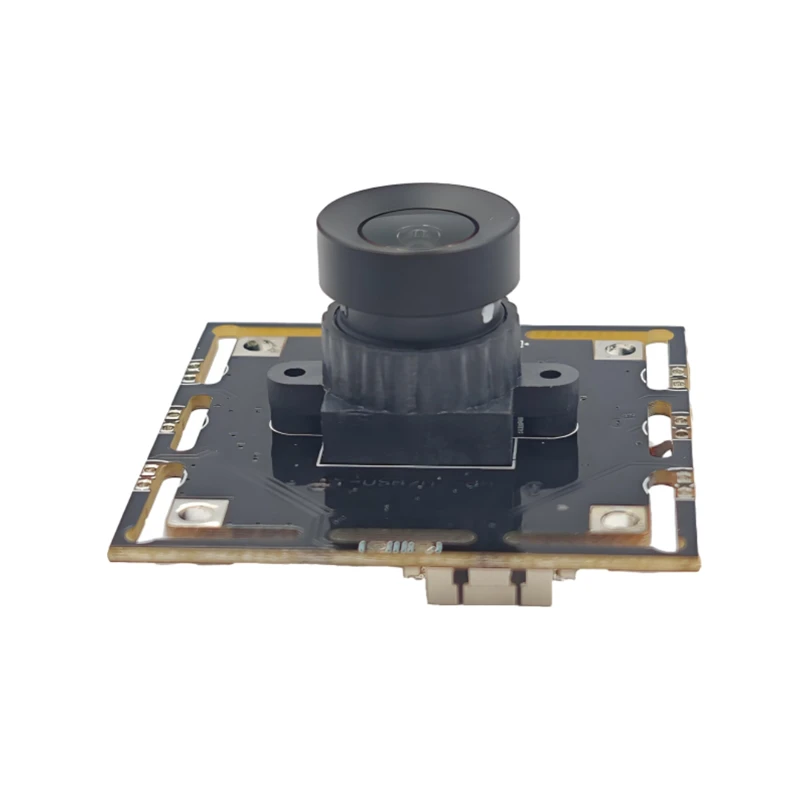
MY-USB1M818A Global Exposure Usb Camera Module With 1mp Hd Video
-
-
-
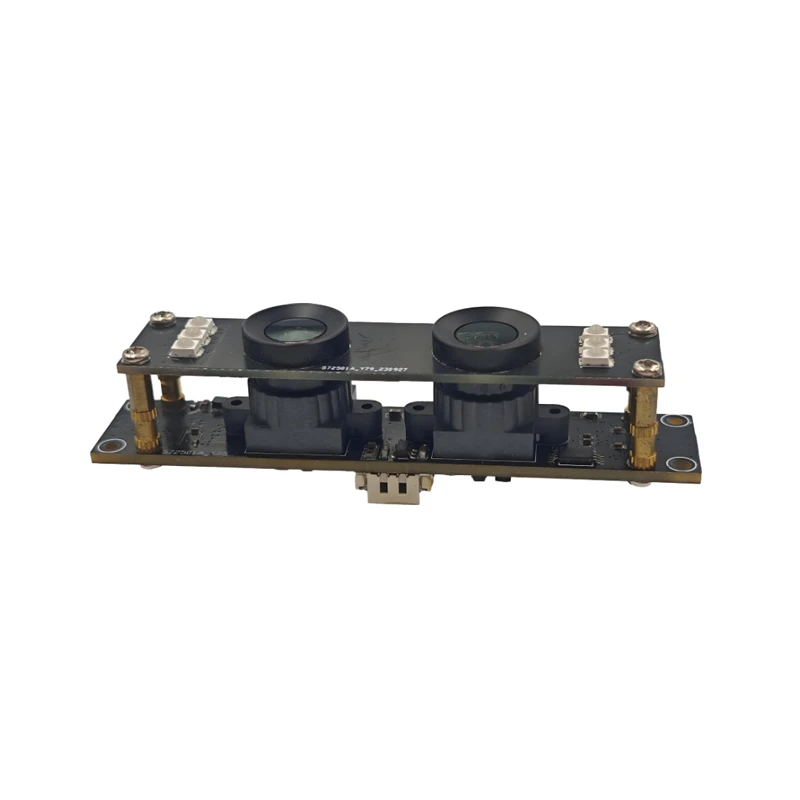
MY-DC52M-A1 Dual Lens Wide Dynamic Range Usb2.0 Camera Module With HD Video 5mp+2mp
-
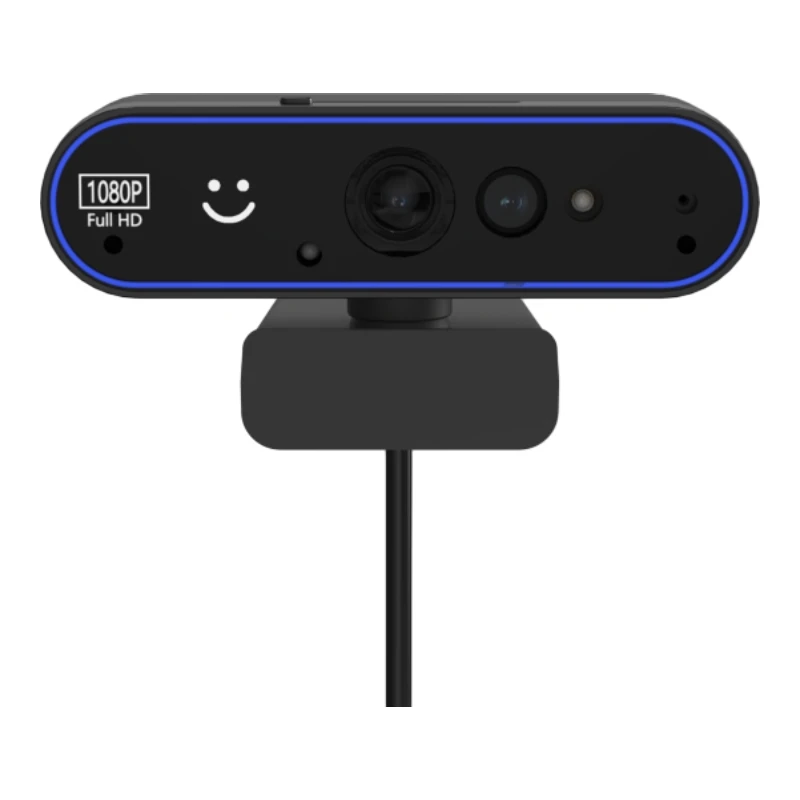
MY-WHC700 Windows Hello Face Recognition Binocular USB Camera
-

MY-DC-260-A1 Dual Lens Usb2.0 Web Camera With High-definition Video 2mp+2mp
-
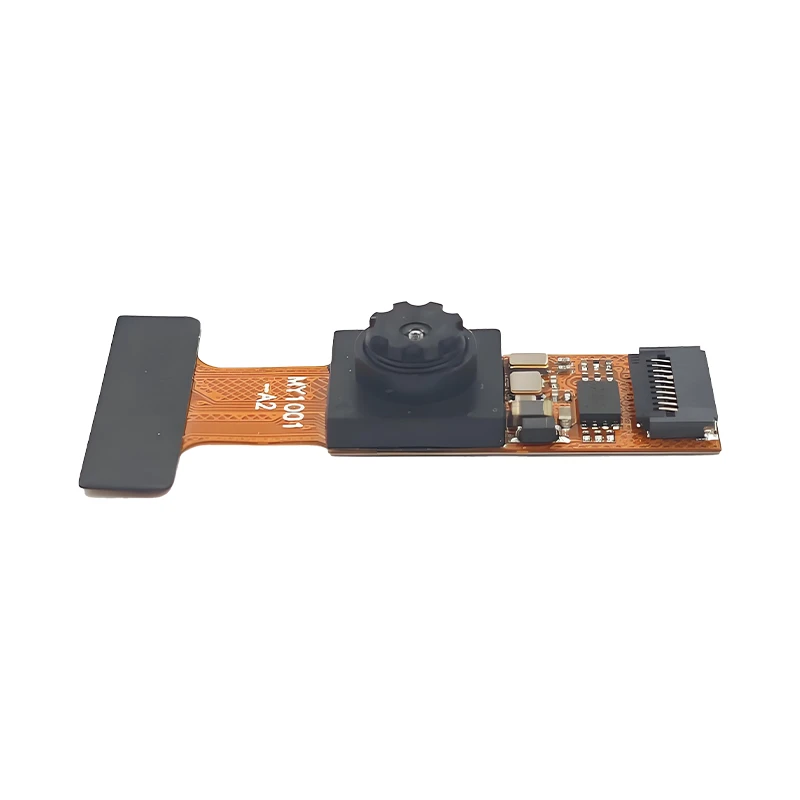
MY-1001-A2 AI Tracking, Gesture Recognition, Sitting Posture Detection Smart Camera Module
-
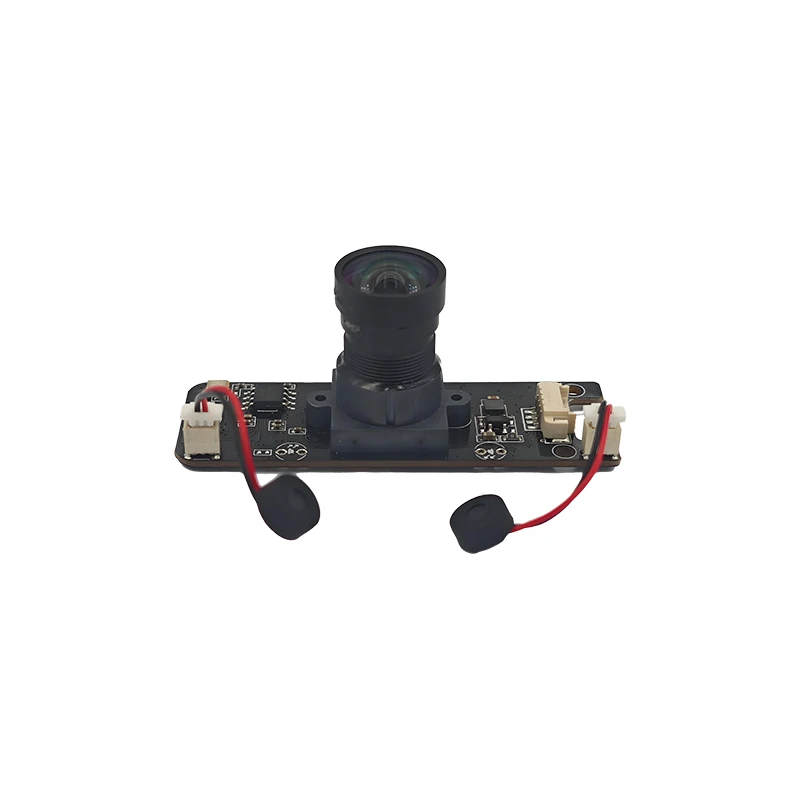
MY-USB8M158A 4K Resolution HD Video Driver-Free USB Camera Module With Microphone
