


Dec . 12, 2025 19:55 Back to list
Achieving 4K/60fps Video with a MIPI CSI-2 Camera Module
In industries like automotive ADAS, industrial machine vision, and high-end consumer electronics, capturing smooth, high-resolution 4K/60fps video is critical for accurate data analysis and premium user experiences. MIPI CSI 2 camera module solutions—with their high-speed, low-power interface—have become the gold standard for delivering this performance, outperforming USB or Ethernet alternatives in embedded applications. Shenzhen Minyou Digital Technology Co.,Ltd, established in 2013 as a leading OEM&ODM manufacturer of intelligent camera modules (including mipi camera variants), excels in crafting mipi csi camera module options tailored to 4K/60fps needs. With 3000+ square meters of dust-free anti-static workshops, ISO9001 certification, and global compliance (CCC, CE, FCC), Minyou supplies reliable, high-performance modules to wholesalers serving automotive tech firms, drone manufacturers, and smart device brands across North America, Western Europe, Asia, and China. For wholesalers, partnering with Minyou means accessing scalable MIPI CSI 2 camera module solutions backed by customization expertise—essential for meeting client demands for ultra-high-definition, real-time video capture.
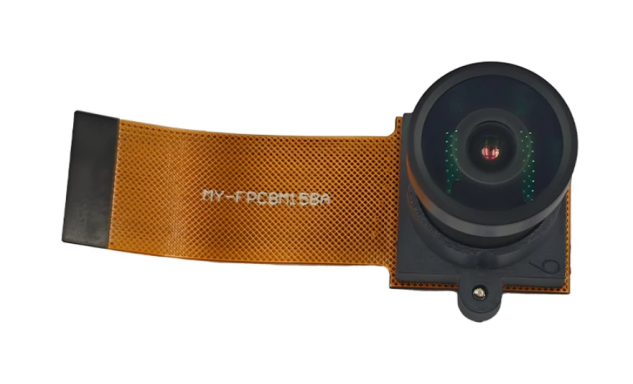
Why MIPI CSI 2 Camera Module Enables 4K/60fps Video
- High-Speed Data Transfer for Uncompressed Video: 4K/60fps video generates massive data (up to 24 Gbps for uncompressed 10-bit RGB)—a load that USB 3.0 (5 Gbps) or Ethernet (10 Gbps) often struggle to handle without compression (which degrades quality). MIPI CSI 2 camera module uses multiple data lanes (up to 4 lanes in Minyou’s designs) with each lane supporting 2.5–8 Gbps, delivering total bandwidth of 10–32 Gbps. This ensures uncompressed 4K/60fps video reaches processors in real time, critical for applications like automotive ADAS (where latency or quality loss could compromise safety). A wholesaler supplying automotive tech clients reported that Minyou’s mipi csi camera module eliminated video lag in their ADAS systems, with engineers praising how “the module keeps up with every frame without compression.” Wholesalers should highlight this high-bandwidth advantage, as it directly enables the smooth, uncompressed video clients need for precision use cases.
- Low Power Consumption for Embedded Devices: Unlike high-power Ethernet camera modules, MIPI CSI 2 camera module is optimized for battery-powered or energy-constrained devices (e.g., drones, portable industrial scanners). Minyou’s mipi camera designs use energy-efficient sensors and MIPI’s low-power mode, drawing 30–50% less power than USB 3.0 4K modules. This lets embedded devices capture 4K/60fps video for longer (e.g., 2+ hours of flight time for drones) without battery drain. Fixed-focus modules, by contrast, often require extra power for processing, limiting device runtime. A wholesaler serving drone manufacturers noted that Minyou’s MIPI modules extended their clients’ drone video capture time by 40%, a key selling point for end-users. Wholesalers can frame this as an “embedded-friendly” benefit, appealing to clients building portable, high-performance devices.
Types of MIPI CSI Camera Module for 4K/60fps Use
|
Module Type |
Best For |
Key 4K/60fps & Performance Features |
Minyou Product Example |
|
Industrial MIPI CSI 2 Camera Module |
Machine vision, quality inspection |
4 lanes (8 Gbps/lane); global shutter (no motion blur); IP65 rugged design |
Industrial MIPI CSI-2 4K/60fps Camera Module |
|
Automotive MIPI CSI Camera Module |
ADAS, in-vehicle infotainment |
2–4 lanes; -40°C to 85°C operating range; ISO 26262 compliance (safety standard) |
Automotive-Grade MIPI CSI-2 4K/60fps Module |
|
Consumer MIPI Camera |
Drones, high-end smartphones |
2 lanes (5 Gbps/lane); compact form factor (20x25mm); low light enhancement |
Compact MIPI CSI-2 4K/60fps Drone Module |
MIPI CSI 2 Camera Module vs. Other Interfaces for 4K/60fps
- Latency & Compression Advantage: As noted earlier, MIPI CSI 2 camera module minimizes latency (under 1ms in Minyou’s designs) by directly connecting to SoCs (System on Chips) via the MIPI CSI-2 interface—no intermediate controllers needed. USB or Ethernet modules, by contrast, often add 10–50ms latency due to protocol conversion. Additionally, MIPI’s high bandwidth eliminates the need for lossy compression, while USB/Ethernet modules may require H.265 compression to fit data through their limited bandwidth, reducing video detail. A wholesaler serving industrial machine vision clients reported that Minyou’s mipi csi camera module cut inspection latency by 90% compared to Ethernet modules, letting their clients’ systems detect defects faster. Wholesalers should emphasize this latency/compression edge, as it’s critical for time-sensitive or precision applications.
- Integration Ease with Embedded SoCs: Most modern embedded SoCs (e.g., NVIDIA Jetson, Qualcomm Snapdragon, Raspberry Pi CM4) include native MIPI CSI-2 ports, making MIPI CSI 2 camera module plug-and-play for these platforms. USB or Ethernet modules often require extra drivers or adapters, adding complexity and potential compatibility issues. Minyou’s modules come with pre-tested drivers for popular SoCs, reducing integration time for clients. A wholesaler supplying IoT device brands noted that Minyou’s MIPI modules cut their clients’ product development time by 30%, as engineers didn’t need to build custom drivers. Wholesalers can market this as a “time-saver,” helping clients get their 4K/60fps products to market faster.
Customization of MIPI CSI 2 Camera Module for 4K/60fps
- Lane Configuration Tuning: Minyou offers custom lane configurations for MIPI CSI 2 camera module orders—wholesalers can specify 2, 3, or 4 lanes to match their clients’ SoC capabilities and bandwidth needs. For example, a drone client using a 2-lane SoC might opt for a 2-lane module (5 Gbps total bandwidth, enough for compressed 4K/60fps), while an industrial client needing uncompressed video would choose a 4-lane module (32 Gbps). This flexibility avoids overpaying for unused lanes or underperforming with too few. A wholesaler supplying mixed industrial/consumer clients reported that this customization let them serve both markets with a single module base, reducing inventory costs. Wholesalers should highlight this lane tuning, as it lets clients optimize cost and performance for their specific use case.
- Sensor & Lens Customization: To meet diverse 4K/60fps needs, Minyou lets wholesalers choose from a range of sensors (e.g., Sony IMX586 for low light, OmniVision OV48C for high dynamic range) and lenses (e.g., wide-angle 120° for drones, telephoto 3x for machine vision). For example, a security camera client might need a low-light sensor to capture 4K/60fps video at night, while a quality inspection client might want a macro lens for close-up detail. Minyou’s dust-free workshops ensure precise sensor-lens alignment, critical for 4K resolution clarity. A wholesaler serving smart security brands noted that Minyou’s custom-sensor mipi camera modules outperformed off-the-shelf options in low light, with end-users praising “clear night video even in moonlight.” Wholesalers can frame this as a “tailored performance” benefit, helping clients stand out in competitive markets.
MIPI Camera FAQS
Does MIPI Camera Require Special SoC Support for 4K/60fps?
Yes—mipi camera (especially 4K/60fps models) requires a SoC with native MIPI CSI-2 ports and sufficient processing power to handle high-resolution video. However, Minyou provides a compatibility list of popular SoCs (NVIDIA Jetson Nano/Xavier, Qualcomm Snapdragon 8 Gen 2, Raspberry Pi CM4) and pre-tested drivers for these platforms, simplifying integration. A wholesaler supplying hobbyist/industrial clients reported that Minyou’s compatibility guidance eliminated “SoC mismatch” issues, with clients successfully pairing modules with their chosen processors. Wholesalers should share this compatibility info upfront, as it helps clients avoid costly hardware mismatches.
Is MIPI CSI 2 Camera Module Suitable for Outdoor Use?
Yes—Minyou’s MIPI CSI 2 camera module can be customized with rugged features for outdoor use, including IP65/IP67 enclosures (to resist dust/water), anti-glare lenses (for sunlight), and temperature-resistant components (-40°C to 85°C for automotive/industrial use). For example, a traffic monitoring client might use an IP67-rated module to capture 4K/60fps video in rain or snow, while a construction site client would opt for a dust-resistant design. A wholesaler supplying outdoor tech brands noted that Minyou’s rugged MIPI modules maintained performance in extreme weather, with no video quality loss during heatwaves or storms. Wholesalers should highlight this outdoor readiness, as it expands the module’s use across industries like smart city, agriculture, and construction.
Can MIPI CSI Camera Module Capture 4K/60fps and Still Images Simultaneously?
Yes—Minyou’s mipi csi camera module supports “simultaneous video and still capture” (SVSC) via advanced sensor firmware. The module can record 4K/60fps video while capturing 12MP still images at 10fps, ideal for applications like sports broadcasting (recording video while taking action shots) or industrial inspection (documenting defects while streaming video). Unlike USB modules that often pause video to capture stills, MIPI’s high bandwidth lets both functions run seamlessly. A wholesaler supplying sports tech clients reported that this feature made their clients’ products “more versatile,” as end-users didn’t have to choose between video and photos. Wholesalers should emphasize this dual-functionality, as it adds value for clients targeting multi-use scenarios.
What’s the Minimum Order Quantity for Custom MIPI CSI 2 Camera Module?
Minyou offers custom MIPI CSI 2 camera module orders with a minimum of 300 units—ideal for wholesalers serving mid-to-large clients (e.g., automotive suppliers, drone manufacturers). For smaller orders (100–299 units), Minyou provides semi-custom options (e.g., choosing from pre-built sensor/lens combinations) to balance customization and cost. A wholesaler supplying small-to-mid tech firms noted that this flexible MOQ let them serve both large industrial clients and emerging startups, expanding their customer base. Wholesalers should highlight this MOQ flexibility, as it makes high-performance MIPI modules accessible to a wider range of clients.
Does MIPI Camera Support HDR for 4K/60fps Video?
Yes—Minyou’s mipi camera (4K/60fps) supports HDR (High Dynamic Range) via compatible sensors (e.g., Sony IMX708, OmniVision OV64B) and on-module ISP (Image Signal Processor). HDR enhances 4K/60fps video by capturing a wider range of light (10+ stops of dynamic range), ideal for high-contrast scenarios (e.g., automotive ADAS facing direct sunlight, industrial inspection with bright lights). The module’s ISP processes HDR data in real time, ensuring smooth, balanced video without overexposed highlights or underexposed shadows. A wholesaler supplying automotive clients reported that Minyou’s HDR-enabled MIPI modules improved their ADAS systems’ ability to detect objects in harsh light, reducing false positives by 50%. Wholesalers should confirm HDR support, as it’s a key feature for clients operating in variable lighting conditions.
-
Guide to Raspberry Pi Camera Module v3 with Powered Autofocus
NewsApr.16,2026
-
Guide to Using the raspberry pi camera module v1 3 for IoT Projects
NewsApr.09,2026
-
Exploring the Capabilities of the Raspberry Pi Camera Module 3 Noir for Diverse Applications
NewsApr.07,2026
-
Unlocking Visual Potential with the Raspberry Pi Camera Module 3 for Advanced Projects
NewsApr.04,2026
-
Raspberry Pi Noir Camera Module V2 8MP 1080p30 A Comprehensive Guide for Projects
NewsMar.31,2026
-
Comprehensive Guide to the Raspberry Pi 3 B+ Camera Module and Its Applications
NewsMar.28,2026
-
MY-USB1M818A Global Exposure Usb Camera Module With 1mp Hd Video
-
-
-
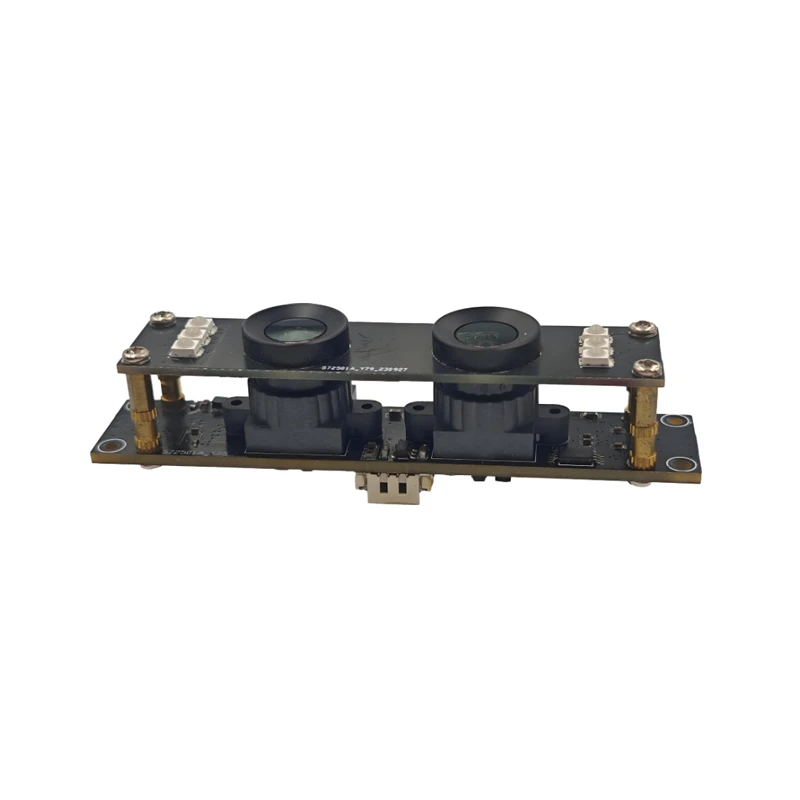
MY-DC52M-A1 Dual Lens Wide Dynamic Range Usb2.0 Camera Module With HD Video 5mp+2mp
-
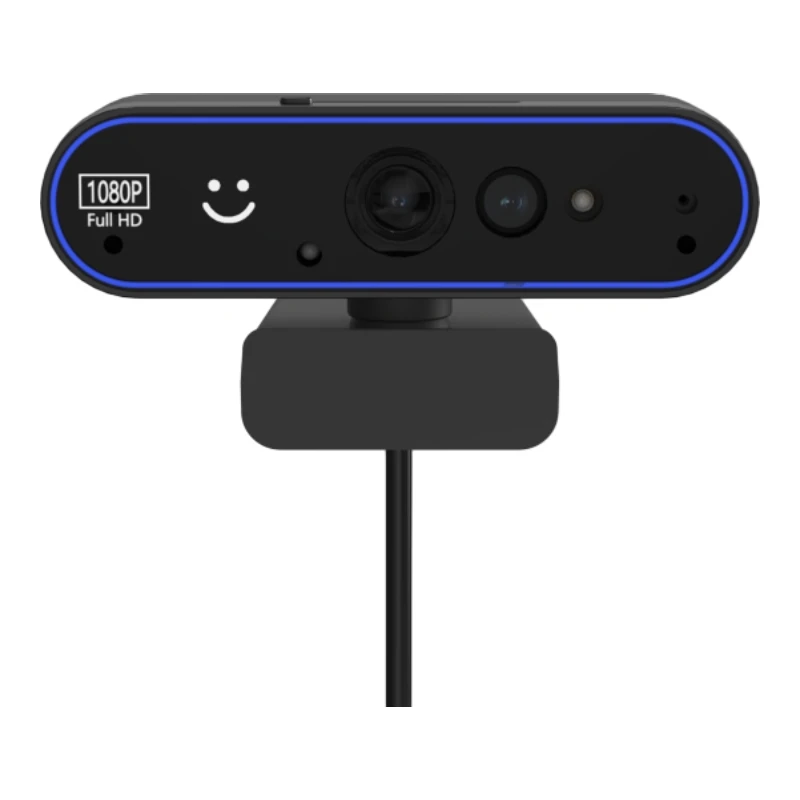
MY-WHC700 Windows Hello Face Recognition Binocular USB Camera
-
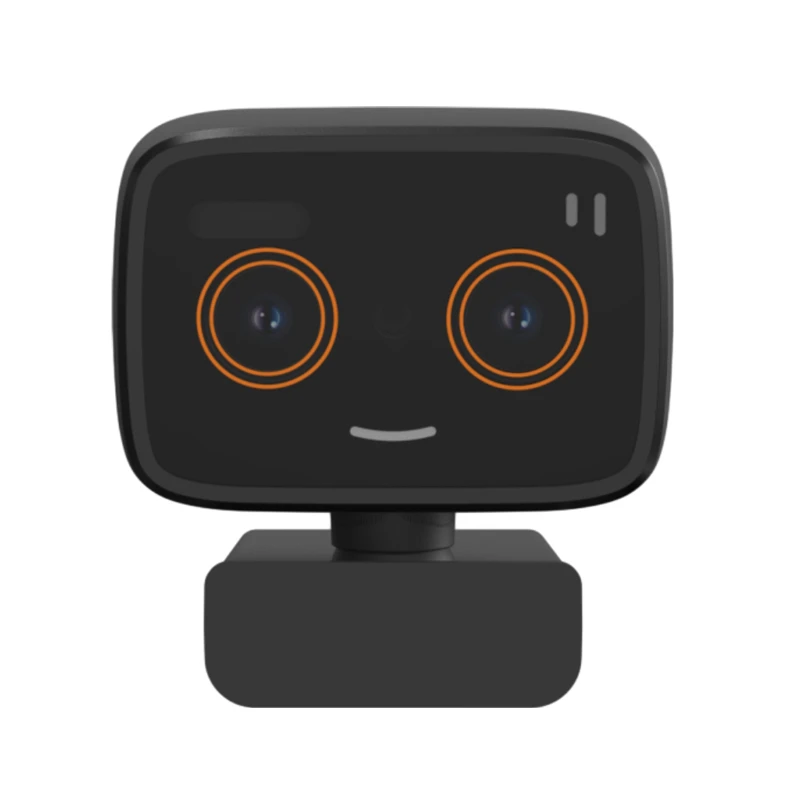
MY-DC-260-A1 Dual Lens Usb2.0 Web Camera With High-definition Video 2mp+2mp
-
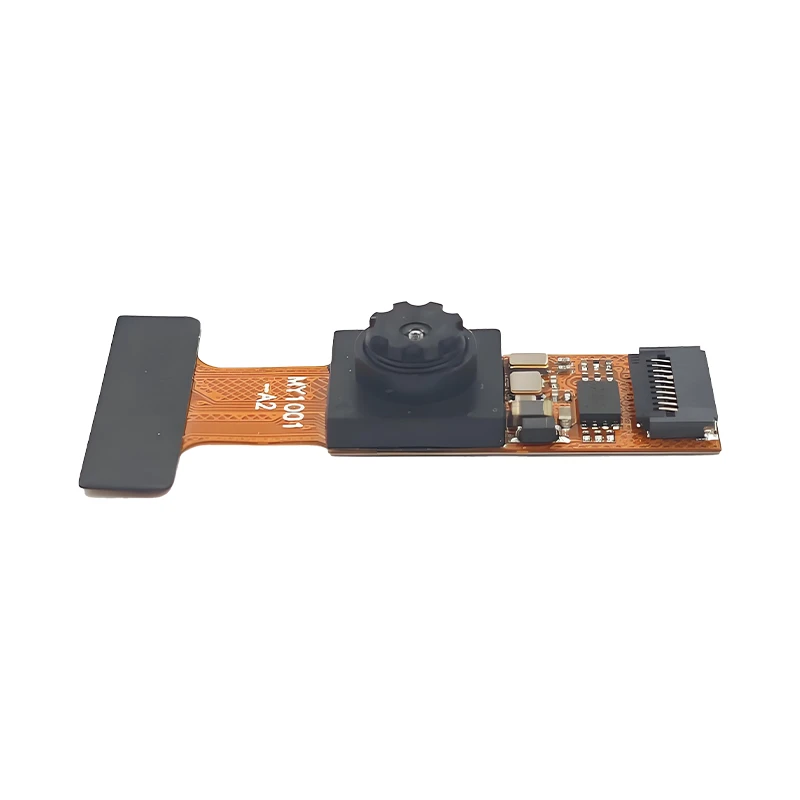
MY-1001-A2 AI Tracking, Gesture Recognition, Sitting Posture Detection Smart Camera Module
-
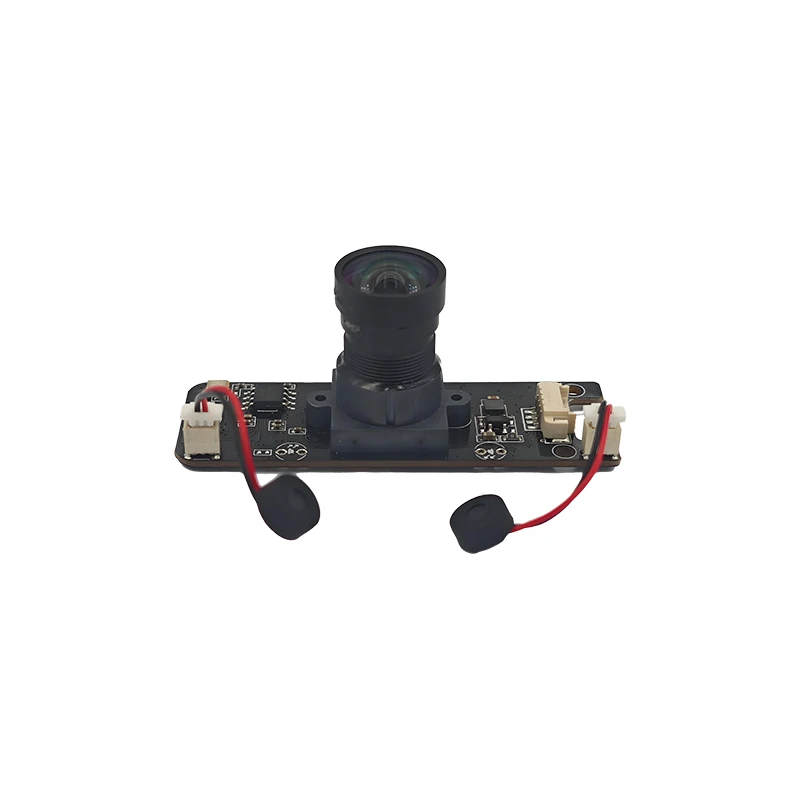
MY-USB8M158A 4K Resolution HD Video Driver-Free USB Camera Module With Microphone
