


Dec . 31, 2025 10:20 Back to list
Camera Lens Module: Key Specs & Vendor Guide for Industrial Use
Understanding the Camera Lens Module: A Key Component in Industrial Imaging
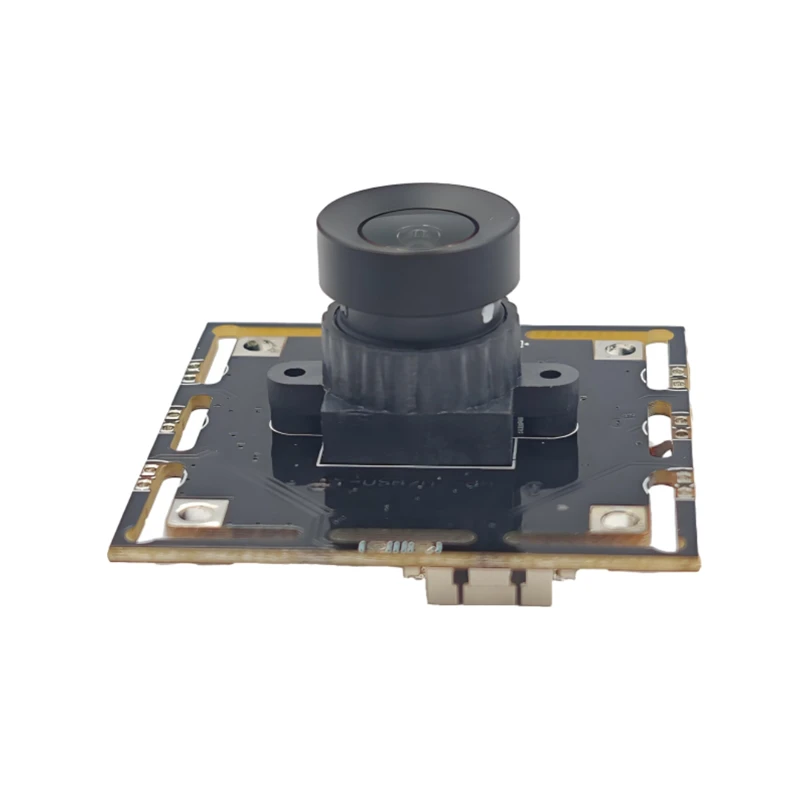
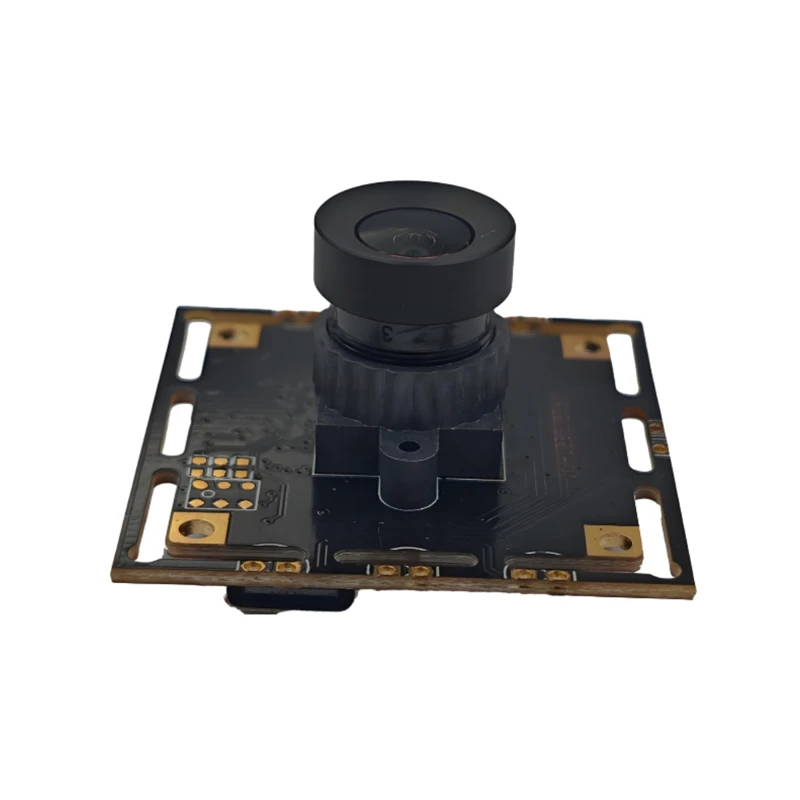
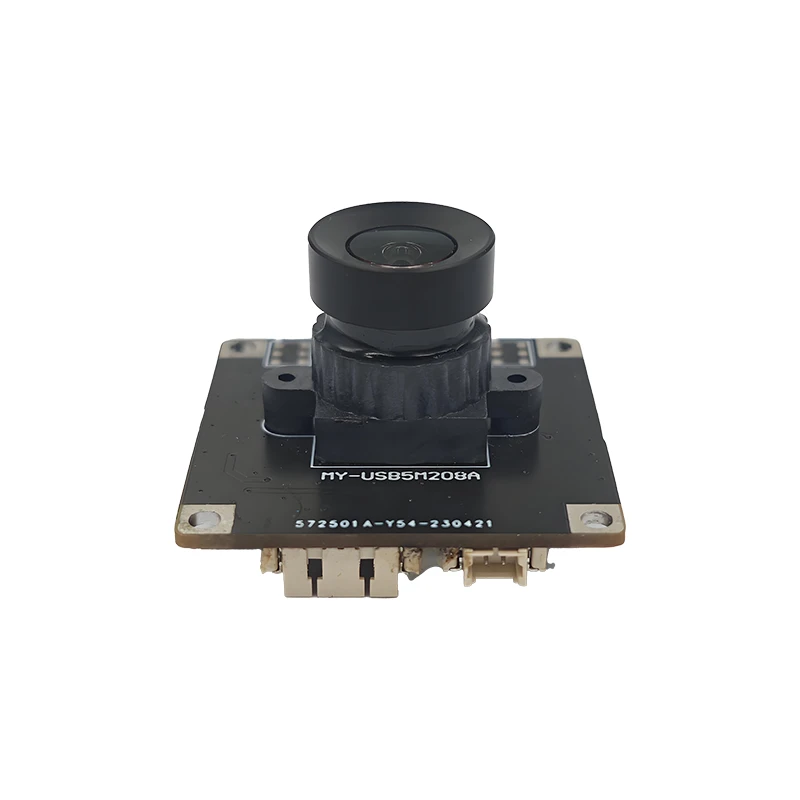
Having spent a good chunk of my career working around industrial equipment, I've often found that the camera lens module is deceptively simple at first glance—but frankly, it’s more of an engineering marvel than most people realize. These compact assemblies, which integrate lenses, sensors, and sometimes infrared filters, form the beating heart of countless imaging devices today. From high-precision inspection machines to automated quality control lines, they’re everywhere. Oddly enough, the design and manufacturing nuances can vary quite widely depending on application needs.
In real terms, the camera lens module is what bridges the raw image sensor and the world outside, ensuring the captured visuals meet specific quality standards. I still remember working with a supplier that tailored lens focal lengths within mere microns for a biotech firm’s custom microscope camera—it was the little details that made all the difference. The module’s capability to focus light efficiently, resist environmental factors, and maintain clarity over time matters hugely in industrial settings.
Product Specifications at a Glance
| Specification | Details |
|---|---|
| Lens Type | Fixed Focus, Varifocal |
| Aperture Size | F1.6 to F2.8 |
| Sensor Size Compatibility | 1/4" to 1/2.5" |
| Resolution Support | Up to 12MP (megapixels) |
| Operating Temperature | -20°C to 70°C |
| Dimensions (L x W x H) | 15mm × 15mm × 10mm |
| Weight | Approx. 3 grams |
Customizability is another prime feature manufacturers keep emphasizing. Depending on your setup, altering the focal length, field of view, or even the coating on lens elements can greatly enhance performance. For example, in dusty or humid environments, anti-fog and water-resistant coatings are game changers. I recall one industrial client who credited the addition of an IR cut filter on their modules for sharply improving defect detection under challenging lighting. Makes you think how little tweaks up front save so much troubleshooting later.
How Do Vendors Stack Up?
Of course, with so many options out there, picking the right supplier is crucial. Early in my career, we’d often juggle cost vs. quality, but nowadays, things like supply chain stability and support responsiveness matter just as much.
| Supplier | Range of Modules | Customization | Typical Lead Time | Pricing (Approx.) |
|---|---|---|---|---|
| SZMYCCM | Wide (Fixed, Varifocal, IR) | High – tailored lenses & coating | 2 to 4 weeks | Competitive |
| Vendor B | Moderate | Limited | 4 to 6 weeks | Mid-range |
| Vendor C | Narrow | Minimal | 6 to 8 weeks | Low-cost |
Speaking of SZMYCCM, I’ve dealt with them on multiple projects. Their responsiveness has made a notable difference—once we needed an urgent batch of modules with a specific IR coating for a food safety inspection line. They managed to handle that without breaking our timelines. It felt more like working with a partner who understands real-world constraints rather than just a faceless supplier.
Testing protocols for these lens modules are pretty strict, too. Benchmarks like MTF (Modulation Transfer Function) tests to measure image sharpness and environmental stress tests for durability are the norm. Many engineers I know say that if a module clears these tests with a good margin, it’s more likely to perform reliably on factory floors, where vibration and temperature swings are daily hurdles.
In many ways, the camera lens module represents a fascinating confluence of optical science, manufacturing precision, and practical engineering. You don’t often think about how each tiny lens assembly can impact the entire imaging system’s accuracy—until you’re troubleshooting a blurry image that’s supposed to detect tiny defects or read micro-labels under varying light.
So, the next time you glance at a CCTV or an inspection camera, remember there’s a whole little universe inside that lens module, quietly doing its job. If you want to explore quality modules with customization options, I'd suggest checking out the selection at SZMYCCM. It’s reassuring to know you can find a supplier that speaks industrial language fluently.
Hope this gives you a bit of insight into what makes camera lens modules tick—sometimes it’s the first part you don’t want to overlook in your imaging system.
Takeaway? Quality optics plus trusted vendors equals fewer headaches down the road.
References
- Industry reports on optical module trends, 2023
- Case studies from industrial inspection equipment manufacturers
- Supplier datasheets and technical specifications from SZMYCCM
-
Guide to Raspberry Pi Camera Module v3 with Powered Autofocus
NewsApr.16,2026
-
Guide to Using the raspberry pi camera module v1 3 for IoT Projects
NewsApr.09,2026
-
Exploring the Capabilities of the Raspberry Pi Camera Module 3 Noir for Diverse Applications
NewsApr.07,2026
-
Unlocking Visual Potential with the Raspberry Pi Camera Module 3 for Advanced Projects
NewsApr.04,2026
-
Raspberry Pi Noir Camera Module V2 8MP 1080p30 A Comprehensive Guide for Projects
NewsMar.31,2026
-
Comprehensive Guide to the Raspberry Pi 3 B+ Camera Module and Its Applications
NewsMar.28,2026
-
MY-USB1M818A Global Exposure Usb Camera Module With 1mp Hd Video
-
-
-
MY-DC52M-A1 Dual Lens Wide Dynamic Range Usb2.0 Camera Module With HD Video 5mp+2mp
-
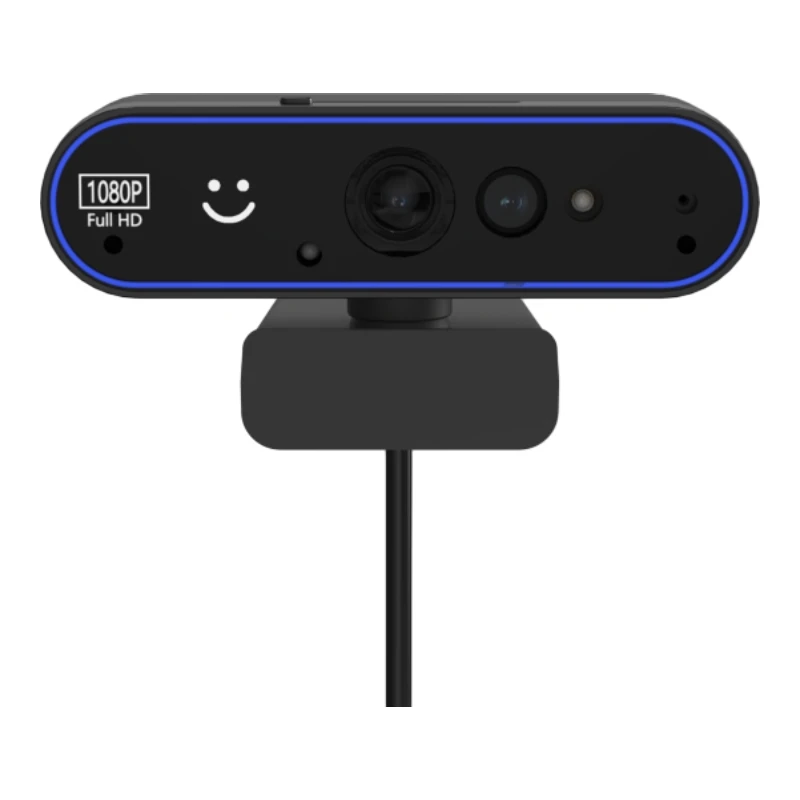
MY-WHC700 Windows Hello Face Recognition Binocular USB Camera
-
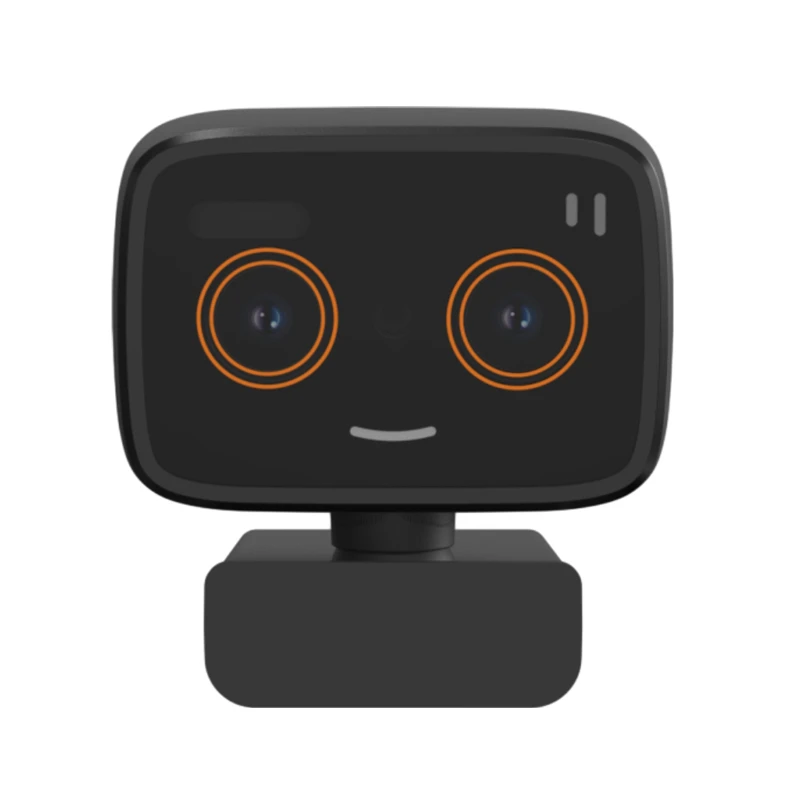
MY-DC-260-A1 Dual Lens Usb2.0 Web Camera With High-definition Video 2mp+2mp
-
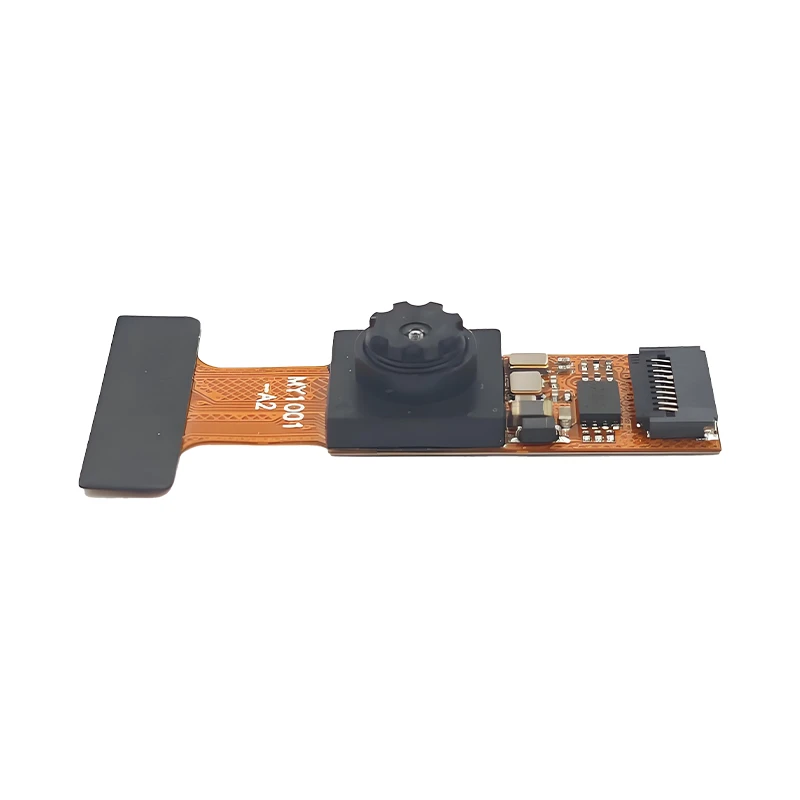
MY-1001-A2 AI Tracking, Gesture Recognition, Sitting Posture Detection Smart Camera Module
-
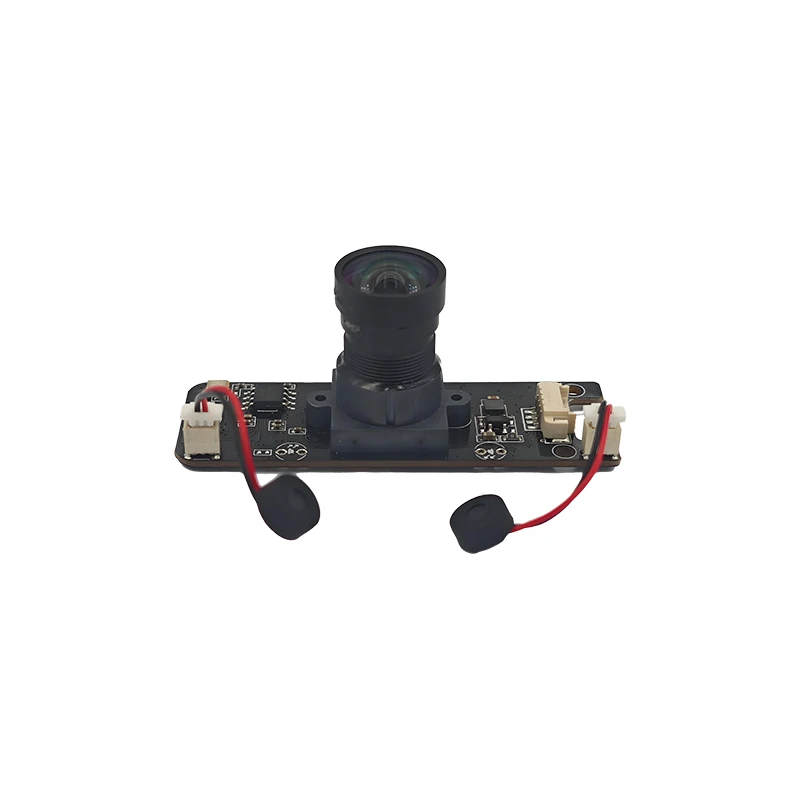
MY-USB8M158A 4K Resolution HD Video Driver-Free USB Camera Module With Microphone
