


Jan . 01, 2026 01:15 Back to list
Dual Lens Webcam: Industrial-Grade Visual Solution for Precision Monitoring
Why a dual lens webcam is Changing Industrial Communication
Working in industrial equipment sales and integration for over a decade, I’ve seen my fair share of tech upgrades — some incremental, some game-changing. When I first got my hands on a dual lens webcam, it was honestly an eye-opener. Frankly, it felt like a natural evolution from your typical single-lens cameras, providing a whole new dimension (or should I say, two) to communication and monitoring setups.
Oddly enough, the dual lens design adds not just mechanical complexity but practical versatility. You get one lens optimized for close-up detail and another for wider field view — all packaged neatly in one device. Engineers I've spoken to often highlight how this reduces the need for multiple cameras cluttering their setups, which frankly simplifies maintenance quite a bit. I've seen it firsthand on factory floors, where space is a premium and clarity is non-negotiable.
To give you a clearer picture, here’s a quick overview of typical specs you might expect from a solid dual lens webcam sourced from a Chinese OEM like SZMYCCM — whom I’ve worked with on several projects. They have a reputation for balancing quality with affordability:
| Specification | Details |
|---|---|
| Lens Configuration | Dual lens - 90° wide angle + 35° telephoto |
| Resolution | 1920 x 1080 @ 30fps (Both lenses) |
| Interface | USB 3.0, plug & play |
| Mic | Dual omni-directional mics (noise cancelling) |
| Field of View | Wide: 90°, Telephoto: 35° |
| Power Consumption | Under 2W |
| Compatibility | Windows, Linux, macOS |
Now, seeing all this on paper is one thing — but in real terms, it’s the implementation on the ground that counts. For example, a client of mine in packaging automation used these webcams to track assembly lines more effectively. They leveraged the dual lenses to simultaneously identify both the product barcode and its immediate surroundings — a neat trick that saved them from having to install two separate cameras. That’s a kind of cost and space saving no engineer can ignore.
Customization is also a big plus. Many vendors now offer options on sensor types, lens materials (consider optical glass vs. plastic lenses – you’ll notice real-world differences in clarity and durability), and even firmware tweaks aligning with specific industrial protocols. It feels like the marketplace is finally catching up to the complexity and demands of modern industry.
Since we’re talking vendors, let me quickly share a comparison I compiled that highlights some of the main players supplying dual lens webcams for industrial and office use. This should give a decent snapshot if you’re weighing options for a project:
| Vendor | Price Range (USD) | Key Feature | Typical Use Case |
|---|---|---|---|
| SZMYCCM | $120 - $150 | Robust build, customizable | Industrial & OEM solutions |
| Logitech | $180 - $250 | Brand reliability, software support | Office & conferencing |
| Ausdom | $100 - $130 | Affordable dual-lens | Small business use |
What I really appreciate about these dual lens webcams is how they’ve slotted themselves into diverse environments — from bustling factory floors to quiet conference rooms. They’re a nice bridge between high-resolution imaging and practical, everyday usability. Plus, the integrated microphones usually do a decent job handling all the ambient noise industrial settings throw at them — even if you sometimes have to fiddle with software filters on your PC.
Having tested a few models, I’d say keep an eye on build quality and sensor calibration. It’s surprisingly easy to end up with a clunky lens combo that doesn’t deliver the promised crispness, especially around edges. A competent vendor like SZMYCCM tends to offer solid quality control, which, if you ask me, is non-negotiable when you’re putting tech into the heart of your workflow.
So yes, while the dual lens webcam isn’t flashy tech like VR headsets or AI-driven cameras, it’s one of those quietly efficient upgrades that just make your day-to-day better — sharper visuals, fewer cameras to worry about, and that certain ergonomic neatness. I suppose that’s what keeps it in demand. For any company seeking practical, reliable visual solutions, it’s definitely worth a look.
Quick takeaway: integrating dual lens webcams offers a straightforward way to enhance image capture versatility and streamline industrial monitoring without breaking the bank.
References:
- Industry feedback on dual lens camera tech, 2023 trade show FAQ sessions
- Vendor product sheets and testing data from SZMYCCM
- User reviews and benchmarking for industrial webcams, various online forums
-
Guide to Raspberry Pi Camera Module v3 with Powered Autofocus
NewsApr.16,2026
-
Guide to Using the raspberry pi camera module v1 3 for IoT Projects
NewsApr.09,2026
-
Exploring the Capabilities of the Raspberry Pi Camera Module 3 Noir for Diverse Applications
NewsApr.07,2026
-
Unlocking Visual Potential with the Raspberry Pi Camera Module 3 for Advanced Projects
NewsApr.04,2026
-
Raspberry Pi Noir Camera Module V2 8MP 1080p30 A Comprehensive Guide for Projects
NewsMar.31,2026
-
Comprehensive Guide to the Raspberry Pi 3 B+ Camera Module and Its Applications
NewsMar.28,2026
-
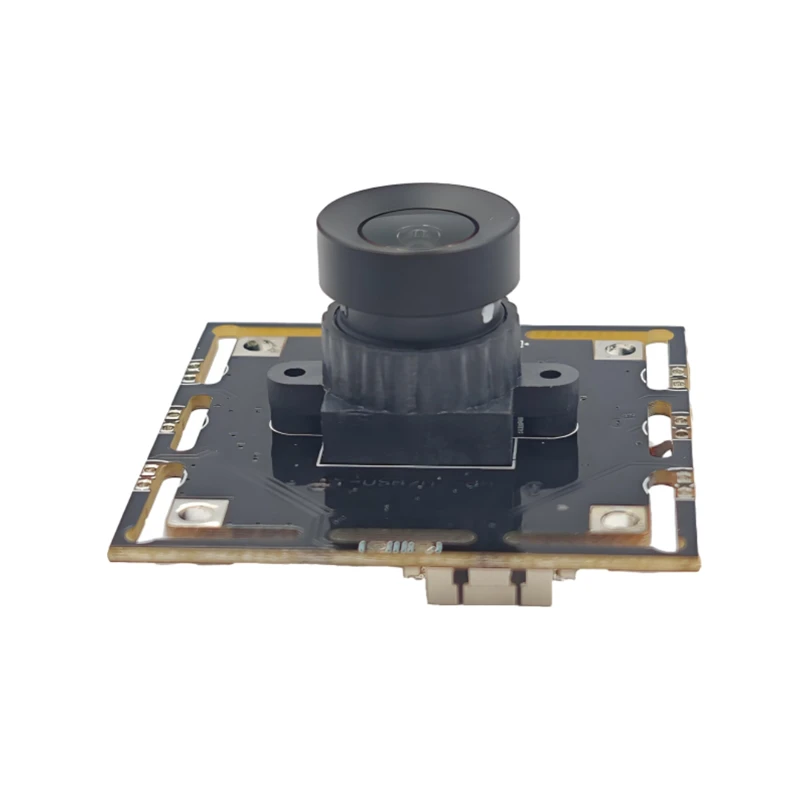
MY-USB1M818A Global Exposure Usb Camera Module With 1mp Hd Video
-
-
-
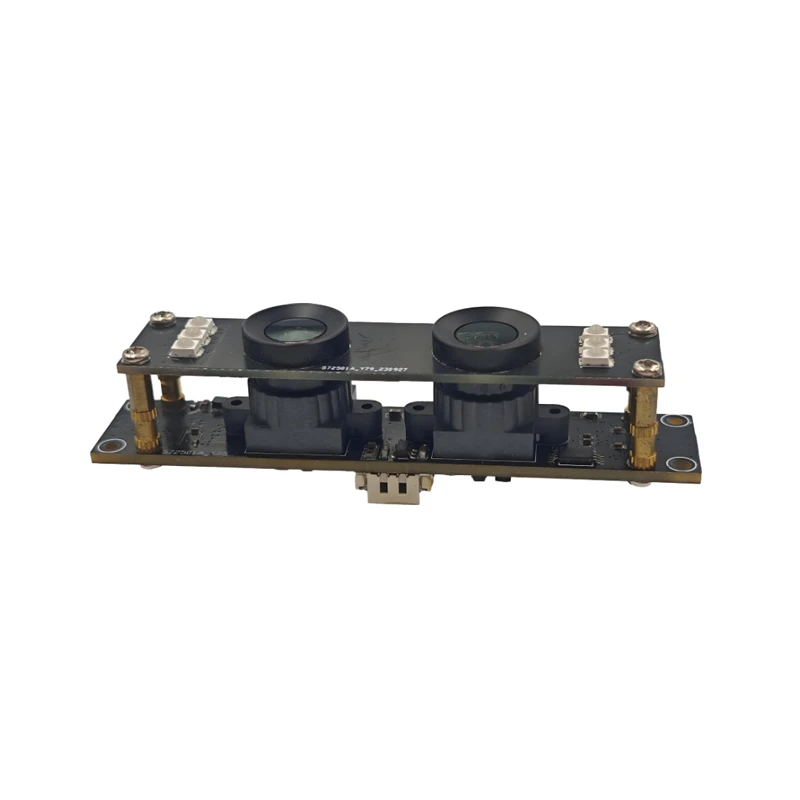
MY-DC52M-A1 Dual Lens Wide Dynamic Range Usb2.0 Camera Module With HD Video 5mp+2mp
-
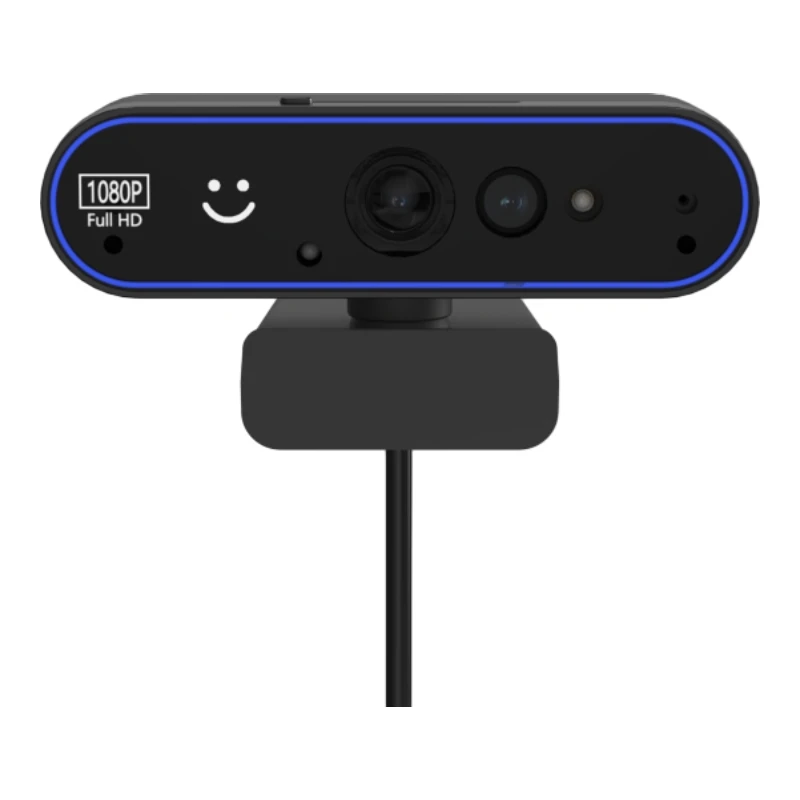
MY-WHC700 Windows Hello Face Recognition Binocular USB Camera
-
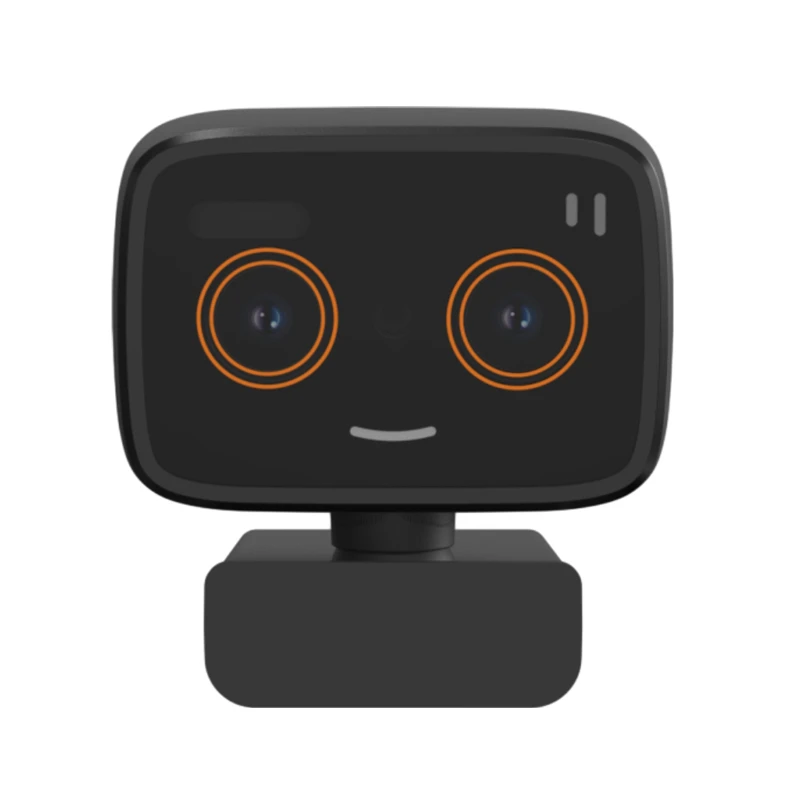
MY-DC-260-A1 Dual Lens Usb2.0 Web Camera With High-definition Video 2mp+2mp
-
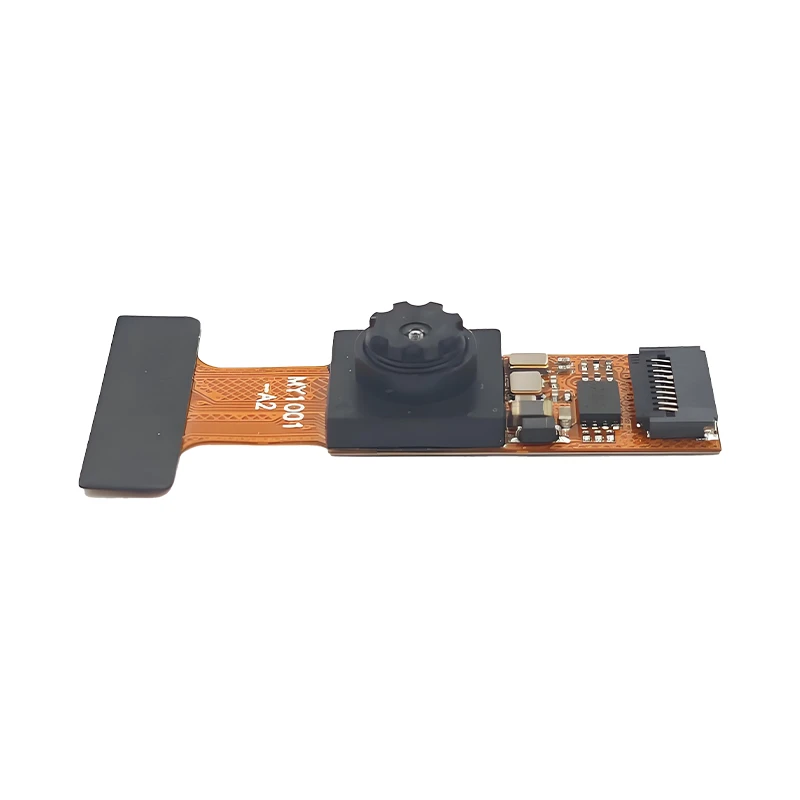
MY-1001-A2 AI Tracking, Gesture Recognition, Sitting Posture Detection Smart Camera Module
-
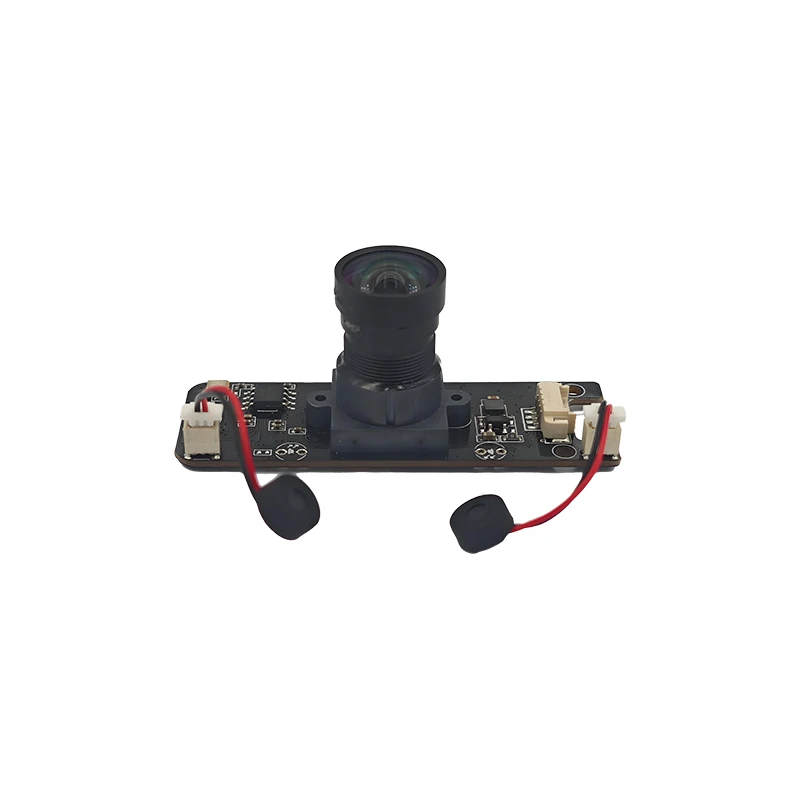
MY-USB8M158A 4K Resolution HD Video Driver-Free USB Camera Module With Microphone
