


Jan . 30, 2026 14:50 Back to list
Comprehensive Guide to USB Camera Modules and Their Applications
Understanding USB Camera Modules: A Comprehensive Guide
In today's interconnected world, USB camera modules are essential components in a vast array of applications – from industrial inspection and machine vision to security systems and embedded devices. This article provides an in-depth exploration of USB camera modules, covering their functionality, types, key considerations when choosing a module, and how Shenzhen MyCCTV Camera Module Co., Ltd. delivers high-quality solutions. We’ll explore the benefits of these modules and guide you through selecting the right one for your specific needs.
What are USB Camera Modules?
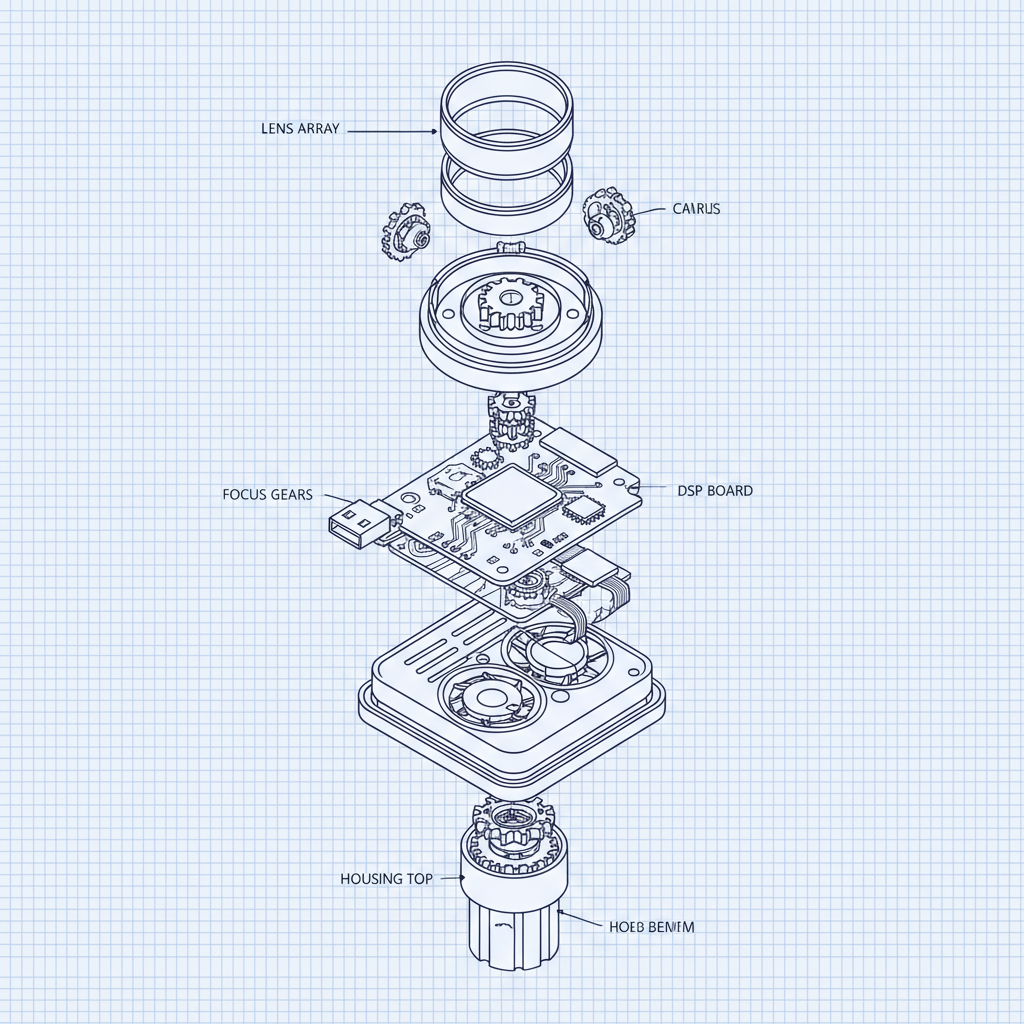
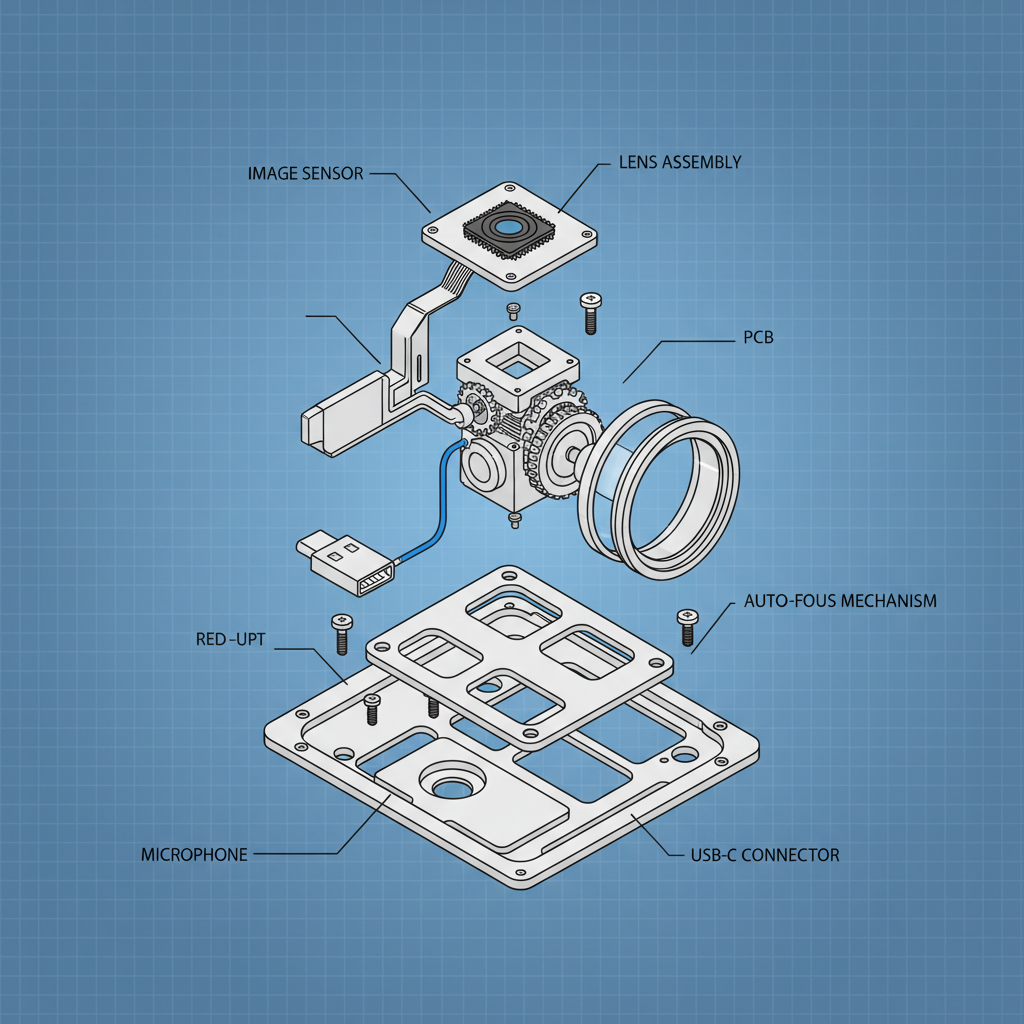
A USB camera module is a compact, self-contained camera system that connects to a host device (like a computer, microcontroller, or embedded system) via a USB interface. These modules integrate a camera sensor, image signal processor (ISP), and a USB interface controller into a single unit. They eliminate the need for separate components, simplifying integration and reducing development time. They are designed for ease of use and rapid prototyping, making them ideal for a variety of projects.
Key Advantages: Simplified integration, reduced development time, compact size, cost-effectiveness, and ease of use.
Types of USB Camera Modules
USB camera modules come in various types, each suited for specific applications. Common types include:
- CMOS Modules: These are the most common type, offering a good balance of image quality, cost, and power consumption.
- CCD Modules: Historically used for high-quality images, CCD modules are now less common due to higher power consumption and cost.
- MIPI Camera Modules: These modules utilize the MIPI CSI-2 interface and are often used in mobile devices and embedded systems.
- Global Shutter Modules: Ideal for capturing fast-moving objects without distortion, these modules are commonly used in machine vision applications.
- Rolling Shutter Modules: More affordable and widely available, these modules are suitable for general-purpose imaging.
Key Considerations When Choosing a USB Camera Module
Selecting the right USB camera module requires careful consideration of several factors. Here’s a breakdown:
- Resolution: Higher resolution provides more detail, but also increases data processing requirements.
- Frame Rate: Determines how many images the camera captures per second. Crucial for capturing fast-moving objects.
- Sensor Size: Larger sensors generally offer better low-light performance and dynamic range.
- Interface Type: USB 2.0 is sufficient for many applications, while USB 3.0 offers higher bandwidth for high-resolution or high-frame-rate cameras.
- Lens Type: The lens determines the field of view and focal distance.
- Operating Environment: Consider factors like temperature, humidity, and vibration.
Comparing Popular USB Camera Modules
Here's a comparison of some commonly used USB camera modules, outlining their key specifications. This can help you quickly evaluate which module might best fit your project's needs.
Why Choose Shenzhen MyCCTV Camera Module Co., Ltd.?
Shenzhen MyCCTV Camera Module Co., Ltd. is a leading provider of high-quality USB camera modules. We offer a wide range of modules to suit diverse applications and provide customized solutions to meet specific client needs. Our commitment to quality, competitive pricing, and excellent customer support sets us apart. We are dedicated to providing reliable and innovative camera solutions.
Conclusion: Empowering Innovation with Reliable USB Camera Modules
USB camera modules are versatile and essential tools for a broad range of applications. By carefully considering your project requirements and partnering with a reliable supplier like Shenzhen MyCCTV Camera Module Co., Ltd., you can unlock new possibilities and drive innovation. Explore our comprehensive selection of modules today and find the perfect solution for your needs.
Frequently Asked Questions (FAQs)
What is the difference between USB 2.0 and USB 3.0 camera modules?
The primary difference lies in data transfer speed. USB 3.0 offers significantly faster speeds compared to USB 2.0, allowing for higher resolution, faster frame rates, and improved image quality. This is crucial for applications demanding high bandwidth, such as machine vision and high-speed video recording. While USB 2.0 is suitable for basic imaging tasks, USB 3.0 is recommended for more demanding applications. It’s also important to note that USB 3.0 is backward compatible with USB 2.0 ports, but the performance will be limited to USB 2.0 speeds.
How do I integrate a USB camera module into my project?
Integration typically involves connecting the camera module to your host device via a USB cable. You’ll then need to install the appropriate drivers, which are usually provided by the manufacturer. Programming is then required to access the camera's video stream and control its settings. Common programming languages used include Python, C++, and C#. Many manufacturers, including Shenzhen MyCCTV Camera Module Co., Ltd., provide sample code and SDKs to simplify the integration process.
What is the typical lifespan of a USB camera module?
The lifespan of a USB camera module can vary depending on usage, environmental conditions, and quality of components. Generally, a well-maintained module can last for 5-10 years. Factors that can reduce lifespan include excessive heat, humidity, vibration, and physical damage. Proper storage and handling are crucial to maximize the lifespan of the module. Regular inspection for any signs of wear and tear is also recommended.
Are USB camera modules suitable for outdoor applications?
Some USB camera modules are designed for outdoor applications, but it’s crucial to select a module with appropriate environmental protection. Look for modules with weatherproof housings, wide operating temperature ranges, and UV protection. It's also important to consider the power supply and ensure it's suitable for outdoor use. Specialized weatherproof USB cables and connectors are also recommended. Always check the manufacturer's specifications to ensure the module is suitable for your specific outdoor environment.
-
Guide to Raspberry Pi Camera Module v3 with Powered Autofocus
NewsApr.16,2026
-
Guide to Using the raspberry pi camera module v1 3 for IoT Projects
NewsApr.09,2026
-
Exploring the Capabilities of the Raspberry Pi Camera Module 3 Noir for Diverse Applications
NewsApr.07,2026
-
Unlocking Visual Potential with the Raspberry Pi Camera Module 3 for Advanced Projects
NewsApr.04,2026
-
Raspberry Pi Noir Camera Module V2 8MP 1080p30 A Comprehensive Guide for Projects
NewsMar.31,2026
-
Comprehensive Guide to the Raspberry Pi 3 B+ Camera Module and Its Applications
NewsMar.28,2026
-
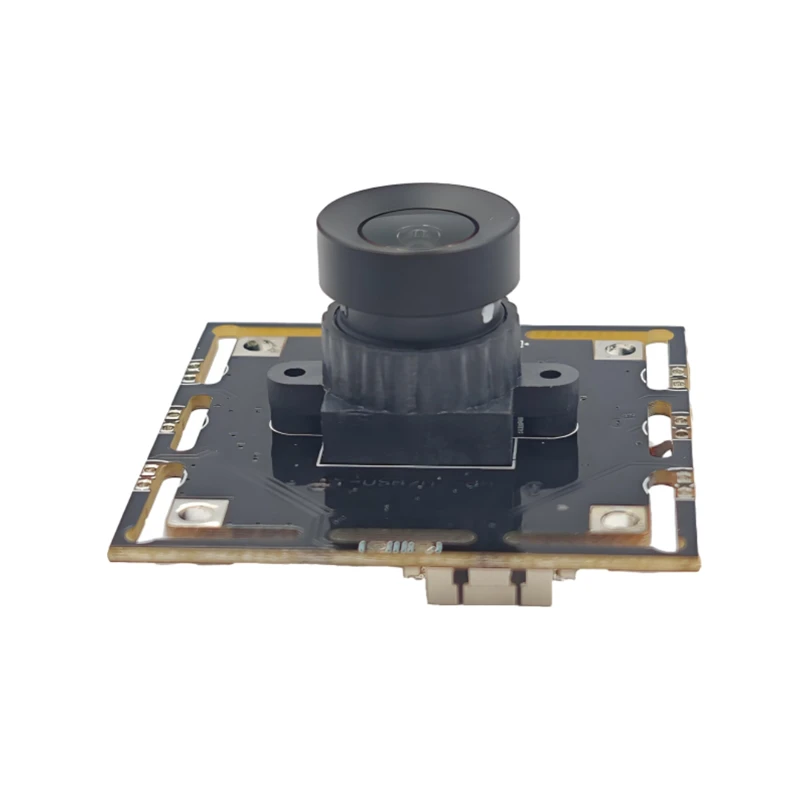
MY-USB1M818A Global Exposure Usb Camera Module With 1mp Hd Video
-
-
-
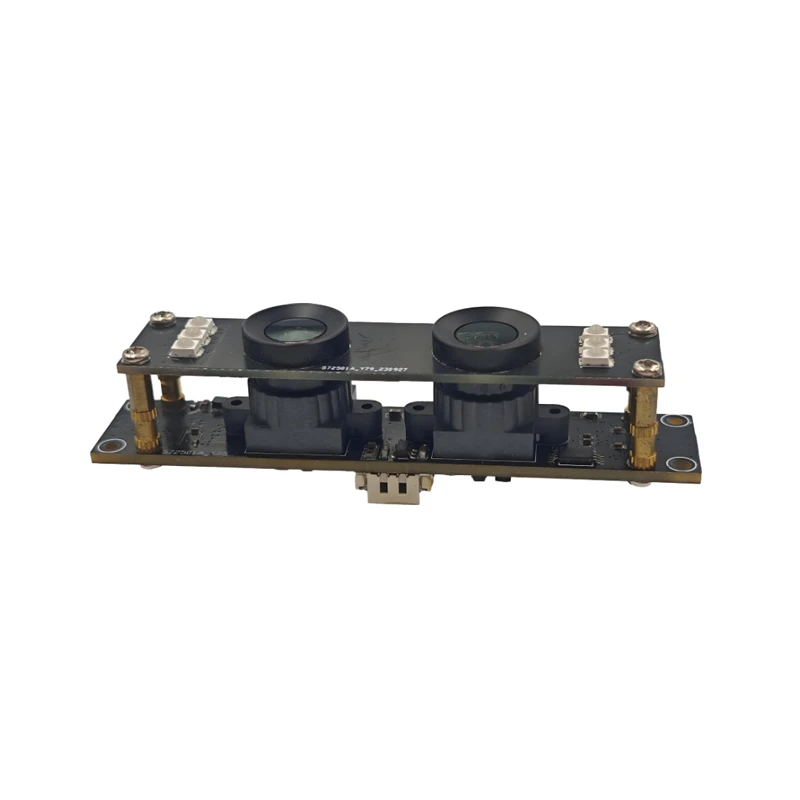
MY-DC52M-A1 Dual Lens Wide Dynamic Range Usb2.0 Camera Module With HD Video 5mp+2mp
-
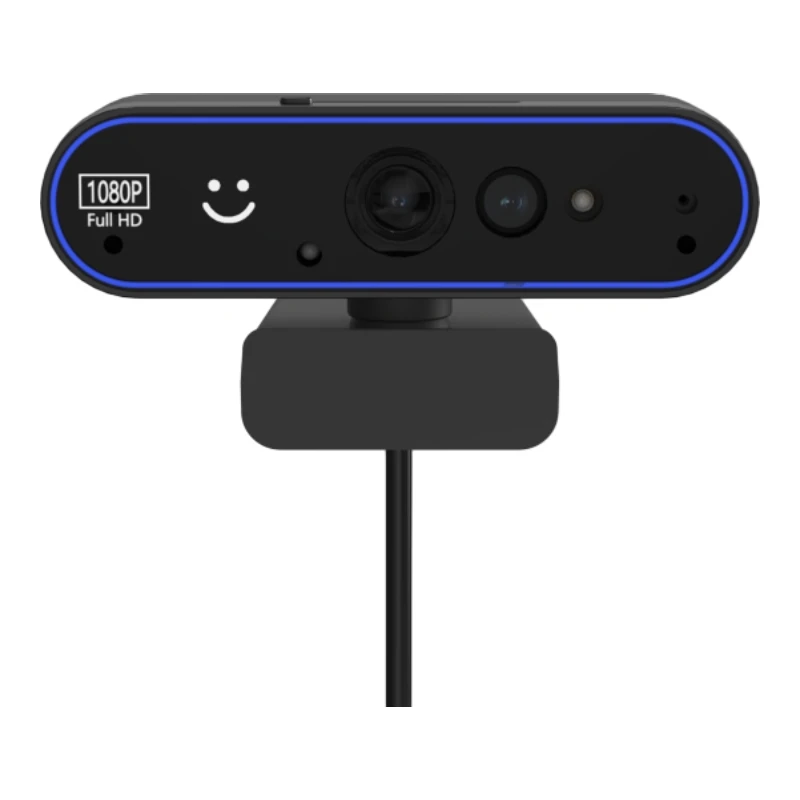
MY-WHC700 Windows Hello Face Recognition Binocular USB Camera
-
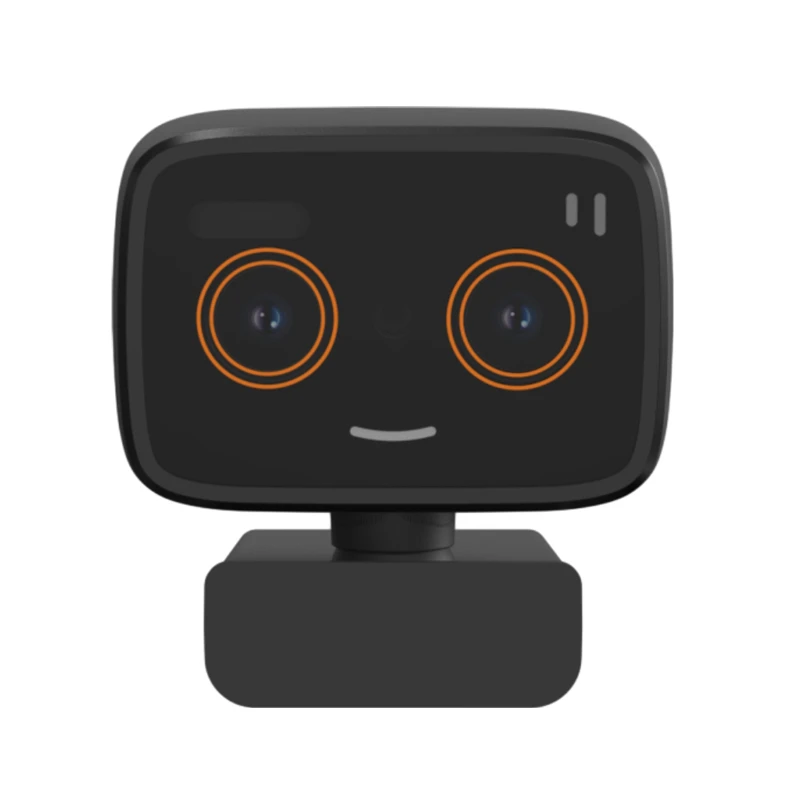
MY-DC-260-A1 Dual Lens Usb2.0 Web Camera With High-definition Video 2mp+2mp
-
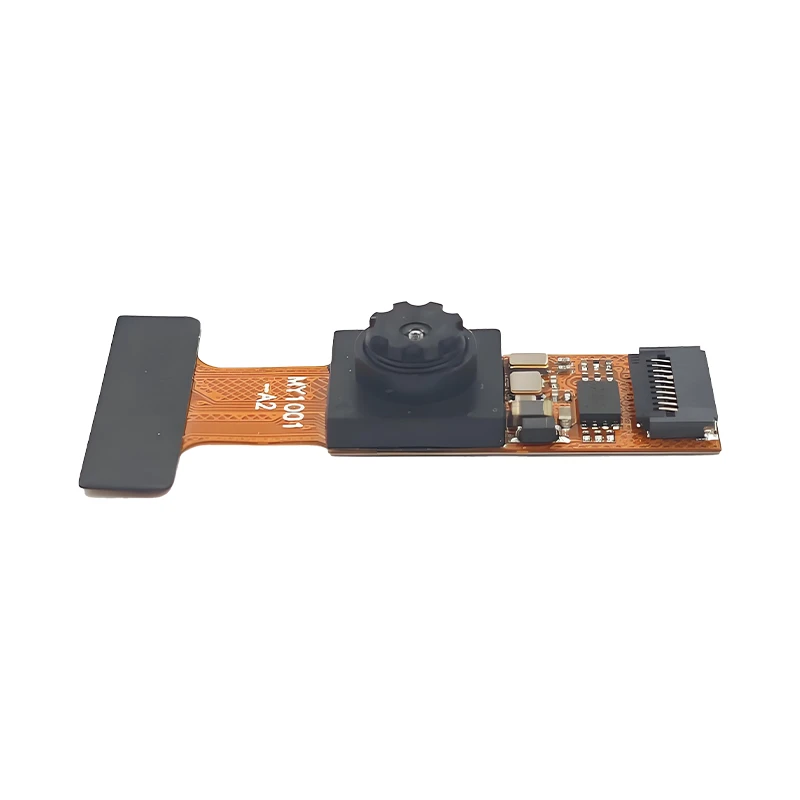
MY-1001-A2 AI Tracking, Gesture Recognition, Sitting Posture Detection Smart Camera Module
-
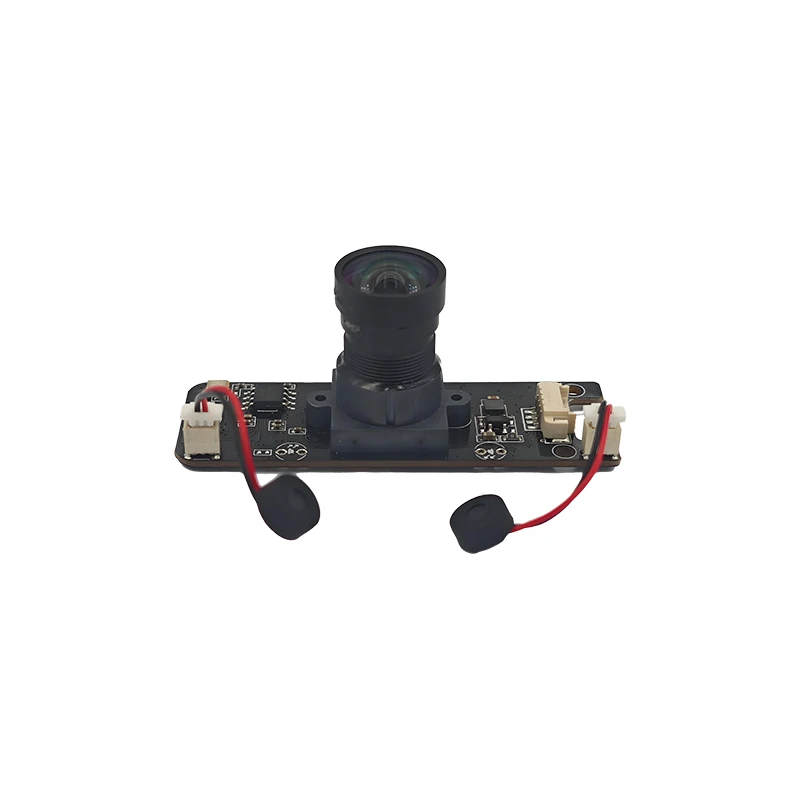
MY-USB8M158A 4K Resolution HD Video Driver-Free USB Camera Module With Microphone
