


Nov . 26, 2025 14:10 Back to list
Comprehensive Guide to USB Cameras with Microphone – Features, Applications & Future
The Rising Importance of USB Cameras with Microphone: Connecting the World Visually and Verbally
In today's digital world — where remote communication is no longer a luxury but a necessity — the usb camera with microphone plays a surprisingly pivotal role. It's the gateway to face-to-face conversations, virtual meetings, telemedicine, education, and even humanitarian aid. Understanding these compact devices, why they matter globally, and their benefits helps us appreciate how technology continually shrinks the globe, connecting voices and images seamlessly across borders.
Global Relevance: Why USB Cameras with Microphone Are More than Just Gadgets
According to a 2023 UN broadband report, over 60% of the global population now uses the internet, with video calls becoming a staple especially in enterprises, schools, and even remote villages. The combination of a camera and microphone integrated via USB means plug-and-play convenience, making virtual communication accessible almost everywhere. Yet, many regions still face challenges in reliable voice and video connectivity — which this technology addresses in key ways.
For instance, during the COVID-19 pandemic, demand for teleconferencing surged globally. Organizations scrambled to equip employees and students with efficient, easy-to-use usb camera with microphone kits. Telehealth services expanded due to these devices, proving vital in delivering healthcare without physical hospital visits. But it’s not just in affluent urban areas — initiatives in Africa and Southeast Asia increasingly rely on these devices to improve education and aid messages.
Mini takeaway: These USB camera-microphone combos are quiet heroes enabling global connection, education, and healthcare, especially where infrastructure is limited.
What Exactly Is a USB Camera with Microphone?
Put simply, it’s a compact device that combines a digital video camera and an audio microphone into a single USB-powered hardware unit. When plugged into laptops, desktops, or embedded systems, it enables real-time video and audio capture without complex setup. The USB interface acts as a universal connector, compatible with nearly all modern computers and some mobile hubs. Its simplicity—the “plug and play” nature—means anyone from a student in New York to a disaster relief worker in Mozambique can start a video call quickly.
Its relevance goes beyond casual video chatting. These devices serve in remote monitoring systems, security setups, workspace collaboration tools, and platforms that support virtual reality or AI-based visual recognition. They’re also critical in humanitarian contexts where quick, reliable remote communication is a lifeline.
Key Features Driving Practical Use
1. Video Quality and Frame Rate
Most USB cameras with microphones deliver HD (720p or 1080p) video, balancing sharpness and bandwidth needs. For industrial or medical applications, some models hit 4K or higher. Frame rates of 30fps create smooth motion but can vary depending on system specs.
2. Audio Clarity and Noise Cancellation
Built-in microphones usually include noise filtering tech; some feature stereo or omnidirectional sound capture, ensuring clear conversations even in noisy environments like factories or busy offices.
3. Plug-and-Play Compatibility
Cross-platform drivers supporting Windows, macOS, and Linux make their deployment simple. No extra software hassle means faster user adoption.
4. Durability and Enclosure Design
Rugged models have dust and water resistance (IP54 or higher) for outdoor or industrial use. This is critical in harsh environments where equipment failure isn’t an option.
5. Field of View and Pan-Tilt Features
Adjustable lenses or motorized pan-tilt-zoom options allow users to customize their viewing angles—important in conferences or surveillance.
6. Power Efficiency and Connectivity
Most simply draw power from USB 2.0 or 3.0 ports, but newer USB-C versions enable quicker data transfer and backward compatibility.
Mini takeaway: Whether you’re video chatting or monitoring a site remotely, quality video/audio, easy setup, and rugged design are the pillars of effective USB camera-microphone combos.
Worldwide Applications: From Home Offices to Humanitarian Relief
The versatility of these devices is astounding. In developed cities worldwide, corporate offices rely on USB webcams to maintain seamless project meetings across continents, making teamwork efficient without costly travel. In education, online classrooms depend heavily on integrated cameras with microphones to keep the learning flowing.
In remote industrial zones—like oil rigs or mining operations—they serve as remote eyes and ears, preventing unnecessary personnel travel and ensuring safety through constant monitoring. Meanwhile, in disaster relief zones, NGOs use portable USB camera setups to assess damages, coordinate efforts, and communicate with frontline teams dispersed over vast areas.
For example, during the 2022 floods in South Asia, relief teams employed rugged webcams with microphones linked to satellite internet connections. This enabled real-time status reports despite the lack of stable infrastructure, proving their worth beyond simple Zoom meetings.
Mini takeaway: The global footprint of usb cameras with microphone is broad and transformative—from classrooms to crisis zones, these devices help connect, inform, and protect.
Advantages & Long-Term Benefits: More Than Meets the Eye
- Cost-Effective: Compared to full multimedia setups, these compact units are affordable and easy to replace.
- Sustainability: Long-lasting with low power needs, they reduce the carbon footprint of virtual communication.
- Social Impact: Facilitate equal access to education, healthcare, and work opportunities by bridging connectivity gaps.
- Reliability: Standalone USB plug-and-play design minimizes technical glitches and training requirements.
- Emotional Connectivity: The next best thing to face-to-face interaction, strengthening trust and human bonds remotely.
It’s weirdly comforting how a simple USB camera with microphone can carry so much weight — literally the "eyes and ears" of our digital age.
What’s Next? Innovations Shaping Future USB Camera Microphone Systems
Looking forward, manufacturers are embracing smarter, AI-powered features like facial recognition and voice-enhanced noise reduction embedded in firmware, cutting down on processing load for host devices. Sustainability trends push lightweight, recyclable materials, and energy harvesting features aim to lessen the reliance on constant USB power draw.
Meanwhile, integration with IoT hubs and 5G connectivity will make these USB devices more flexible and responsive, especially in remote or mobile deployment scenarios. Expect to see modular designs where users can swap lenses or microphones depending on needs.
Facing Challenges Head-On
Of course, these technologies aren’t without challenges. Bandwidth limitations can bottleneck video quality in bandwidth-poor areas; hardware fragility in cheaper models risks failure; and security vulnerabilities may expose conversations and video streams to unauthorized access.
Experts suggest multi-layered encryption, standardized IoT security protocols, and investing in rugged designs to mitigate such risks. Community training on proper device handling and cybersecurity is also essential to maintain trust and reliability.
Frequently Asked Questions About USB Camera with Microphone
- Q1: Can I use any USB camera with microphone for professional video conferencing?
- A1: While most USB cameras with microphones will work, professional settings often require HD quality, low latency, and noise-cancelling microphones to ensure clear communication. Check specs for video resolution and audio features before purchase.
- Q2: How does a USB camera with microphone differ from an integrated laptop webcam?
- A2: External USB webcams often offer better image quality, adjustable lenses, and superior microphones. They also can be positioned freely unlike fixed laptop cams, improving user experience during meetings or recordings.
- Q3: Are these cameras compatible with Linux or less common operating systems?
- A3: Most modern USB cameras support plug-and-play functionality on Windows and macOS, but Linux support varies. Look for UVC (USB Video Class) compliance, which ensures wider OS compatibility.
- Q4: What’s the average lifespan of a USB camera with microphone in harsh environments?
- A4: Rugged models designed with IP ratings of 54 or higher typically last several years if maintained properly, even in dust, moisture, or vibration-prone settings.
- Q5: Can these devices be used for remote security surveillance?
- A5: Absolutely. Many USB cameras with microphones serve dual roles as security devices, often integrated into monitoring systems with motion detection and recording functions.
A Quick Look: Specification Snapshot & Vendor Comparison
| Feature | Standard USB Cam Model | Rugged Industrial Model | 4K Streaming Model |
|---|---|---|---|
| Resolution | 1080p HD | 720p HD | 4K UHD |
| Microphone Type | Omnidirectional | Noise-cancelling Mono | Stereo |
| Durability | Standard plastic shell | IP65 rated metal housing | Plastic + metal hybrid |
| Connectivity | USB 2.0 / USB-C | USB 3.0 | USB 3.1 |
| Price Range (USD) | $30 – $60 | $100 – $180 | $150 – $250 |
| Vendor | Specialization | Typical Customers | Key Strength |
|---|---|---|---|
| TechVision | Affordable consumer cameras | SMBs, home users | Great value, ease of use |
| InduCam Solutions | Rugged & industrial cameras | Factories, field engineers | Durability, custom specs |
| UltraSharp Pro | High-resolution video streaming | Media, broadcasters | 4K quality, professional features |
Wrapping Up: Why USB Cameras with Microphone Will Continue to Matter
Honestly, it’s amazing to think how such seemingly simple hardware quietly revolutionizes how we work, learn, and respond to crises worldwide. The blend of affordable quality, portability, and ease of use cements usb camera with microphone devices as fundamental tools of the digital era. As innovations roll in and more regions connect to the digital grid, they’ll only become more essential.
Got a project, idea, or need you want to explore with these devices? Visit our website: https://www.szmyccm.com — your go-to for all things usb camera with microphone.
References
-
Guide to Raspberry Pi Camera Module v3 with Powered Autofocus
NewsApr.16,2026
-
Guide to Using the raspberry pi camera module v1 3 for IoT Projects
NewsApr.09,2026
-
Exploring the Capabilities of the Raspberry Pi Camera Module 3 Noir for Diverse Applications
NewsApr.07,2026
-
Unlocking Visual Potential with the Raspberry Pi Camera Module 3 for Advanced Projects
NewsApr.04,2026
-
Raspberry Pi Noir Camera Module V2 8MP 1080p30 A Comprehensive Guide for Projects
NewsMar.31,2026
-
Comprehensive Guide to the Raspberry Pi 3 B+ Camera Module and Its Applications
NewsMar.28,2026
-
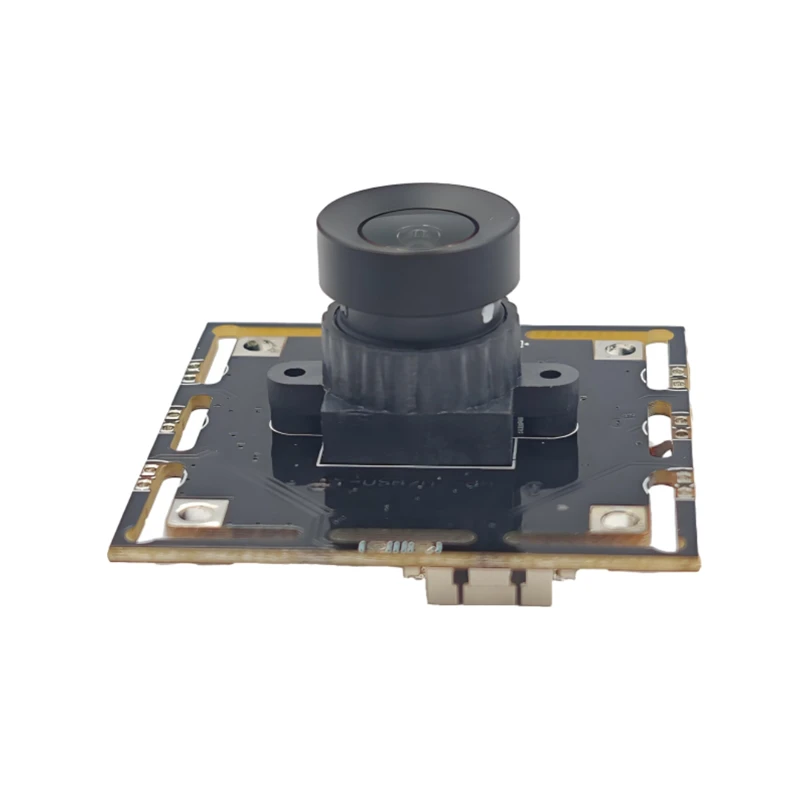
MY-USB1M818A Global Exposure Usb Camera Module With 1mp Hd Video
-
-
-
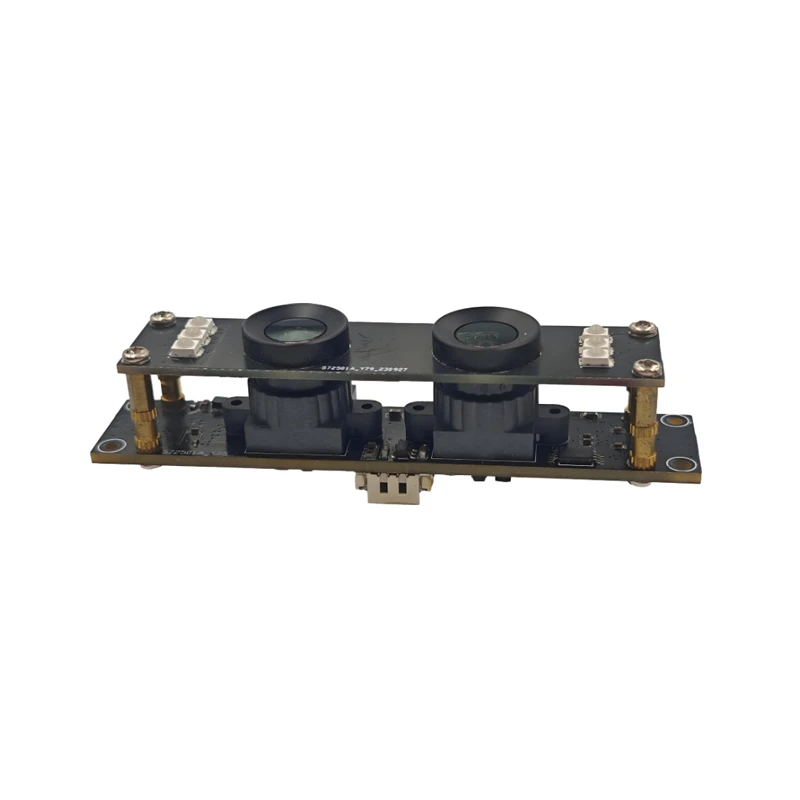
MY-DC52M-A1 Dual Lens Wide Dynamic Range Usb2.0 Camera Module With HD Video 5mp+2mp
-
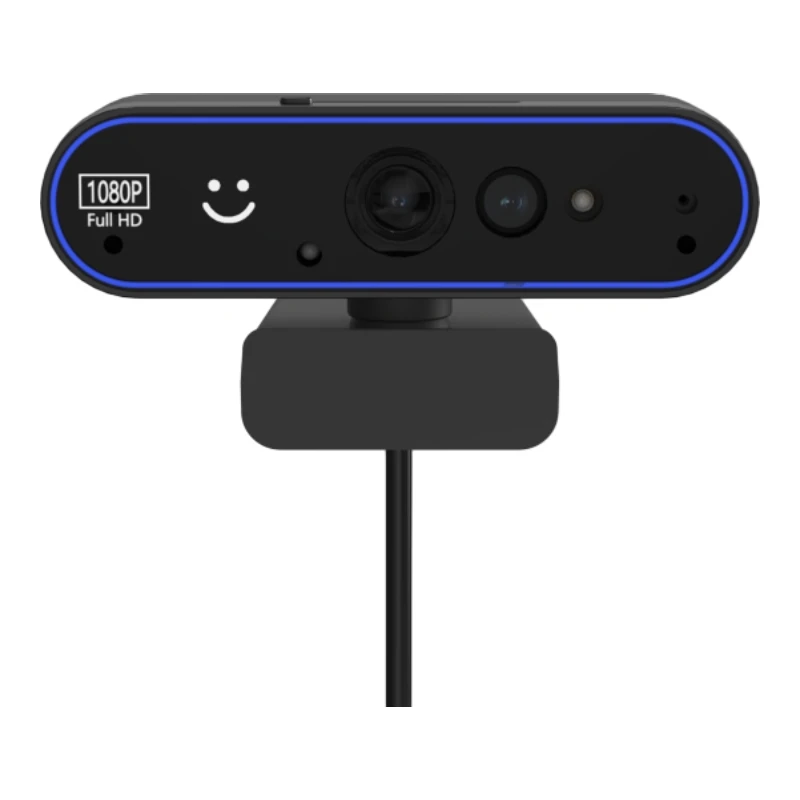
MY-WHC700 Windows Hello Face Recognition Binocular USB Camera
-
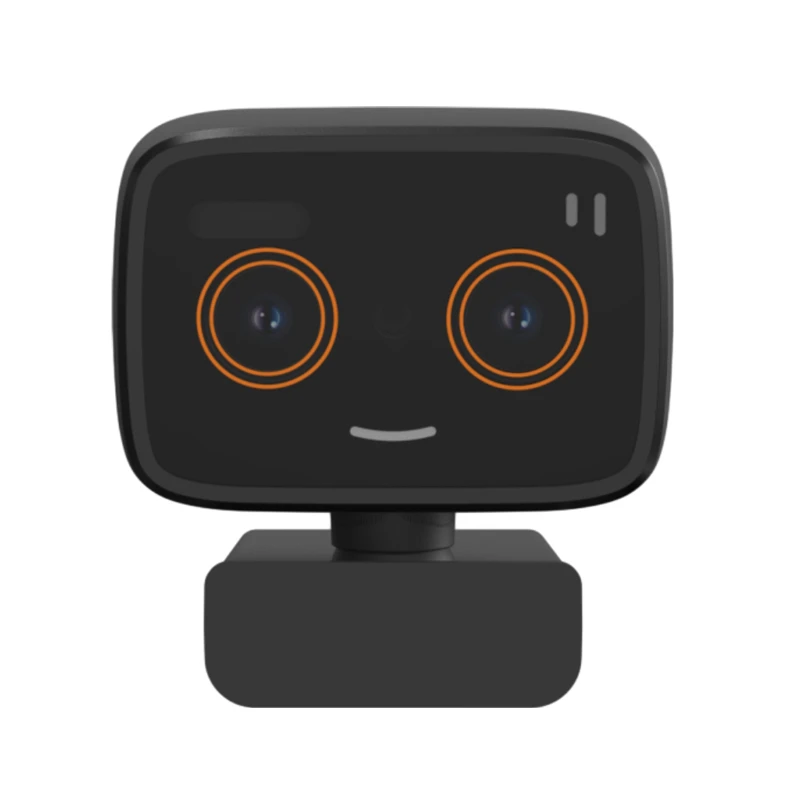
MY-DC-260-A1 Dual Lens Usb2.0 Web Camera With High-definition Video 2mp+2mp
-
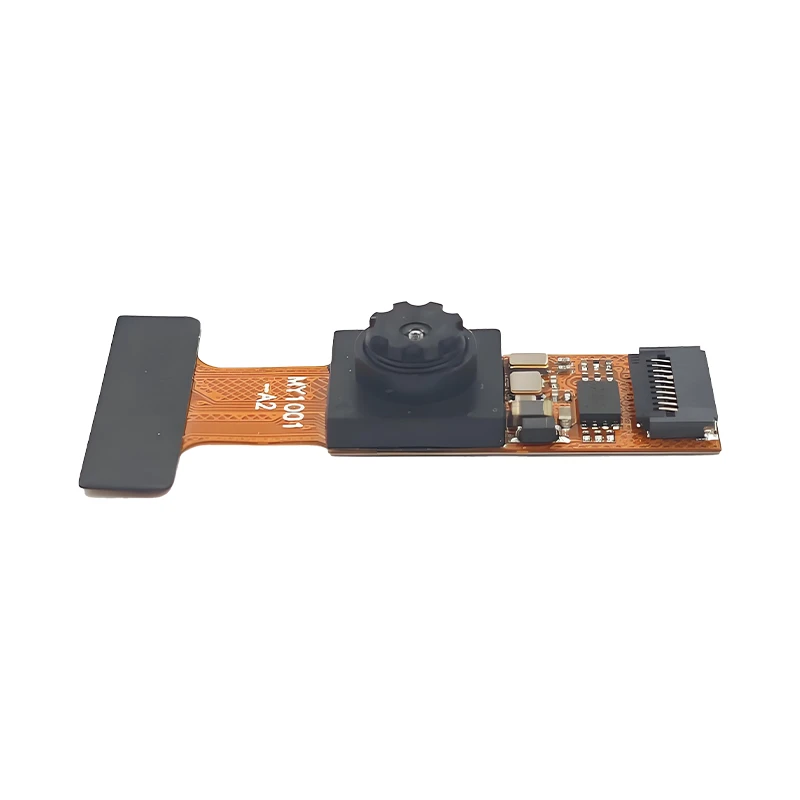
MY-1001-A2 AI Tracking, Gesture Recognition, Sitting Posture Detection Smart Camera Module
-
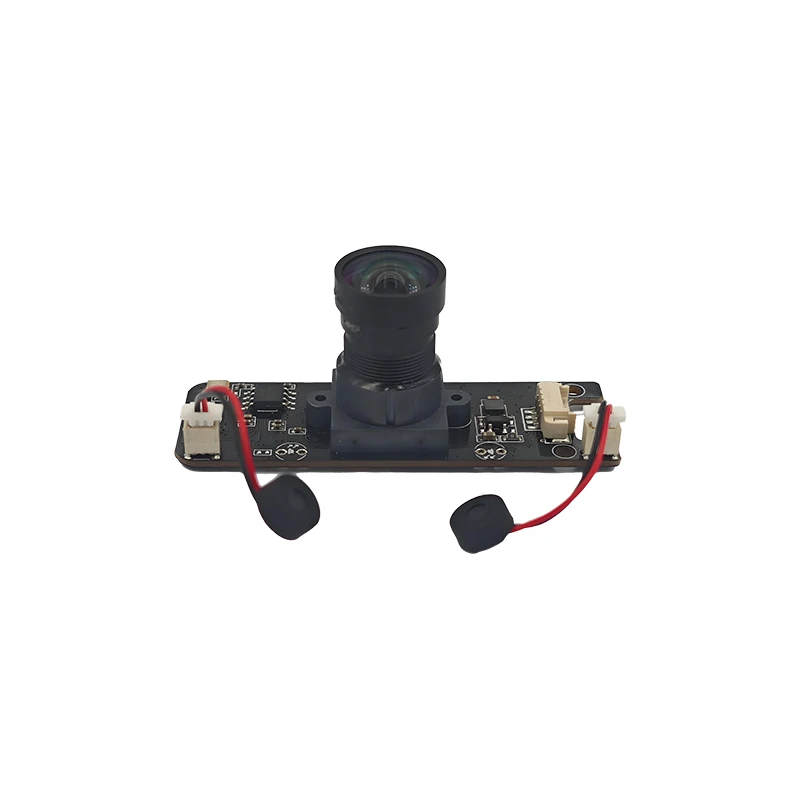
MY-USB8M158A 4K Resolution HD Video Driver-Free USB Camera Module With Microphone
