


Nov . 26, 2025 11:10 Back to list
USB Camera No Microphone – Secure, Private Video Communication Devices
What Is a USB Camera with No Microphone, and Why Does It Matter?
If you've ever attended a video call and suddenly dealt with noisy background sounds, you'd appreciate the beauty of a USB camera no microphone setup. Simply put, it’s a webcam device that captures video but intentionally excludes any built-in microphone functionality. But why is this niche product gaining global traction? Well, in industries, offices, or even classrooms, security, privacy, and audio clarity matter greatly. By separating video capture from audio input, organizations can better control data streams, minimize unintended eavesdropping, and improve technical setup flexibility. The global demand for such USB cameras ties strongly to evolving privacy standards and cybersecurity concerns, alongside growing video conferencing trends.
The Broader Context: Privacy, Security, and Video Communication Worldwide
According to Wikipedia's overview on video teleconferencing, millions of people worldwide are attending virtual meetings daily, a number that soared especially after the recent surge in remote work. With data privacy laws tightening globally — think GDPR in Europe or CCPA in California — businesses are searching for hardware solutions that enhance user control over recorded information. Cameras without microphones help reduce risks related to leaked audio or unnoticed recordings.
Beyond corporate use, NGOs and government agencies particularly emphasize protecting sensitive conversations from being recorded or intercepted, a challenge recognized by international standards like ISO/IEC 27001 on information security management. So, a USB camera no microphone is more than a gadget: it’s a critical tool helping organizations navigate the blend of convenience and confidentiality.
What Exactly Is a USB Camera No Microphone?
At its core, a USB camera without a microphone is a plug-and-play device that delivers only video through a USB interface. These cameras are distinct from the typical webcams packed with built-in mics, intentionally designed either with no mic hardware at all or with the audio portion disabled by firmware. This separation allows users to plug in dedicated microphones or audio systems independently, which can improve setup flexibility and security.
In practical terms, companies worried about phone or computer microphones spying on them can adopt this kind of hardware to lessen that risk. Furthermore, in sensitive environments such as government offices or hospitals, it ensures only authorized audio channels are active. So while “USB camera no mic” sounds simple, it meets a modern need triggered by privacy and modular hardware trends.
Key Features to Consider in USB Cameras Without Microphones
1. Video Resolution & Frame Rate
High-definition video is essential for clear, professional meetings or security footage. You’ll often find these cameras offering anywhere from 720p to 4K resolution with various fps rates — enough to adapt to bandwidth limits while keeping visuals crisp.
2. Connectivity & Compatibility
Since these cameras rely on USB — usually USB 2.0 or 3.0 — compatibility with most laptops and desktops is almost guaranteed. Some advanced models include plug-and-play features with no driver installation needed.
3. Build & Durability
If you’re buying for industrial or field use, look for robust housings and materials. Many USB cameras no microphone are designed for lightweight portability but don’t skimp on durability factors like shock-resistance or water-splash protection.
4. Privacy Assurance
Without the microphone hardware, the risk of accidental audio capture is minimal — helpful if your environment requires strong data privacy controls.
5. Customization Potential
Some vendors allow firmware or hardware customization, such as disabling LED indicators or adding software overlays, which may be crucial for certain specialized environments.
Mini takeaway:
The “usb camera no microphone” is not just a camera, but a modular privacy-focused device designed to give users flexible, secure video capture.
How Companies and Organizations Use USB Cameras Without Microphones
These devices have found homes in a surprising breadth of sectors. In corporate environments, they ensure that confidential meetings avoid audio leaks while video remains premium quality. In educational institutions, where some students might not need audio input simultanuously, these webcams provide video only, reducing potential noise distractions.
But the story doesn’t stop here. In industrial zones near heavy machinery, USB cameras without microphones are preferred to avoid interference from loud ambient noise perfectly — useful for safety monitoring and quality control. Meanwhile, NGOs working in conflict zones utilize these devices to preserve privacy and avoid unintended audio surveillance.
On a broader scale, regulatory bodies and security firms sometimes restrict audio recording devices from sensitive areas, making USB cameras no mic the ideal solution to balance surveillance with privacy.
USB Camera No Microphone: Product Specification Comparison
| Feature | Model A | Model B | Model C |
|---|---|---|---|
| Resolution | 1080p at 30fps | 720p at 60fps | 4K at 30fps |
| USB Type | USB 2.0 | USB 3.0 | USB-C |
| Field of View | 90° | 75° | 120° |
| Privacy Features | No mic hardware | Mic disabled by firmware | No mic hardware |
| Dimensions | 65x45x35 mm | 75x50x40 mm | 60x40x30 mm |
Comparing Top USB Camera Vendors for No Microphone Models
| Vendor | Range of Models | Price Range | Warranty & Support |
|---|---|---|---|
| CamSecure | 5 models, 720p–4K | $50–$200 | 2 years, 24/7 support |
| SilentVision | 3 models, 1080p only | $70–$150 | 1 year, email support |
| FlexCam Technologies | 7 models, all resolutions | $40–$300 | 3 years, phone & online chat |
Advantages and Long-Term Value of USB Cameras Without Microphones
Beyond the obvious privacy enhancement, the usb camera no microphone concept holds a range of benefits that resonate emotionally and practically. For businesses, it means reducing the risk of data breaches involving audio recordings — a growing concern with remote work and video conferencing. On the sustainability front, separating audio and video hardware can lead to lower electronic waste by allowing independent upgrades or repairs.
For everyday users, it offers peace of mind about personal space and conversations, which fosters a culture of trust and respect. Many engineers mention that modular devices like this also facilitate tailored setups, boosting efficiency. So in the long run, it isn't just about hardware, but about building safer, flexible communication ecosystems.
Emerging Trends & Innovation in USB Camera Technology
Looking ahead, several innovations will impact USB cameras without microphones. AI-driven video quality enhancement, edge computing integration, and energy-efficient designs are all gaining ground. Additionally, as sustainability becomes an industry standard — brownie points to ISO 14001 — manufacturers focus on eco-friendly materials and reduced power consumption.
Another trend I noticed: the rise of smart webcams that separate audio channels completely and offer encrypted video streams for cybersecurity-critical deployments. Frankly, it’s fascinating how this niche has turned into a playground for tech makers wanting to balance convenience with protection.
Challenges and How to Overcome Them
Of course, no tech is perfect. A common challenge with usb cameras no microphone setups involves the user needing a separate mic — this can complicate setups for less tech-savvy users. Moreover, some cheaper models may promise “no mic” but just mute the audio, which doesn't guarantee privacy.
Experts often suggest buying from reputable vendors with clear hardware designs that physically omit microphones. Training and guides for users on optimal use also help. Additionally, integrating these cameras with dedicated audio peripherals offers the best of both worlds.
FAQ: Your Burning Questions About USB Camera No Microphone
1. Can I use a USB camera no microphone with any conferencing app?
Yes, these cameras function as standard video input devices, so apps like Zoom, Teams, or Google Meet will recognize them without issue. You just need to select your preferred separate microphone if you require audio.
2. Why would I want a camera without a microphone?
If you prioritize data privacy, want to avoid accidental audio recording, or already use professional-grade microphones, a no-mic camera offers greater control and reduces eavesdropping risks.
3. Are USB cameras no microphone more expensive?
Not necessarily. Models without mics can be more affordable since the hardware is simpler—but prices vary widely depending on resolution, features, and brand.
4. How do I know if a camera’s microphone is physically disabled or just muted?
Look for product specs mentioning “mic hardware removed” or consult vendor FAQs. Physical removal ensures no audio capture, whereas muting features rely on software controls and may be bypassed.
5. Can I easily switch from a camera with mic to one without on my computer?
Yes. USB cameras are plug-and-play devices, so plugging in a no-mic camera should be straightforward but remember to adjust your system's audio input accordingly.
Wrapping Up: Why a USB Camera No Microphone Is a Smart Choice
As video communication becomes even more central to work and life, devices like the usb camera no microphone quietly solve some thorny issues around privacy, control, and tech flexibility. Whether you’re an IT manager juggling security policies or just fed up with background noises on calls, these cameras offer a simple, elegant solution. And hey — as companies worldwide tighten privacy protocols and industries embrace modular hardware, I wouldn’t be surprised if these cameras become a standard fixture in many setups.
Interested? Visit our website today to explore a selection that balances quality, reliability, and privacy: https://www.szmyccm.com
References
-
Guide to Raspberry Pi Camera Module v3 with Powered Autofocus
NewsApr.16,2026
-
Guide to Using the raspberry pi camera module v1 3 for IoT Projects
NewsApr.09,2026
-
Exploring the Capabilities of the Raspberry Pi Camera Module 3 Noir for Diverse Applications
NewsApr.07,2026
-
Unlocking Visual Potential with the Raspberry Pi Camera Module 3 for Advanced Projects
NewsApr.04,2026
-
Raspberry Pi Noir Camera Module V2 8MP 1080p30 A Comprehensive Guide for Projects
NewsMar.31,2026
-
Comprehensive Guide to the Raspberry Pi 3 B+ Camera Module and Its Applications
NewsMar.28,2026
-
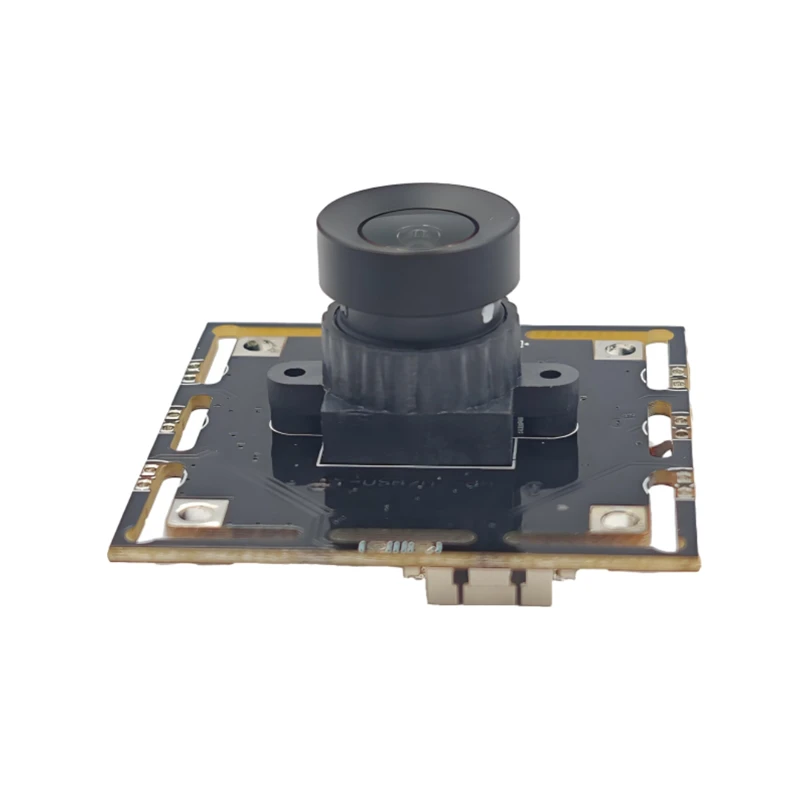
MY-USB1M818A Global Exposure Usb Camera Module With 1mp Hd Video
-
-
-
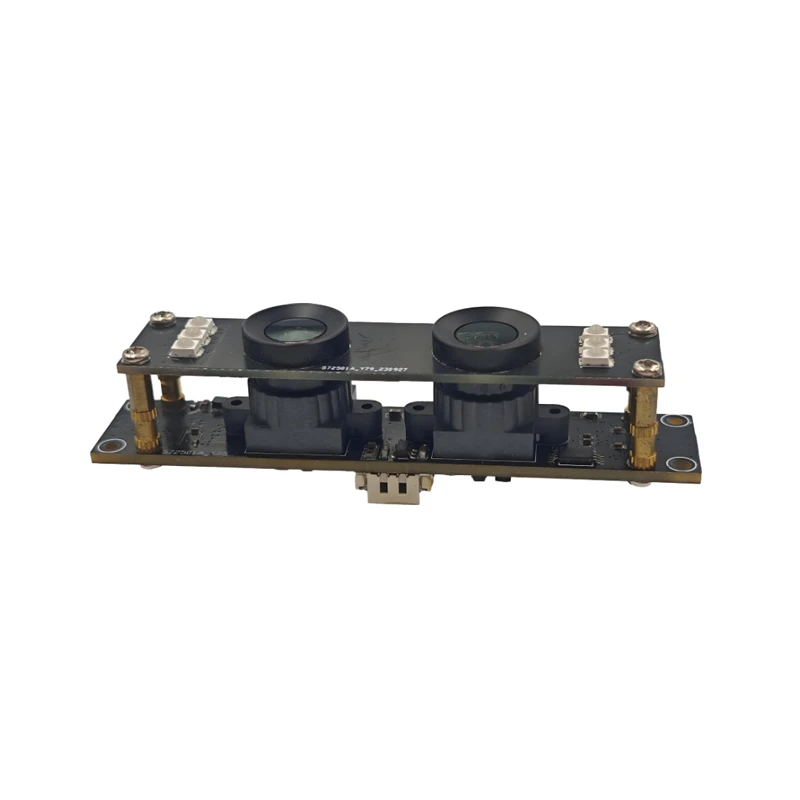
MY-DC52M-A1 Dual Lens Wide Dynamic Range Usb2.0 Camera Module With HD Video 5mp+2mp
-
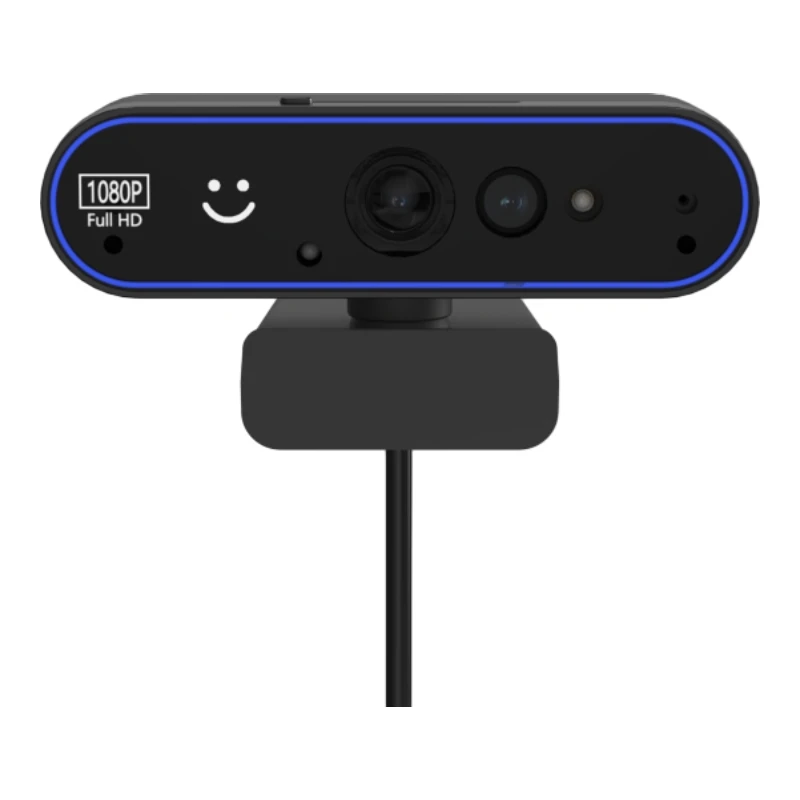
MY-WHC700 Windows Hello Face Recognition Binocular USB Camera
-
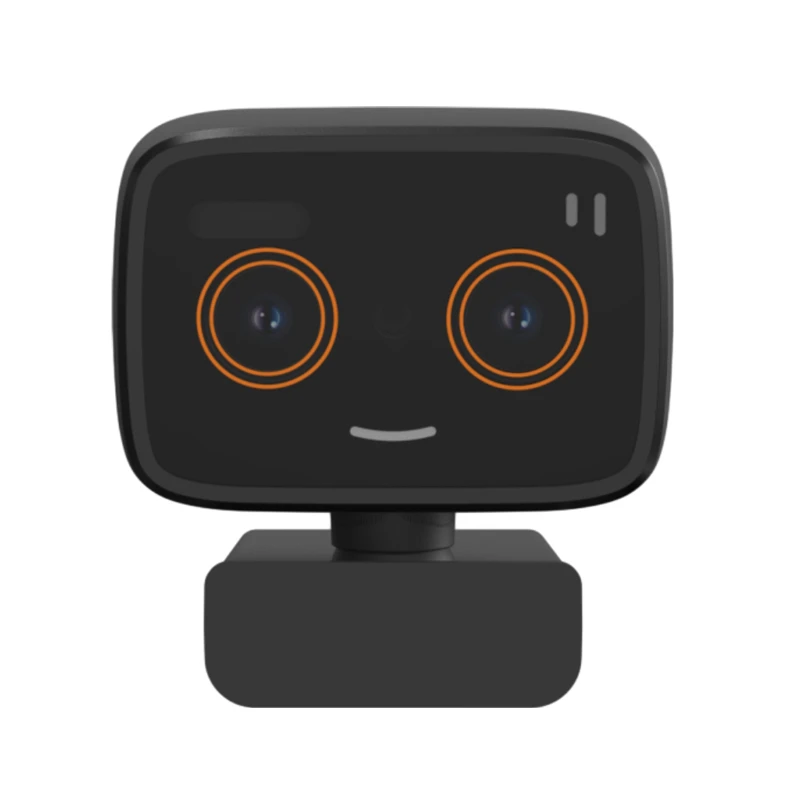
MY-DC-260-A1 Dual Lens Usb2.0 Web Camera With High-definition Video 2mp+2mp
-
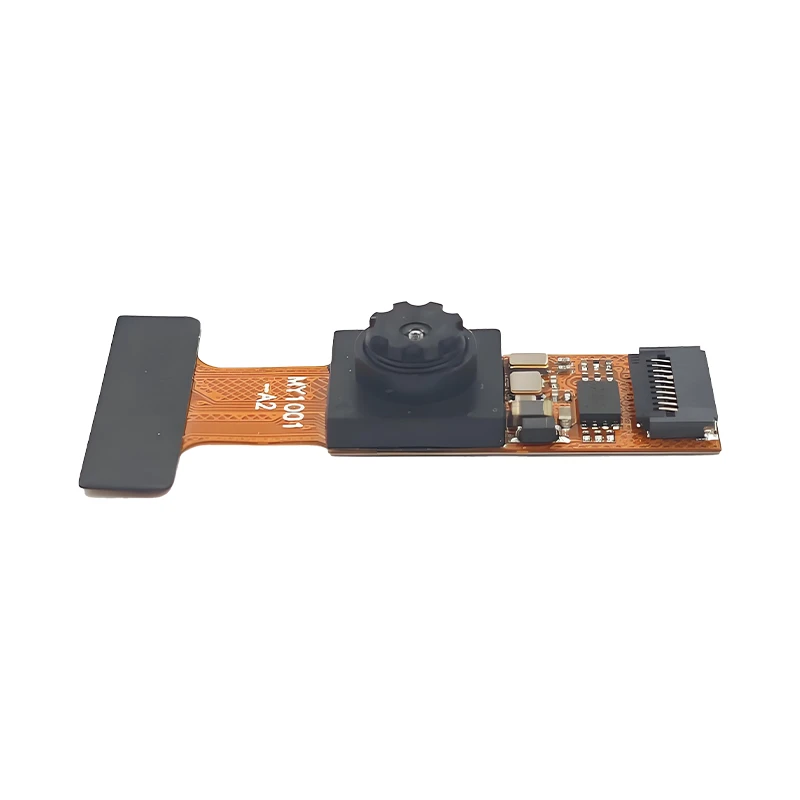
MY-1001-A2 AI Tracking, Gesture Recognition, Sitting Posture Detection Smart Camera Module
-
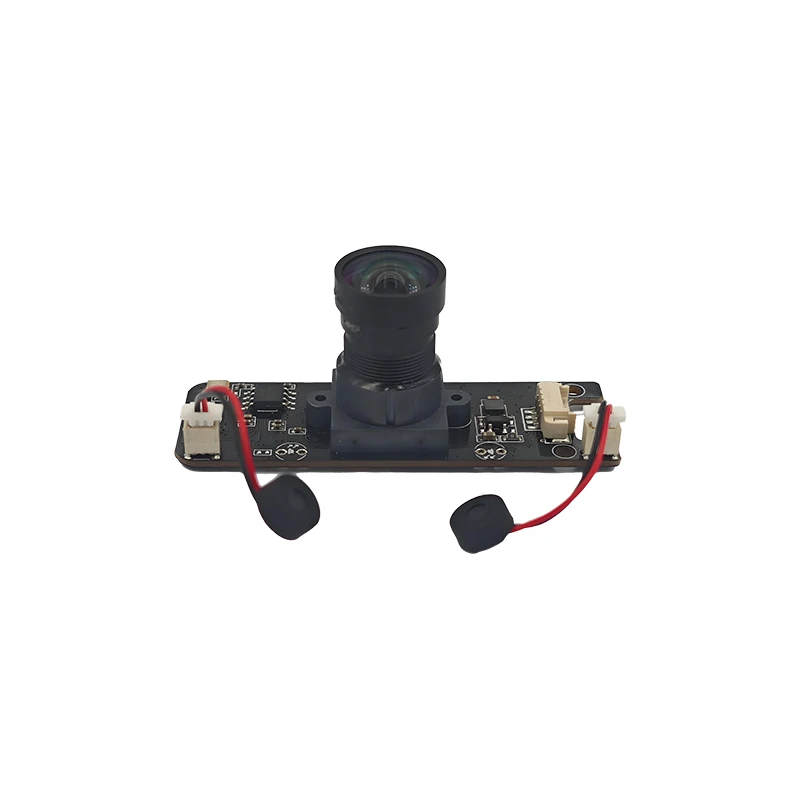
MY-USB8M158A 4K Resolution HD Video Driver-Free USB Camera Module With Microphone
