


Nov . 30, 2025 02:15 Back to list
Comprehensive Guide to USB Video Cameras with Microphones | Features, Uses & Vendors
The Rising Role of USB Video Cameras with Microphones in Today's Digital Landscape
USB video cameras with microphones might sound like just another tech gadget, but their impact is surprisingly broad – from corporate meetings to humanitarian efforts and even in remote scientific research stations. These devices combine visual and audio capture in one plug-and-play unit, making them invaluable in a world that increasingly demands seamless communication.
Understanding the benefits and applications of usb video cameras with microphone helps businesses, organizations, and even individuals make smarter choices in connectivity and recording technology.
Why the World is Leaning on USB Video Cameras with Microphones
According to the International Telecommunication Union (ITU), video conferencing usage grew by over 400% globally from 2019 to 2022. This upward trend wasn't just about office workers staying connected during lockdowns but also propelled by worldwide digitization efforts across industries and humanitarian operations. In many parts of the world where infrastructure is still catching up, these devices help fill the communication gap.
Yet, a persistent challenge remains: how to capture high-quality audio and video in simple, cost-effective ways – particularly for remote or resource-constrained environments? This is exactly where the usb video camera with microphone plays a vital role.
Defining the USB Video Camera with Microphone
Put simply, a usb video camera with microphone integrates a digital camera and microphone into one device, connected to a computer or other hardware via USB. It’s designed for ease — no complicated installations or multiple cables, just plug and play.
But it’s more than hardware; it’s a versatile tool fueling remote education, telemedicine, virtual conferences, and even security monitoring. In crisis zones, agencies deploy these cameras to gather first-hand visual and audio information quickly and reliably.
Core Components That Make These Cameras Work
1. Image Sensor Quality
The sensor determines video clarity. Most devices feature CMOS sensors offering HD or Full HD resolutions, ensuring clear visuals even in challenging lighting.
2. Microphone Sensitivity and Noise Reduction
Quality built-in microphones focus on capturing clear voice audio while filtering background noise, which is crucial during conference calls or virtual doctor visits.
3. Plug-and-Play Connectivity
USB connectivity eliminates fuss, enabling rapid deployment across various operating systems – Windows, macOS, Linux – with virtually no driver installation required.
4. Durability and Portability
Many models are compact and ruggedly built, designed to withstand travel and use in less-than-ideal conditions, especially relevant in field operations and NGOs.
5. Field of View and Zoom Capability
Wide-angle lenses and digital zoom allow capture of larger areas or focus on details, flexible for meetings, security, or recording lectures.
6. Lighting Adaptability
Features like automatic exposure correction and low-light enhancement make these cameras suitable for diverse environments, from well-lit offices to dim classrooms.
Mini takeaway: When choosing a usb video camera with microphone, balancing these factors ensures you get a device that meets your specific needs — be it remote learning or field reporting.
Where Are These USB Video Cameras Called Into Action?
- Corporate Sector: Video calls and hybrid meetings demand reliable audio-video gear that’s quick to set up.
- Education: Remote teaching relies heavily on crisp video and sound, engaging students and minimizing technical glitches.
- Healthcare: Telemedicine uses these devices for patient diagnosis, especially in underserved regions.
- Disaster Relief: NGOs use durable cameras to communicate on-site conditions and coordinate efforts.
- Security and Law Enforcement: Surveillance often depends on compact USB cameras for both video and audio monitoring.
For instance, during major flood relief operations in Southeast Asia, teams deployed USB video cameras with microphones to connect ground teams with command centers, ensuring swift and clear communication.
Mini takeaway: Their flexibility and ease of use make these devices a backbone of modern communication infrastructure worldwide.
Benefits Beyond the Obvious
Let’s be honest – it’s not just about convenience. The cost-effectiveness of a USB camera with microphone means organizations large and small can afford better communication tools without breaking the bank. They save time, cut travel costs by enabling virtual presence, and often enhance safety by reducing the need for hazardous field visits.
Moreover, the social impact is significant: improving access to remote education and healthcare, strengthening transparency in operations, and fostering innovation by connecting diverse users instantly.
Future Horizons: What’s Next for USB Video Cameras with Microphones?
Interestingly, the integration of AI for real-time noise suppression and video enhancement is rapidly becoming a reality. We’re also seeing development of eco-friendly materials in device production as sustainability takes priority.
Digital transformation isn’t slowing — expect higher resolutions (4K and beyond), smarter autofocus, and even modular designs that let users swap microphones or lenses based on needs.
Common Challenges and How They're Being Addressed
Of course, not all is perfect. While these cameras are great, low bandwidth environments can hinder performance, making crisp video and audio tricky. Experts suggest pairing cameras with adaptive streaming software to mitigate this.
Privacy and data security remain concerns, especially when streaming sensitive information. Manufacturers now incorporate encrypted connections and user authentication to stay ahead.
Frequently Asked Questions About USB Video Cameras with Microphones
Q1: How do I choose a USB video camera with microphone for video conferencing?
Look for models with at least 1080p resolution and noise-cancelling microphones. Compatibility with your operating system and ease of use are critical. Also, consider the field of view depending on whether you’re hosting one-on-one calls or group meetings.
Q2: Can USB video cameras with microphones work in low-light environments?
Yes, many feature automatic low-light correction and enhanced sensors. For very dim spaces, external lighting may still be recommended to ensure clear images.
Q3: Are these devices compatible with popular video platforms like Zoom or Microsoft Teams?
Absolutely! Because they use standard USB protocols, these cameras are plug-and-play and generally compatible with all mainstream video conferencing software without extra drivers.
Q4: How portable are USB video cameras with microphones?
Most are lightweight and compact, designed for easy transport. This is especially helpful for field work or remote teams needing quick deployment.
Q5: What are typical price ranges for these cameras?
Prices vary widely, from affordable entry-level models under $30 to professional-grade devices exceeding $150. Your choice depends on features, resolution, microphone quality, and build.
Specification Table: Typical USB Video Camera with Microphone
| Feature | Specification |
|---|---|
| Resolution | 1920x1080 (Full HD) |
| Field of View | 90° wide angle |
| Microphone | Built-in omnidirectional with noise reduction |
| Connectivity | USB 2.0 / USB 3.0 |
| Compatibility | Windows, macOS, Linux |
| Power | Bus-powered (no external adapter) |
| Dimensions | Approx. 60 x 30 x 30 mm |
Vendor Comparison: Leading USB Video Camera Providers
| Vendor | Price Range | Key Features | Best Use Case |
|---|---|---|---|
| LogiCam | $50–$120 | Auto-focus, noise suppression, 1080p HD | Corporate & home office |
| ClearViewTech | $70–$150 | Wide-angle lens, rugged design | Field operations, NGOs |
| StreamlineCam | $35–$100 | Low-light correction, easy plug-and-play | Education & online teaching |
Final Thoughts
Thinking back on everything, it feels like the humble usb video camera with microphone is quietly revolutionizing communication in ways we often overlook. It’s not just a tech gadget anymore—it’s a tool that can bridge distances, support education, improve healthcare, and speed disaster response.
If you’re looking to upgrade your setup or equip your team with reliable digital eyes and ears, I suggest browsing through options at https://www.szmyccm.com. There’s a surprising array tailored for all sorts of needs.
Remember, it’s not always about having the fanciest device — often it’s about finding the right fit that’s reliable and easy to use when you need it the most.
References:
1. International Telecommunication Union (ITU) - https://www.itu.int
2. Wikipedia: USB Video Class - https://en.wikipedia.org/wiki/USB_video_device_class
3. ISO Standards on Video Communication - https://www.iso.org/standard/50886.html
-
Guide to Raspberry Pi Camera Module v3 with Powered Autofocus
NewsApr.16,2026
-
Guide to Using the raspberry pi camera module v1 3 for IoT Projects
NewsApr.09,2026
-
Exploring the Capabilities of the Raspberry Pi Camera Module 3 Noir for Diverse Applications
NewsApr.07,2026
-
Unlocking Visual Potential with the Raspberry Pi Camera Module 3 for Advanced Projects
NewsApr.04,2026
-
Raspberry Pi Noir Camera Module V2 8MP 1080p30 A Comprehensive Guide for Projects
NewsMar.31,2026
-
Comprehensive Guide to the Raspberry Pi 3 B+ Camera Module and Its Applications
NewsMar.28,2026
-
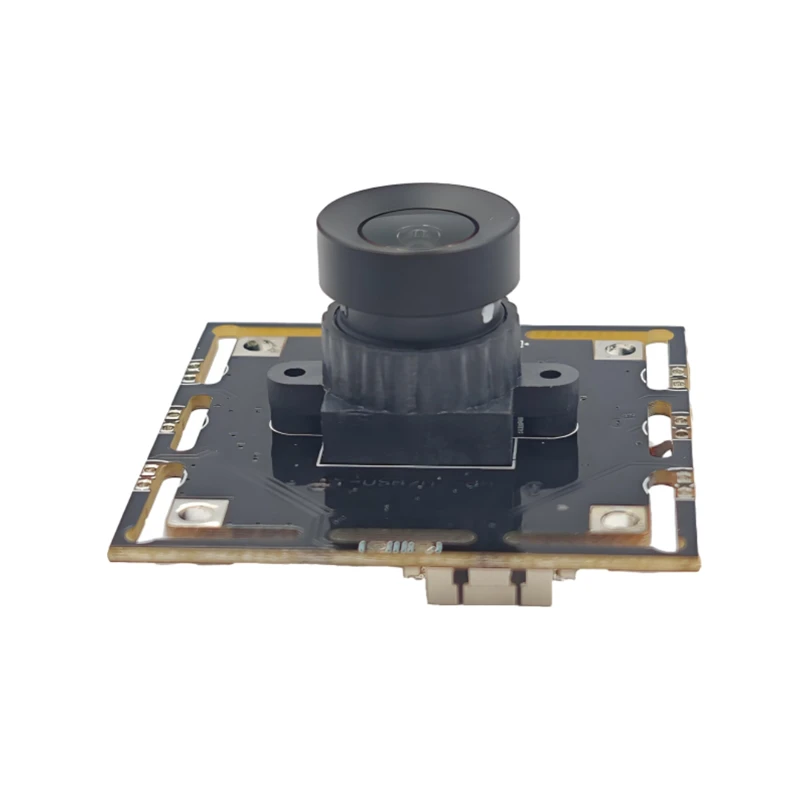
MY-USB1M818A Global Exposure Usb Camera Module With 1mp Hd Video
-
-
-
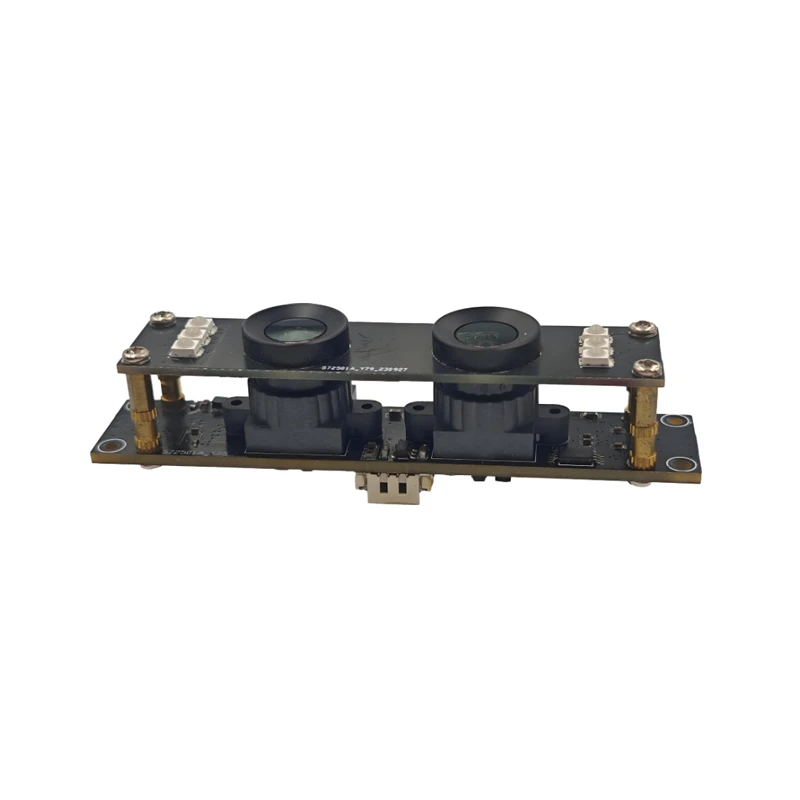
MY-DC52M-A1 Dual Lens Wide Dynamic Range Usb2.0 Camera Module With HD Video 5mp+2mp
-
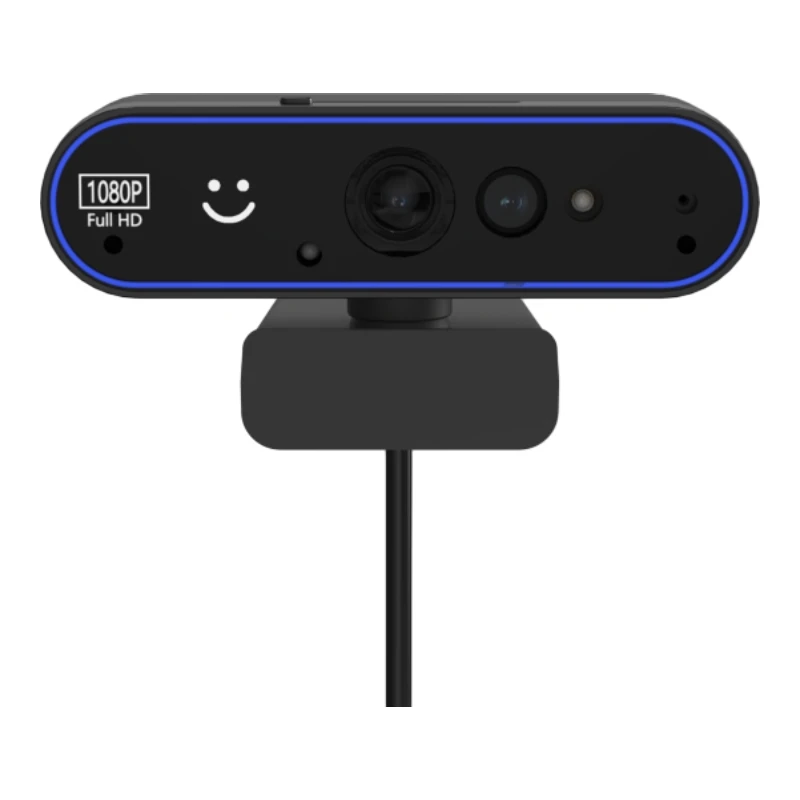
MY-WHC700 Windows Hello Face Recognition Binocular USB Camera
-
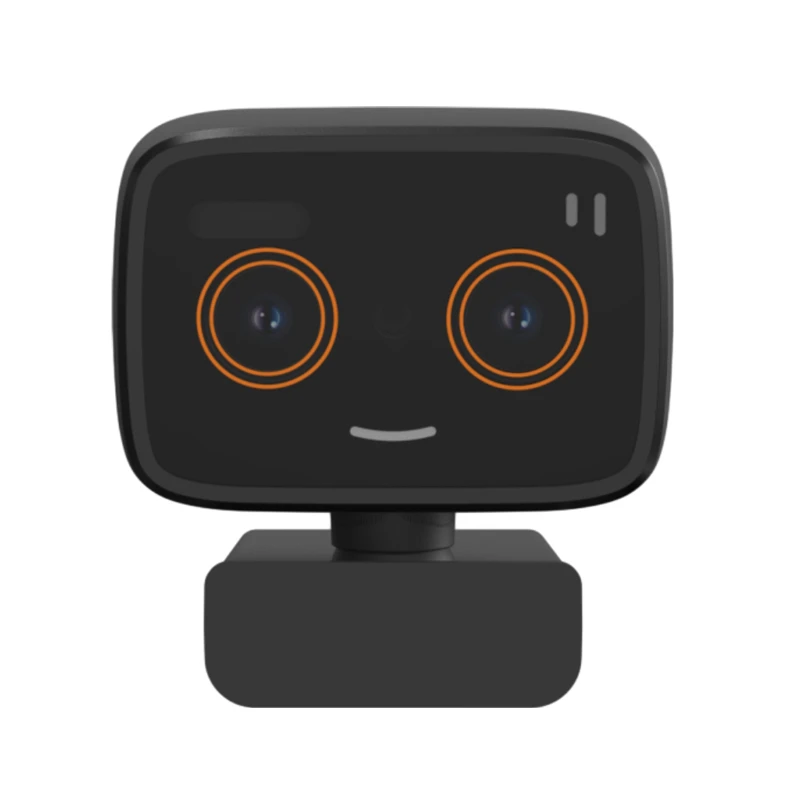
MY-DC-260-A1 Dual Lens Usb2.0 Web Camera With High-definition Video 2mp+2mp
-
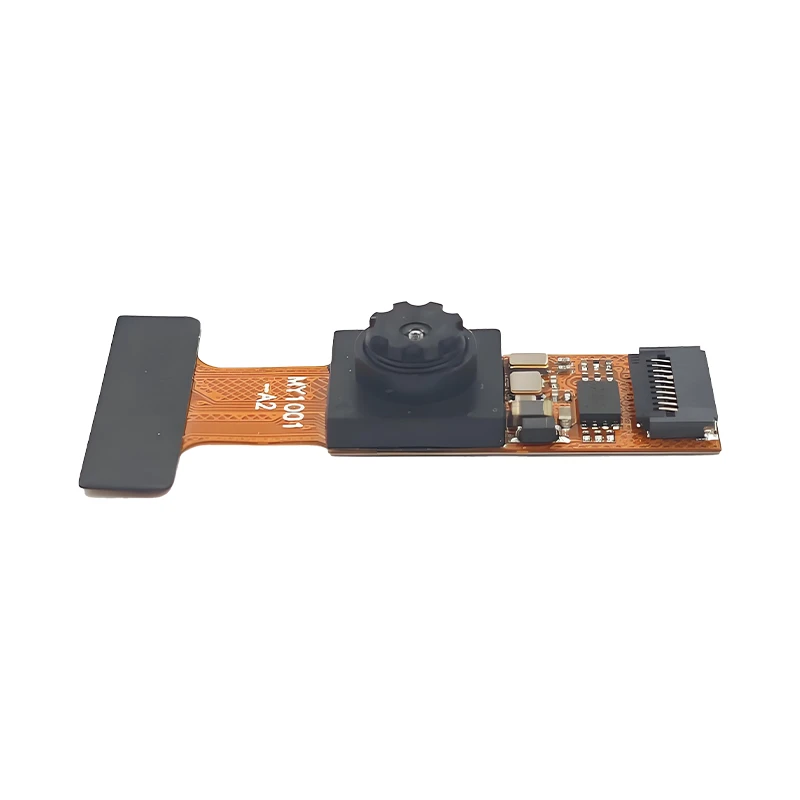
MY-1001-A2 AI Tracking, Gesture Recognition, Sitting Posture Detection Smart Camera Module
-
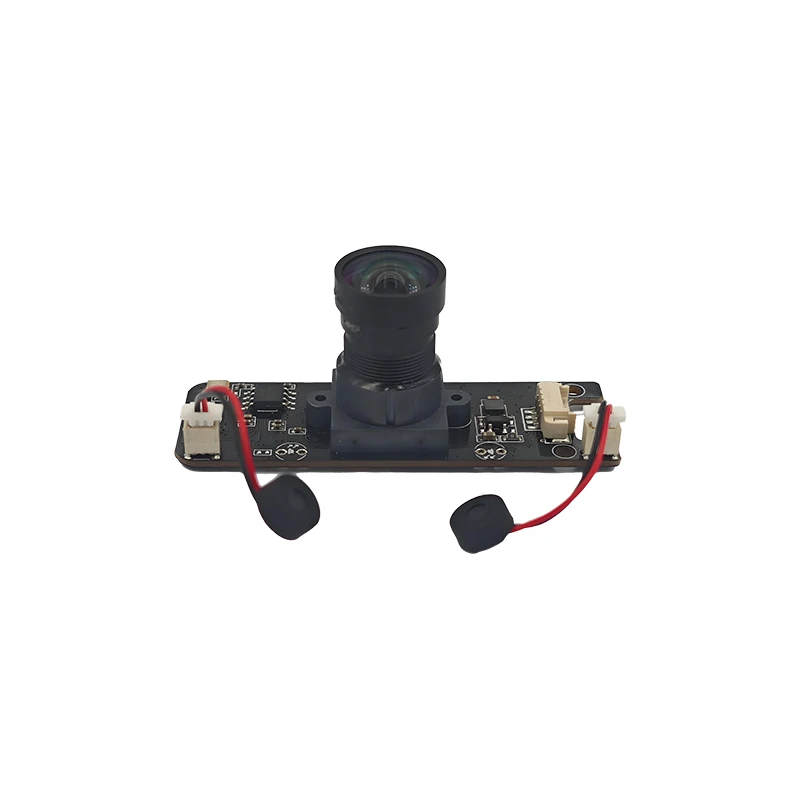
MY-USB8M158A 4K Resolution HD Video Driver-Free USB Camera Module With Microphone
