


Nov . 30, 2025 00:30 Back to list
Discover Practical Uses of Affordable 0.3 MP Cameras | Reliable & Efficient Imaging Solutions
Why the 0.3 MP Camera Still Matters in a World Obsessed with Megapixels
In today’s hyper-digital era, where we count megapixels like trophies, it’s easy to overlook the humble 0.3 MP camera. But this still-small sensor packs surprising relevance globally, especially in fields where affordability, durability, and speed trump ultra-high resolution. Whether it’s in public security, industrial zones, or humanitarian aid, understanding why and how the 0.3 MP camera holds its ground offers insight into accessible tech solutions that keep billions connected and safe.
Introduction: Global Context of the 0.3 MP Camera
At first glance, a 0.3 MP (megapixel) camera might seem trivial in a world that now flaunts 12, 48, or even 108 MP smartphone cameras. Yet, according to estimates from the World Bank and the International Telecommunication Union, over 60% of the global population still has very basic access to digital imaging tech — especially in developing economies and remote locations. These cameras provide quick, affordable image capture for security systems, industrial monitoring, and more, addressing the “digital divide” without skyrocketing cost.
Oddly enough, the low-res image is not always a downside. Faster data transmission, lower power consumption, and ease of integration into simple devices make the 0.3 MP camera a workhorse for a lot of organizations. It helps overcome infrastructure challenges and is foundational to many IoT (Internet of Things) frameworks worldwide.
What Exactly Is a 0.3 MP Camera?
The term "0.3 MP camera" refers to a digital camera sensor capable of capturing images roughly 640 x 480 pixels (about 300,000 pixels total). That's VGA resolution in old-school tech speak, but still enough for many practical uses today. Think of it as the entry-level pixel count – a pixel count often enough for basic documentation, facial recognition in some cases, monitoring equipment, and real-time video that doesn’t burden bandwidth.
Industries from agriculture drones to access control systems rely on this unpretentious technology. Humanitarian projects often integrate 0.3 MP cameras for field data collection where power and connectivity are patchy. In real terms, the camera’s simplicity translates to robust performance in harsh environments where megapixels would only get in the way.
Core Components & Features of 0.3 MP Cameras
1. Economical and Lightweight Design
These cameras are extremely cost-effective because of simplistic sensor design and fewer materials. That affordability allows large-scale deployment without breaking budgets. Plus, their lightweight housing suits drones, embedded devices, and portable scanners.
2. Low Power Consumption
Lower resolution equals less processing power and shorter capture times. This conserves battery life, crucial for remote sensor nodes or solar-powered devices. Power efficiency is often a game changer in field operations.
3. Compatibility and Scalability
Due to the mature technology and open standards, 0.3 MP cameras slot easily into existing systems. They integrate with low-bandwidth networks like 2G or EDGE for live streaming where high-definition cameras cannot.
4. Durability and Simplicity
Fewer parts and less complex hardware reduce failure points. Many units are sealed to withstand dust, moisture, and temperature extremes — perfect for industrial or outdoor applications.
Global Applications & Use Cases
From security to scientific surveying, the 0.3 MP camera punches above its pixel count.
- In developing countries, local governments use 0.3 MP cameras for affordable CCTV systems to monitor public areas, enhance safety, and support police departments without huge investments.
- In agriculture, small, low-res imaging on drones helps farmers monitor crop health by capturing basic imagery without the data bloat.
- During disaster relief operations, NGOs deploy these cameras on drones and handheld devices to swiftly gather situational visuals in places where heavier gear may be unavailable.
- Industrial zones often install these cameras inside heavy machinery for real-time monitoring to preempt failures and ensure worker safety — speed is crucial, resolution less so.
Mini takeaway: The 0.3 MP camera is no longer “just a low-res fallback.” Its simplicity makes it versatile across vastly different domains worldwide.
Advantages & Long-Term Value
Besides the obvious cost saving, there are deeper benefits:
- Social Impact: Makes surveillance and digital documentation accessible to underserved populations, promoting safety and inclusion.
- Reliability: Proven tech with fewer breakdowns, maintaining trust in difficult environments.
- Sustainability: Lower electronic waste due to simpler components and longer usable lifetimes.
- Innovation Potential: Acts as a foundational tech in IoT ecosystems destined for future upgrades.
Product Specification Table: Typical 0.3 MP Camera Model
| Specification | Detail |
|---|---|
| Resolution | 640 x 480 pixels |
| Sensor Type | CMOS |
| Lens | Fixed focus, 3.6 mm |
| Power Consumption | |
| Frame Rate | 30 fps |
| Operating Temperature | -20°C to 60°C |
Comparing Leading Vendors for 0.3 MP Cameras
| Vendor | Price Range | Additional Features | Global Reach |
|---|---|---|---|
| CamTech Solutions | $15 - $30 | Built-in IR LED, weatherproof | Worldwide |
| VisionPro Electronics | $20 - $35 | Low-light sensitivity, compact size | Asia, Europe |
| GlobalCam Corp. | $12 - $25 | Water-resistant casing, plug-and-play | Africa, South America |
Emerging Trends & Innovations in 0.3 MP Camera Tech
Going forward, there’s movement toward embedding AI capabilities even in these low-res sensors. Imagine a 0.3 MP camera with built-in object detection or motion alerts — lightning-fast and cheap, ideal for large networks. Manufacturers also explore sustainable materials for lens covers and extended battery life through energy harvesting tech.
Digital transformation in “smart cities” initiatives often starts with affordable devices like 0.3 MP cameras that layer into larger systems for traffic, lighting, or safety management. These advancements hint that we haven’t seen the last of this modest pixel champ.
Challenges & Innovative Solutions
One obvious challenge is the limited image detail, which can be controversial for applications needing clear forensics or detailed imaging. To mitigate this, many deployments augment 0.3 MP cameras with other sensors or software that enhance image quality or extract relevant info programmatically.
Network bandwidth restrictions sometimes constrain streaming quality, but solutions like edge computing allow some processing locally, easing data loads. Also, ongoing improvements in sensor manufacturing reduce noise and improve clarity beyond what raw megapixels suggest — sort of like squeezing more juice from a humble fruit.
FAQ: Frequently Asked About 0.3 MP Cameras
- Q: Can a 0.3 MP camera support real-time video surveillance effectively?
- A: Absolutely. While resolution is low, 0.3 MP cameras can stream smooth video at 30 fps with minimal latency. Their low bandwidth needs make them ideal for networks with limited capacity.
- Q: How do 0.3 MP cameras perform in low-light conditions?
- A: Performance varies by sensor, but many models now include infrared LEDs or enhanced sensitivity modes that enable reasonable visibility even at dusk or indoors.
- Q: Are these cameras suitable for industrial environments?
- A: Yes. Many are ruggedized for dust, moisture, and temperature extremes. Their simplicity means fewer failure points; ideal for hazardous or remote areas.
- Q: How easy is it to integrate 0.3 MP cameras into existing IoT systems?
- Integration is typically straightforward thanks to standardized interfaces like USB, SPI, or Ethernet. Compatibility with protocols such as ONVIF or RTSP helps with networked video products.
- Q: Where can I find reliable 0.3 MP camera suppliers?
- Several global vendors specialize in these modules. For detailed specs and purchasing options, check out reputable suppliers like 0.3 mp camera providers that cater to bulk and custom OEM orders.
Conclusion & Call to Action
So, the 0.3 MP camera may not win any beauty contests compared to flashy smartphone sensors, but its practical advantages resonate worldwide. It’s affordable, durable, power-efficient, and ready to meet steady demand in both emerging markets and industrial hotspots. Investing in this technology means embracing reliability over glamour — often more important in the field.
Whether you’re spec-ing surveillance, deploying IoT farms, or supporting humanitarian efforts in hard-to-reach regions, the 0.3 MP camera remains a quietly indispensable tool.
Curious about fitting this modest powerhouse into your project? Visit 0.3 mp camera specialists for detailed product info and guidance.
Mini takeaway: Sometimes tech’s simplest versions solve the biggest problems.
References
-
Guide to Raspberry Pi Camera Module v3 with Powered Autofocus
NewsApr.16,2026
-
Guide to Using the raspberry pi camera module v1 3 for IoT Projects
NewsApr.09,2026
-
Exploring the Capabilities of the Raspberry Pi Camera Module 3 Noir for Diverse Applications
NewsApr.07,2026
-
Unlocking Visual Potential with the Raspberry Pi Camera Module 3 for Advanced Projects
NewsApr.04,2026
-
Raspberry Pi Noir Camera Module V2 8MP 1080p30 A Comprehensive Guide for Projects
NewsMar.31,2026
-
Comprehensive Guide to the Raspberry Pi 3 B+ Camera Module and Its Applications
NewsMar.28,2026
-
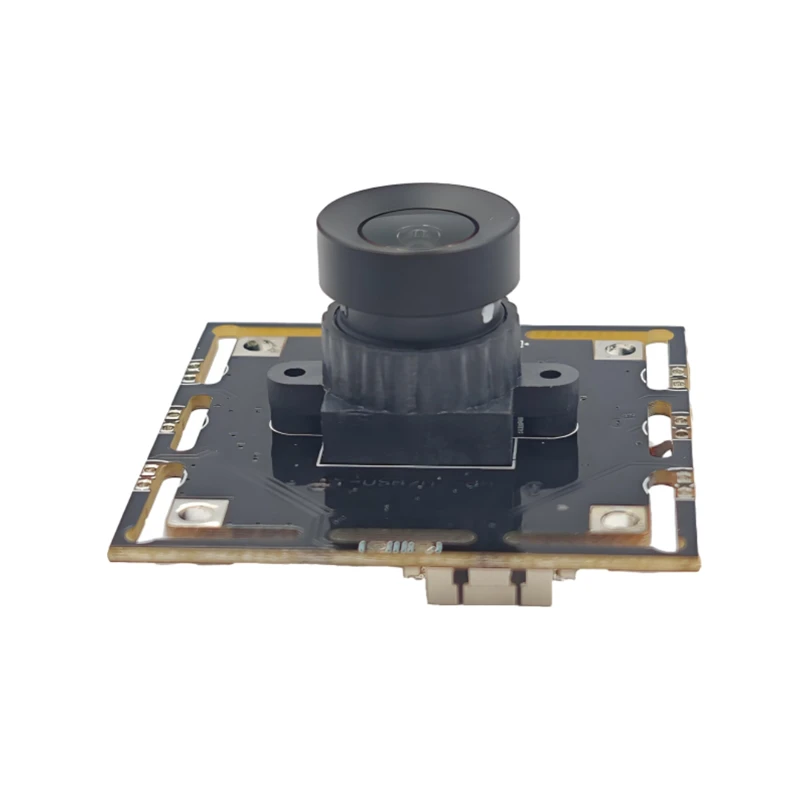
MY-USB1M818A Global Exposure Usb Camera Module With 1mp Hd Video
-
-
-
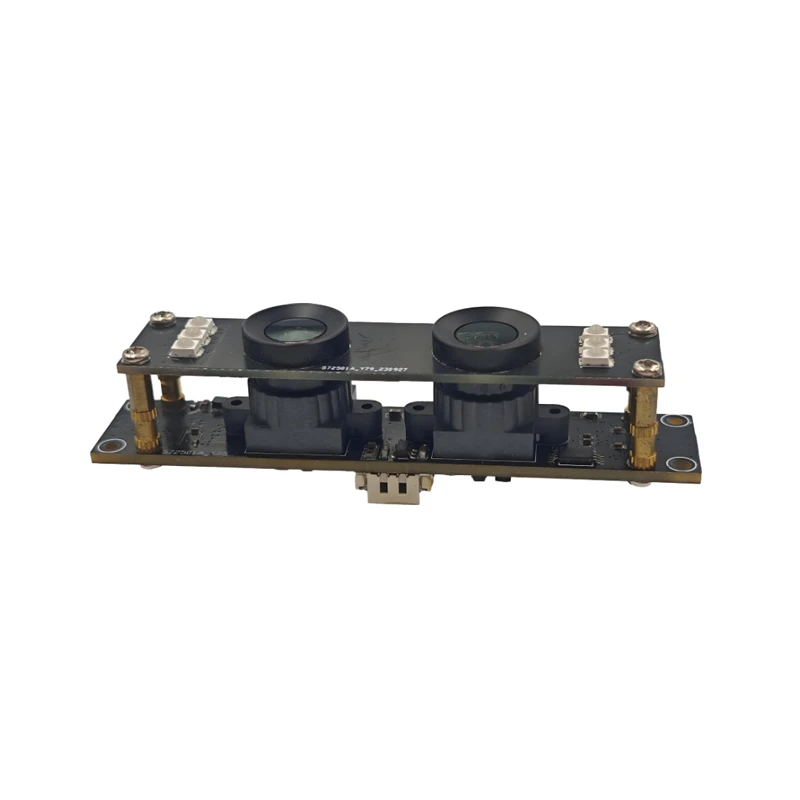
MY-DC52M-A1 Dual Lens Wide Dynamic Range Usb2.0 Camera Module With HD Video 5mp+2mp
-
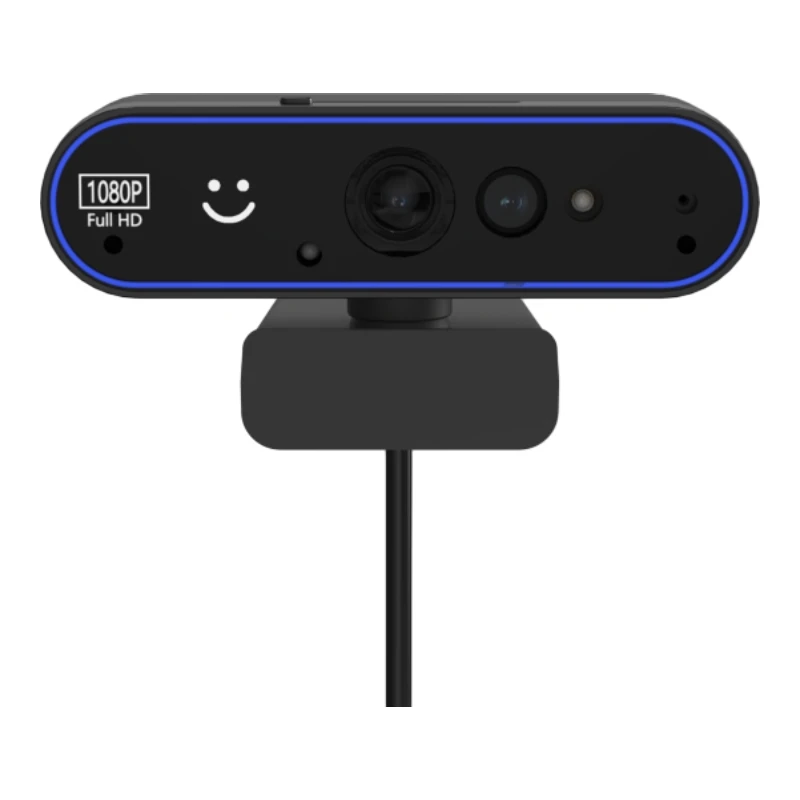
MY-WHC700 Windows Hello Face Recognition Binocular USB Camera
-
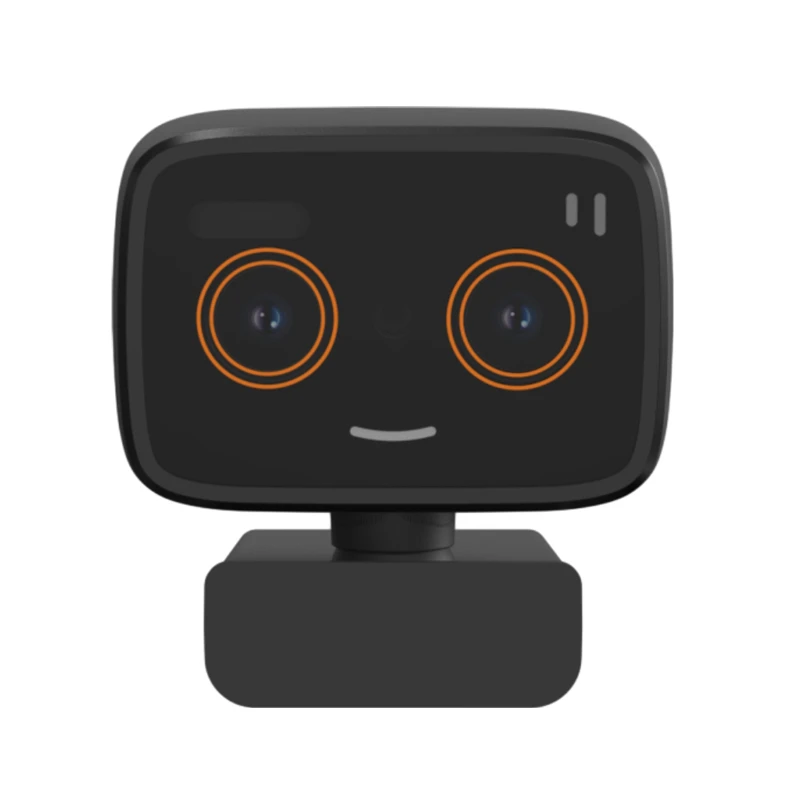
MY-DC-260-A1 Dual Lens Usb2.0 Web Camera With High-definition Video 2mp+2mp
-
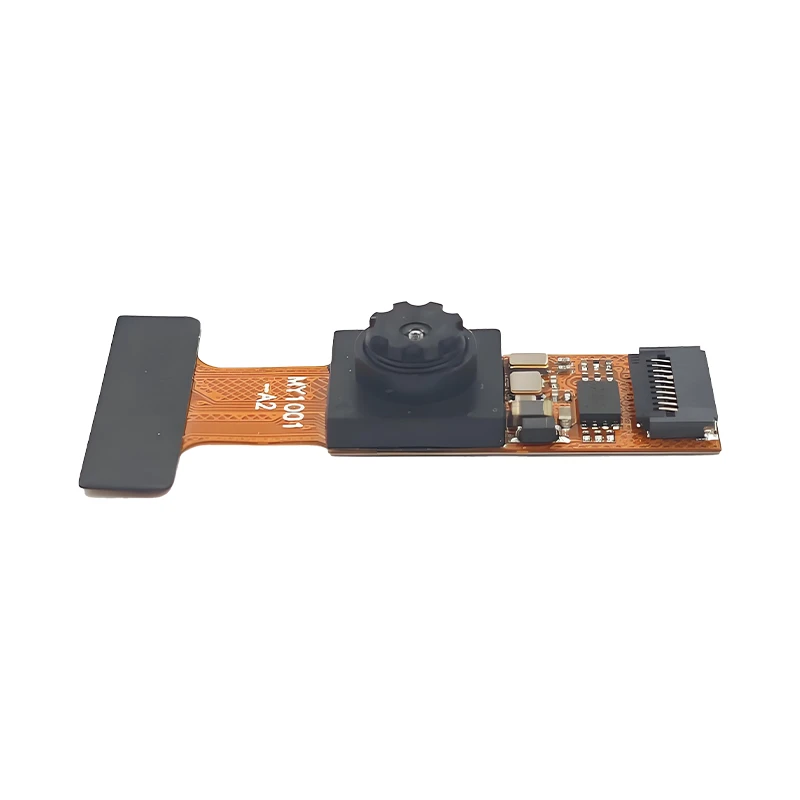
MY-1001-A2 AI Tracking, Gesture Recognition, Sitting Posture Detection Smart Camera Module
-
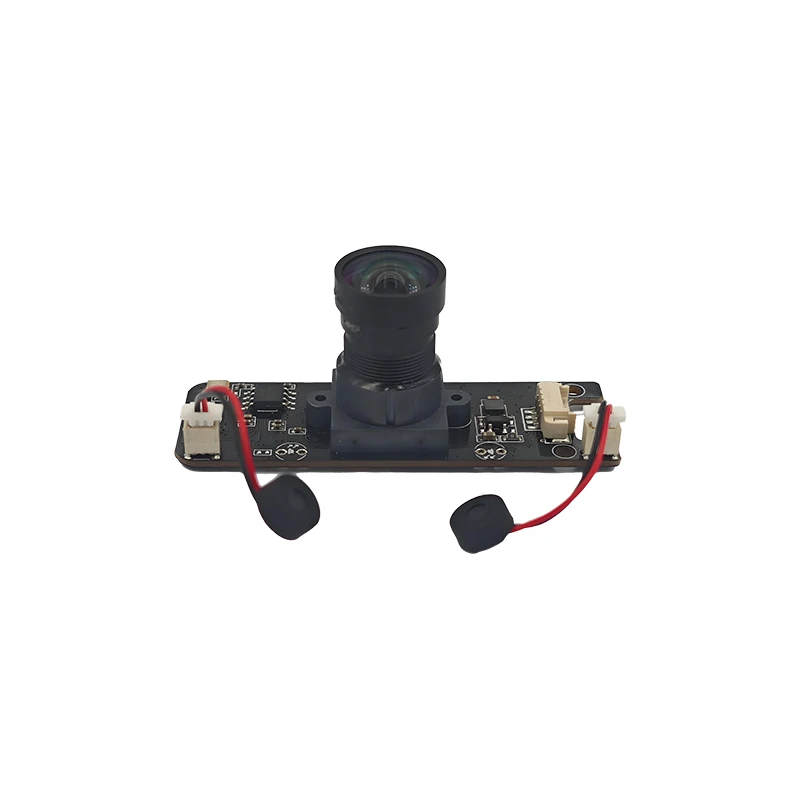
MY-USB8M158A 4K Resolution HD Video Driver-Free USB Camera Module With Microphone
