


Mar . 12, 2026 02:25 Back to list
Enhance Your Recordings with a High Quality Micro USB Microphone for Camera
Choosing the Right Micro USB Microphone for Camera
In today's digital world, high-quality audio is as crucial as high-resolution video. Whether you're a vlogger, journalist, filmmaker, or simply recording important moments, the audio quality significantly impacts the overall experience. A dedicated micro USB microphone for camera can dramatically improve your recordings. This article provides a comprehensive guide to selecting the best microphone for your needs, covering features, applications, and what to look for when making a purchase. We'll explore how to choose the right microphone to elevate your audio quality and ensure clear, professional recordings.
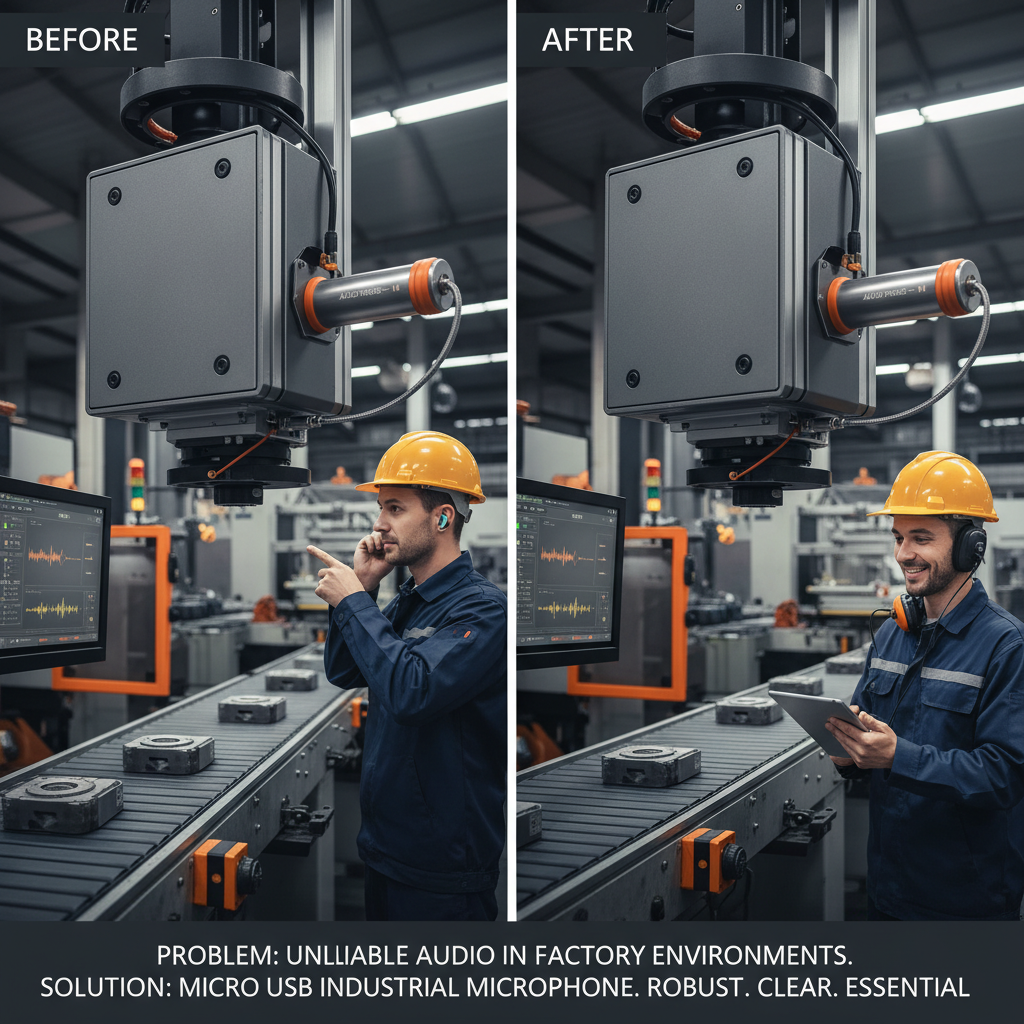
Understanding Micro USB Microphones for Cameras
Micro USB microphones connect directly to cameras, offering a convenient and often cost-effective solution for enhancing audio quality. Unlike built-in camera microphones, these external microphones provide improved sensitivity and directionality, reducing background noise and capturing clearer sound. They’re incredibly versatile, suitable for various applications, from interviews and presentations to filmmaking and live streaming. The simplicity of a micro USB connection makes them incredibly user-friendly, and they don't typically require complex setups or external power sources. Investing in a quality micro usb microphone is an easy way to upgrade your video content.
Key Benefits: Improved audio clarity, reduced background noise, easy connectivity, and versatility across various recording scenarios.
Types of Micro USB Microphones for Cameras
Several types of micro USB microphones cater to different needs. Omnidirectional microphones capture sound from all directions, making them ideal for interviews or situations where the sound source is moving. Cardioid microphones focus on capturing sound from the front while rejecting noise from the sides and rear, excellent for focusing on a specific subject and minimizing background distractions. Shotgun microphones are highly directional, perfect for capturing sound from a distance, often used in filmmaking. Understanding the different polar patterns is crucial for selecting the microphone that best suits your recording environment and application. SZMYCCM offers a wide range of microphones to suit various needs.
Polar Pattern Guide:
• Omnidirectional: Captures sound equally from all directions.
• Cardioid: Captures sound primarily from the front.
• Shotgun: Highly directional, captures sound from a narrow angle.
Key Features to Consider When Buying a Micro USB Microphone for Camera
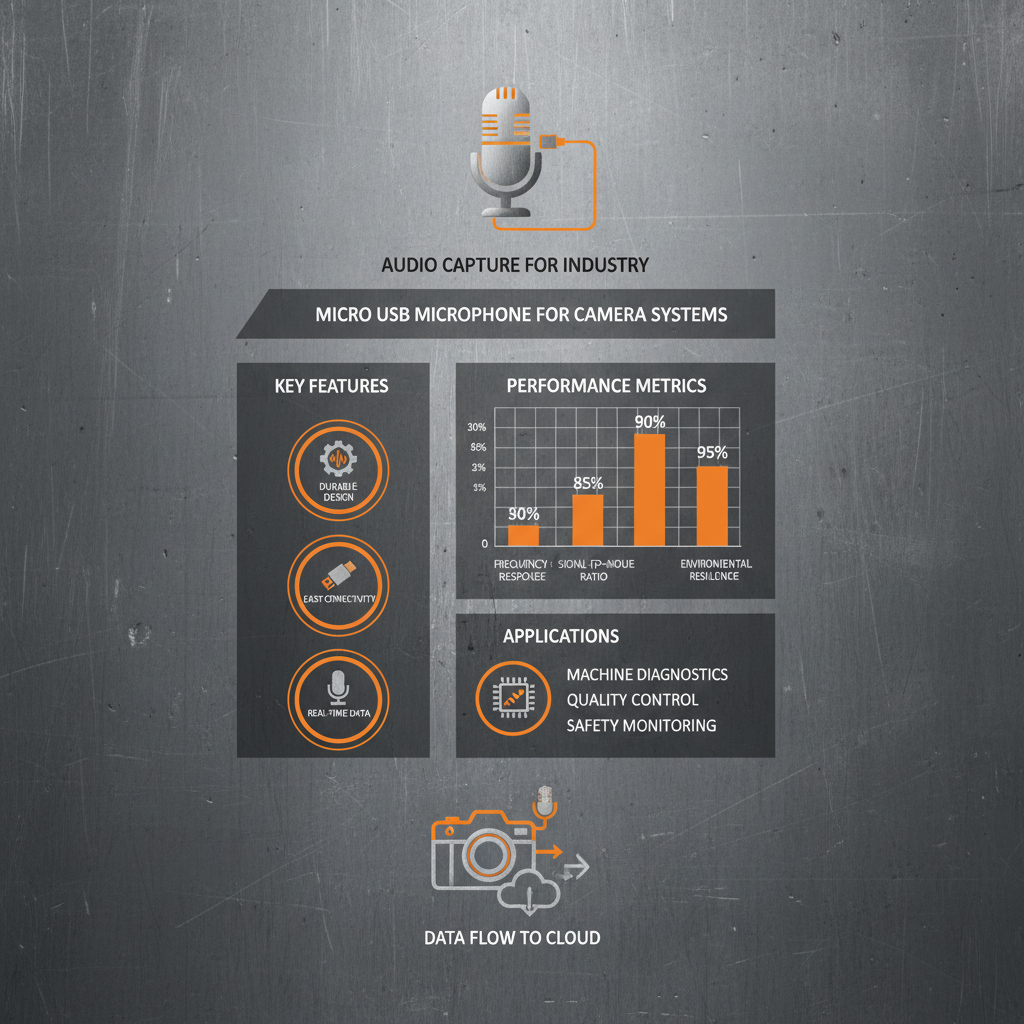
When selecting a micro USB microphone, several key features should influence your decision. Frequency response determines the range of frequencies the microphone can capture. A wider frequency response generally results in more natural and detailed sound. Sensitivity measures how well the microphone picks up quiet sounds. Higher sensitivity is beneficial for recording in quiet environments. Signal-to-noise ratio (SNR) indicates the level of unwanted noise. A higher SNR means cleaner recordings. Finally, consider the microphone's build quality and durability, ensuring it can withstand the rigors of frequent use.
Applications: Where a Micro USB Microphone Excels
The applications for a quality micro USB microphone for camera are vast. Vlogging and Content Creation: Significantly improves audio clarity for YouTube videos, podcasts, and online courses. Filmmaking: Provides professional-grade audio for independent films and documentaries. Journalism: Captures clear interviews and reports in challenging environments. Live Streaming: Ensures crystal-clear audio for live broadcasts on platforms like Twitch and Facebook Live. No matter your recording needs, a dedicated microphone will deliver superior results.
Choosing the Right Microphone: SZMYCCM's Recommendations
At SZMYCCM, we offer a diverse range of micro USB microphones to meet any need. For vloggers and podcasters, our cardioid microphones provide excellent directional audio capture. Filmmakers benefit from our shotgun microphones, ensuring clear sound even at a distance. We prioritize quality and reliability, offering microphones that deliver exceptional performance and durability. Explore our catalog today and find the perfect microphone to elevate your audio recordings.
Conclusion: Invest in Quality Audio
A micro USB microphone for camera is a crucial investment for anyone serious about audio quality. From enhancing vlogs to producing professional films, a good microphone makes a world of difference. Explore the options available at SZMYCCM and elevate your recordings today!
Frequently Asked Questions (FAQs)
What is the difference between a cardioid and omnidirectional microphone?
A cardioid microphone picks up sound primarily from the front, rejecting noise from the sides and rear. This is ideal for focusing on a specific subject, like a presenter or interviewee. An omnidirectional microphone captures sound from all directions, making it suitable for situations where the sound source is moving or you need to record ambient sound. Cardioid mics are great for isolating sound, while omnidirectional mics are better for capturing a wider soundscape.
Will a micro USB microphone work with any camera?
Generally, yes. Most cameras with a micro USB port will be compatible. However, it's always best to check your camera's documentation to ensure compatibility. Some cameras may require specific drivers or settings adjustments. SZMYCCM's microphones are designed for broad compatibility, but verifying your camera’s specifications is a good practice.
How can I improve the audio quality with my microphone?
Several factors can improve your audio quality. First, ensure the microphone is positioned close to the sound source. Second, minimize background noise by recording in a quiet environment. Third, use a pop filter to reduce plosive sounds (like "p" and "b" sounds). Finally, experiment with different microphone placements to find the optimal position for your recording setup.
What is the best way to store a micro USB microphone?
To ensure the longevity of your microphone, store it in a dry, dust-free environment. Avoid exposing it to extreme temperatures or humidity. When not in use, consider storing it in a protective case or bag to prevent damage. Regularly inspect the cable and connector for any signs of wear and tear.
-
Guide to Raspberry Pi Camera Module v3 with Powered Autofocus
NewsApr.16,2026
-
Guide to Using the raspberry pi camera module v1 3 for IoT Projects
NewsApr.09,2026
-
Exploring the Capabilities of the Raspberry Pi Camera Module 3 Noir for Diverse Applications
NewsApr.07,2026
-
Unlocking Visual Potential with the Raspberry Pi Camera Module 3 for Advanced Projects
NewsApr.04,2026
-
Raspberry Pi Noir Camera Module V2 8MP 1080p30 A Comprehensive Guide for Projects
NewsMar.31,2026
-
Comprehensive Guide to the Raspberry Pi 3 B+ Camera Module and Its Applications
NewsMar.28,2026
-
MY-USB1M818A Global Exposure Usb Camera Module With 1mp Hd Video
-
-
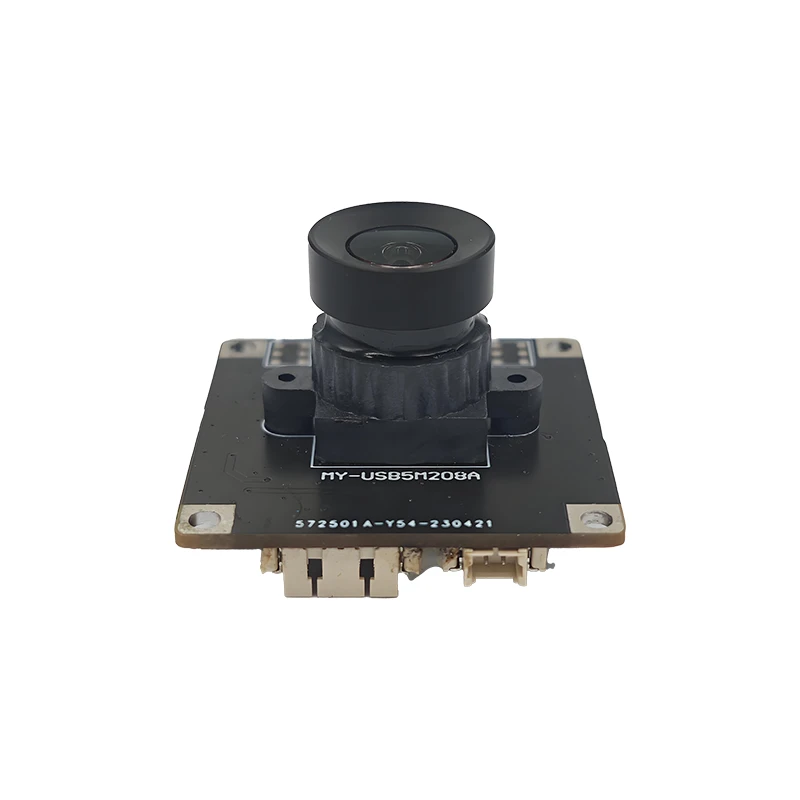
-
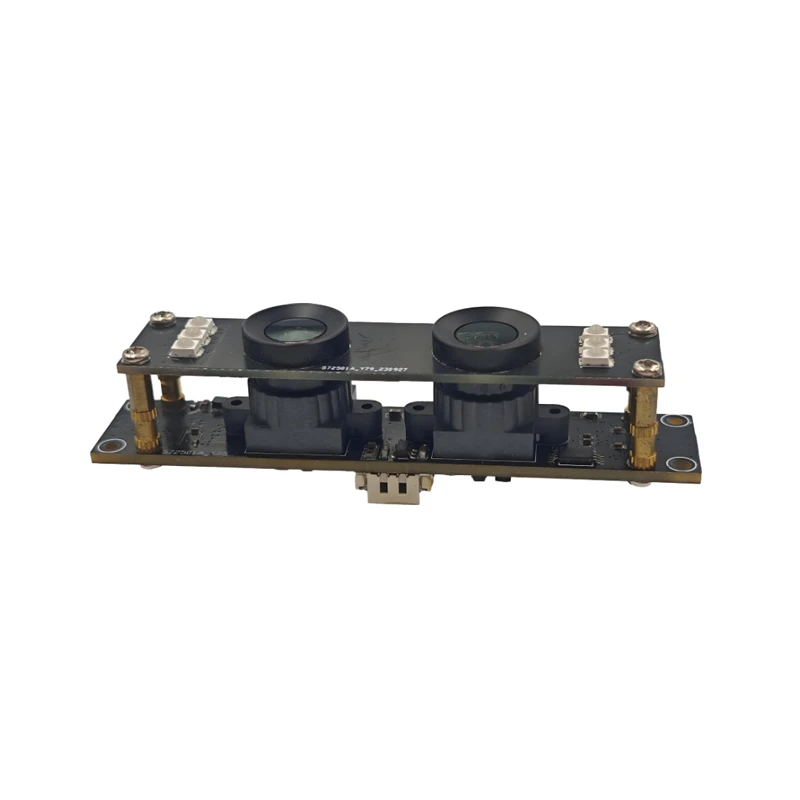
MY-DC52M-A1 Dual Lens Wide Dynamic Range Usb2.0 Camera Module With HD Video 5mp+2mp
-
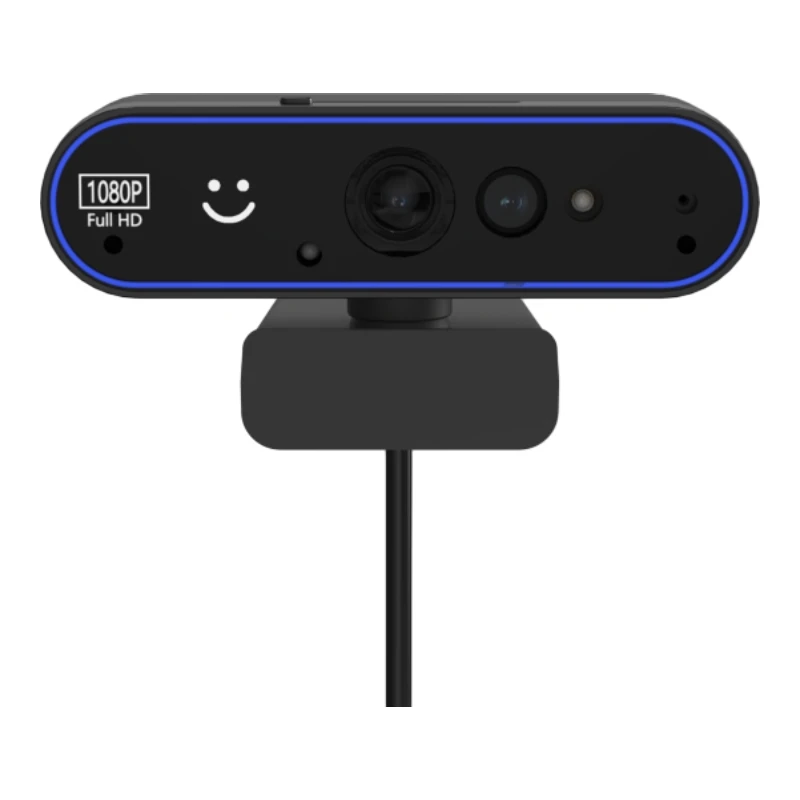
MY-WHC700 Windows Hello Face Recognition Binocular USB Camera
-
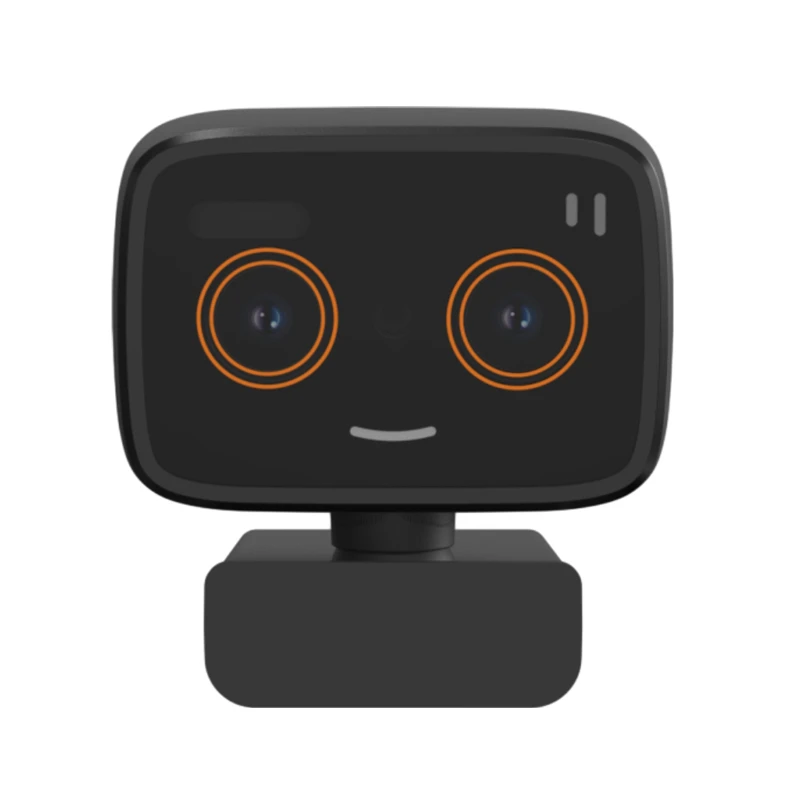
MY-DC-260-A1 Dual Lens Usb2.0 Web Camera With High-definition Video 2mp+2mp
-
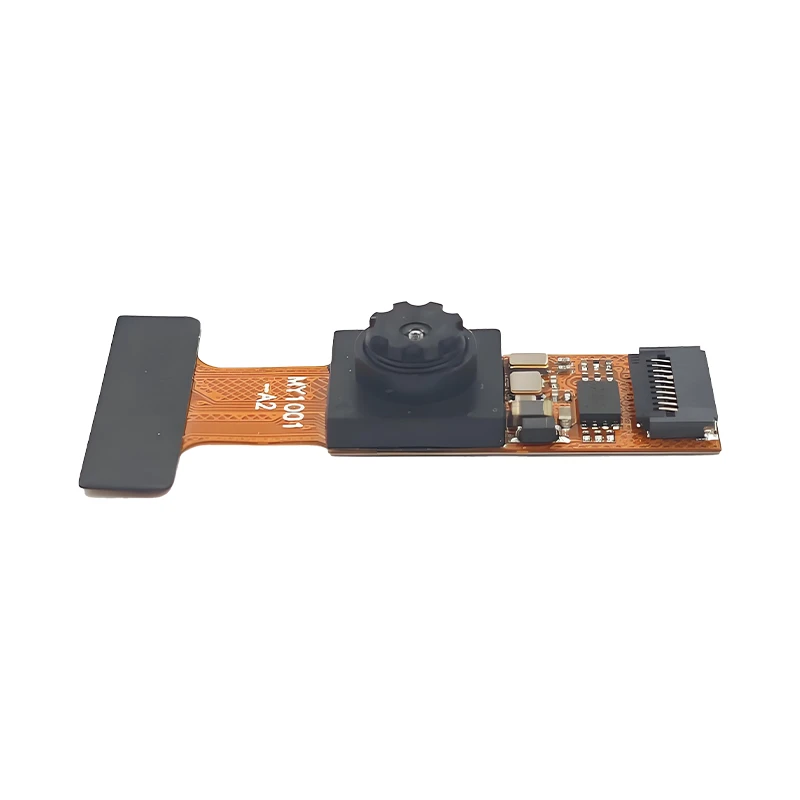
MY-1001-A2 AI Tracking, Gesture Recognition, Sitting Posture Detection Smart Camera Module
-
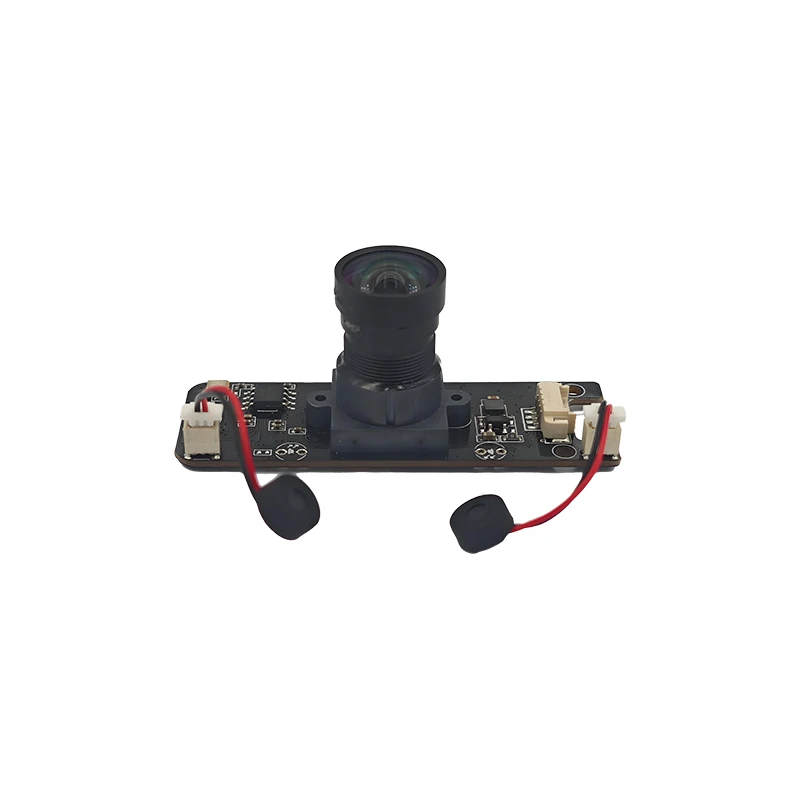
MY-USB8M158A 4K Resolution HD Video Driver-Free USB Camera Module With Microphone
