


Nov . 19, 2025 19:30 Back to list
Why the 1080p Camera Module Is Essential for Modern Industry & Beyond
Understanding the 1080p Camera Module: Why It Matters Today
If you’ve ever taken a crystal-clear video or snapped a sharp photo on your smartphone, chances are a 1080p camera module was quietly doing the heavy lifting inside. Globally, these compact imaging components quietly power applications from security systems to telepresence robots, shaping how we perceive and interact with the world. But beyond consumer gadgets, understanding what a 1080p camera module is—and why it matters—touches on themes like surveillance, remote monitoring, and even humanitarian aid. These devices enable clear image capture at a full HD resolution, striking a sweet spot between quality and resource demands. In a world increasingly reliant on visual data, grasping this technology offers insight into how industries are pivoting toward smarter, more connected operations.
Global Perspective: Why the 1080p Camera Module Has Widespread Impact
Zooming out for a moment, the role of 1080p camera modules isn’t just about prettier pictures. According to the International Telecommunication Union (ITU), over 60% of households worldwide have at least one connected camera device in 2023 – a number that’s only trending upwards. This surge is tightly linked to burgeoning smart city initiatives, enhanced security protocols, and remote monitoring in industrial zones. Yet a thorny challenge lurks beneath: how do you deliver sharp video feeds in places with limited bandwidth or power? The 1080p camera module often strikes just the right balance between clarity and efficiency, supporting real-time analysis without drowning networks. This balance informs everything from traffic monitoring in Europe to agricultural drone surveillance in Sub-Saharan Africa — proving the camera’s role in addressing global challenges beyond mere pixels.
Mini takeaway: The global relevance of 1080p camera modules lies not only in image quality but in their enabling role for smarter, scalable solutions across diverse sectors.
What Exactly Is a 1080p Camera Module?
In simplest terms, a 1080p camera module is a compact assembly featuring an image sensor and lens system designed to capture high-definition video at 1920x1080 pixels—commonly known as 'Full HD'. Think of it as the camera unit inside your laptop webcam or a CCTV camera, only purpose-built for crisp visual data capture. It’s not just about the raw number of pixels, but the module’s architecture that ensures light sensitivity, signal processing, and physical durability. In modern industry or humanitarian contexts, these modules are the electronic “eyes” enabling remote inspections, telemedicine, disaster area reconnaissance – wherever a sharp image can drive faster decisions or better outcomes.
Core Components of a 1080p Camera Module
1. Image Sensor
The heart of the module: either CMOS or CCD sensors convert photons into electrical signals. CMOS is more common today due to energy efficiency and affordability.
2. Lens Assembly
Determines the field of view, focal length, and often includes autofocus mechanisms. The lens quality directly affects clarity and distortion.
3. Image Processing Chip
Handles real-time correction for exposure, noise, and color balance before the image is outputted. Crucial for maintaining consistent 1080p output under diverse lighting.
4. Communication Interface
Modules rely on interfaces like MIPI CSI or USB, bridging the camera to host devices for data transfer.
5. Durability Features
For outdoor or industrial uses, waterproofing, dust resistance, and temperature range specifications ensure the module endures harsh environments.
Mini takeaway: Beyond pixels, the interplay of sensor, optics, processing, and ruggedization determines practical performance in the field.
Global Applications: Where 1080p Camera Modules Make a Difference
In real terms, these modules find homes across many sectors worldwide. Here’s a glimpse:
- Security & Surveillance: City-wide CCTV cameras in cities like London or Singapore utilize 1080p modules for distinct facial recognition and license plate capture.
- Agriculture: Drones with 1080p sensors monitor crop health remotely, especially in regions like the US Midwest or India’s Punjab.
- Disaster Relief: NGOs deploy portable cameras for situational awareness after earthquakes or floods, like in Nepal or the Philippines.
- Telemedicine: Remote clinics in rural Africa connect patients with urban specialists using video consultations powered by these modules.
- Manufacturing and Industrial Inspection: In remote mines or factories, 1080p cameras provide real-time equipment monitoring, reducing downtime.
Oddly enough, it feels like this resolution hits that 'Goldilocks zone' — not so heavy to overload systems, yet enough clarity to inform decisions.
Advantages That Make 1080p Camera Modules Worth the Investment
Tangible benefits stack up nicely:
- Cost-Effective: Compared to 4K or higher, 1080p modules require less processing power and storage, lowering infrastructure costs.
- Energy Efficient: Ideal for battery-powered or solar setups common in remote deployments.
- Reliable: Many models pass rigorous ISO standards for durability and performance.
- Social Impact: Better image quality supports safer communities and improved healthcare delivery, building trust.
- Versatile: Usable in lighting conditions from dim LED-lit halls to bright outdoor sunlight due to advanced image processing.
Product Specification Table
| Specification | Typical Value | Notes |
|---|---|---|
| Resolution | 1920 x 1080 pixels (Full HD) | Standard HD format |
| Sensor Type | CMOS | Energy efficient and affordable |
| Frame Rate | 30 fps (typical) | Smooth video capture |
| Interface | MIPI CSI / USB | For various host integrations |
| Operating Temperature | -20°C to +70°C | Supports outdoor use |
| Dimensions | 25mm x 25mm x 10mm | Compact form factor |
A Quick Look at Major Vendors
| Vendor | Product Range | Typical Price Range | Key Strength |
|---|---|---|---|
| VisionTech | Standard and IR 1080p modules | $15 - $30 per module | High-quality optics |
| CamPro | Wide-angle and low-light modules | $20 - $40 | Excellent low-light performance |
| OptiLens | Ruggedized industrial modules | $25 - $50 | Durable and impact resistant |
Future Trends & Innovations in 1080p Camera Technology
What’s next for 1080p modules? While higher-resolution cameras get all the headlines, there’s plenty happening behind the scenes:
- AI-Powered Imaging: Real-time edge processing to enhance image clarity and detect anomalies even before sending data.
- Energy Harvesting Modules: Cameras that leverage ambient light or vibrations to self-power in remote areas.
- Eco-friendly Materials: Vendors are experimenting with biodegradable casings and lead-free soldering to cut environmental impact.
- Compact Multi-Camera Arrays: Integrating multiple 1080p sensors for depth mapping and advanced 3D reconstruction.
Challenges & Solutions in Deploying 1080p Camera Modules
Every tech has its limits. Some recurring hurdles include:
- Bandwidth Constraints: Full HD video can strain networks, especially in rural or developing regions. Solution? Adaptive streaming and edge computing compress data smartly.
- Environmental Durability: Modules sometimes fail under dust or extreme temperatures. Rugged housing and conformal coatings mitigate this.
- Cost Barriers: For some NGOs or startups, even modest prices pile up. Bulk purchasing and modular redesigns reduce costs.
FAQ: What People Really Want to Know About 1080p Camera Modules
- Q: Can a 1080p camera module function effectively in low-light environments?
- A: Absolutely. Many modules are paired with image sensors optimized for low-light sensitivity or include infrared capabilities to maintain clarity when lighting is poor.
- Q: How easy is it to integrate a 1080p camera module into existing security systems?
- Most modules come with standardized interfaces like MIPI or USB, making integration relatively straightforward for technical teams. Some also support plug-and-play configurations.
- Q: Are 1080p camera modules suitable for outdoor industrial use?
- Yes, provided you select models with IP-rated sealing and temperature tolerances suitable for your environment. Ruggedized modules can withstand dust, moisture, and temperature extremes.
- Q: What maintenance do these camera modules require?
- Generally minimal — cleaning lenses periodically and ensuring firmware updates for smart processing features keep devices running optimally.
- Q: Could I use a 1080p camera module in a drone for real-time monitoring?
- Definitely. Their balance of resolution and power consumption makes them popular for airborne platforms providing HD video feeds.
In Conclusion: Why the 1080p Camera Module Deserves Your Attention
It’s tempting to chase the hype of 4K or 8K, but the 1080p camera module remains a dependable workhorse in countless real-world scenarios. Its balance of image quality, efficiency, and cost makes it a go-to choice for industries seeking practical, scalable vision solutions—from helping connect remote clinics to strengthening urban safety nets. If you’re exploring ways to upgrade your optical systems or expand smart visual applications, it’s worth diving deeper into what these modules offer.
For those intrigued, we recommend checking out the latest options and detailed specs at 1080p camera module suppliers — you might be surprised at how much capability fits inside those tiny packages.
Mini takeaway: The 1080p camera module proves that sometimes, “good enough” means the best blend of performance, price, and practicality.
References
-
Guide to Raspberry Pi Camera Module v3 with Powered Autofocus
NewsApr.16,2026
-
Guide to Using the raspberry pi camera module v1 3 for IoT Projects
NewsApr.09,2026
-
Exploring the Capabilities of the Raspberry Pi Camera Module 3 Noir for Diverse Applications
NewsApr.07,2026
-
Unlocking Visual Potential with the Raspberry Pi Camera Module 3 for Advanced Projects
NewsApr.04,2026
-
Raspberry Pi Noir Camera Module V2 8MP 1080p30 A Comprehensive Guide for Projects
NewsMar.31,2026
-
Comprehensive Guide to the Raspberry Pi 3 B+ Camera Module and Its Applications
NewsMar.28,2026
-
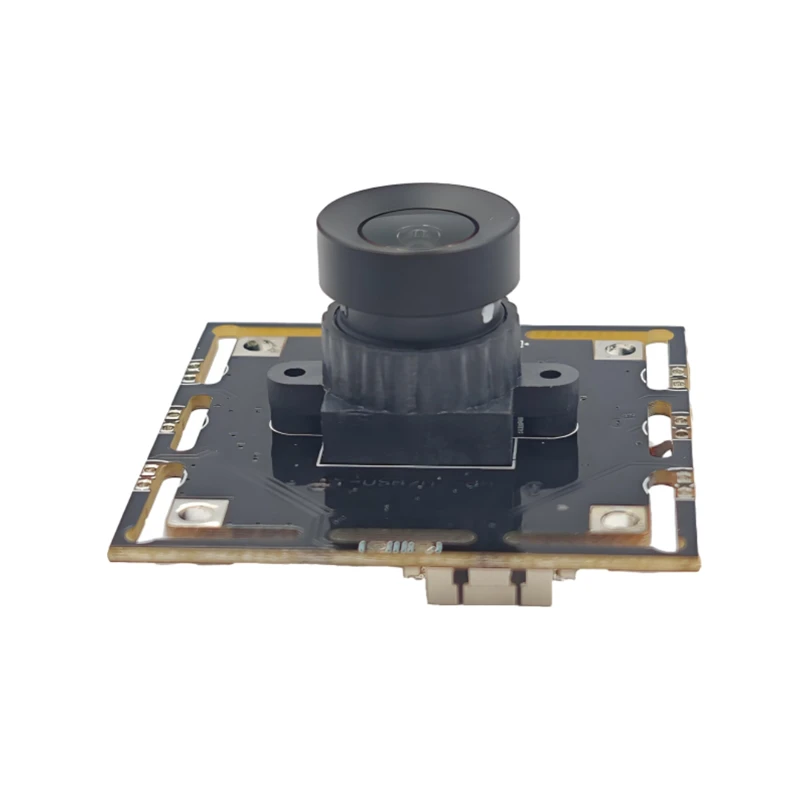
MY-USB1M818A Global Exposure Usb Camera Module With 1mp Hd Video
-
-
-
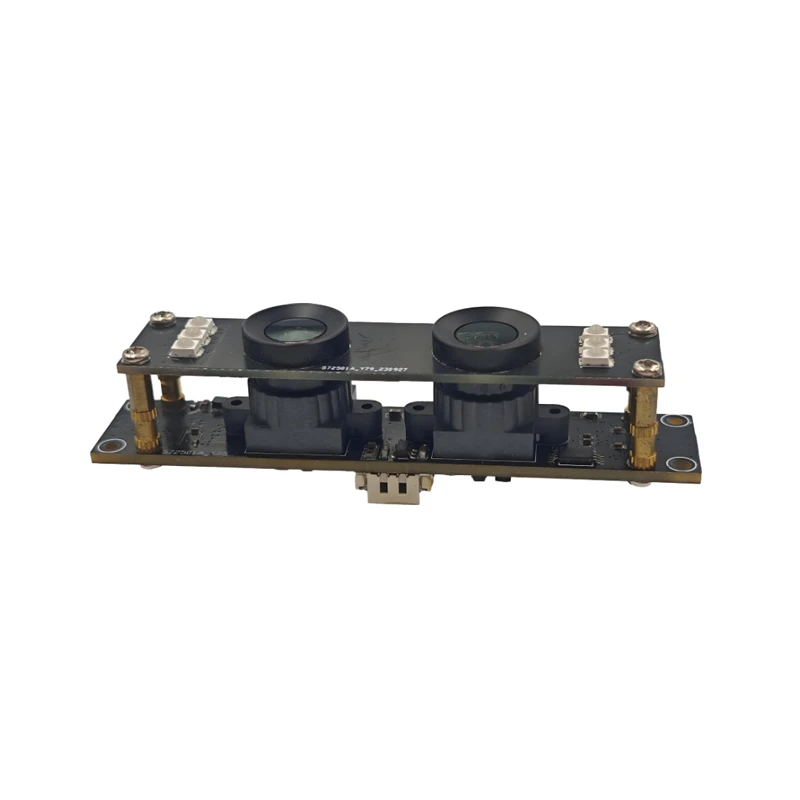
MY-DC52M-A1 Dual Lens Wide Dynamic Range Usb2.0 Camera Module With HD Video 5mp+2mp
-
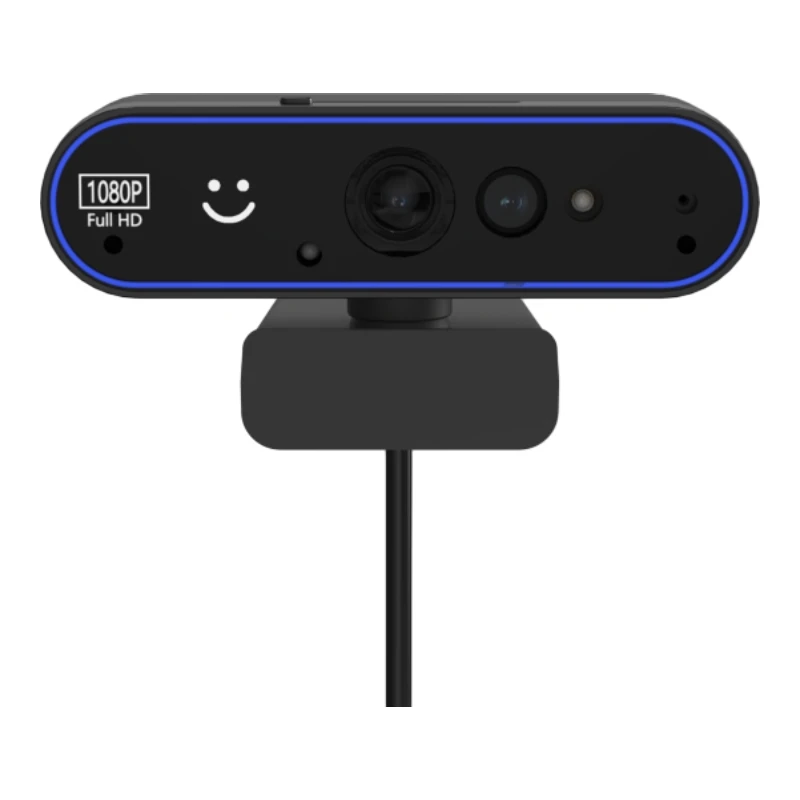
MY-WHC700 Windows Hello Face Recognition Binocular USB Camera
-

MY-DC-260-A1 Dual Lens Usb2.0 Web Camera With High-definition Video 2mp+2mp
-
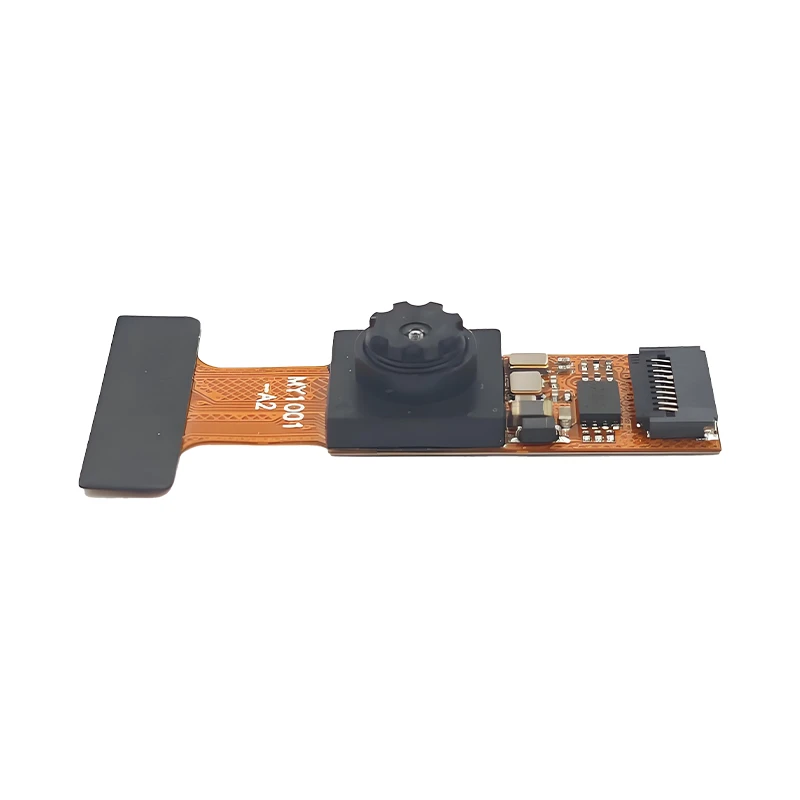
MY-1001-A2 AI Tracking, Gesture Recognition, Sitting Posture Detection Smart Camera Module
-
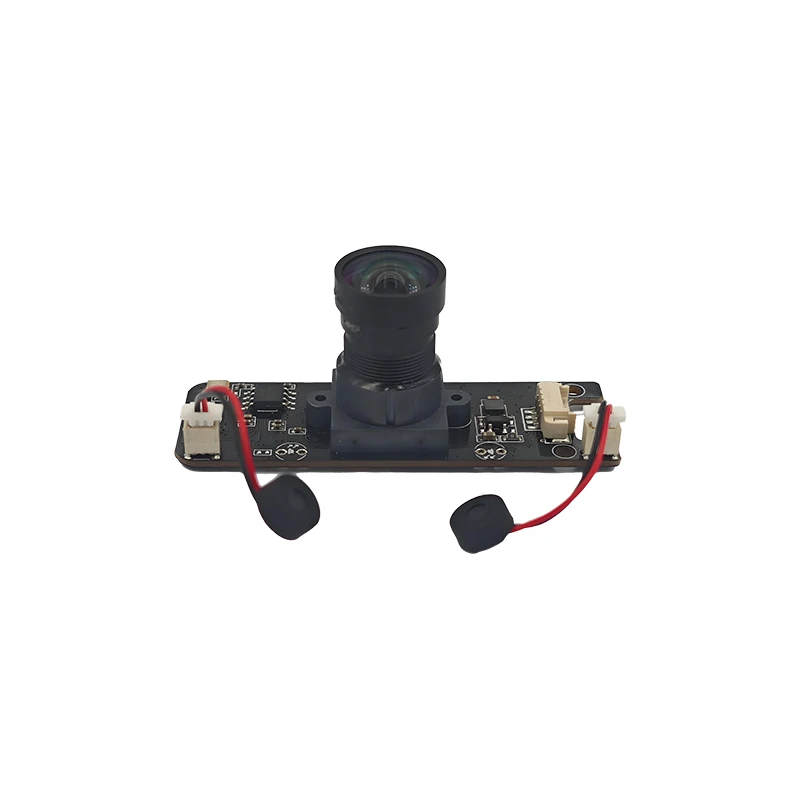
MY-USB8M158A 4K Resolution HD Video Driver-Free USB Camera Module With Microphone
