


Nov . 25, 2025 17:30 Back to list
Explore Reliable and Affordable 2k Video Cameras for Industry and Creative Uses
Understanding the Buzz Around 2k Video Cameras: Why It Truly Matters
Every day, we’re bombarded by videos shot with varying resolutions, but you might have noticed a growing interest in 2k video cameras. What’s the big deal? Well, the rise of 2k resolution cameras is reshaping how industries, content creators, even NGOs record, analyze, and share visual information globally.
From urban infrastructure inspections in Asia to wildlife conservation in Africa, these cameras are dramatically improving image clarity without the heavier data demands of 4k or beyond. That balance of quality and efficiency is the sweet spot everyone’s talking about. Understanding this tech can unlock smarter investments, better storytelling, and stronger operational insights worldwide.
Global Context: Why 2k Video Cameras Are More Relevant Than Ever
Did you know that the global surveillance and industrial camera market topped USD 5 billion in 2023 and is expected to grow around 10% annually (source: Statista)? More importantly, regions with emerging economies in Southeast Asia and Africa are adopting mid-tier video resolutions like 2k to improve infrastructure monitoring and safety protocols without breaking their budgets.
But here comes the challenge: Full 4k video streams can clog bandwidth and storage resources, especially in remote locations where connectivity is spotty or expensive. That’s where the 2k video camera shines, offering a practical compromise — crisp imagery that’s lighter on data and easier on devices.
In real terms, this means engineers inspecting pipelines in the Middle East or wildlife researchers in the Amazon don’t have to wait hours for footage to upload or struggle with blurry screens. They get sharp, actionable visuals quickly, which can literally save time, money, and sometimes life.
So, What Exactly Is a 2k Video Camera?
Simply put, a 2k video camera captures video at roughly 2000 pixels across the horizontal axis — typically 2048 x 1080 pixels. This resolution slots neatly between traditional HD (1080p) and ultra HD (4k), making it extremely versatile.
Think of it this way: it’s like moving from a regular TV to a nicer, crisper display — but without needing all the heavy-duty hardware or bandwidth that 4k demands. These cameras are now mainstream in fields ranging from commercial filmmaking to industrial inspection and even humanitarian applications, where clear visuals must be paired with mobility and reliability.
Key Factors That Make 2k Video Cameras Practical and Popular
Image Quality and Resolution
The first and obvious attraction is the sharp focus and detail that 2k resolution offers. Compared to 1080p, it provides nearly double the horizontal pixels, offering sharper images without the full storage and processing needs of 4k. This means better zoom-ins, clearer documentation, and improved recognition of small features.
Durability and Build Quality
Many users, especially in industrial or outdoor settings, note the importance of ruggedized housing for these cameras. Water resistance, shockproof designs, and dust-sealed bodies make 2k cameras reliable in extreme weather or dusty environments — which oddly enough, is where so many get their real-world use.
Data Management and Compression
Efficient codecs and compression algorithms ensure that 2k video files remain manageable. This is crucial in logistics-heavy environments where data transmission speed is a bottleneck. Many cameras now offer H.265 (HEVC) support, decreasing file sizes while maintaining quality.
Cost Efficiency
Compared to 4k counterparts, 2k video cameras cost significantly less in both purchase price and ongoing operational costs like storage and bandwidth. This makes them accessible to small businesses and NGOs, expanding their usability.
Flexibility and Compatibility
2k cameras generally work seamlessly with existing recording and playback equipment, requiring fewer infrastructure upgrades. This is particularly important in developing regions where tech refresh cycles are slower.
Scalability and Integration Potential
Thanks to their moderate data footprint, these cameras integrate well with networked systems, drones, and remote sensors, scaling from single devices to complex monitoring setups.
Mini takeaway: The blend of sharp imagery, ruggedness, manageable file sizes, and affordability makes 2k video cameras an ideal sweet spot for many users.
Where Are 2k Video Cameras Making Their Mark Globally?
It’s fascinating how these cameras pop up in the most unexpected places:
- Disaster Relief & Humanitarian Missions: In post-earthquake zones like Nepal or flood-affected regions in Bangladesh, 2k-enabled drones help emergency teams survey damage quickly without needing massive data infrastructure.
- Industrial Inspection: Oil rigs in the North Sea, remote solar farms in Australia, and mining operations in South America rely on portable 2k cameras for real-time fault detection and maintenance.
- Wildlife Conservation: African reserves use 2k cameras for anti-poaching surveillance and animal behavior research — where battery life and discreetness count as much as resolution.
- Film and Streaming Content: Creators who want that crisp cinematic look without expensive rigs are increasingly turning to 2k cameras because they balance quality and editing flexibility.
Mini takeaway: Their practical resolution and affordability have opened doors in sectors needing reliable imaging but with limited resources or infrastructure.
Advantages & Long-Term Value of 2k Video Cameras
On paper, the tangible benefits are clear: lower costs, reduced data loads, and decent image quality. But there’s more to it — an emotional payoff that’s often overlooked.
- Safety: More accurate visuals mean better decisions, whether it’s spotting structural cracks or tracking elusive animals.
- Dignity: Humanitarian groups appreciate that clear visuals help tell the stories of affected people with respect, avoiding pixelated or blurred images that obscure important details.
- Innovation: The 2k format encourages creative uses like AI-based image processing, which thrive on balanced data sizes for real-time analytics.
- Trust & Transparency: Clear footage helps build credibility in reporting or compliance scenarios.
2k Video Camera: Specifications Overview
| Feature | Typical Spec |
|---|---|
| Resolution | 2048 x 1080 pixels |
| Frame Rate | Up to 60 fps |
| Sensor Type | CMOS, back-illuminated |
| Supported Compression | H.264 / H.265 (HEVC) |
| Storage Options | SD card, SSD, cloud-enabled |
| Connectivity | Wi-Fi, Ethernet, USB-C |
| Operating Temperature | -10°C to 50°C |
| Weight | 250-400 grams |
Comparing Popular 2k Video Camera Vendors
| Vendor | Price Range | Durability Rating | Software Support | Best Use Case |
|---|---|---|---|---|
| CamTech Pro | $450 - $700 | High (IP67 certified) | Advanced with AI plugins | Industrial inspections |
| SightWave | $350 - $550 | Moderate (shockproof) | Cloud storage ready | Field research & conservation |
| VizionSnap | $300 - $500 | Basic weather resistance | Standard video editing tools | Content creators & vloggers |
What’s Next? Future Trends in 2k Video Cameras
Technology never stops, and oddly enough, the future of 2k video cameras looks quite bright, even amidst the rush toward 8k and higher. Innovations like AI-enhanced image stabilization and smart compression algorithms are making these cameras more powerful but still lightweight.
Plus, with green energy and sustainability on everyone’s minds, manufacturers are shifting toward lower-energy sensors and recyclable materials. Imagine a 2k camera running on solar power for weeks in the wild — that’s not far off.
Digital transformation also means easier integration with IoT devices and cloud analytics, turning raw footage into instant insights. The next decade may see 2k cameras no longer as mere recorders but as smart, connected nodes feeding data to AI-driven systems.
Addressing Challenges: What Holds 2k Cameras Back?
Of course, there are a few hurdles. Network limitations in rural regions remain an issue — sometimes even 2k streams are a bit heavy. There’s also the challenge of user education: many operators don’t fully exploit 2k’s potential because of confusing software or lack of training.
Solutions? Companies are focusing on better user interfaces, plug-and-play devices, and offline-first modes. Plus, partnerships with local agencies ensure proper training and support. It feels like the industry is slowly but surely closing these gaps.
Frequently Asked Questions About 2k Video Cameras
- Q: How does a 2k video camera compare to 1080p and 4k for everyday use?
A: 2k offers a middle ground—noticeably sharper than 1080p, with better color depth and detail, but it requires less storage and bandwidth than 4k. This balance suits users wanting quality without expensive tech upgrades. - Q: Are 2k cameras suitable for outdoor industrial conditions?
A: Absolutely. Many models feature rugged designs, weatherproof casings, and shock resistance, making them practical for sites like oil rigs, construction zones, or agriculture. - Q: Can I integrate 2k cameras with drones or IoT networks?
A: Most modern 2k cameras support connectivity via Wi-Fi or Ethernet and can be paired with drones or smart sensors, enabling real-time data collection and remote operations. - Q: Is this technology affordable for non-profits and small businesses?
A: Generally yes. 2k cameras tend to have lower upfront and maintenance costs than ultra-high-res alternatives, making them accessible to NGOs and startups alike.
In Conclusion: Why the 2k Video Camera Deserves Your Attention
Spanning the sweet spot between image quality and practicality, the 2k video camera is quietly becoming indispensable around the world. It empowers industries, creatives, and humanitarian teams alike to see clearer, act faster, and connect smarter — all without the flashy hype or heavy costs of ultra HD technology.
If you want to explore the latest selection of robust 2k video cameras that fit your needs and budget, check out 2k video camera suppliers offering cutting-edge tech and solid warranties.
Happy filming — or inspecting, or surveying — whichever angle you’re coming from.
References:
-
Guide to Raspberry Pi Camera Module v3 with Powered Autofocus
NewsApr.16,2026
-
Guide to Using the raspberry pi camera module v1 3 for IoT Projects
NewsApr.09,2026
-
Exploring the Capabilities of the Raspberry Pi Camera Module 3 Noir for Diverse Applications
NewsApr.07,2026
-
Unlocking Visual Potential with the Raspberry Pi Camera Module 3 for Advanced Projects
NewsApr.04,2026
-
Raspberry Pi Noir Camera Module V2 8MP 1080p30 A Comprehensive Guide for Projects
NewsMar.31,2026
-
Comprehensive Guide to the Raspberry Pi 3 B+ Camera Module and Its Applications
NewsMar.28,2026
-
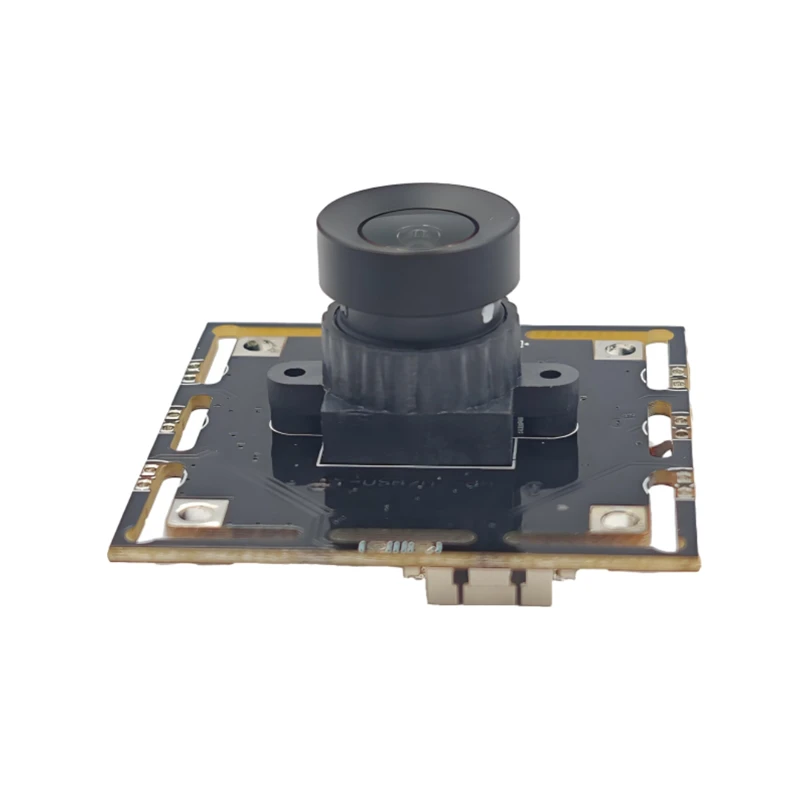
MY-USB1M818A Global Exposure Usb Camera Module With 1mp Hd Video
-
-
-
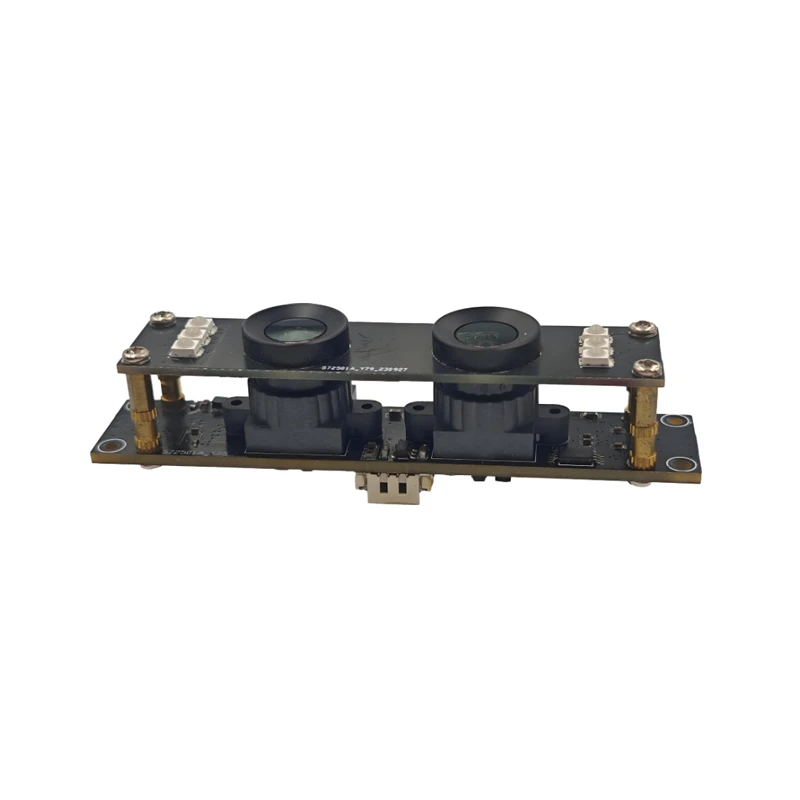
MY-DC52M-A1 Dual Lens Wide Dynamic Range Usb2.0 Camera Module With HD Video 5mp+2mp
-

MY-WHC700 Windows Hello Face Recognition Binocular USB Camera
-

MY-DC-260-A1 Dual Lens Usb2.0 Web Camera With High-definition Video 2mp+2mp
-
MY-1001-A2 AI Tracking, Gesture Recognition, Sitting Posture Detection Smart Camera Module
-
MY-USB8M158A 4K Resolution HD Video Driver-Free USB Camera Module With Microphone
