


Nov . 26, 2025 02:30 Back to list
What is a USB Camera Microphone? Benefits, Uses & Buying Guide
Understanding USB Camera Microphones: Why They Matter More Than Ever
At first glance, a usb camera microphone might sound like just another gadget on your desk. But, trust me, its significance goes beyond plugging a simple device into a port. Around the world, these innovative peripherals are bridging communication gaps, enhancing remote collaboration, and powering clearer, crisper audio for countless applications — from livestreaming and conference calls to humanitarian fieldwork in remote zones.
Given the rise of remote work, telemedicine, and global video communications, understanding how usb camera microphones function and why they’re increasingly essential offers not just technical insights but a window into the future of connected life and industry. Plus, if you've ever struggled with tinny sound during a video call, you’ll know quality microphones are more than just a luxury.
USB Camera Microphones in a Global Context: Connectivity and Clarity
Globally, internet penetration has surged past 65%, with billions relying on video communication daily — and that's just a starting point (ITU). Yet, with varying infrastructure and bandwidth limitations, capturing clear sound remains a challenge. Enter the usb camera microphone, whose plug-and-play convenience and digital interface have significantly reduced setup complexity, especially in places where time and tech expertise are luxuries.
The World Bank recently highlighted the role of digital tools in expanding tele-education and telehealth in underserved regions. In such environments, reliable audio capture is crucial to conveying unambiguous instructions or nuanced medical advice. A quality usb camera microphone can transform a pixelated, inaudible call into something close to face-to-face communication.
Still, there’s a gap between hopeful connectivity and effective, clear communication, and these devices address it head-on by improving audio quality without demanding costly setups.
What Exactly Is a USB Camera Microphone?
Put simply, a usb camera microphone is a peripheral designed to capture sound and transmit audio signals digitally through a USB interface, often integrated or paired with cameras (both webcams and standalone). Unlike traditional analog microphones, usb camera microphones bypass the computer's sound card, embedding analog-to-digital converters within the device itself.
This kind of microphone is perfect for users who want plug-and-play ease. For example, video bloggers, remote workers, and even non-profits operating in remote areas benefit from the robust simplicity. Often, these devices combine directional mic capsules optimized for recording speech directly in front of the camera, minimizing background noise—a handy feature, no doubt.
Key Features That Define USB Camera Microphones
1. Plug-and-Play Usability
Most usb camera microphones require zero driver installations. Literally, you just plug into a USB port, and the system registers it almost immediately. This ease means less tech support and faster deployment across various industries.
2. Superior Digital Audio Quality
Because the microphone contains its own converter, it delivers higher fidelity sound with lower noise levels compared to analog devices relying on host hardware. This is especially critical in environments with a lot of ambient interference.
3. Directionality and Noise Cancellation
Many models use cardioid or shotgun microphone designs, which capture audio primarily from a focused direction while ignoring side and rear noise sources. Field engineers say this feature alone can improve intelligibility dramatically during remote inspections.
4. Durability and Portability
These devices vary but often prioritize ruggedness. For instance, microphones made for industrial or outdoor use are built to tolerate dust, moisture, and drops—features NGOs appreciate during field deployments.
5. Device Compatibility
USB camera microphones generally work across Windows, macOS, and Linux without issues. This cross-platform nature allows them to fit flexibly into nearly any existing setup, be it professional studios or improvised workstations.
6. Affordable Pricing and Scalability
Compared to professional-grade audio hardware, usb camera microphones are usually accessible for small startups or humanitarian projects expanding their communication capabilities.
Mini takeaway: These facets collectively empower users to easily achieve crisp, reliable audio capture without fuss, even beyond typical office or home setups.
How USB Camera Microphones Are Changing the World: Applications & Use Cases
- Teleconferencing & Remote Learning: Corporates and educational institutions worldwide rely on these microphones to ensure meetings and classes run smoothly, preserving vocal nuances critical for engagement.
- Humanitarian Field Missions: In disaster relief zones, field teams utilize usb camera microphones to clear up communication between remote command centers and ground workers — often where infrastructure is patchy at best.
- Content Creation: Streamers, podcasters, and vloggers use these mics to guarantee professional-sounding recordings with minimal setup, which is particularly important for individuals managing everything solo.
- Industrial Inspections: Remote site engineers employ rugged usb camera microphones alongside video feeds to diagnose issues in plants or infrastructure without physically being there.
- Healthcare: Telemedicine consultations have surged, and clear audio helps doctors interpret patient information correctly over distances where subtle vocal cues matter.
Oddly enough, whether in a cramped urban office or a remote makeshift clinic, a dependable usb camera microphone is rapidly becoming an unsung hero of digital communication.
Product Specification Table
| Specification | Typical Range | Notes |
|---|---|---|
| Frequency Response | 20 Hz – 20 kHz | Human voice range captured clearly |
| Connectivity | USB 2.0/3.0 | Backward compatible, minimal latency |
| Polar Pattern | Cardioid / Omnidirectional | Focused on voice capture |
| Power Supply | Bus Powered (USB) | No external adapters needed |
| Compatibility | Windows, Mac, Linux | Plug and play |
| Dimensions | Approx. 10 x 3 x 3 cm | Compact and portable |
Comparing Leading USB Camera Microphone Vendors
| Vendor | Price Range | Notable Features | Warranty |
|---|---|---|---|
| SoundCapture Pro | $70 - $120 | Advanced noise cancellation, robust build | 2 years |
| ClearVoice Tech | $60 - $100 | Omnidirectional option, lightweight design | 1 year |
| FieldMic Solutions | $80 - $140 | Ruggedized for outdoor use, water resistant | 3 years |
| StreamLine Audio | $50 - $90 | Compact, budget-friendly, plug & play | 1 year |
Advantages and the Long-Term Value of USB Camera Microphones
So why go for a usb camera microphone instead of, say, a built-in laptop mic or a traditional analog mic? Many users report:
- Consistent sound quality irrespective of their environment, which saves frustration and improves professionalism
- Lower total cost of ownership since these mics cut down on additional sound cards or adapters
- Durability that withstands daily use—work-from-home setups can be chaotic
- Social impact: NGOs and educators relying on these mics improve communication, fostering dignity and trust in remote populations
The emotional weight of communicating clearly, especially when distance and technology barriers exist, cannot be overstated. In a world that often feels fragmented, these devices are a small but meaningful bridge.
The Future of USB Camera Microphones: Innovations on the Horizon
Looking forward, expect tighter integration of AI-driven noise suppression and adaptive acoustics that dynamically adjust to the environment. Some brands are exploring environmentally sustainable materials for casings and better energy optimization to reduce USB power consumption.
The trend toward miniaturization continues, too, embedding microphones directly into wearable cameras and VR gear, making audio capture more immersive and natural. On the software side, open standard protocols could improve interoperability — important in multi-device ecosystems.
All in all, the usb camera microphone is evolving beyond a mere accessory into a critical node in the digital communication world.
Overcoming Challenges in the Current USB Camera Microphone Landscape
Despite the gains, some issues persist. Latency and compatibility hiccups pop up occasionally, especially with older hardware. Background noise in noisy environments can still overwhelm even advanced mics, and budget constraints limit access in some underserved markets.
To mitigate these, companies invest in firmware upgrades and partnerships with streaming software to optimize latency settings. Meanwhile, customizable mic patterns and external noise suppression tech offer practical solutions. For NGOs or educators working in rough terrains, ruggedized designs and solar-powered options are becoming a game changer.
Frequently Asked Questions About USB Camera Microphones
- Q: Can I just use my laptop’s built-in microphone instead of a USB camera microphone?
- A: While built-in mics are convenient, they often pick up background noise and provide less clear audio. A usb camera microphone offers superior sound quality, directional pickup, and reduces echo, which especially helps during calls or recordings.
- Q: Are these microphones compatible with all computers?
- A: Generally, yes. Most usb camera microphones support Windows, macOS, and Linux with plug-and-play functionality. However, double-check for driver requirements if using older systems.
- Q: How portable are usb camera microphones for fieldwork?
- A: They're usually lightweight and compact, many designed for ruggedness. Professionals use them effectively in outdoor and challenging environments.
- Q: Do these microphones require external power?
- A: No — usb camera microphones are bus-powered through your computer’s USB port, making setup simpler without extra cables or adapters.
- Q: Can I get models suited for noisy environments?
- A: Absolutely. Look for directional polar patterns like cardioid and models with built-in noise cancellation designed for noisy settings.
In Conclusion: Why a USB Camera Microphone is an Investment Worth Making
To wrap up, the humble usb camera microphone is far from trivial tech. It's a powerful enabler of clearer, more effective communication, especially at a time when remote interactions define professional and social life alike. Whether you're an educator teaching children thousands of miles away, a field engineer performing remote inspections, or simply a content creator wanting crisp sound, this device swallows complexity and spits out quality.
For those curious or ready to upgrade their audio setup, visit our website to explore a curated range of usb camera microphones tailored to diverse needs and budgets.
Mini takeaway: Investing in a usb camera microphone today is investing in the clarity, confidence, and connection of tomorrow.
References:
-
Guide to Raspberry Pi Camera Module v3 with Powered Autofocus
NewsApr.16,2026
-
Guide to Using the raspberry pi camera module v1 3 for IoT Projects
NewsApr.09,2026
-
Exploring the Capabilities of the Raspberry Pi Camera Module 3 Noir for Diverse Applications
NewsApr.07,2026
-
Unlocking Visual Potential with the Raspberry Pi Camera Module 3 for Advanced Projects
NewsApr.04,2026
-
Raspberry Pi Noir Camera Module V2 8MP 1080p30 A Comprehensive Guide for Projects
NewsMar.31,2026
-
Comprehensive Guide to the Raspberry Pi 3 B+ Camera Module and Its Applications
NewsMar.28,2026
-
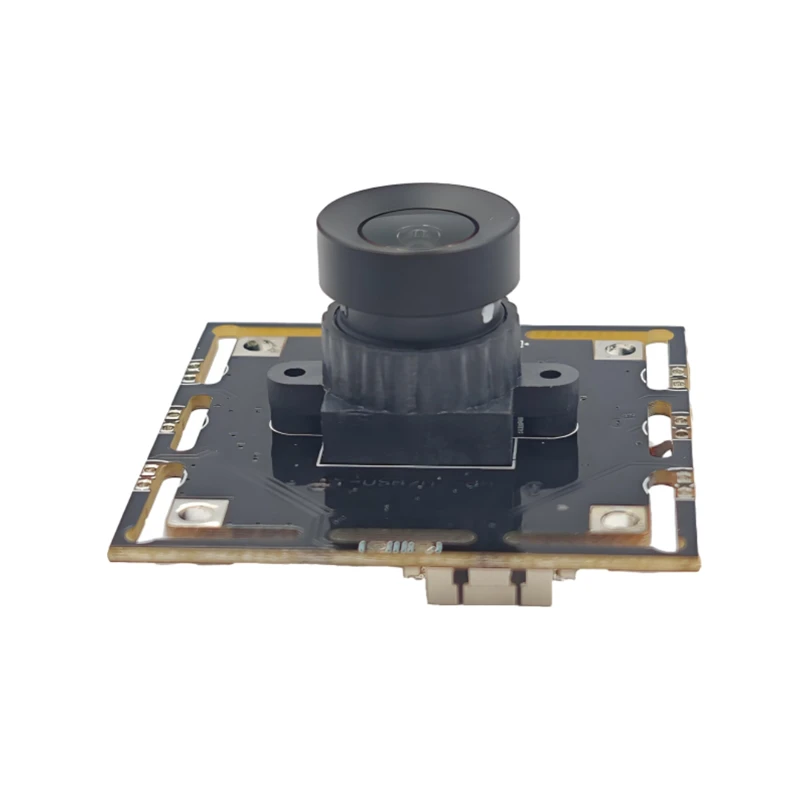
MY-USB1M818A Global Exposure Usb Camera Module With 1mp Hd Video
-
-
-
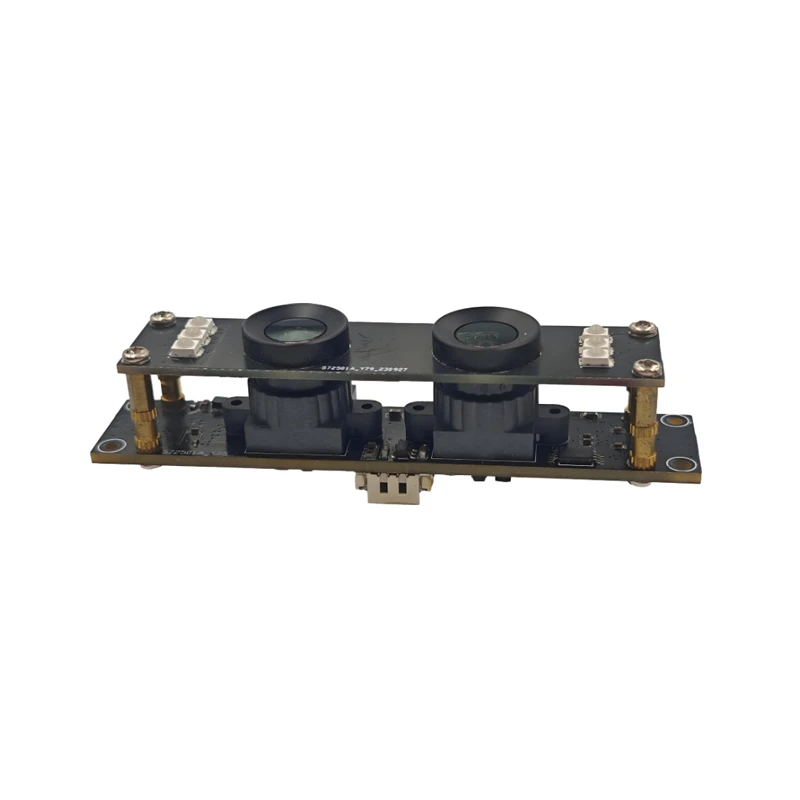
MY-DC52M-A1 Dual Lens Wide Dynamic Range Usb2.0 Camera Module With HD Video 5mp+2mp
-
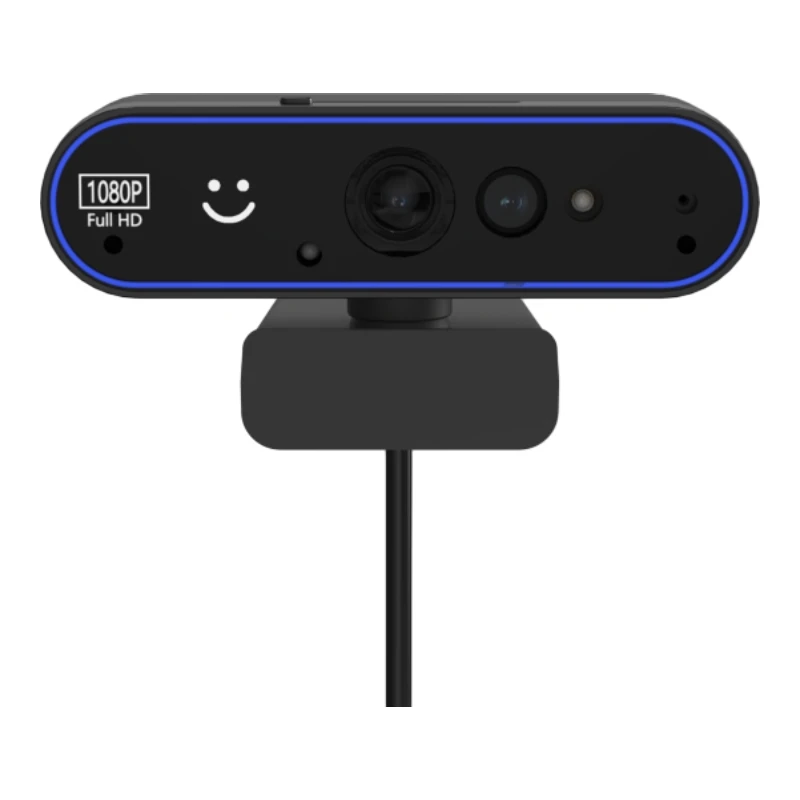
MY-WHC700 Windows Hello Face Recognition Binocular USB Camera
-
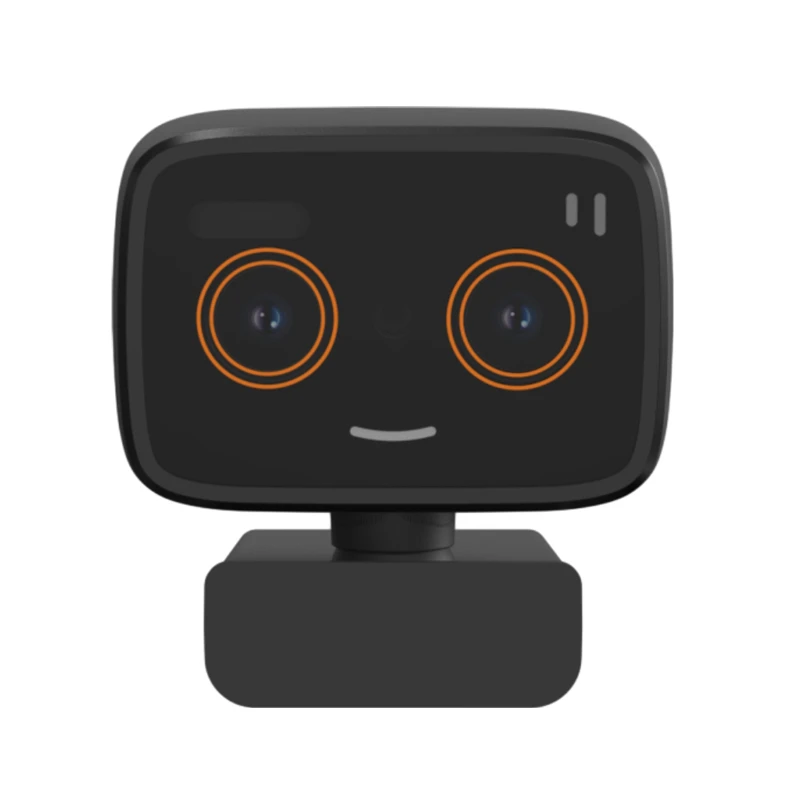
MY-DC-260-A1 Dual Lens Usb2.0 Web Camera With High-definition Video 2mp+2mp
-
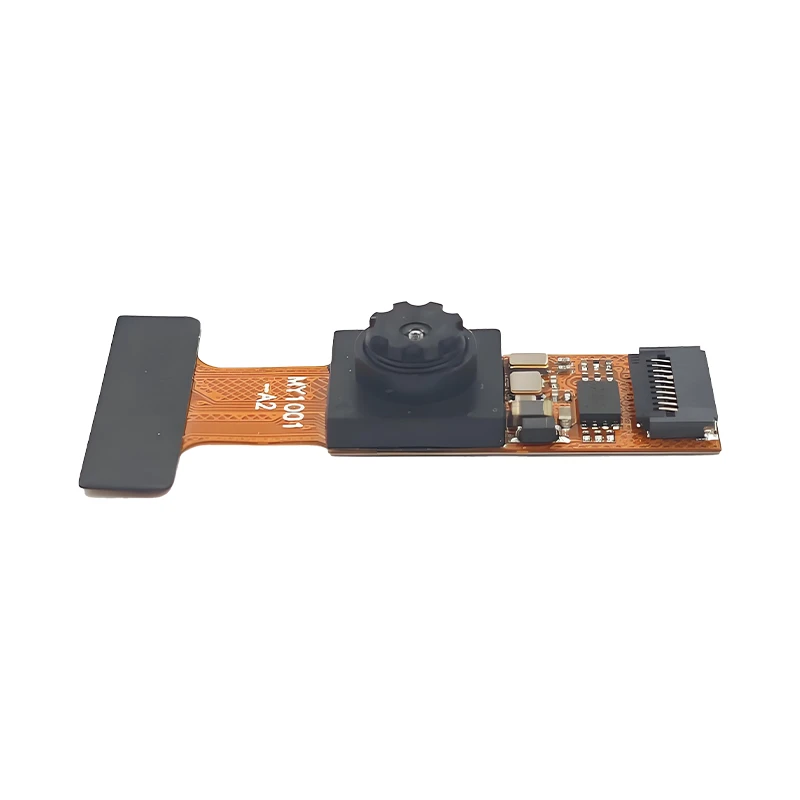
MY-1001-A2 AI Tracking, Gesture Recognition, Sitting Posture Detection Smart Camera Module
-
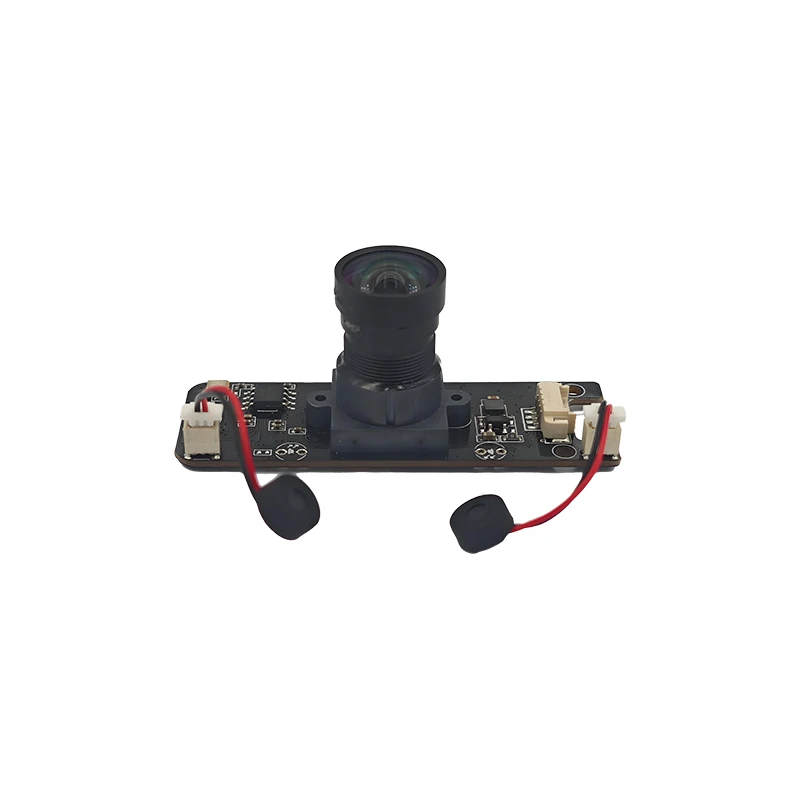
MY-USB8M158A 4K Resolution HD Video Driver-Free USB Camera Module With Microphone
